 Guides
What Is a Blue Flag Beach?
A Blue Flag beach is certified for one season by the Foundation for Environmental Education. This page covers the meaning, swimming, and the name.
Zeach Blog
Expert analysis, destination guides, and beach research from our editorial team.
Guides A Blue Flag beach is certified for one season by the Foundation for Environmental Education. This page covers the meaning, swimming, and the name.
 Guides
Blue Flag beaches must meet 33 criteria across water quality, environment, safety, and education. Here's exactly what each criterion requires, and why it matters.
 Guides
Arriving at a Blue Flag beach for the first time? Learn what the Blue Flag logo means, how to decode the warning flag colour system, what information boards must display, and what to look for before you enter the water.
 Guides
Blue Flag began as a local French initiative in 1985. Four decades later it covers 50 countries and more than 4,000 beaches. A history of the programme and how its standards evolved.
 Guides
Blue Flag beaches must pass water quality tests at every inspection. Here is exactly what they measure, what the numbers mean, and why Blue Flag demands the strictest classification.
 Explainers
Three FEE eco-labels, three completely different things. Blue Flag certifies beach water quality. Green Flag certifies parks. Green Key certifies hotels. Here is a plain-language comparison so you can read each label correctly.
 Explainers
Both Blue Flag and Green Key are FEE eco-labels, but they certify different things. A plain-language comparison of what each scheme covers, requires, and means for beach visitors.
 Guides
Behind every Blue Flag is a year of inspections, water tests, and paperwork. Here is the full process (from application to flag-raising) explained step by step.
 Explainers
Blue Flag beaches can lose their certification, temporarily or permanently. Here's exactly what causes it, what the process is, and whether those beaches can get the flag back.
 Best Of
The right time to visit a European Blue Flag beach depends on the region. This month-by-month guide covers the Mediterranean, Atlantic, and North Sea, with water temperatures, crowds, and costs.
 Family Travel
For families with children, Blue Flag certification addresses the three things that matter most: someone watching the water, clean toilets, and verified water quality. Here's how to find the best family-friendly certified beaches.
 Guides
Blue Flag certification has nothing to do with entry fees. Many certified beaches are entirely free to access, with lifeguards, water testing, and proper facilities all in place. Here's where to find them.
 Best Of
West-facing Blue Flag beaches combine certified water quality with reliable evening light. Here's where to find the best sunset-facing certified beaches in Europe and beyond.
 Best Of
East-facing Blue Flag beaches catch the early light before the crowds arrive. Here's where to find certified sunrise beaches across Europe.
 Destination Guides
Finding a beach that welcomes dogs AND holds a Blue Flag is easier than you think, if you know when and where to go. This guide covers 28 verified dog-friendly certified beaches across England, Wales, and Northern Ireland.
 Destination Guides
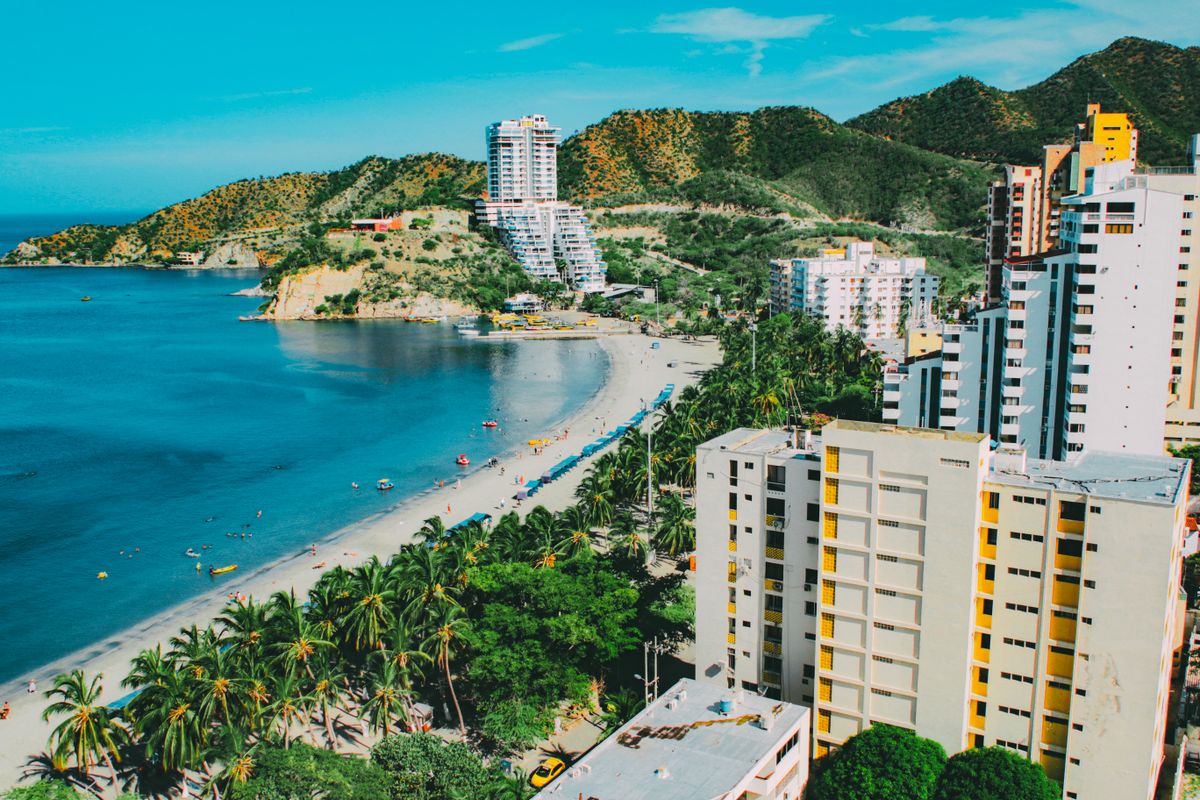
Most European Blue Flag beaches close for winter. These three destinations stay open, and warm. Here is where to find certified beaches with swimmable water in December, January, and February.
 Planning Guides
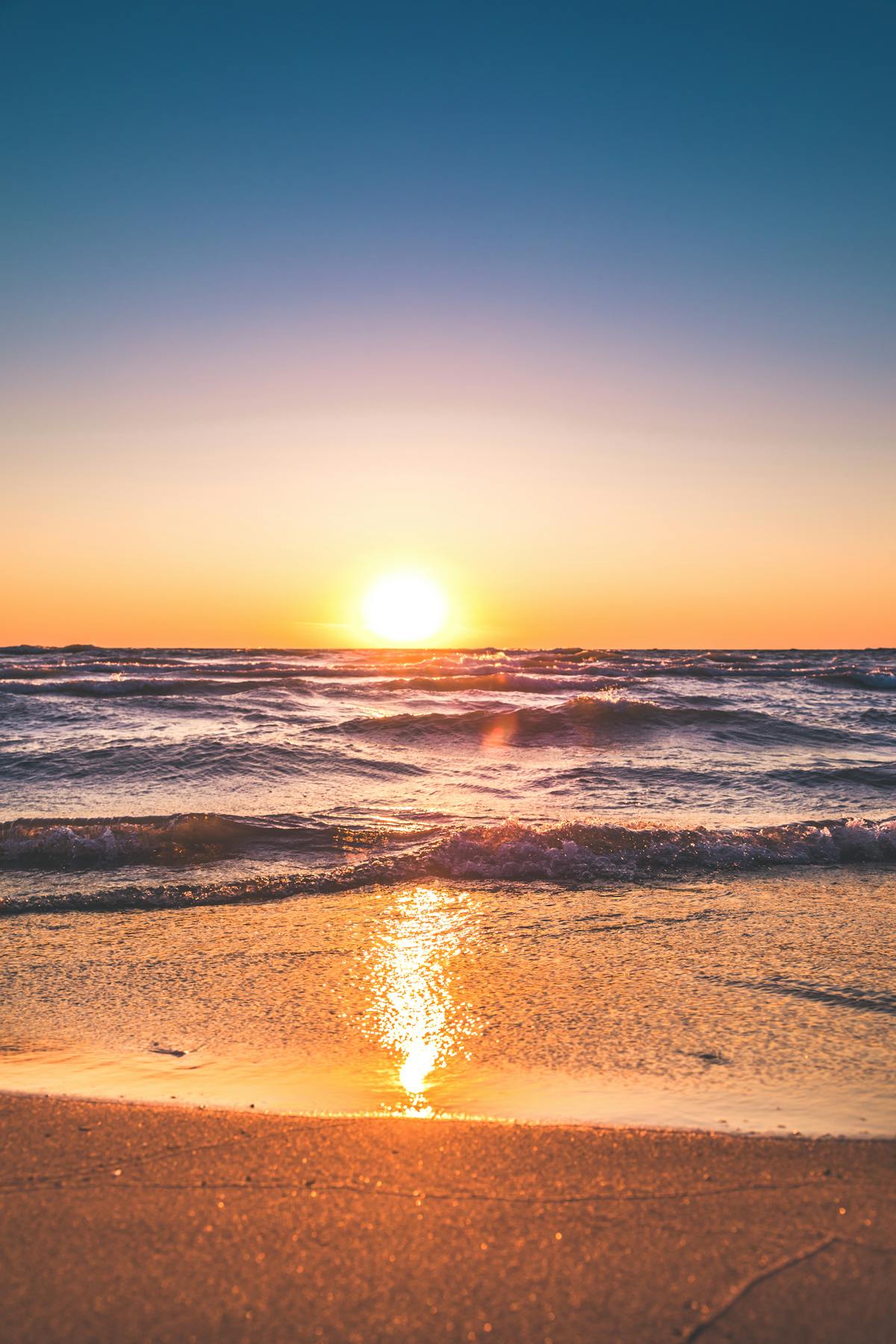
Most beach guides tell you where to go. This one tells you when and where crowds are lowest, using 12 months of crowd data across 5,000+ certified beaches. Here's where to find space on the sand without sacrificing water quality.
 Destination Guides
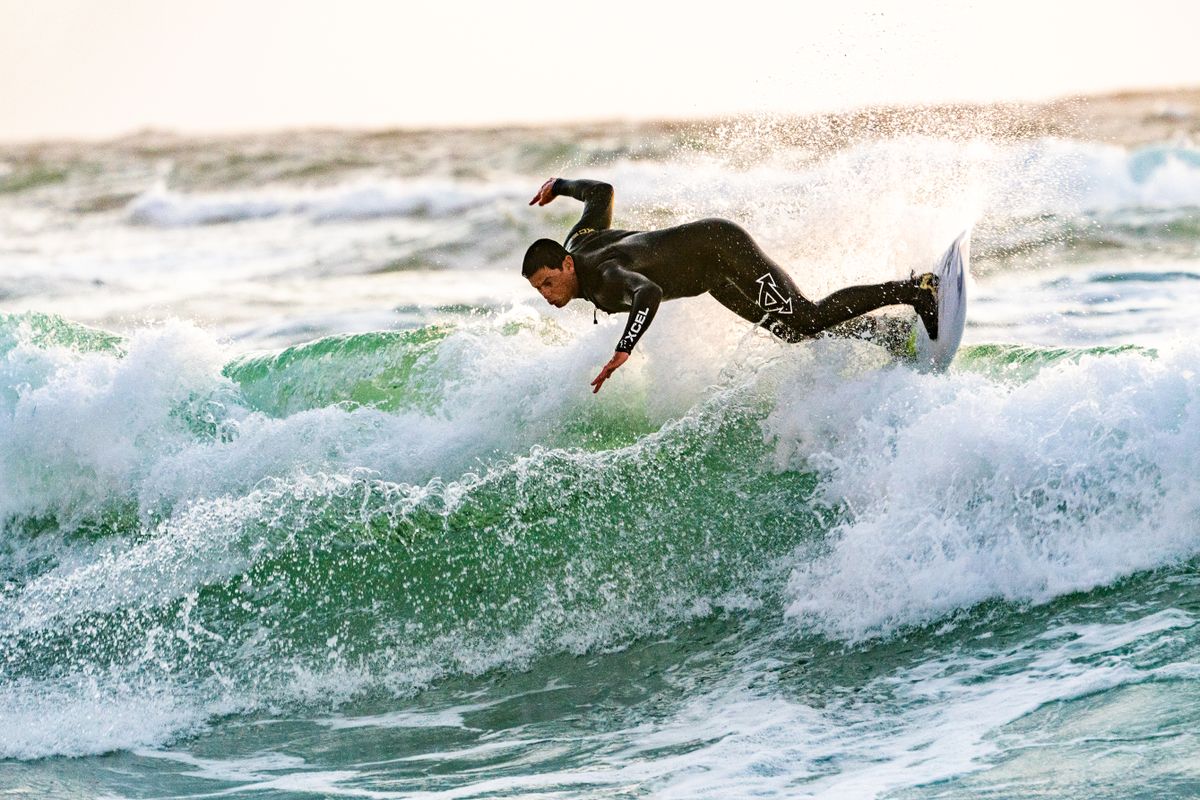
Portugal has 19 Blue Flag certified surf beaches along its Atlantic coast, from the big-wave reef breaks near Nazaré to the beginner-friendly beach breaks of the Algarve. Here is the complete breakdown by region and surf level.
 Destination Guides
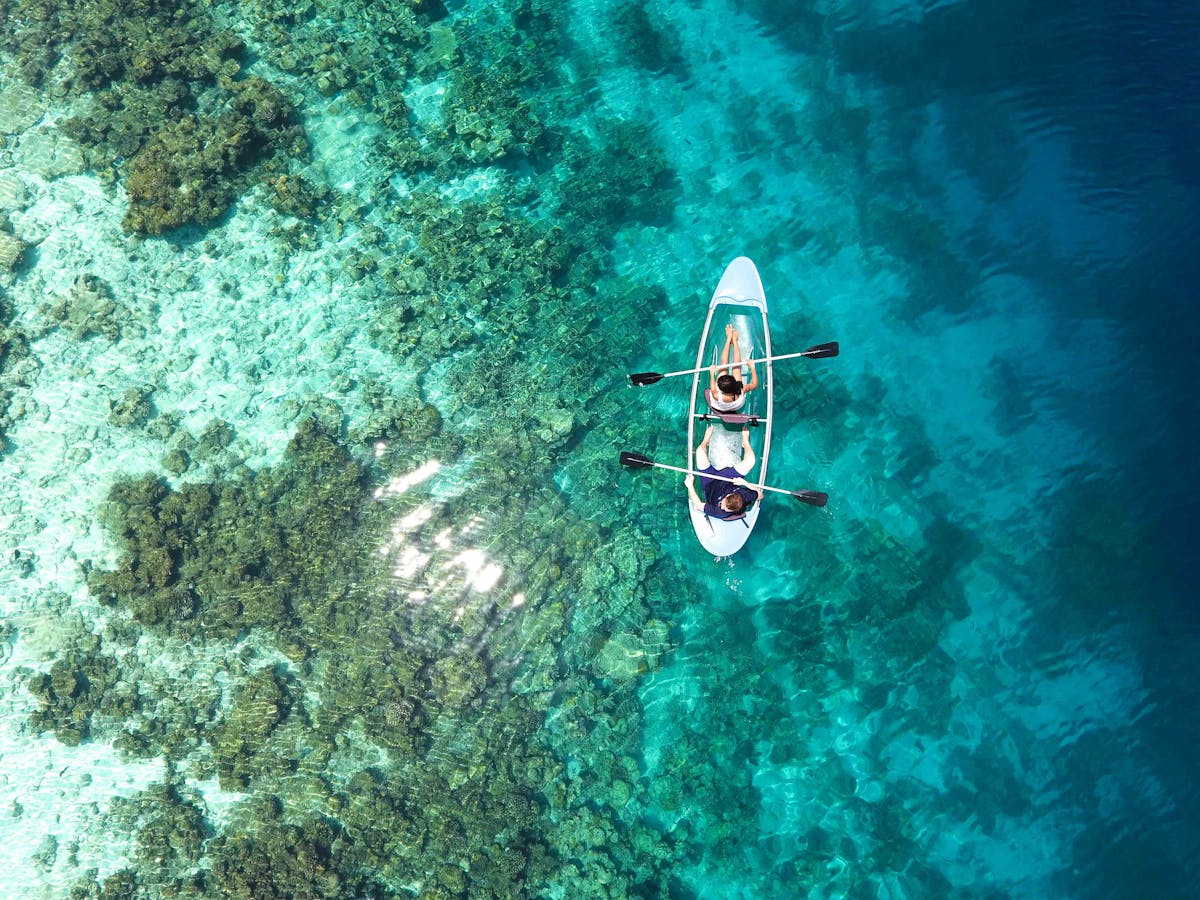
Atlantic Spain has 31 Blue Flag certified surf beaches across Galicia, Asturias, and Cantabria, completely different from the Mediterranean coast. Green hills, powerful swells, empty beaches, and excellent water quality. Here is the complete regional guide.
 Activities & Experiences
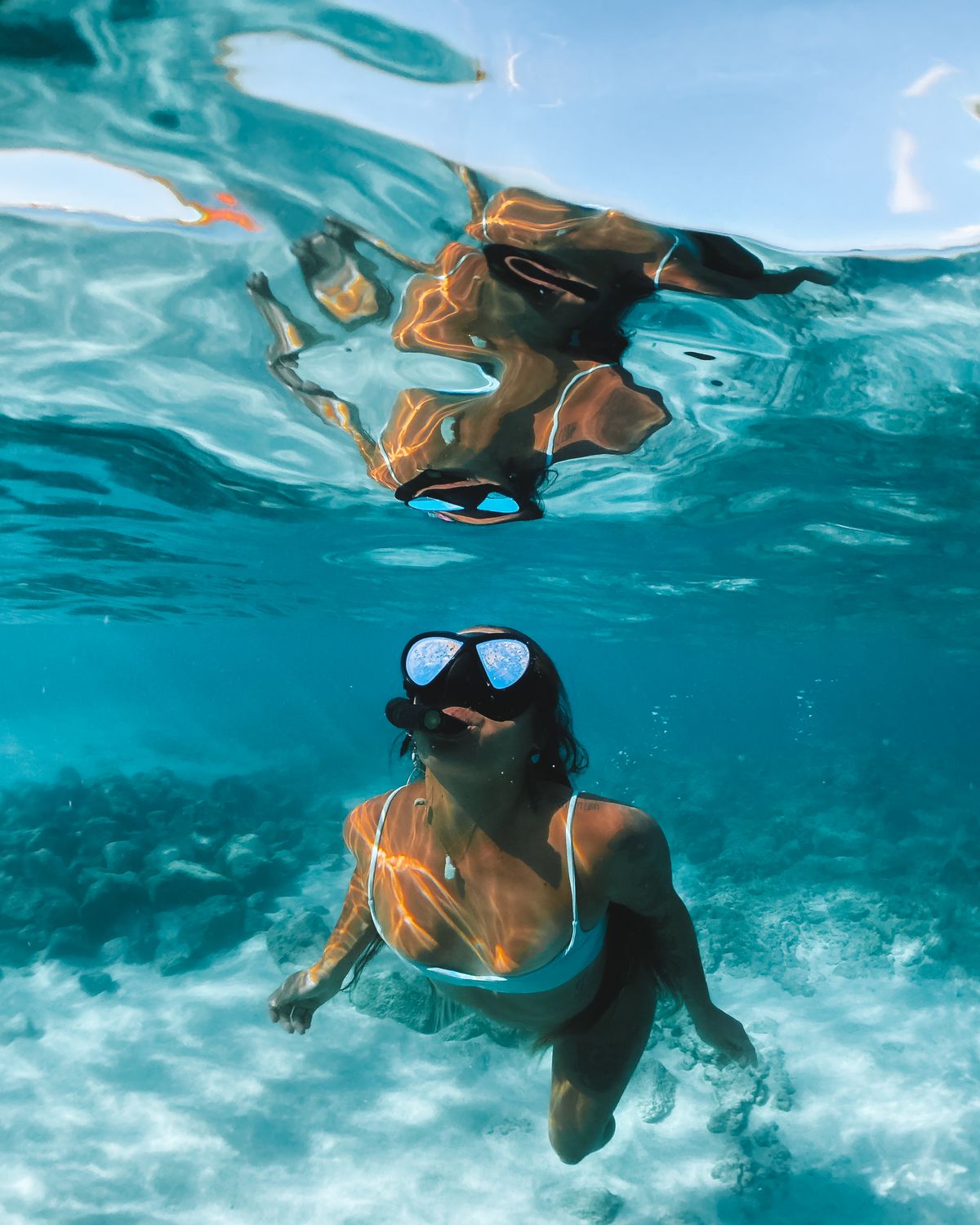
Blue Flag water quality certification means independently tested clear water, exactly what snorkelers need. This guide identifies the best certified snorkeling beaches in Greece, Croatia, Spain, Italy, and Cyprus, with honest notes on visibility and marine life.
 Destination Guides
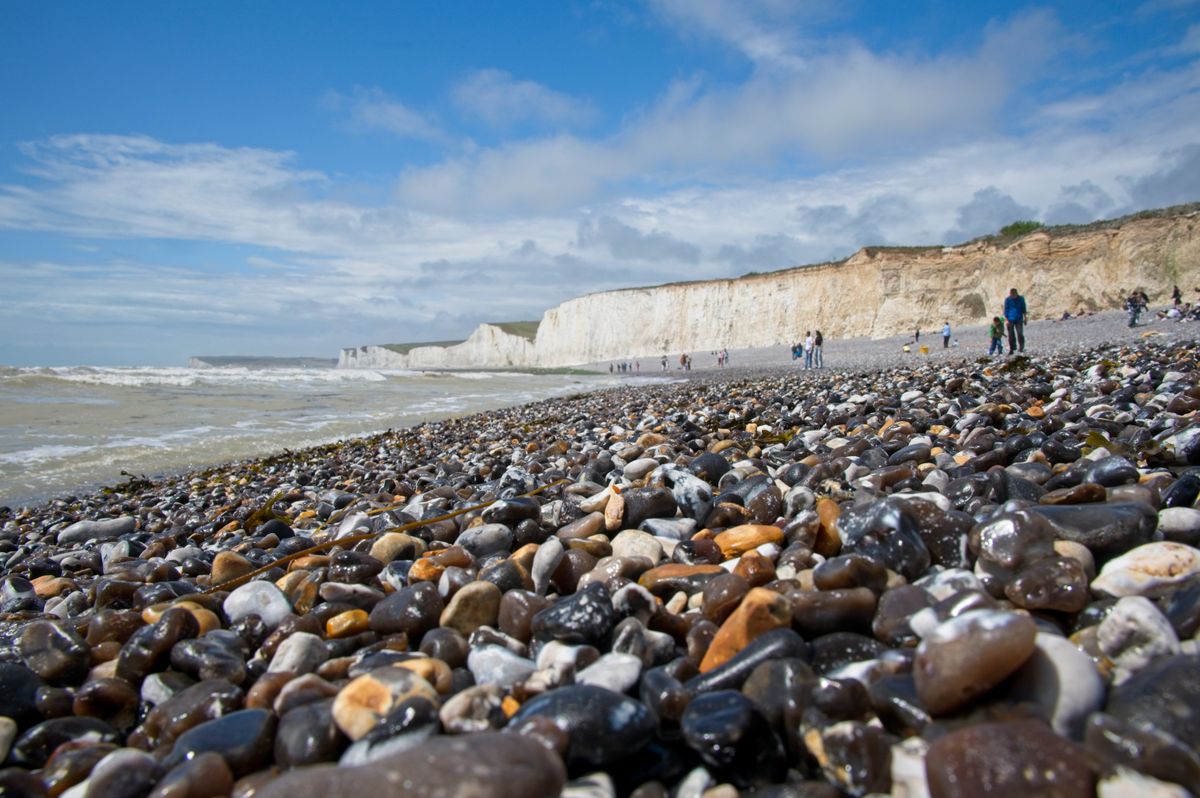
There are no Blue Flag beaches in London. The nearest certified beaches are 60–120 minutes away by train, and several are genuinely excellent. This guide covers the best options by route, with exact travel times.
 Destination Guides
Denmark certifies more beaches than Croatia, Ireland, and the Netherlands combined, yet barely appears in beach travel coverage. The reason reveals something interesting about how Nordic countries approach environmental standards.
 Destination Guides
Germany's 36 Blue Flag beaches split between two seas that have almost nothing in common. The North Sea off Sylt is exposed, tidal, and cold. The Baltic off Rügen is calm, enclosed, and genuinely warm in summer. Understanding the difference changes where you go.
 Day Trips
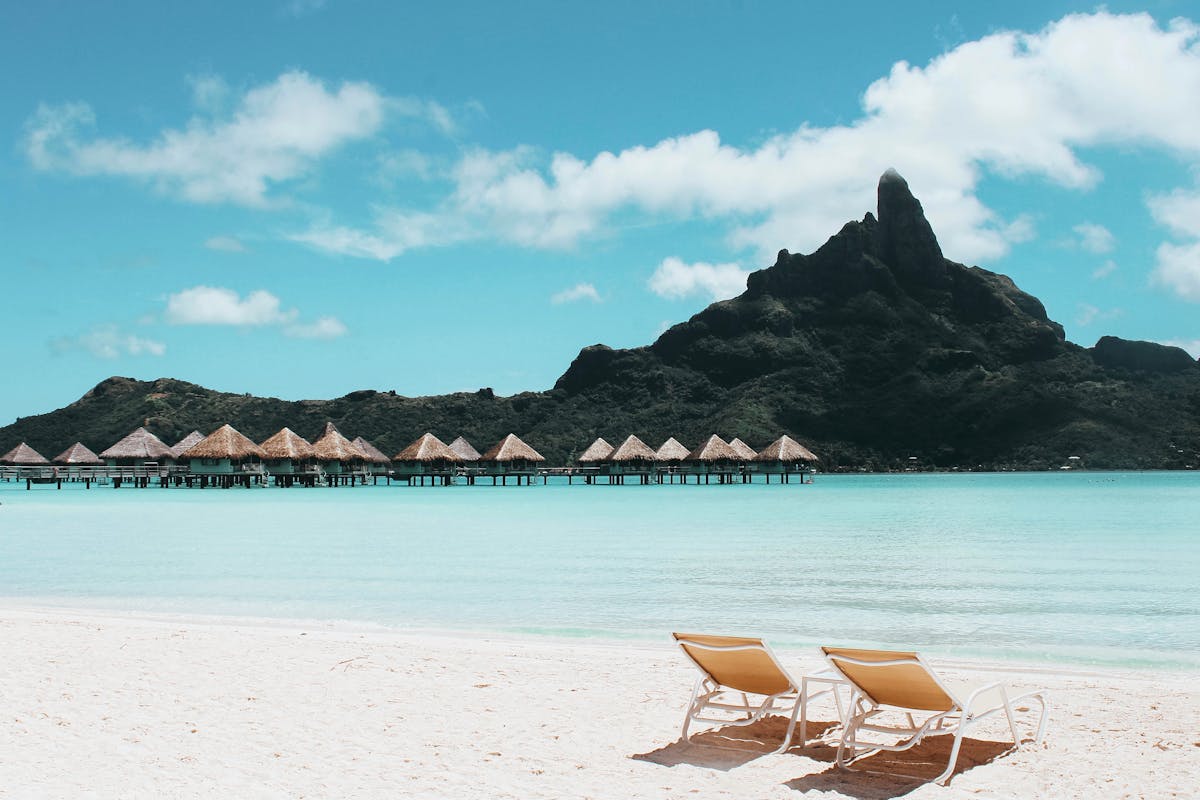
Málaga sits at the centre of one of Europe's densest concentrations of Blue Flag beaches. From the city's own Malagueta to Fuengirola and Marbella's Fontanilla, here are the certified beaches within striking distance, with water temperatures that reach 24°C by August.
Day Trips Lisbon has no Blue Flag beaches inside the city. The certified ones begin 30 minutes away by train, a string of Excellent-rated Atlantic beaches stretching from Estoril to Cascais. Here is exactly which beaches hold the flag and how to reach them.
 Day Trips
Athens is one of the few major European capitals with Blue Flag beaches reachable by public transport. Glyfada, Voula, and Vouliagmeni are 17–25 kilometres from the city centre, all with Excellent water quality and water temperatures above 25°C in summer.
 Day Trips
Nice, Cannes, and Antibes together offer more than 20 Blue Flag certified beaches within 35km, all assessed under EU Bathing Water standards, all holding "Excellent" ratings. Here's how they compare, and which ones avoid the peak July crowds.
 Day Trips
Dublin has Blue Flag beaches within 30 minutes of the city centre. The water is cold (13–14°C in July is honest, not promotional) but the water quality ratings are Excellent, the scenery is good, and Portmarnock and Brittas Bay are genuinely worth the trip.
 Practical Guides
Most Spanish Blue Flag beaches ban dogs between June and September. The rules are set by municipalities, not by Blue Flag, which means they vary significantly between the Costa del Sol, Catalonia, and the Canary Islands. Here's how to find out before you go.
Analysis Greece ranks second globally for Blue Flag certified beaches. The number is real, but it requires context. This is about why Greece does well on water quality metrics, how FEE certification works within the Greek island system, and what 607 beaches actually means for the swimmer.
 Analysis
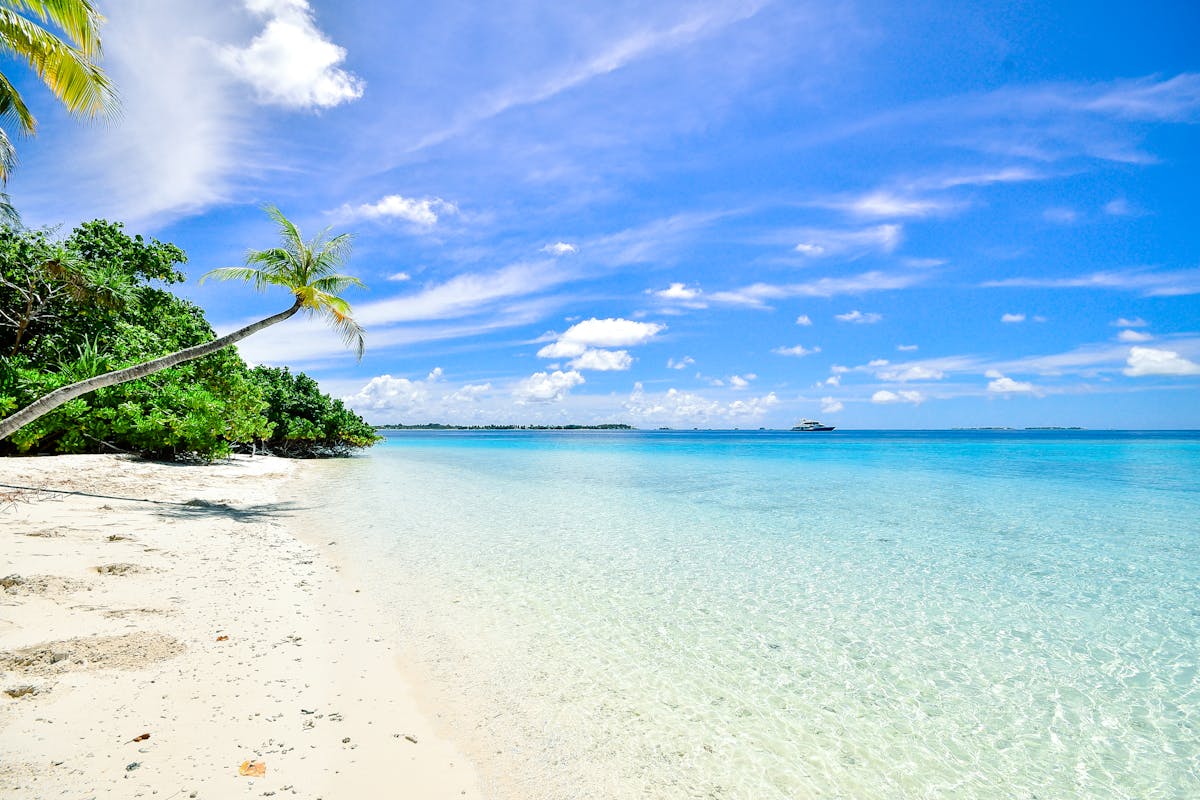
The Aegean averages 24°C in July. The Atlantic averages 16.9°C. Both have excellent water quality. These two sea bodies produce very different beach experiences, here's what the data shows and how to choose based on what you actually want from a trip.
 Guides
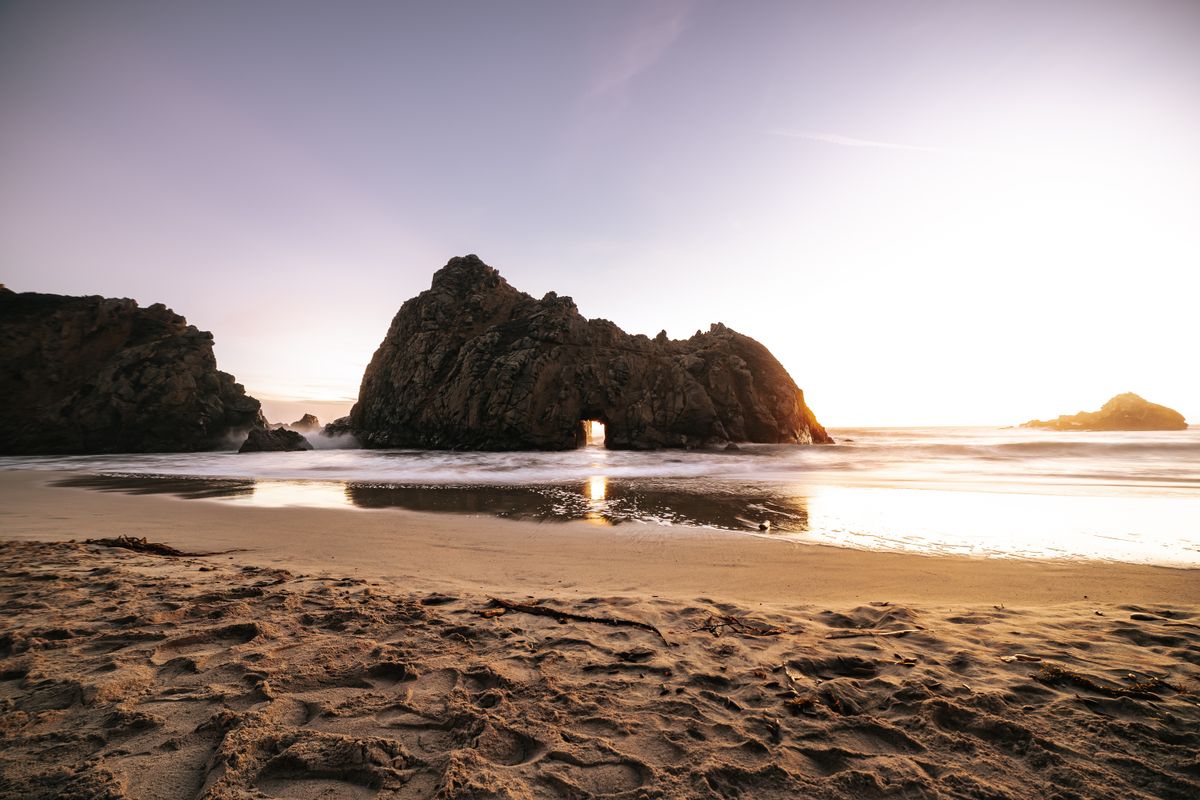
There are no Blue Flag beaches in Barcelona city itself. The certified beaches are 15-60 minutes away. Here's which ones hold the flag and how to get there from the city.
 Guides
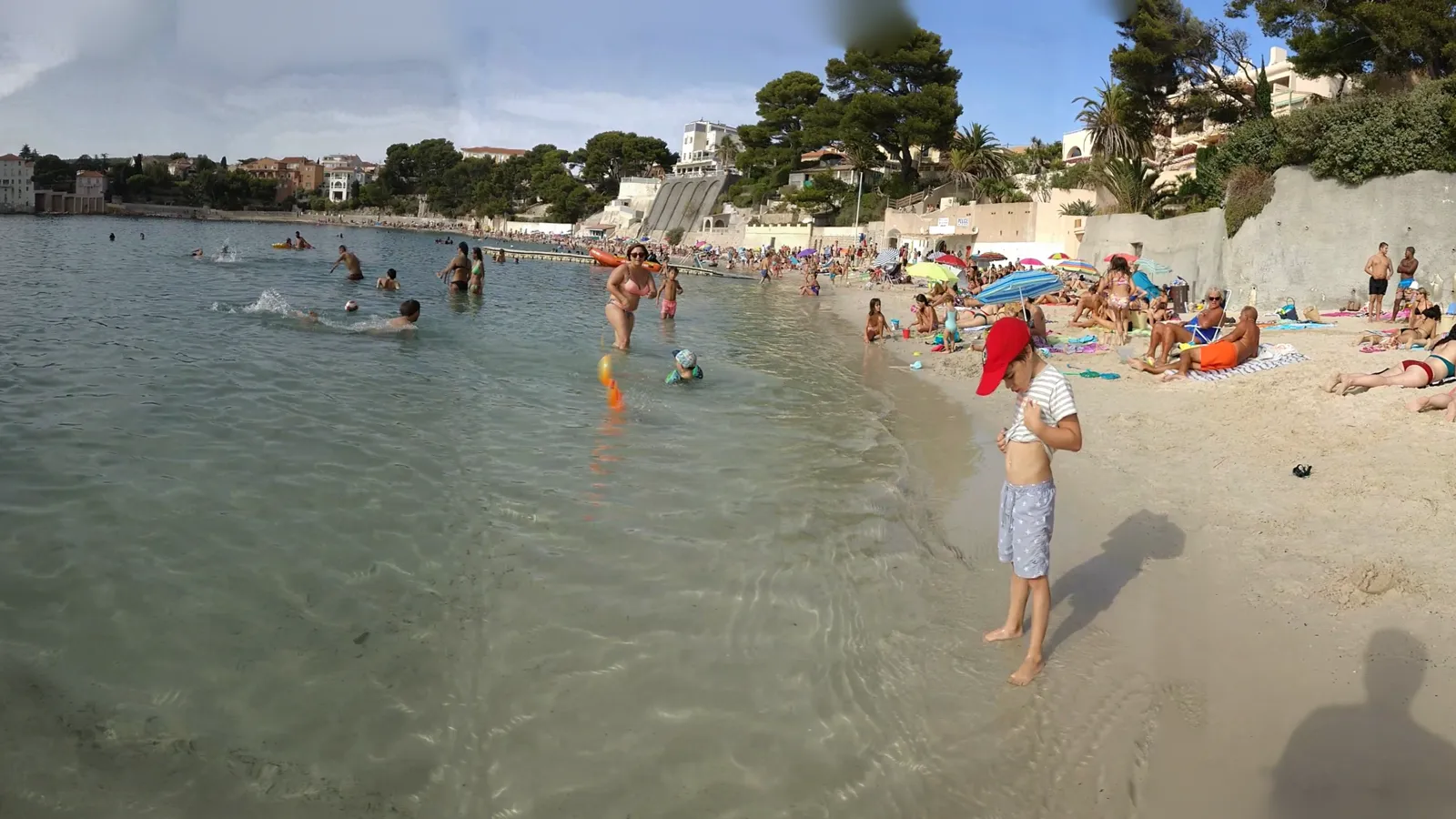
What to do in Bandol, Sanary-sur-Mer and Saint-Cyr-sur-Mer: the port, Bandol wine, coastal path, Les Lecques, boats, trains and naturism rules.
 Guides
Cruz Roja adapted bathing and Blue Flag beaches in Spain that list wheelchair access, with lifeguards, toilets, parking and the 2025 water class.
 Guides
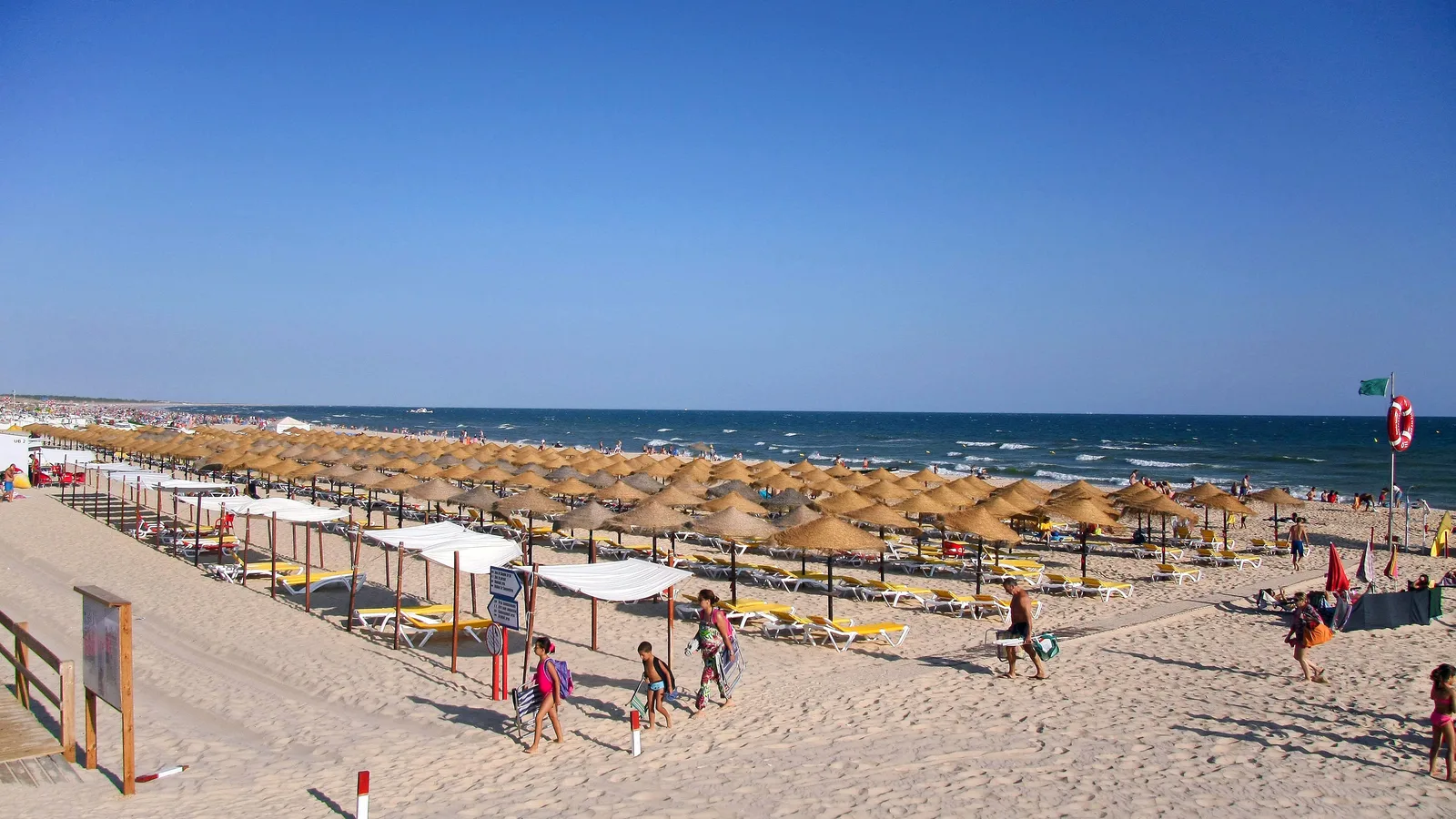
2026 Praia Acessível beaches that also hold a Blue Flag, with paths, toilets, lifeguards and which ones sit near Faro, Lisbon or Porto.
 Guides
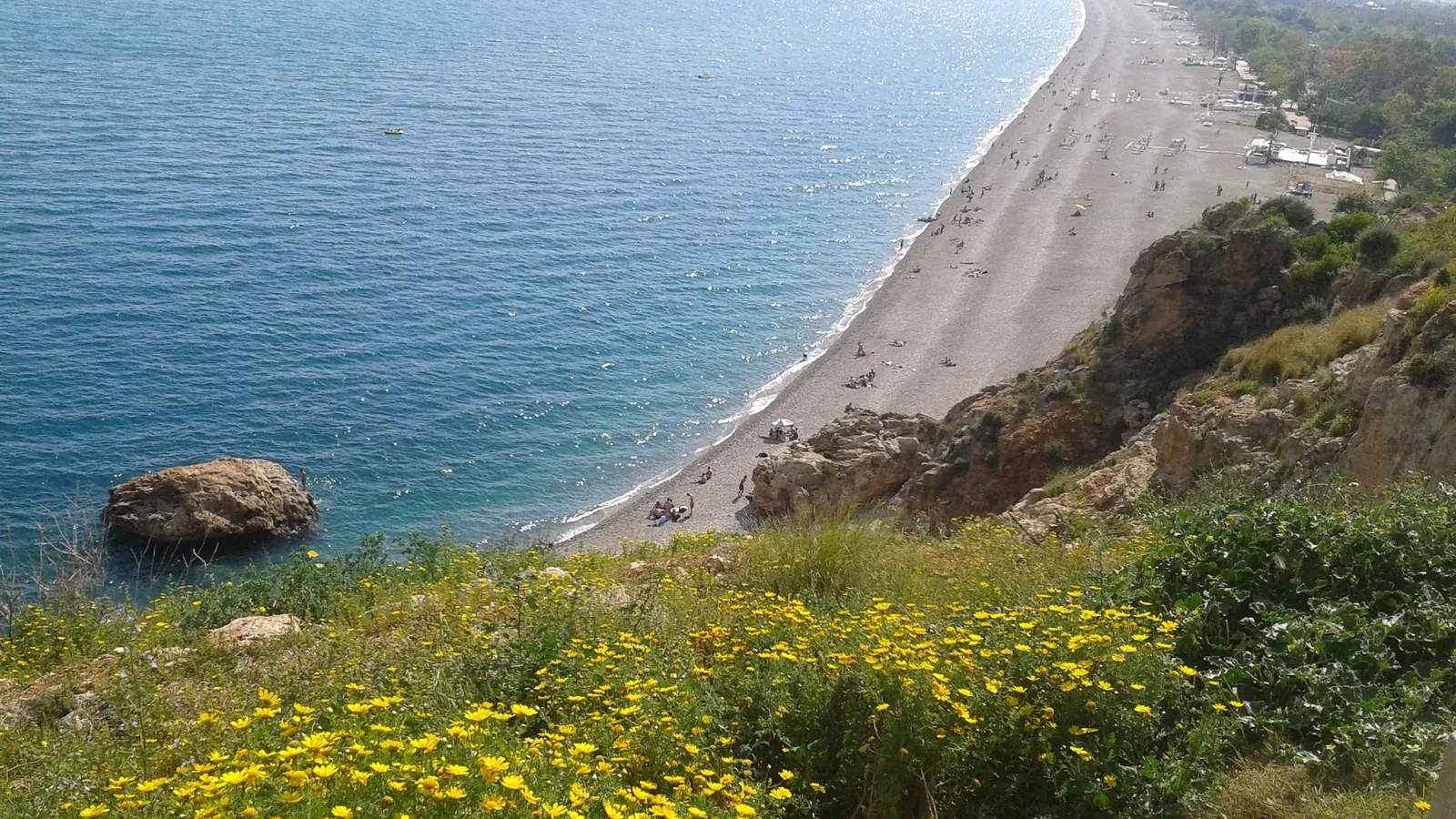
Konyaaltı and Lara from Antalya Airport: municipal buses, the AntRay tram, free public entry, and what is not a lounger price.