A Blue Flag beach is a controlled environment. Every sign, every flag, and every posted notice exists because the certification programme requires it, and each one tells you something specific about the state of the beach you're standing on. A two-minute scan on arrival tells you more than any travel review could.
The Blue Flag Itself
The most obvious thing to locate is the flag that gives the programme its name. A certified beach flies the official Blue Flag on a dedicated mast, typically at the main access point, lifeguard station, or information area. It's a solid royal blue square with the official programme logo in white: a stylised wave inside a circle.
The flag must be the current season's award. A beach that lost certification or chose not to reapply will not fly it. The flag's absence is as meaningful as its presence. If you can't find a Blue Flag mast but believe the beach is certified, the only authoritative verification is the FEE's official database, any other listing, including travel aggregators, may be out of date.
Blue Flag certification is granted each season, not once and for all. A beach certified in 2024 may not hold the flag in 2026. Before visiting any certified beach, verify the current season's status. The official FEE beach list is updated each spring.
The Warning Flag Colour System
Alongside the Blue Flag, every certified beach must fly at least one warning flag showing current bathing conditions. This is a mandatory certification criterion, not optional. The system uses four colours, updated by lifeguards based on real-time conditions.
Green flag. Safe to bathe. Conditions are calm and suitable for all swimmers. No hazards identified.
Yellow flag. Caution required. Moderate risk conditions: stronger currents, increasing swell, reduced visibility, or other factors that require attention. Swimming is permitted but swimmers should stay close to shore and follow lifeguard instruction.
Red flag. Bathing prohibited. Dangerous conditions: strong currents, hazardous waves, or other risks that make swimming unsafe. Even experienced swimmers should not enter the water. Lifeguards will actively enforce this on Blue Flag beaches.
Purple flag (or yellow and blue divided flag). Marine animal hazard. Jellyfish, Portuguese man-of-war, sea urchins, or other organisms present in dangerous concentrations. The beach remains open but swimmers should exercise caution or avoid the water.
Mandatory Information Boards
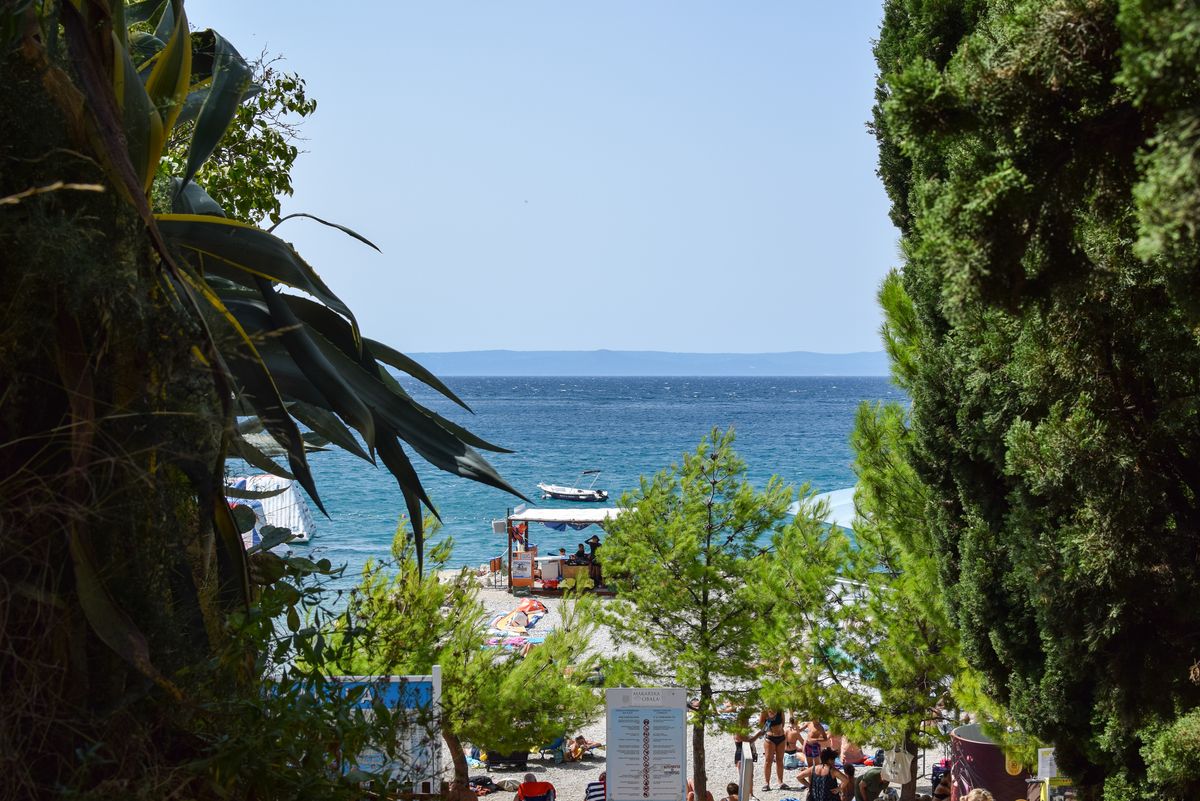
One of Blue Flag's requirements is that water quality data and beach information are posted publicly. This is not optional. Every certified beach must display at minimum: current bathing water quality results from the season's testing programme, a map of the beach and surrounding area, emergency contact numbers, information about the local ecosystem and any protected areas, and public transport access information.
This board is usually at the main entrance or near the lifeguard post. On Spanish and Portuguese beaches these boards are typically large, multilingual, and well-maintained. On smaller Greek island beaches the equivalent information may be more minimal, but it must still be present to hold certification.
Safety Equipment to Locate on Arrival
Before entering the water at any beach, it takes less than two minutes to locate the safety infrastructure that Blue Flag certification requires to be present. Find the lifeguard post, there must be a trained lifeguard on duty during designated bathing hours. Find the first aid equipment, typically in or near the lifeguard station. Note the location of emergency contact numbers posted on the information board. On Croatian and Italian Blue Flag beaches, the lifeguard station usually has the warning flag system built in, the active flag colour changes throughout the day as conditions shift.
What the Water Quality Data Actually Means
The data posted on Blue Flag information boards comes from a regulated testing programme. Samples are collected at multiple points in the bathing zone, sent to accredited laboratories, and measured for two bacterial indicators: intestinal enterococci (the primary measure for seawater) and E. coli. The result is classified on a four-tier scale: Excellent, Good, Sufficient, or Poor.
Blue Flag requires "Excellent", the highest tier. A beach that falls to "Good" in any season loses its Blue Flag eligibility for that season. The threshold is calculated on a rolling four-year dataset using a 95th-percentile method, which means a single bad sample doesn't immediately disqualify a beach, but a sustained pattern of elevated bacteria will.