Blue Flag Beaches in Portugal
Complete guide to all 400 Blue Flag certified beaches across Portugal, independently assessed, annually renewed. Known locally as Bandeira Azul.
Blue Flag Beaches in Portugal: Overview
Portugal is home to 400 Blue Flag certified beaches, among the finest certified coastal destinations in Europe. The Blue Flag programme, administered by the Foundation for Environmental Education (FEE), evaluates each beach annually across 33 criteria covering bathing water quality, environmental education, beach management, and safety services. Certification is not permanent: every beach must requalify each season.
Across Portugal, Blue Flag beaches span 17 distinct coastal regions from sheltered bays to open-ocean beaches. 74% of assessed sites hold EU Excellent water quality ratings, the highest classification under the EU Bathing Water Directive. Portugal's Algarve is consistently one of Europe's most award-dense coastal regions, with the warm southern orientation and high facility standards making it a perennial Blue Flag stronghold.
Blue Flag beaches that also hold the 2026 Praia Acessível award are set out in wheelchair-accessible Blue Flag beaches in Portugal.
Portugal's Blue Flag density: 22.2 certified beaches per 100 km of coastline (across a 1,793 km coastline). This places it among the most intensively certified coastlines in the world.
Water Quality
Bathing Water Quality in Portugal
The European Environment Agency tests every Blue Flag beach annually under the EU Bathing Water Directive, checking for E. coli and intestinal enterococci. All Blue Flag beaches must meet at least the Good standard to qualify, the data below reflects the 2024 season.
In 2024, 82.6% of Portugal's 673 monitored bathing waters achieved the EU Excellent rating, the highest classification under the Bathing Water Directive. This is down from 91.5% in 2019, a trend worth monitoring over the coming seasons. Source: European Environment Agency.
Coastline Overview
The Coasts of Portugal
Portugal's Blue Flag beaches are concentrated along two coastlines. The Atlantic-facing western coast (from the Minho in the north through Lisbon and down to the Alentejo) is characterised by powerful Atlantic swells, cooler water temperatures, and world-class surfing conditions. The Algarve in the south, with its more sheltered orientation and warmer waters, holds a particularly high density of certified beaches. The islands of Madeira and the Azores add further certified sites in distinct Atlantic island environments.
| Region | Beaches | Excellent Water | Lifeguarded |
|---|---|---|---|
| Faro | 73 | 89% | 30 |
| Porto | 51 | 92% | 16 |
| Lisbon | 37 | 92% | 22 |
| Setúbal | 31 | 68% | 13 |
| Coimbra | 30 | 30% | 9 |
| Leiria | 19 | 79% | 5 |
| Aveiro | 15 | 67% | 5 |
| Viana do Castelo | 11 | 82% | 6 |
Browse by Region
Coastal Regions of Portugal
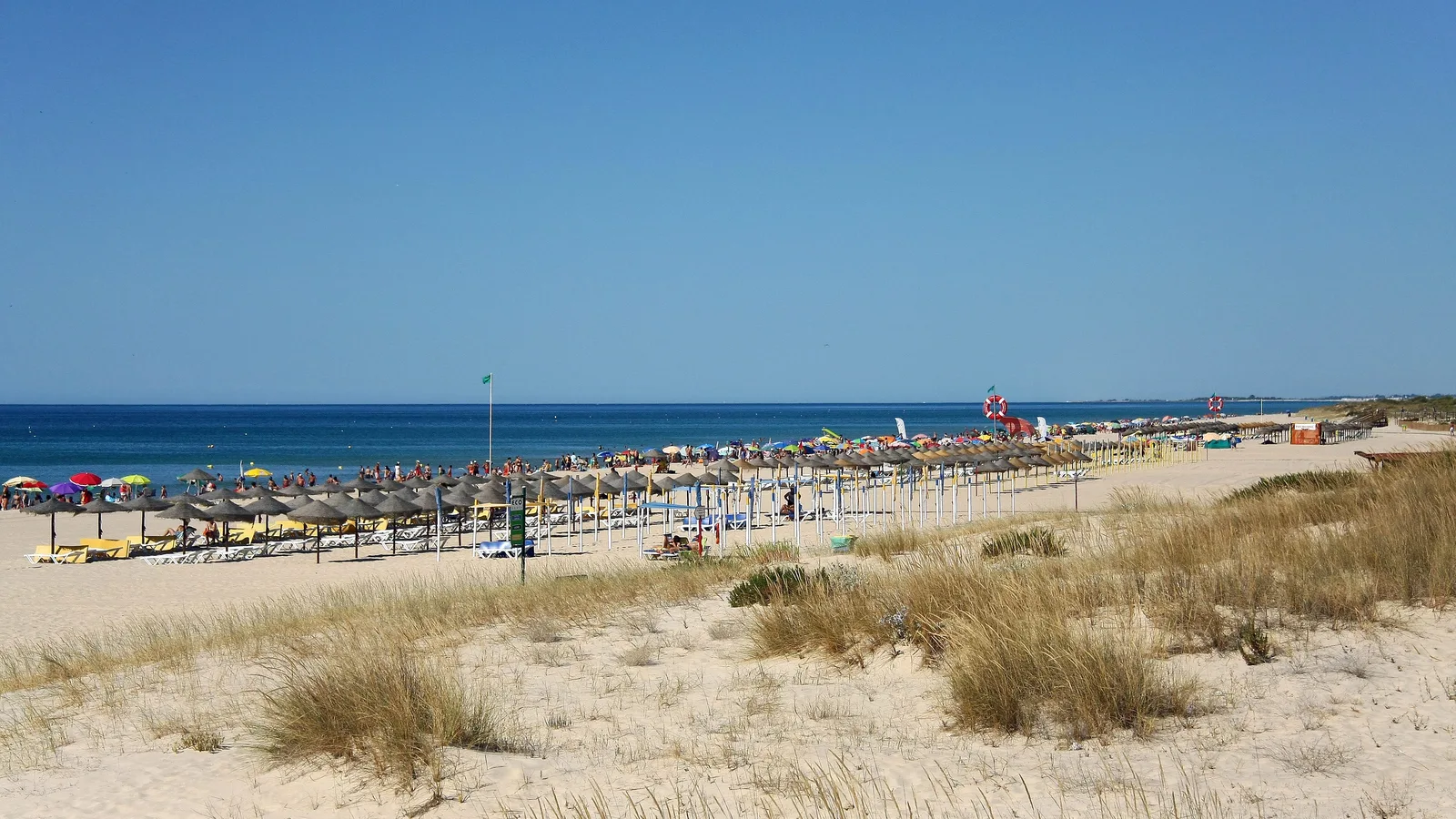
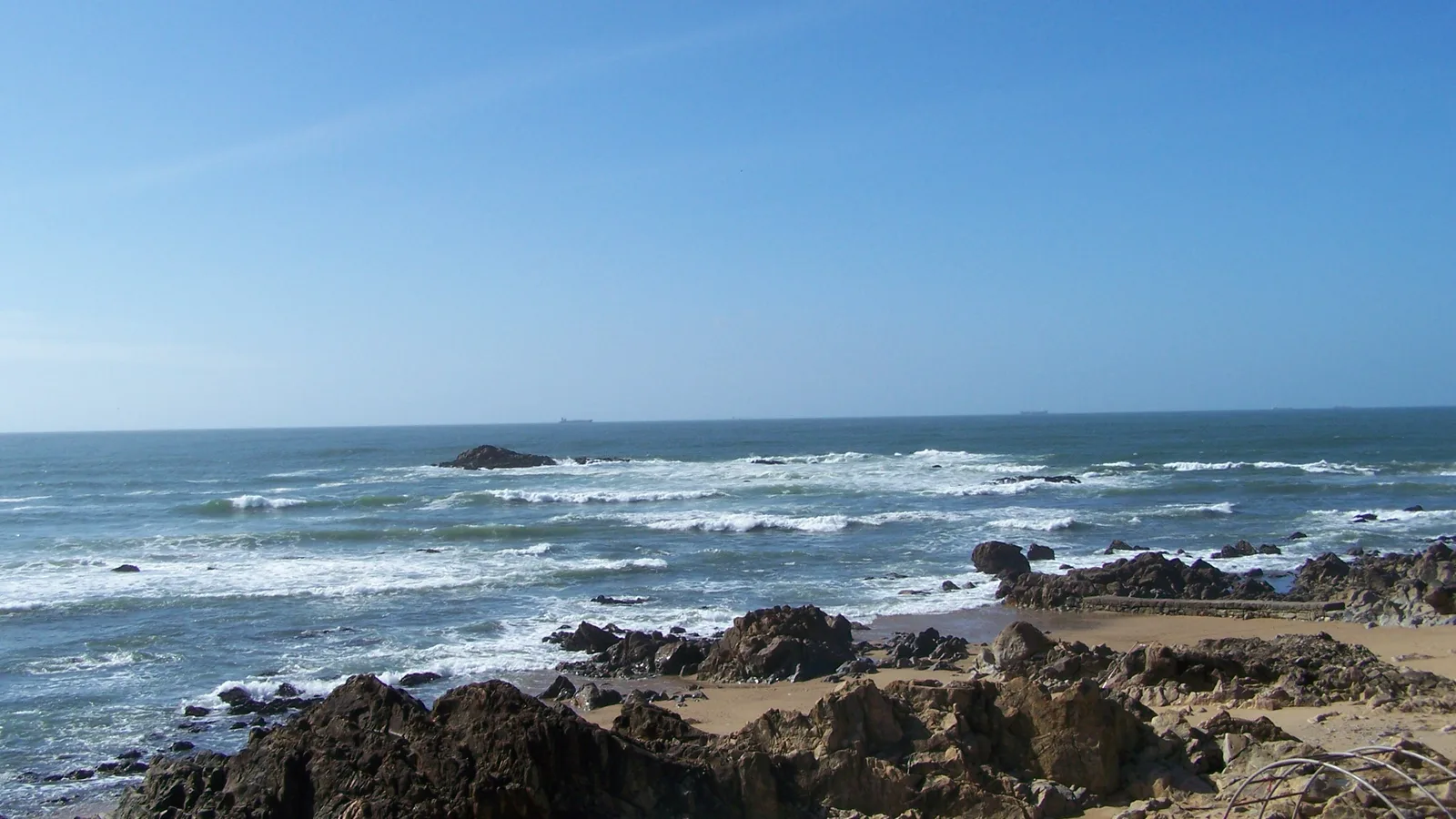
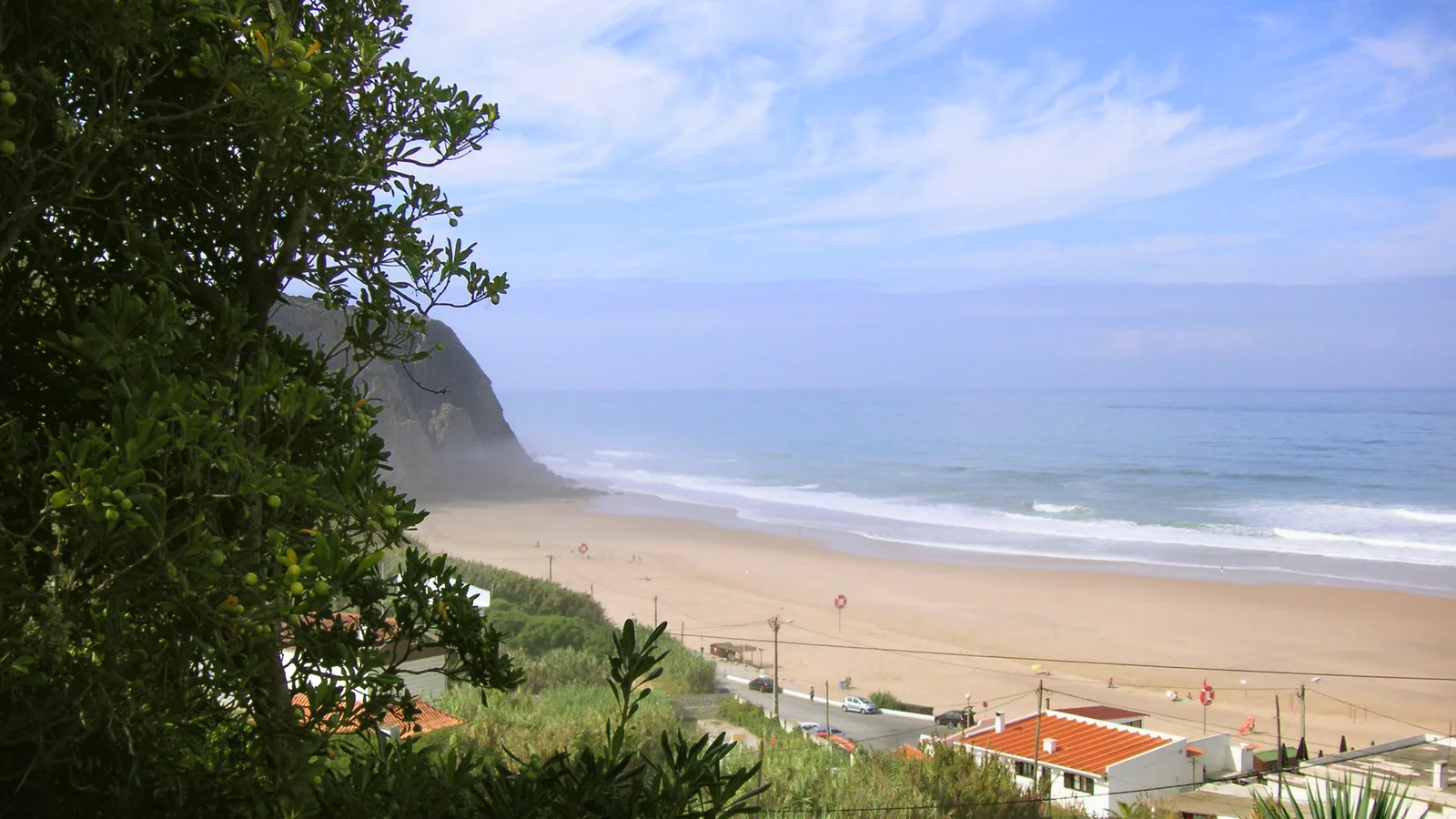
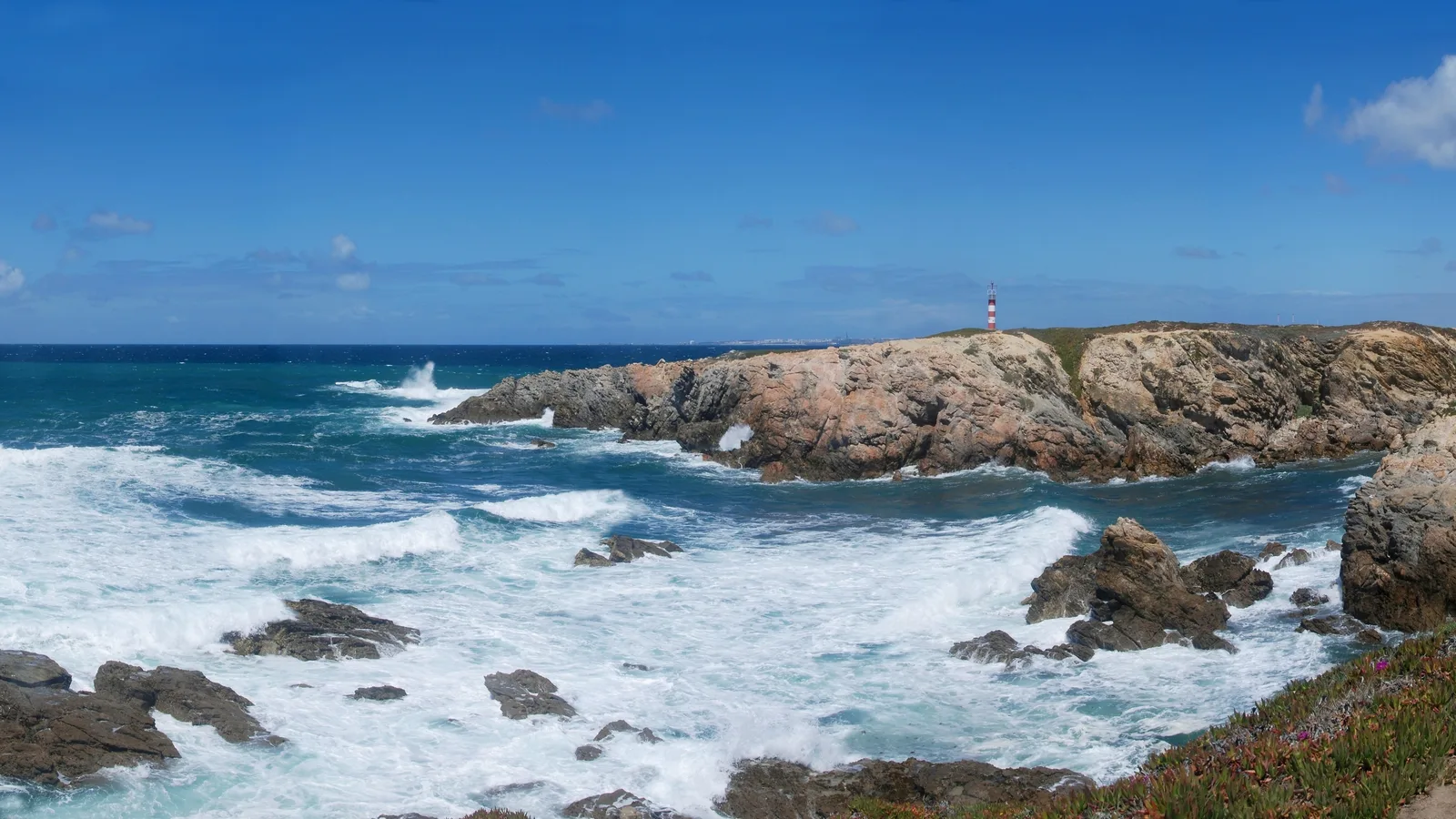
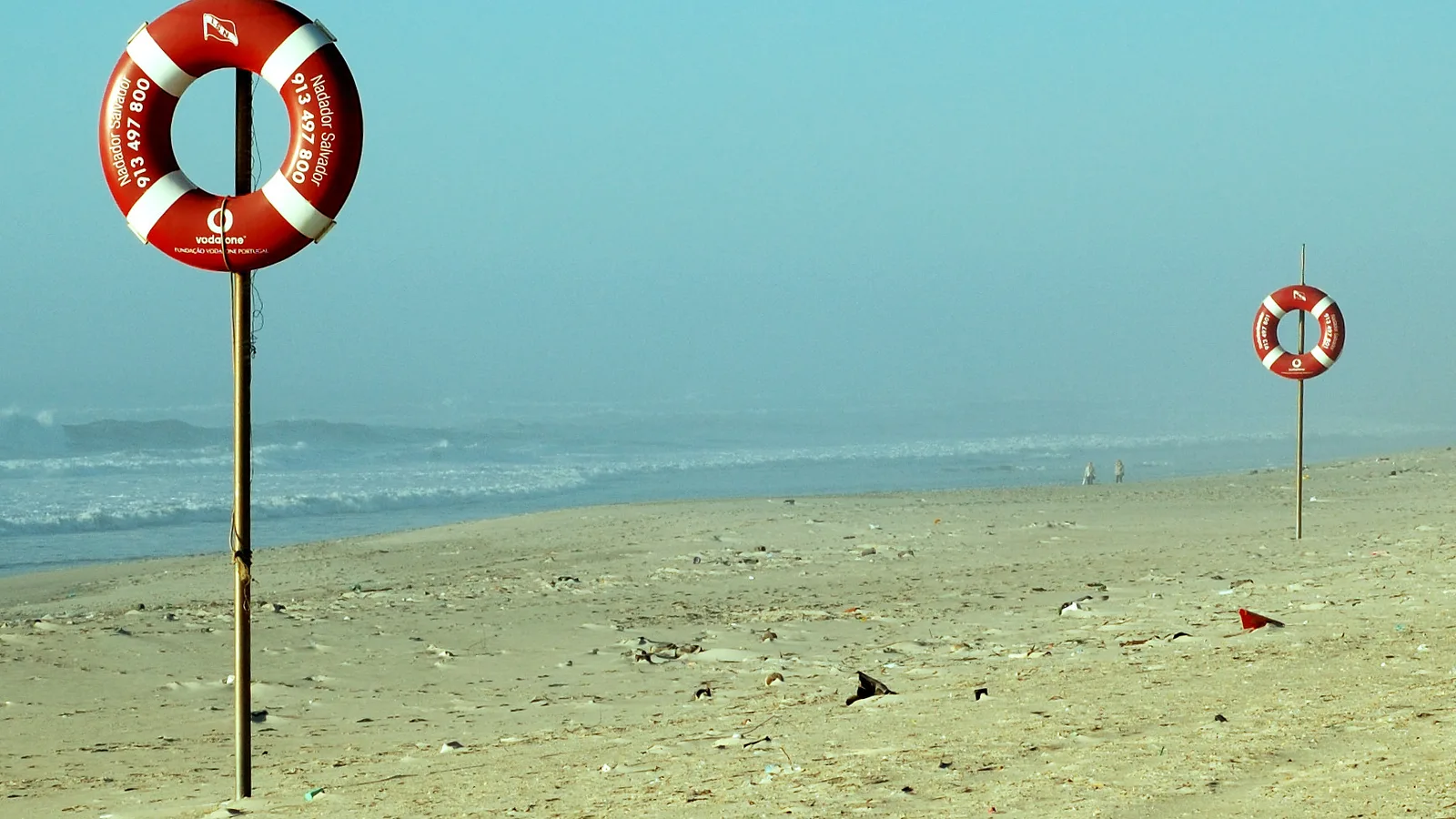
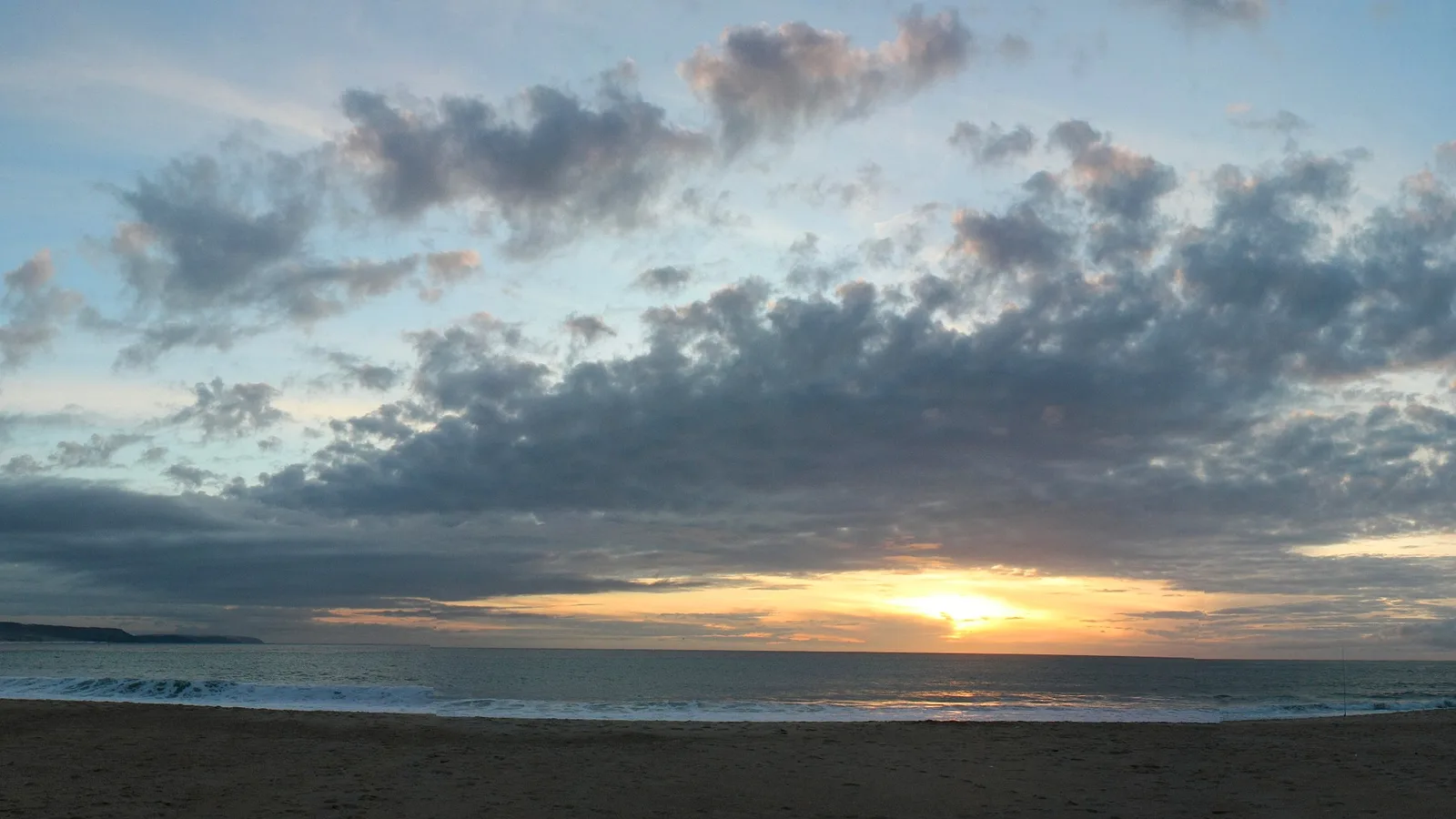
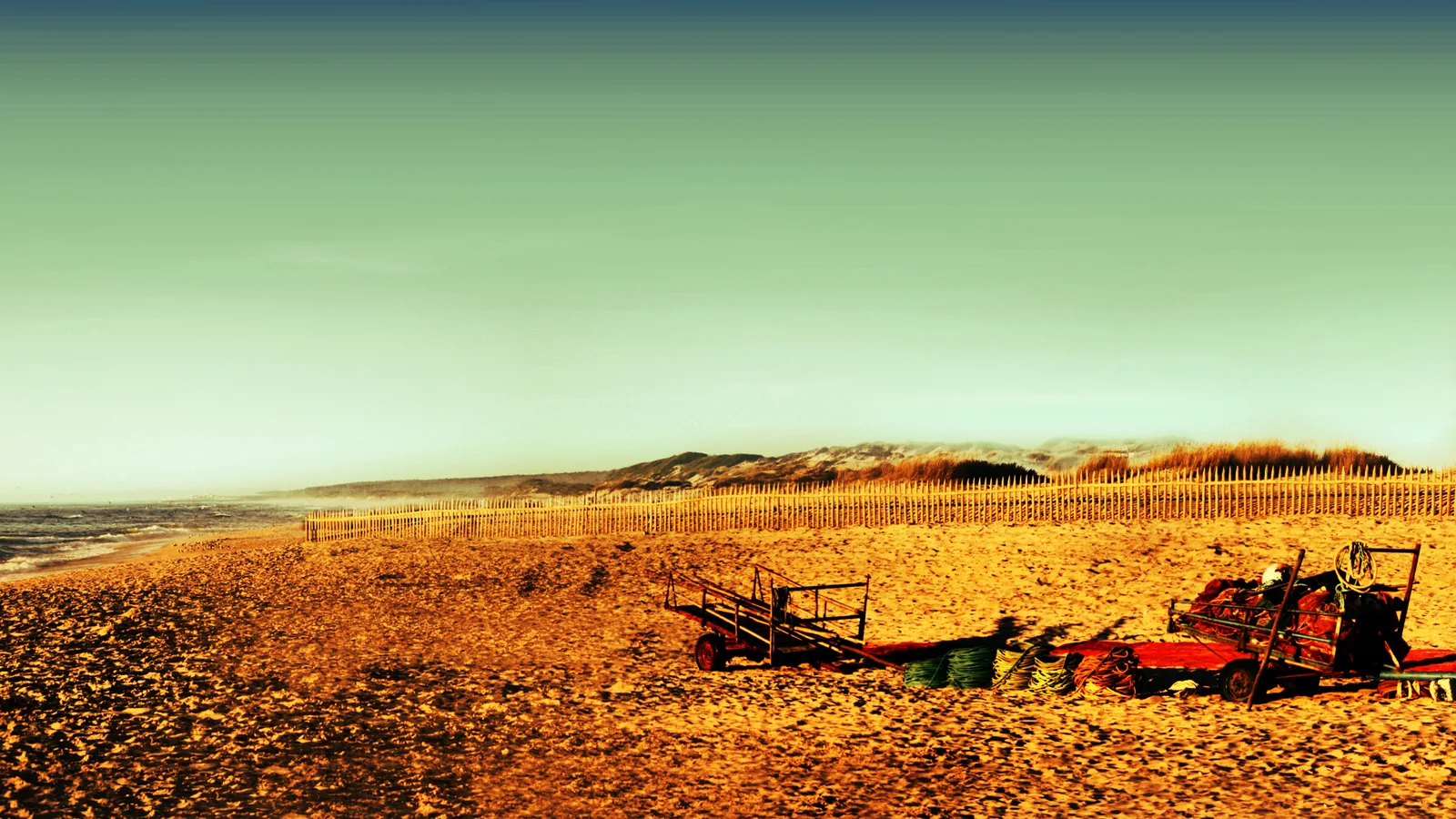
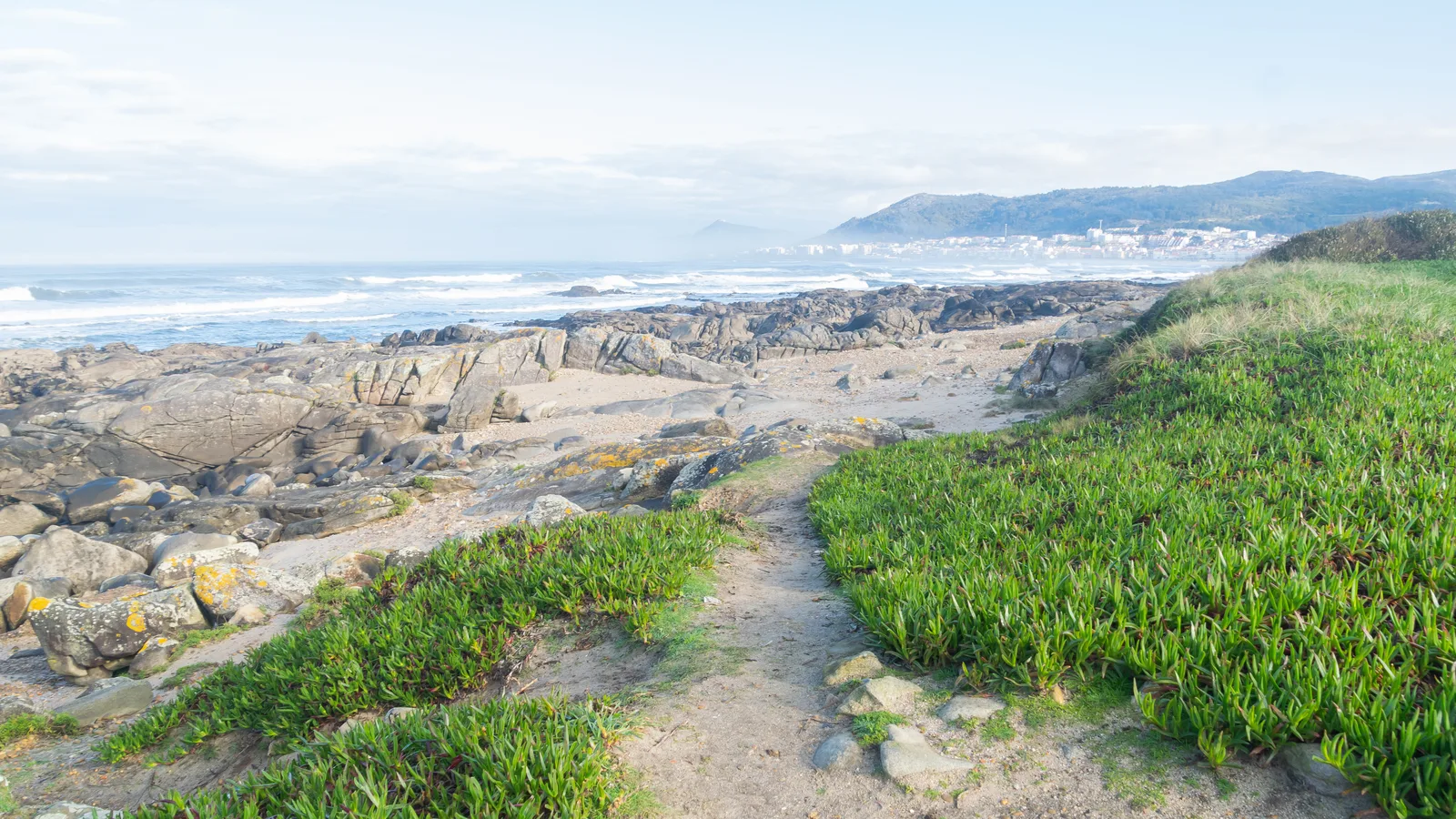
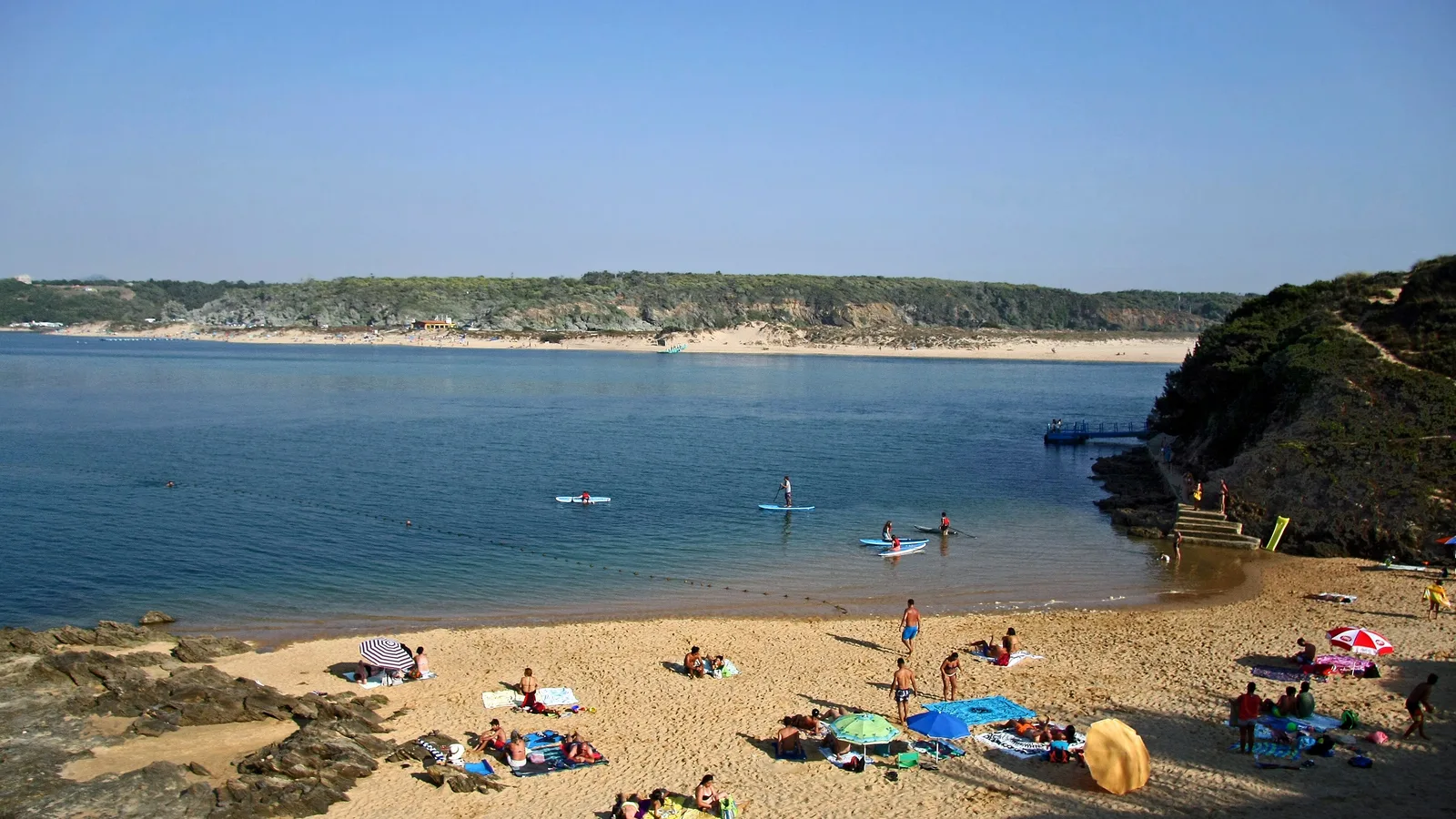
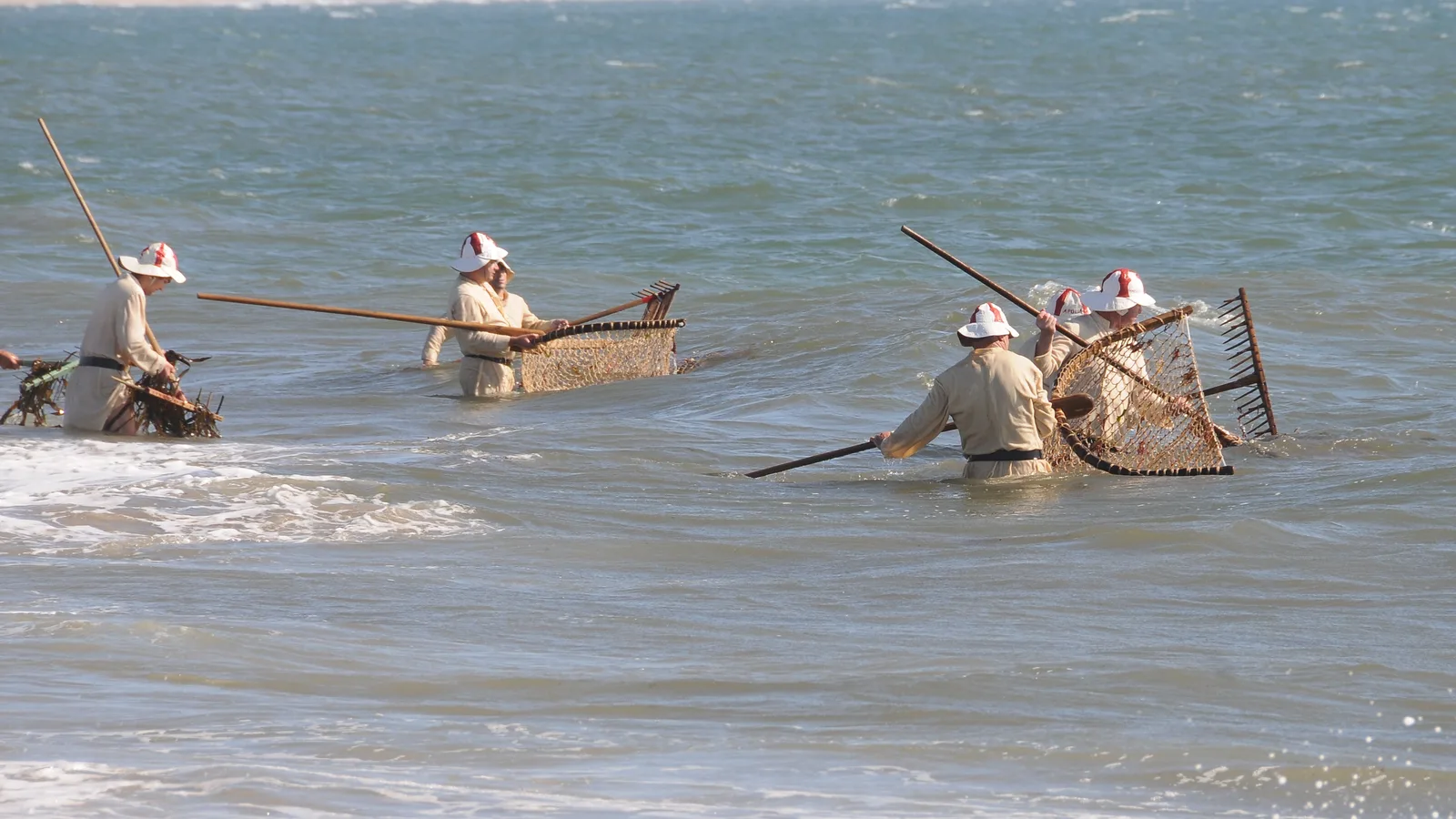
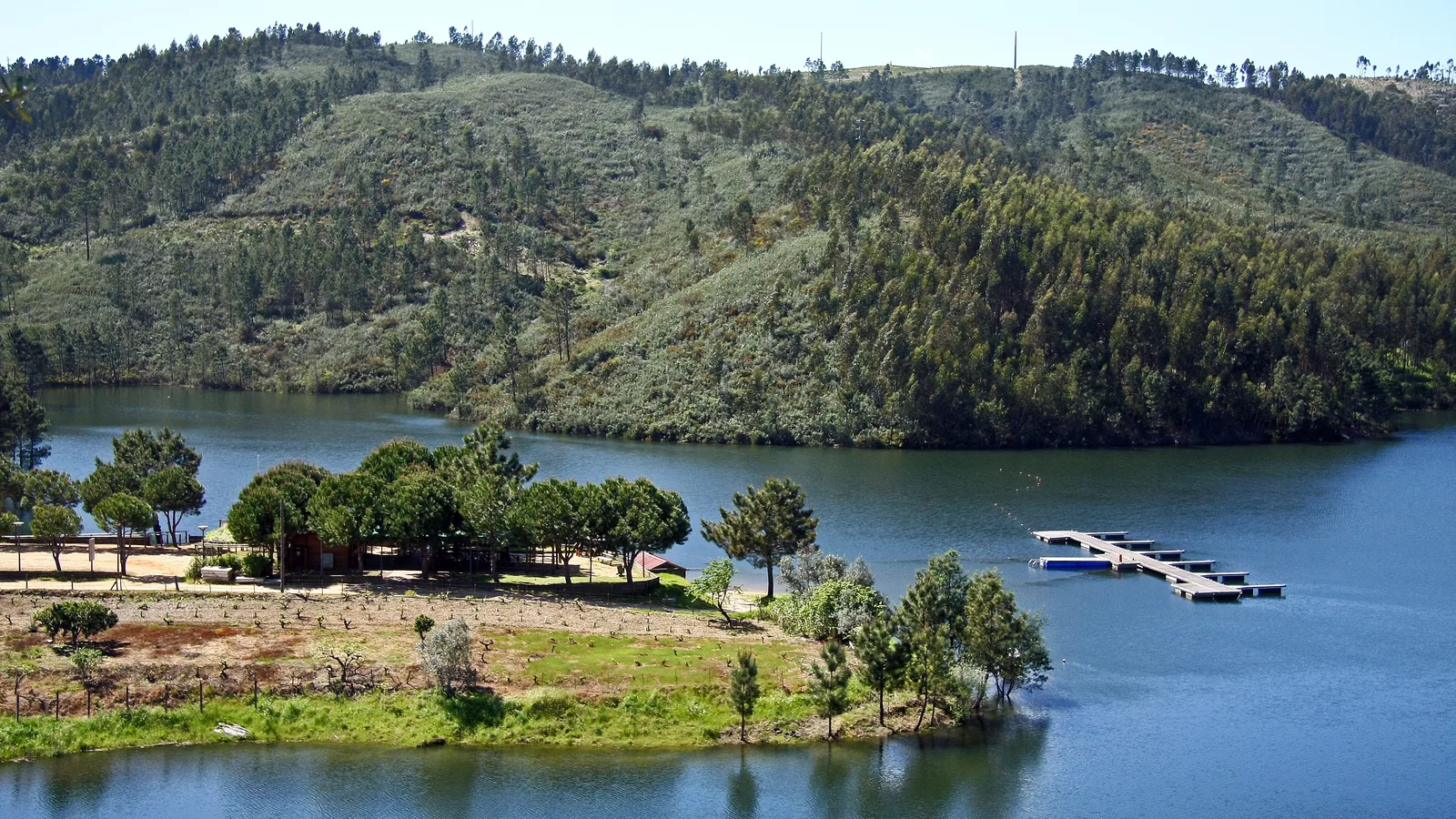
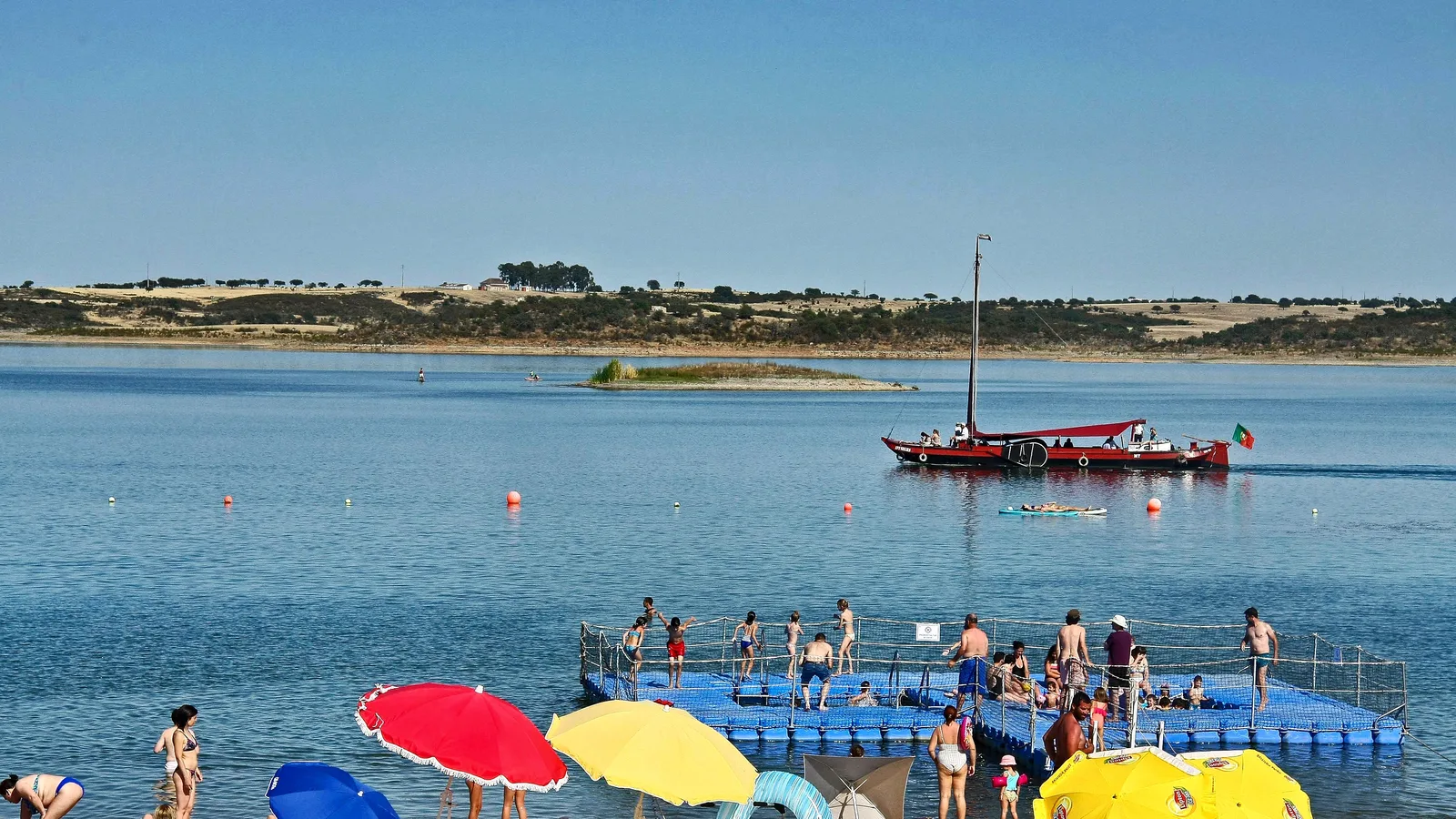
Portugal's 400 Blue Flag beaches are spread across 17 distinct coastal regions. Each region has its own character, from sheltered coves to open-ocean surf beaches. Use the guides below to find the right stretch of coast for your visit.

Seasonal Guide
When to Visit Blue Flag Beaches in Portugal
Timing your visit significantly affects your experience. Crowd levels, water temperature, weather, and facility availability all vary by month.
Warmest conditions and longest days, but also the highest crowds and accommodation prices. Blue Flag beaches are at full operational capacity, facilities, lifeguards, and environmental programmes all running.
Excellent conditions with noticeably fewer visitors. Water remains warm at most certified beaches, accommodation is easier to find at better rates, and the overall atmosphere is more relaxed, often the best-value window for a beach holiday.
The quietest period for visitors. Some beaches reduce facilities or close services outside the official Blue Flag season. Coastal walking, birdwatching, and photography can be particularly rewarding in the quieter months, with dramatically different light and atmosphere.
Sea Temperatures
Sea Water Temperatures in Portugal
Sea water temperature varies significantly across Portugal's coastline. The values below represent averages across all certified beaches where data is available, individual beaches may differ depending on location, depth, and local currents.
Portugal's certified beaches reach peak swimming temperature in July and August, when the sea averages 20°C comfortable for extended sessions without a wetsuit. The large majority of swimmers (adults and children alike) will find the conditions genuinely inviting. All Blue Flag facilities operate at full capacity during this period, lifeguards, water monitoring, environmental boards, and beach services are fully active.
September is often the most rewarding month for a beach visit: sea temperatures hold around 21°C (still warm enough for comfortable swimming) while visitor numbers fall significantly and accommodation becomes considerably easier to book at better prices. The official Blue Flag season may begin to wind down at some beaches in late September, so checking individual beach pages for closing dates is worthwhile when planning a September visit.
Top Picks
Top-Rated Blue Flag Beaches in Portugal
These beaches combine EU Excellent water quality with on-beach lifeguard coverage, among the best-equipped certified sites in the country.
Beach guides
Named beaches in Portugal
Named beaches in Portugal.
Practical Guidance
Planning Your Visit to Blue Flag Beaches in Portugal
The regional breakdown above is the most useful starting point, each region page shows the number of certified beaches alongside water quality data and lifeguard coverage, giving you a comparative snapshot across the country. Different coastal regions have very distinct characters: sheltered bays, open-ocean beaches, and urban resort shores can all appear within a single country. Once you've identified a region that fits your travel plans, individual beach pages carry the full detail, water temperature, crowd levels by month, accessibility facilities, parking, and everything you can expect on the day.
How do I know whether a beach still holds its Blue Flag for this season?Blue Flag certification is renewed every year, there is no permanent designation. Each spring, the Foundation for Environmental Education (FEE) announces that season's certified sites after a fresh round of independent assessments covering water quality, beach management, safety, and environmental education. Zeach updates its listings each year from official FEE data. Every beach on this page carries active certification for the current season. If you arrive and the flag is not flying, the beach may have temporarily lost certification or suspended operations, the flag must be physically present for official status to apply.
How do I find a beach in Portugal with trained lifeguards?155 of Portugal's 400 Blue Flag beaches have trained lifeguards on duty during the official season, roughly 39% of certified sites. Lifeguard presence is noted on each individual beach page, and region overview pages show the count for each coastal area. Keep in mind that coverage hours vary: most lifeguards operate during peak daytime hours in July and August but may reduce schedules in June and September. Always observe flagged zone boundaries and never swim beyond them, even where lifeguards are present.
What does the Blue Flag guarantee, and what doesn't it cover?Blue Flag certification guarantees that a beach has been independently assessed against 33 criteria in the current season, covering four areas: bathing water quality (tested multiple times against EU standards), environmental education and information, beach management and environmental practices, and safety and services. In practical terms, this means a Blue Flag beach must have toilets, waste management, first-aid provision, and environmental information boards at minimum. What it does not guarantee: shade or sun protection, specific food and drink facilities, parking at no cost, or the absence of crowds. Conditions on busy summer days at popular certified beaches can still be very crowded, individual beach crowd data on this site helps address that gap.
Quick Answers
Portugal Blue Flag Beach FAQs
How many Blue Flag beaches are in Portugal?
Portugal has 400 Blue Flag certified beaches as of the current certification year, spread across 17 coastal regions. Blue Flag status is awarded annually by the Foundation for Environmental Education (FEE) and requires meeting 33 strict criteria covering water quality, environmental management, safety, and services. Certification must be renewed each season, there is no permanent Blue Flag designation.
What is the bathing water quality like at Blue Flag beaches in Portugal?
74% of assessed Blue Flag beaches in Portugal hold EU Excellent water quality ratings, the highest classification under the EU Bathing Water Directive. All Blue Flag beaches must meet at least Good water quality standards to qualify for certification. Water quality is tested multiple times throughout the swimming season by official monitoring bodies and results are published annually.
When is the best time to visit Blue Flag beaches in Portugal?
The peak swimming season in Portugal is July and August, when air temperatures average around 22°C and sea temperatures reach approximately 20°C. For quieter conditions with still-comfortable weather, June and September are often the better choice, fewer crowds, similar temperatures, and lower accommodation prices. The official Blue Flag season typically runs from June through September, after which some facilities may reduce or close.
Who administers the Blue Flag programme in Portugal?
The Blue Flag programme in Portugal is administered nationally by ABAE (Associacao Bandeira Azul da Europa), under the international framework of the Foundation for Environmental Education (FEE). Locally, the programme is often referred to as the "Bandeira Azul". ABAE coordinates annual site assessments, jury evaluations, and the official award ceremony each spring before the summer season begins.
Do Blue Flag beaches in Portugal have lifeguards?
155 out of 400 Blue Flag beaches in Portugal have trained lifeguards on duty during the official season. While lifeguard coverage is not a mandatory Blue Flag requirement, it is a strong indicator of a well-managed, safety-focused beach. Always check current conditions before swimming, and never swim beyond the flagged zone.
Are Blue Flag beaches in Portugal accessible for visitors with disabilities?
Accessibility provision varies across Blue Flag beaches in Portugal. While it is not a mandatory Blue Flag requirement, some certified beaches provide adapted facilities including beach ramps, amphibious wheelchairs, and accessible changing areas. Check individual beach pages for current accessibility details.
Are Blue Flag beaches in Portugal suitable for families with children?
Blue Flag beaches are generally among the safest and best-equipped for families. To earn certification, beaches must provide clean water, waste management, first-aid facilities, and environmental information boards, a baseline that significantly reduces common beach safety risks. 155 certified beaches in Portugal also have trained lifeguards on duty during the season. Individual beaches vary in character, from sheltered calm bays ideal for young children to more exposed open beaches. Check each beach's dedicated page for specific family suitability, water depth, and facilities.
What is the difference between a Blue Flag beach and a regular beach in Portugal?
A Blue Flag certified beach in Portugal has passed an annual independent assessment against 33 criteria across four categories: environmental education and information, water quality, environmental management, and safety and services. Crucially, water quality must meet at least the EU Good standard (the same threshold used under the EU Bathing Water Directive) and is tested multiple times per season. Regular beaches may be clean and pleasant but without independent annual verification. Blue Flag certification is renewed annually, so any beach displaying the flag has been assessed in the current season.
All Beaches. Page 1 of 4
All Blue Flag Beaches in Portugal
Showing 1–100 of 400 beaches