Comporta
Setúbal, Portugal: Excellent water quality
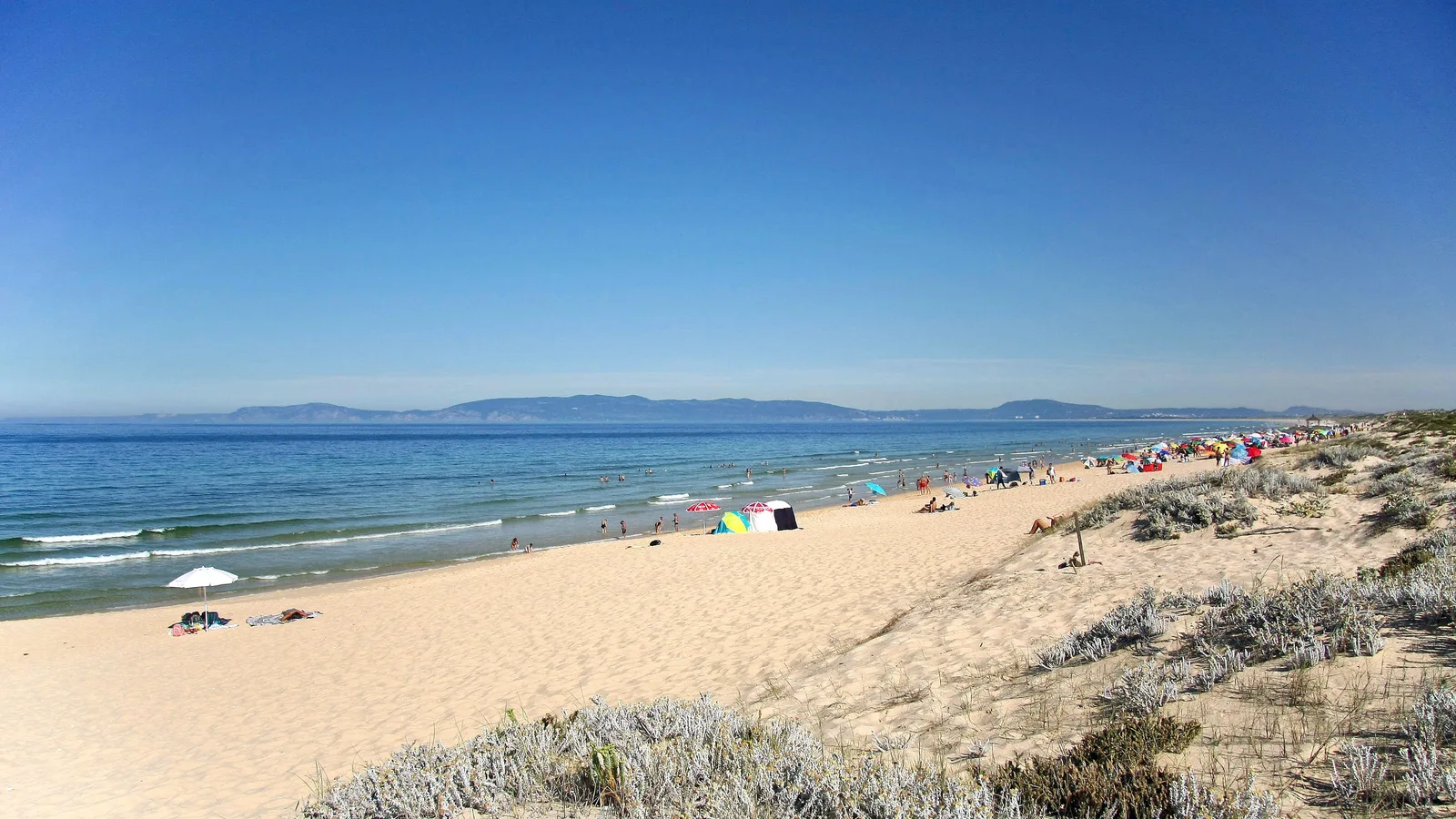
Located on the Alentejo coast about 8km from the village of Carvalhal in Grândola municipality, this beach has a distinctly rural character. The shoreline stretches long and wide with fine, light-colored sand backed by an extensive dune system. The setting feels spacious and undeveloped, typical…
Quick Overview
Plan Your Visit to Comporta
The key facts before you go
About the Beach
What is Comporta?
Comporta stretches along the Alentejo coast near Grândola in Setúbal district, roughly 8km from the village of Carvalhal. The beach is defined by its rural character, long expanses of fine, light-colored sand backed by substantial dune systems that shape the landscape. Water quality here is rated Excellent, making it a reliable choice for swimming. The beach faces west, catching afternoon light and swell. Lifeguards are present during bathing season. Comporta appeals to those seeking a less developed coastal experience, with the dune environment creating natural separation from built-up areas.
It sits alongside other certified beaches in Setúbal, part of a broader network of other Blue Flag beaches in Portugal certified annually by the Foundation for Environmental Education.
Visitor Feedback
What Visitors Say About Comporta
What visitors appreciate
- beach bars|sandy area|dolphins|white sand|dunes|mosquitoes|fine sand|paradisiacal beach|clean sand|comporta beach
- Excellent EU-rated bathing water quality
Points to consider
- Can be busy during July and August peak season
- Facilities may be reduced outside peak months
Based on aggregated public visitor feedback. Themes are synthesised from multiple sources, not individual quotes. Zeach does not reproduce individual reviews.
Sunrise, Sunset & Beach Direction
Comporta faces west toward Atlantic Ocean. The best light for photography and swimming is typically in June, September. Direct sun hours follow that facing.
Planning
When to Go: Month by Month
| Month | Water Temp | Crowds |
|---|---|---|
| Jan | 16°C | Low |
| Feb | 15°C | Low |
| Mar | 15°C | Low |
| Apr | 16°C | Low |
| May | 17°C | Low |
| Jun | 19°C | Med |
| Jul | 20°C | High |
| Aug | 20°C | High |
| Sep | 20°C | Med |
| Oct | 20°C | Low |
| Nov | 18°C | Low |
| Dec | 17°C | Low |
The best time to visit Comporta is June, September. Peak water temperature reaches 19.8°C in July.
How crowded does Comporta get?Comporta experiences lighter crowds than central Algarve beaches, reflecting its rural location and lack of resort infrastructure. Peak periods occur during July and August, but even then the beach absorbs visitors across its considerable length without the density found at urban alternatives. Weekends draw more people than weekdays throughout summer. During shoulder seasons (May-June, September-October), you'll encounter fewer beachgoers, making these periods suitable if you prefer quieter conditions. Winter months see minimal crowds; many visitors are locals and dedicated coastal walkers. The demographic skews toward independent travelers and families seeking less commercialized beaches rather than party-oriented crowds. Beach bars exist but operate selectively, and the sand itself remains uncrowded even in summer. The rural character naturally limits overnight accommodation capacity, which keeps day-visitor numbers manageable. Earnings periods and school holidays create predictable busy spells. Coming mid-week outside July-August typically means more personal beach space.
Is Comporta open year-round?The beach itself is accessible year-round, though staffed facilities including lifeguards typically operate only during the official season (01-06 – 30-09). The Blue Flag is displayed during the certification period only.
The Water
Swimming and Beach Life at Comporta
Is Comporta safe to swim?Comporta is Blue Flag certified, which requires meeting strict bathing water standards set by the EU Bathing Water Directive. Water quality is rated Excellent.
What is the water temperature at Comporta?Peak water temperature at Comporta reaches around 19.8°C in July, making it comfortable for swimming during the summer months.
What is the beach like at Comporta?Comporta's defining feature is its extensive sandy shore composed of fine-grained, light-colored sand that stretches for considerable distance. The dune system behind the beach is substantial and ecologically significant, creating a distinctive landscape across the Alentejo coastline. This is working beach in the truest sense, no promenade, no dense infrastructure. Water quality maintains Excellent status consistently, monitored through official bathing water standards. The westward-facing orientation means afternoon swells and consistent light throughout the day. Lifeguard services are operational, providing safety oversight during peak bathing periods. The beach environment attracts marine life, dolphins have been reported in waters off Comporta, which speaks to the relative health of the coastal ecosystem. This same marine health draws visitors specifically interested in wildlife observation. Clean sand and maintained conditions reflect regular beach management despite the rural setting. The absence of beach bars directly on the sand creates a quieter atmosphere compared to urban beaches, though some food and drink options exist in nearby Carvalhal. Mosquitoes can be present, particularly during warmer months and in areas near vegetation or stagnant water behind the dunes. Insect repellent is practical preparation, especially for evening visits. The beach works well for different activities, swimming in declared bathing areas, walking the length of the sand, and observing the natural dune morphology. The fine sand characteristics make it comfortable for extended time on the beach itself. Wind conditions can vary significantly; check forecasts before planning water activities.
Comporta sits on the Atlantic Ocean: explore all Blue Flag beaches on the Atlantic.
Planning a trip to Portugal? Blue Flag Beaches Portugal , our editorial guide to certified beaches across the country.
While You're Here
Beyond Comporta
Carvalhal village, 8km inland, offers basic services including small shops and cafés. The village character is distinctly rural, accommodation, dining, and supplies are modest in scale. Grândola municipality extends inland and offers more substantial facilities. The region is known for cork oak forests and traditional agro-pastoral landscapes. Village churches and local heritage reflect centuries of settlement patterns. Nearby coastal areas within 20-30km include other Alentejo beaches with similar characteristics, allowing exploration of the region's broader coastline if desired. These alternatives maintain the same rural beach environment. Inland toward the Alentejo interior, towns like Alcácer do Sal (approximately 40km) provide historic architecture and river landscapes. The region's food culture emphasizes traditional Portuguese coastal and rural cooking. Bird-watching opportunities exist in coastal salt ponds and natural areas backing the beaches. The dune ecosystems support specialized plant species adapted to sandy conditions.
Transport
Getting to Comporta
How do I get to Comporta by car?Comporta is approximately 31.11 km from Grândola. Follow local road signs to the beach. Check Google Maps or a local map for the most current directions.
What is the nearest airport to Comporta?The nearest airport is Lisbon Humberto Delgado Airport (LIS), approximately 52.6 km away.
Can I get to Comporta by public transport?Regional bus services connect Grândola to surrounding areas, but direct routes to Comporta beach are limited. Coach operators serving the region include Transportes Arco do Carro and local municipal services. Buses typically terminate in Carvalhal village rather than the beach itself, requiring final journey completion by foot (roughly 8km) or local taxi. Schedule frequency is low outside tourist season. Journey planning requires advance research into current timetables, as services change seasonally.
Nearby
Near Comporta
Mapped toilets, bus stops, cafés, parking, and shops within about 500 m of Comporta. Distances are walking-line estimates from the beach pin.
Map loads when you ask. Tiles stay off the first paint.
Map: OpenStreetMap (ODbL)
Toilets near Comporta
- Public toilets Public toilets 452 m
Cafés near Comporta
- Comporta Café Restaurant 425 m
- Café Café 456 m
Parking near Comporta
- Estacionamento Praia da Comporta Parking 416 m
Source: © OpenStreetMap contributors (ODbL). Names and positions come from mapped OSM features. Confirm on site.
On the beach
Facilities at Comporta
- Lifeguards
- Yes, during the certified season
- Wheelchair access
- Accessible site facilities and water entry
- Visual assistance
- No
- Surface
- White sand
- Entry
- Free to enter
These details can change. Check on arrival.
Practical Details
Practical Information
| At the Beach | |
| Official Season | 01 Jun – 30 Sep |
|---|---|
| Beach Type | Sandy beach |
| Visiting Information | |
| GPS Coordinates | 38.3849°N, 8.8050°W |
| Water Quality | Excellent (EU Bathing Water Directive) |
| Blue Flag Operator | Foundation for Environmental Education (FEE), Portugal |
Frequently Asked Questions
Comporta FAQ
Is Comporta worth visiting?
Yes, if you want a rural beach experience with excellent water quality and natural dune landscapes. Comporta suits swimmers, walkers, and those seeking quieter alternatives to developed resort beaches. The Alentejo coast's character differs markedly from the Algarve, expect minimal infrastructure, fewer crowds, and stronger coastal environment presence. It's worth the journey if unstructured beach time appeals to you.
How do I get to Comporta?
Drive north via EN125 and EN261 toward Grândola, then follow directions to Carvalhal village and the beach. Public transport exists but requires multiple connections and final taxi or walking sections. No direct train service reaches the beach. Having your own transport provides flexibility given limited local public options.
What is the best time of year to visit?
May-June and September-October offer warm water, manageable crowds, and reliable weather. July-August brings warmth but peak tourist numbers. Water quality remains Excellent year-round. Mosquitoes are less problematic in cooler months. Winter swimming is possible given the water quality rating, though crowds are minimal and facilities operate selectively. Consider your crowd tolerance when choosing season.
What facilities are there at Comporta?
Lifeguards operate during bathing season. Beach bars exist but operate selectively and aren't densely distributed. Carvalhal village, 8km away, contains small shops and basic cafés. Public facilities are minimal on the beach itself, bring supplies if spending the full day. Water quality is monitored and rated Excellent. Accommodation and more comprehensive services require traveling to larger towns.
Is Comporta suitable for families?
Yes, with preparation. Lifeguards provide safety oversight, water quality is Excellent, and fine sand is comfortable for children. The rural setting and lower crowds create a relaxed environment. However, facilities are limited, bring food, water, shade provisions, and insect repellent. The 8km distance from village services means self-sufficiency is necessary. Families comfortable with less developed beaches will find it suitable.
Are there toilets near Comporta?
Yes. OpenStreetMap maps toilets near Comporta, including 452 m away. Distances are walking-line estimates within about 500 m of the beach pin. Confirm opening hours on site; some facilities are seasonal. © OpenStreetMap contributors (ODbL).
Are there cafés near Comporta?
Yes. OpenStreetMap lists 2 cafés or restaurants near Comporta, including Comporta Café (425 m) and 456 m away. Hours and seasonal opening are not verified here. Check on the day. © OpenStreetMap contributors (ODbL).
Is there parking near Comporta?
Yes. OpenStreetMap maps parking 416 m from Comporta (Estacionamento Praia da Comporta). Charges and time limits are not recorded here. © OpenStreetMap contributors (ODbL).
Editorial
From the Zeach Blog
Everything you need to know about what makes a beach qualify for Blue Flag status, from water quality to environmental education.
Read moreOur editorial team's pick of the standout Blue Flag beaches in Portugal, rated for family friendliness, scenery, and facilities.
What the flag actually means, how certification works, and why a Blue Flag is a genuinely reliable signal, not just a marketing tool.
Read moreSources
- Foundation for Environmental Education: Blue Flag programme
- FEE site listing for Comporta
- ABAE (Associação Bandeira Azul da Europa)
- European Environment Agency: bathing water quality
Last verified September 2026. National operator pages and FEE listings are the primary certification sources.