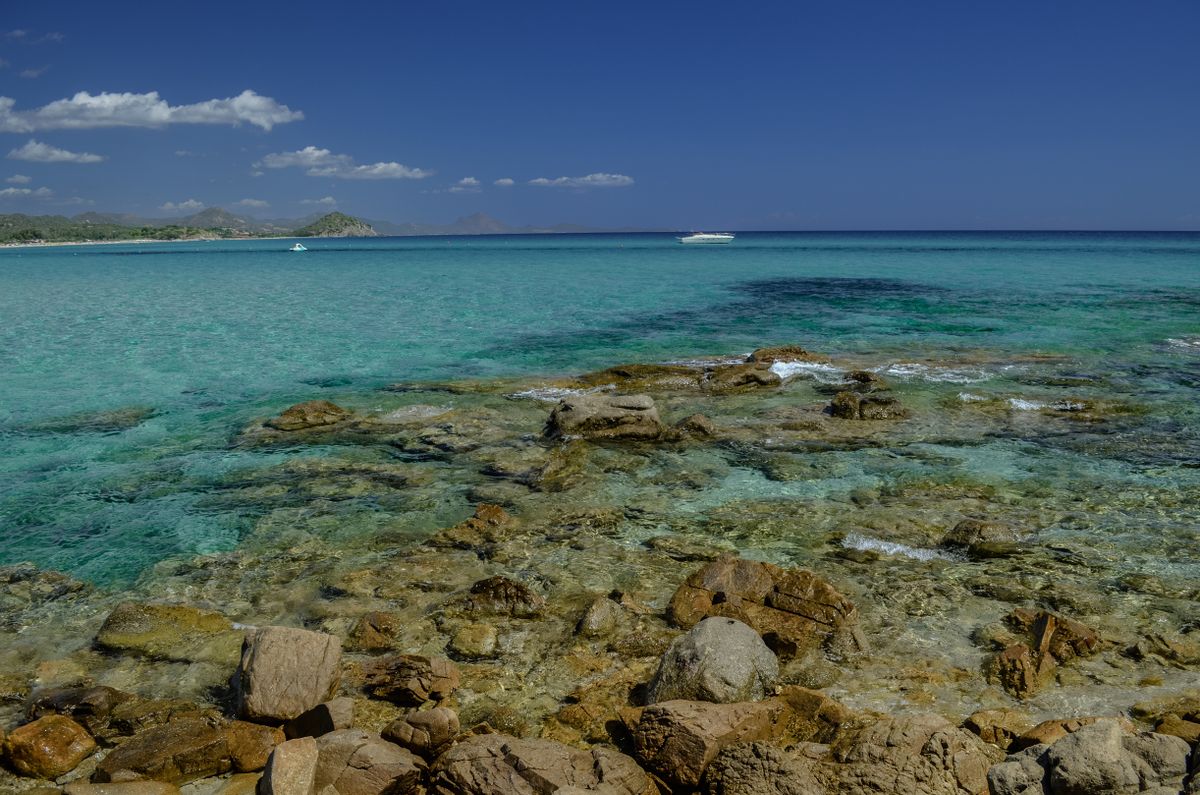
The Blue Flag water quality standard is built on the EU Bathing Water Directive 2006/7/EC. Blue Flag beaches must reach the directive's highest classification — "Excellent" — not "Good" or "Sufficient". This is stricter than what most beach management frameworks require.
The EU Bathing Water Directive: The Legal Foundation
The EU Bathing Water Directive 2006/7/EC came into force in 2008, replacing a 1976 directive. It established a four-tier classification system for all designated bathing waters in EU member states: Excellent, Good, Sufficient, and Poor. Member states must identify all bathing locations used by significant numbers of swimmers, monitor them throughout the season, and publish results publicly.
The directive uses two biological indicators. Intestinal enterococci is the primary measure for coastal seawater — more resilient than E. coli in salt water and a better predictor of health risk at marine beaches. E. coli is used primarily for freshwater sites. Both correlate with the presence of pathogens that cause gastroenteritis and other illnesses in swimmers.
What "Excellent" Actually Means in Numbers
Classification is calculated using a 95th-percentile statistical method applied to a rolling four-year dataset. A beach accumulates samples over four seasons. The 95th-percentile value — meaning 95% of samples fall below this level — must meet the following thresholds for "Excellent":
- Intestinal enterococci: ≤100 colony-forming units per 100ml
- E. coli (freshwater): ≤250 CFU per 100ml
For context, the "Good" threshold for intestinal enterococci is ≤200 CFU/100ml — twice the Excellent threshold. "Sufficient" is ≤185 CFU/100ml for enterococci in a 90th-percentile calculation. Blue Flag requires the 95th-percentile Excellent threshold. No exceptions.
Using a 95th-percentile calculation rather than the mean or median reflects realistic beach use. It acknowledges that brief contamination events (after storms, for example) can occur, while ensuring that water quality is acceptable for the vast majority of the bathing season. A beach with one bad week in a four-year period can still qualify; a beach with recurring contamination cannot.
How Sampling Works in Practice
Each designated bathing water must be sampled at least four times per bathing season, with at least one sample collected before the season begins. In practice, most Blue Flag beaches collect significantly more — typically 20 or more samples per season — to maintain the four-year dataset needed for classification. Samples are collected at standard points within the designated bathing zone, stored at controlled temperatures, and tested in accredited laboratories.
The results are public. EU member states are required to post water quality data both at the beach and in national databases accessible to the European Environment Agency. On certified beaches in Portugal, France, and Italy, you can read the actual sample results on the information board at the beach entrance — not a simplified summary, but the measured values.
When Water Quality Fails
If water quality falls below the Excellent threshold during a certified season, the national operator investigates. A single anomalous result may trigger a temporary advisory — a purple or red warning flag — without immediate certification suspension. A confirmed contamination event that cannot be resolved within days typically results in suspension: the Blue Flag comes down and bathing may be prohibited until the cause is identified and the water retested.
Beaches in Spain, Greece, and Croatia occasionally experience brief suspensions after heavy rainfall causes combined sewer overflows or agricultural runoff reaches the bathing zone. In most cases, once the source is resolved, water quality recovers within a few days and the beach reopens — though the flag is not immediately reinstated without retesting.
Standards Outside the EU
For countries outside the EU where Blue Flag operates — including South Africa, Morocco, and New Zealand — equivalent national standards apply. South Africa's SANS 7592 sets similar microbiological thresholds. FEE reviews the equivalence of national standards before accepting them as substitutes for the EU Directive. The principle is the same: only the highest national classification qualifies. A beach meeting a mid-tier standard does not qualify, regardless of how that tier is labelled locally.