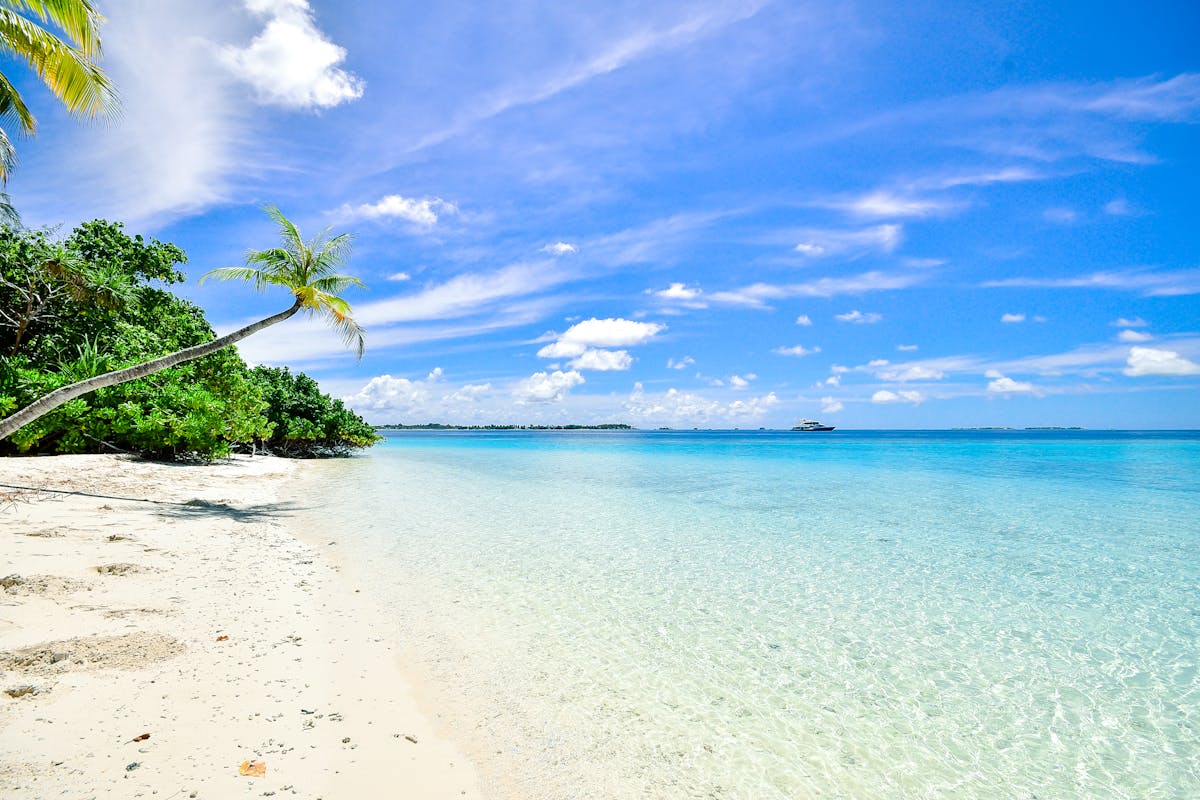
Spain has 643 Blue Flag certified beaches. Greece has 607. Together they account for roughly a quarter of all certified beaches globally. Greece's number is partly a function of geography — a mainland coast plus 6,000 islands produces a lot of beach frontage. But geography isn't the whole story. Water quality, programme participation, and the specific way FEE certification works in island municipalities are all contributing factors worth understanding.
The Aegean water quality baseline
Why does Aegean water quality score so high?The Aegean Sea has structural water quality advantages that other European coastal waters don't share. It's a semi-enclosed sea with relatively low industrial effluent input, high water exchange rates through the Dardanelles and Bosphorus straits, and limited major river discharge on the Greek side. The 457 Blue Flag beaches on or adjacent to the Aegean in the Zeach database average 24.1°C water temperature in July — the highest of any European sea body in the dataset. High temperature accelerates bacterial die-off, which is one reason naturally warm enclosed seas tend to have cleaner bathing water relative to cooler, more exposed Atlantic sites.
This isn't to say all Greek beaches have excellent water. The Greece country hub shows water quality data across all 607 certified beaches — quality varies significantly between industrial port areas and remote island settings. But the national baseline is good, which means Greek beaches competing for "Excellent" classification are often starting from a favourable position.
Crete: the single largest concentration
Why does Crete have so many certified beaches?Crete has 155 Blue Flag certified beaches — more than any other Greek region, and more than many entire countries. The island is large (250km east to west), has consistent summer weather from May through October, and has made beach certification a significant part of its tourism marketing strategy. The north coast, with Heraklion and Chania as the main hubs, holds the majority of certified sites. The south coast — more exposed, harder to reach — has fewer certifications but some of the most dramatically beautiful coastal settings on the island.
The Cretan municipal beach management model is relevant here. Many Cretan beachfront municipalities invest consistently in maintaining the facilities required for certification — disability access, recycling infrastructure, lifeguard cover, environmental information boards — because the Blue Flag status is a concrete marketing advantage in the package holiday market that dominates Cretan tourism.
The island certification model
How does Blue Flag work on smaller Greek islands?On smaller islands — the South Aegean group (75 certified beaches: Mykonos, Santorini, Rhodes, Paros, Naxos and others) and the Ionian Islands (42 certified: Corfu, Zakynthos, Lefkada, Kefalonia) — the certification model is different from a mainland coastal municipality. Individual beach operators or local authority units submit applications for specific beaches, and the national FEE operator (Hellenic Society for the Protection of Nature) manages the inspection and application process. A well-managed beach on Zakynthos and a well-managed beach in Thessaloniki go through the same process — the physical context is different but the standard is identical.
What 607 means for a trip planner
Does a high certified beach count mean everywhere is good?607 certified beaches means 607 beaches that have passed an annual inspection against FEE's 33 criteria in the most recent season. It doesn't mean every beach in Greece is excellent — the uncertified beaches vary enormously. It also means that if you're willing to do five minutes of research before choosing where to swim, Greece has an unusually high probability of giving you a certified beach within reasonable distance of wherever you stay.
The Zeach database breaks this down regionally. Central Macedonia (121 certified beaches, including Chalkidiki) and Crete (155) account for roughly 45% of all certified Greek beaches. If you're in either region, certified options are genuinely close. If you're on a smaller island, the certified beaches are fewer but tend to be the better-managed ones — since smaller islands tend to certify their best beaches rather than all of them.
For beach-by-beach data on Greek certified beaches, the Greece Blue Flag hub covers all 607 with water quality, crowd data, and regional breakdowns. The Aegean hub is the relevant entry point for Cyclades and Dodecanese island searches.