Plage du Mar Estang
Occitania, France: Excellent water quality
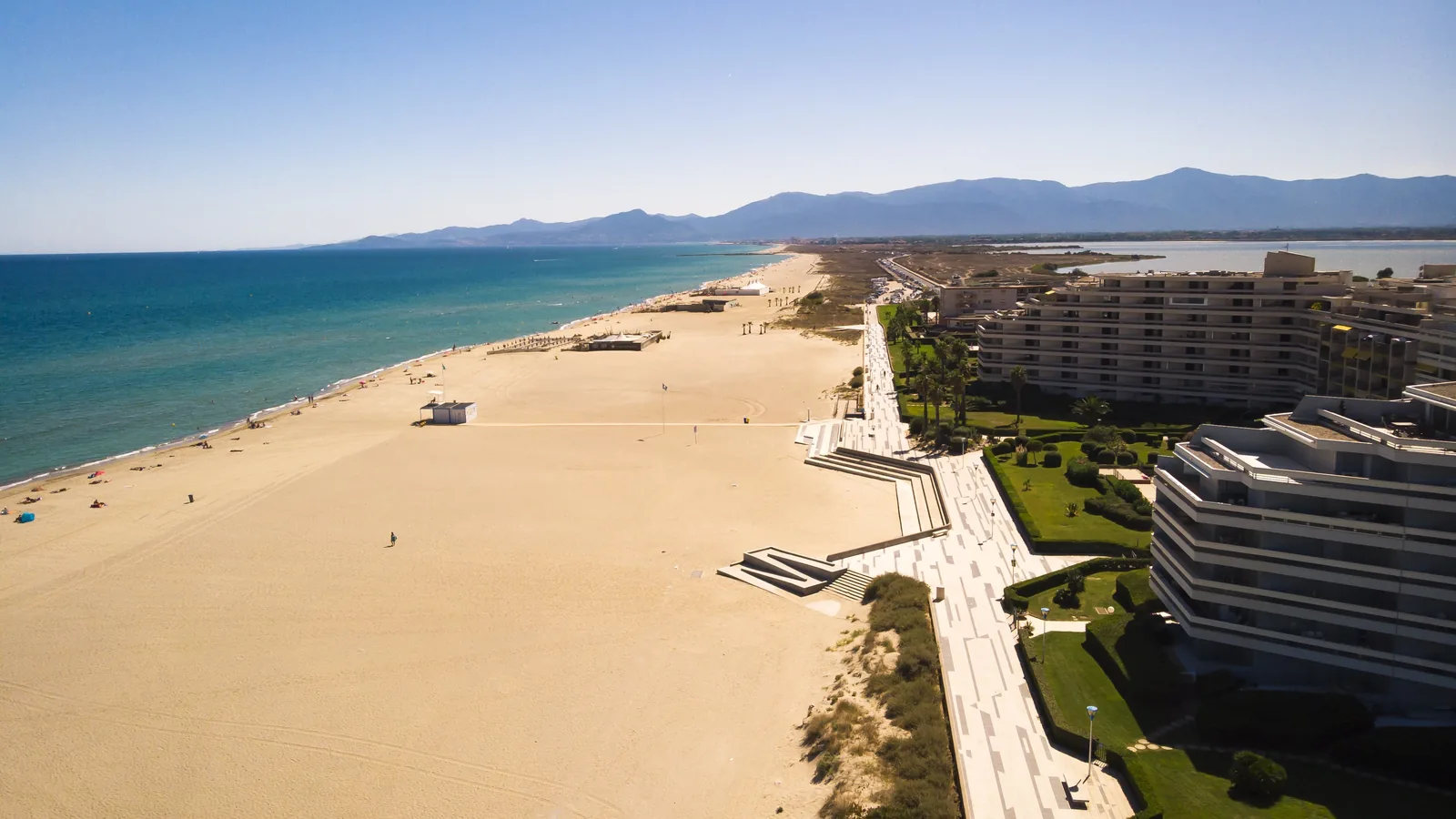
Canet-en-Roussillon sits 12 km south of Perpignan in the Pyrénées-Orientales, a seaside town that captures the Mediterranean's best qualities: color, warmth, and light. With 325 days of sunshine annually, it's an obvious draw for beach lovers.
Quick Overview
Plan Your Visit to Plage du Mar Estang
The key facts before you go
About the Beach
What is Plage du Mar Estang?
Plage Du Mar Estang sits along the Mediterranean coast at Canet-en-Roussillon, a resort town in France's Pyrénées-Orientales department just 12 kilometers from Perpignan. This stretch of coastline forms part of nine kilometers of fine sandy beach that characterizes the area, with a gentle slope descending into waters that earn an Excellent bathing quality rating. The region claims 325 days of sunshine annually, making it one of the sunniest spots on the French Mediterranean. Beyond the sand, Canet-en-Roussillon carries a thousand years of history visible in its medieval architecture and fishing village heritage. The town's port accommodates over 1,000 boats, while the nearby étang (coastal lagoon) provides a quieter natural counterpoint to the busy beach scene. Summer brings lifeguard supervision and water temperatures reaching into the low twenties, creating conditions that draw visitors from across the Occitania region and beyond.
It sits alongside other certified beaches in Occitania, part of a broader network of other Blue Flag beaches in France certified annually by the Foundation for Environmental Education.
Sunrise, Sunset & Beach Direction
Plage du Mar Estang faces west toward Mediterranean Sea. The best light for photography and swimming is typically in June. Direct sun hours follow that facing.
Planning
When to Go: Month by Month
| Month | Air Temp | Water Temp | Crowds |
|---|---|---|---|
| Jan | 8°C | 13°C | Low |
| Feb | 10°C | 13°C | Low |
| Mar | 12°C | 13°C | Low |
| Apr | 14°C | 14°C | Low |
| May | 18°C | 16°C | Low |
| Jun | 23°C | 20°C | Med |
| Jul | 26°C | 22°C | High |
| Aug | 25°C | 23°C | High |
| Sep | 22°C | 22°C | Med |
| Oct | 17°C | 19°C | Low |
| Nov | 12°C | 16°C | Low |
| Dec | 9°C | 14°C | Low |
The best time to visit Plage du Mar Estang is June. Air temperatures peak around 25.8°C in summer. Peak water temperature reaches 21.9°C in July.
How crowded does Plage du Mar Estang get?When does Plage Du Mar Estang show its true character? The beach transforms dramatically between seasons, with July and August representing the peak period when lifeguards stand duty and visitor numbers reach their height. Summer brings the full resort experience to this section of Canet-en-Roussillon's coastline. The combination of warm air temperatures averaging around 25-26°C, water temperatures above 22°C, and school holiday periods across France and neighboring Spain creates concentrated demand for beach space. The town actively promotes its sporting activities, cultural events, and animations during this period, drawing visitors who want more than passive sunbathing. The sailing harbor's capacity for over a thousand boats hints at the scale of summer activity. This isn't a quiet retreat during peak season, it's an active Mediterranean resort with the crowds to match. Families, water sports enthusiasts, and tourists passing through the Occitania region all converge during the warmest months. How different is the off-season experience? Spring and autumn offer substantially quieter conditions. May water temperatures around 16.4°C and September readings near 19°C attract hardier swimmers, but general beach activity drops significantly once lifeguard supervision ends after August. The 325 days of annual sunshine the region claims means pleasant walking weather extends well beyond swimming season, and the beach serves a different purpose, scenic backdrop rather than recreational destination. Winter sees minimal beach activity despite mild air temperatures, with the water dropping below 10°C from November through March.
Is Plage du Mar Estang open year-round?The beach itself is accessible year-round, though staffed facilities including lifeguards typically operate only during the official season (03-06 – 17-09). The Blue Flag is displayed during the certification period only.
The Water
Swimming and Beach Life at Plage du Mar Estang
Is Plage du Mar Estang safe to swim?Plage du Mar Estang is Blue Flag certified, which requires meeting strict bathing water standards set by the EU Bathing Water Directive. The latest official class is Excellent (2025).
Water quality
Excellent (2025)
Earlier seasons: 2024 Excellent, 2023 Excellent, 2022 Excellent.
Excellent is the top class under the EU Bathing Water Directive. Recent samples stayed inside the strictest limits for bacteria.
Source: European Environment Agency
Peak water temperature at Plage du Mar Estang reaches around 21.9°C in July, making it comfortable for swimming during the summer months. In winter (January), air temperatures average 8.2°C.
What is the beach like at Plage du Mar Estang?What makes Plage Du Mar Estang different from other Mediterranean beaches? The answer lies in its combination of accessible swimming conditions, consistent water quality, and integration with a working coastal community that predates modern tourism by centuries. The beach forms part of Canet-en-Roussillon's extensive nine-kilometer sandy coastline, characterized by fine sand and a gradual slope into the water. This gentle gradient means swimmers can wade out considerable distances before reaching deeper water, a feature that defines the swimming experience here. Bathing water quality holds an Excellent rating from monitoring authorities, reflecting the consistent standards maintained along this section of coast. Water temperatures follow a predictable Mediterranean pattern but with some notable variations. January sees the coldest readings at around 5°C, climbing gradually through spring. By May, temperatures reach approximately 16.4°C, still brisk for most swimmers. The real swimming season arrives in July when waters warm to nearly 23°C, holding at similar levels through August at around 22°C. September offers a compromise at roughly 19°C before autumn cooling sets in. This thermal profile explains why the designated swimming season runs from July through August, when lifeguards provide supervision along the beach. How does the beach setting affect the overall experience? The sunrise tag associated with Plage Du Mar Estang points to its eastward orientation, though the specific facing direction shapes how light falls across the sand throughout the day. Morning visitors catch the sun rising over the Mediterranean, casting long shadows across the beach during early hours. Air temperatures support the beach lifestyle from late spring through early autumn. January averages around 8°C, comfortable enough for coastal walks but hardly beach weather. July brings averages near 26°C, with August maintaining similar warmth at approximately 25°C. September remains pleasant at around 22°C, extending the period when the beach serves as a destination rather than just a scenic backdrop. The beach infrastructure reflects Canet-en-Roussillon's development as a comprehensive resort. The town promotes its extensive beach equipment and facilities, though specific amenities vary along different sections of the nine-kilometer stretch. The sailing harbor adjacent to the beach area accommodates more than a thousand vessels, creating a working maritime atmosphere alongside recreational beach use. What should visitors understand about the swimming conditions? The Excellent water quality rating provides reassurance about bathing safety, while the presence of lifeguards during the July-August season adds an additional layer of security. The gentle slope makes depth progression predictable, reducing surprises for swimmers unfamiliar with the beach. However, like all Mediterranean locations, conditions can change with weather, and the Tramontane wind that affects this region can create chop and currents on otherwise calm days. The beach's position near the coastal étang (lagoon) creates ecological variety in the immediate area. This proximity to the Mar Estang itself (the lagoon that gives the beach its name) means the landscape transitions from open Mediterranean beach to enclosed lagoon habitat within walking distance, offering different perspectives on coastal environments.
Plage du Mar Estang sits on the Mediterranean Sea: explore all Blue Flag beaches on the Mediterranean.
Planning a trip to France? Blue Flag Beaches France , our editorial guide to certified beaches across the country.
While You're Here
Beyond Plage du Mar Estang
Canet-en-Roussillon rewards visitors who venture away from the sand with a thousand years of accumulated history and natural attractions. The Vicomtal Castle dates to the 11th century and features an unusual ice well among its preserved elements, a reminder of medieval engineering solutions for food preservation. The Church of Saint Jacques stands nearby with its distinctive square bell tower, representing the religious architecture of the region. The town aquarium houses approximately 300 aquatic species gathered from five continents, offering a climate-controlled activity for days when beach conditions prove less inviting. The Galerie des Hospices provides exhibition space for painting and sculpture, rotating displays of artistic work through its gallery rooms. The fishing village that predates the modern resort maintains some of its traditional character, offering insight into the working maritime heritage of this coast before tourism became the dominant industry. The étang (coastal lagoon) that gives Plage Du Mar Estang its name creates a different natural environment from the open Mediterranean, attracting birdlife and providing quieter water for observation. Perpignan lies just 12 kilometers inland, offering the cultural amenities of a larger city including additional museums, restaurants, and historic sites from its period as capital of the Kingdom of Majorca.
Transport
Getting to Plage du Mar Estang
How do I get to Plage du Mar Estang by car?Plage du Mar Estang is approximately 3.71 km from Canet-en-Roussillon. Follow local road signs to the beach. Check Google Maps or a local map for the most current directions.
What is the nearest airport to Plage du Mar Estang?The nearest airport is Perpignan-Rivesaltes (Llabanère) Airport (PGF), approximately 15.1 km away.
Can I get to Plage du Mar Estang by public transport?Local bus services connect Perpignan to Canet-en-Roussillon, with seasonal frequency increases during summer months. The bus network serves the Pyrénées-Orientales department, linking the beach resort to the regional capital. Journey times and schedules vary, so checking current timetables before travel remains essential. From the town center, the beach sits within walking distance. The nearest recorded bus stop is 313 m from the beach.
Is there a train to Plage du Mar Estang?Perpignan railway station connects to the French high-speed TGV network and regional services, sitting approximately 12 kilometers from Canet-en-Roussillon. Direct TGV services link Perpignan to Paris, Montpellier, and other major French cities. The station also receives trains from Barcelona via the cross-border route. From Perpignan station, local buses or taxis complete the journey to the beach area. The train option works well for travelers prioritizing sustainability or preferring not to drive, though the final connection to Plage Du Mar Estang requires additional local transport.
Nearby
Near Plage du Mar Estang
Mapped toilets, bus stops, cafés, parking, and shops within about 500 m of Plage du Mar Estang. Distances are walking-line estimates from the beach pin.
Map loads when you ask. Tiles stay off the first paint.
Map: OpenStreetMap (ODbL)
Toilets near Plage du Mar Estang
- Public toilets Public toilets 201 m
- Public toilets Public toilets 242 m
Bus near Plage du Mar Estang
- Canet Sud Bus stop 313 m
- Canet Sud Bus stop 316 m
- Côte-Radieuse Bus stop 441 m
- Côte-Radieuse Bus stop 446 m
Cafés near Plage du Mar Estang
- L'horizon Restaurant 110 m
- Restaurant Restaurant 130 m
- Restaurant Restaurant 253 m
- Robinson Restaurant 267 m
- Le Kiaora Beachclub Restaurant 344 m
Parking near Plage du Mar Estang
- Parking Parking 100 m
- Parking Parking 122 m
- Parking Parking 142 m
- Parking Parking 177 m
- Parking Parking 190 m
Source: © OpenStreetMap contributors (ODbL). Names and positions come from mapped OSM features. Confirm on site.
On the beach
Facilities at Plage du Mar Estang
- Lifeguards
- Yes, during the certified season
- Wheelchair access
- Accessible site facilities and water entry
- Visual assistance
- No
- Toilets
- No
- Showers
- No
- Parking
- Available nearby (carport parking). 81 m away, no parking fee
- Entry
- Free to enter
These details can change. Check on arrival.
Map data © OpenStreetMap contributors
Practical Details
Practical Information
| At the Beach | |
| Official Season | 03 Jun – 17 Sep |
|---|---|
| Beach Type | Sandy beach |
| Nearest supermarket | 530 m from the beach |
| Nearest bus stop | 313 m from the beach |
| Visiting Information | |
| GPS Coordinates | 42.6756°N, 3.0336°E |
| Water Quality | Excellent (2025) (EU Bathing Water Directive) |
| Blue Flag Operator | Foundation for Environmental Education (FEE), France |
Frequently Asked Questions
Plage du Mar Estang FAQ
Is Plage Du Mar Estang worth visiting?
Plage Du Mar Estang delivers a genuine Mediterranean beach experience backed by Excellent bathing water quality and lifeguard supervision during July and August. The nine kilometers of fine sandy beach with gentle slopes into the water creates accessible swimming conditions. With 325 reported days of annual sunshine, weather reliability runs high. The broader Canet-en-Roussillon setting adds historical interest through millennium-old sites including an 11th-century castle. Whether it's worth visiting depends on timing, peak summer brings full resort atmosphere and warm water, while shoulder seasons offer quieter conditions but cooler swimming.
How do I get to Plage Du Mar Estang?
Barcelona-El Prat Airport sits 172 kilometers away, requiring approximately two hours by road via the A9 motorway. Perpignan-Rivesaltes Airport offers a closer alternative just 15 kilometers distant. By train, Perpignan station receives TGV high-speed services from Paris and regional connections, sitting 12 kilometers from the beach. Local buses link Perpignan to Canet-en-Roussillon, with increased summer frequencies. Driving provides maximum flexibility for reaching the beach and exploring the Pyrénées-Orientales region, with parking available in the resort area.
What is the best time of year to visit Plage Du Mar Estang?
July and August represent the optimal swimming period, with water temperatures reaching 22-23°C and lifeguards on duty. Air temperatures average 25-26°C during these months. June and September offer warm air but cooler water around 18-20°C, swimmable for some but without lifeguard coverage. The region claims 325 days of sunshine annually, making dry weather likely throughout summer. May brings pleasant air temperatures but water only around 16.4°C. Winter remains mild for walking but water drops below 10°C. Peak summer coincides with peak crowds.
What facilities are there at Plage Du Mar Estang?
Lifeguard supervision operates during July and August, the designated swimming season. The beach forms part of Canet-en-Roussillon's nine-kilometer stretch of fine sand with numerous beach equipment and sporting activity options promoted by the town. The nearby sailing harbor accommodates over a thousand boats, indicating substantial maritime infrastructure. The town offers cultural activities and animations during peak season. Specific facility details vary along different beach sections. The resort infrastructure includes the broader amenities expected of a developed French Mediterranean destination.
Is Plage Du Mar Estang suitable for families?
The beach characteristics favor family visits, particularly during the supervised July-August season. The gradual slope into the water allows children to wade safely at predictable depths, while Excellent bathing water quality provides reassurance about swimming conditions. Lifeguard presence adds security during peak season. Water temperatures above 22°C in summer keep children comfortable during extended play. The broader resort offers attractions including an aquarium with 300 species. However, dog-friendliness remains unconfirmed, relevant for families traveling with pets. Outside the supervised season, parents assume full responsibility for water safety.
Are there toilets near Plage du Mar Estang?
Yes. OpenStreetMap maps 2 toilet locations near Plage du Mar Estang, including 201 m away and 242 m away. Distances are walking-line estimates within about 500 m of the beach pin. Confirm opening hours on site; some facilities are seasonal. © OpenStreetMap contributors (ODbL).
Is there a bus near Plage du Mar Estang?
Yes. OpenStreetMap maps a public-transport stop 313 m from Plage du Mar Estang (Canet Sud), plus 3 more within about 500 m. Check current timetables before you travel. © OpenStreetMap contributors (ODbL).
Are there cafés near Plage du Mar Estang?
Yes. OpenStreetMap lists 5 cafés or restaurants near Plage du Mar Estang, including L'horizon (110 m), 130 m away, 253 m away, and Robinson (267 m). Hours and seasonal opening are not verified here. Check on the day. © OpenStreetMap contributors (ODbL).
Is there parking near Plage du Mar Estang?
Yes. OpenStreetMap maps parking 100 m from Plage du Mar Estang, with 5 lots or spaces inside about 500 m. Charges and time limits are not recorded here. © OpenStreetMap contributors (ODbL).
Explore More
Nearby Blue Flag Beaches
Editorial
From the Zeach Blog
Everything you need to know about what makes a beach qualify for Blue Flag status, from water quality to environmental education.
Read moreOur editorial team's pick of the standout Blue Flag beaches in France, rated for family friendliness, scenery, and facilities.
What the flag actually means, how certification works, and why a Blue Flag is a genuinely reliable signal, not just a marketing tool.
Read moreSources
- Foundation for Environmental Education: Blue Flag programme
- FEE site listing for Plage du Mar Estang
- FEE France (Pavillon Bleu)
Last verified September 2026. National operator pages and FEE listings are the primary certification sources.