Plage du Sardinal (Nord du port)
Occitania, France: Excellent water quality
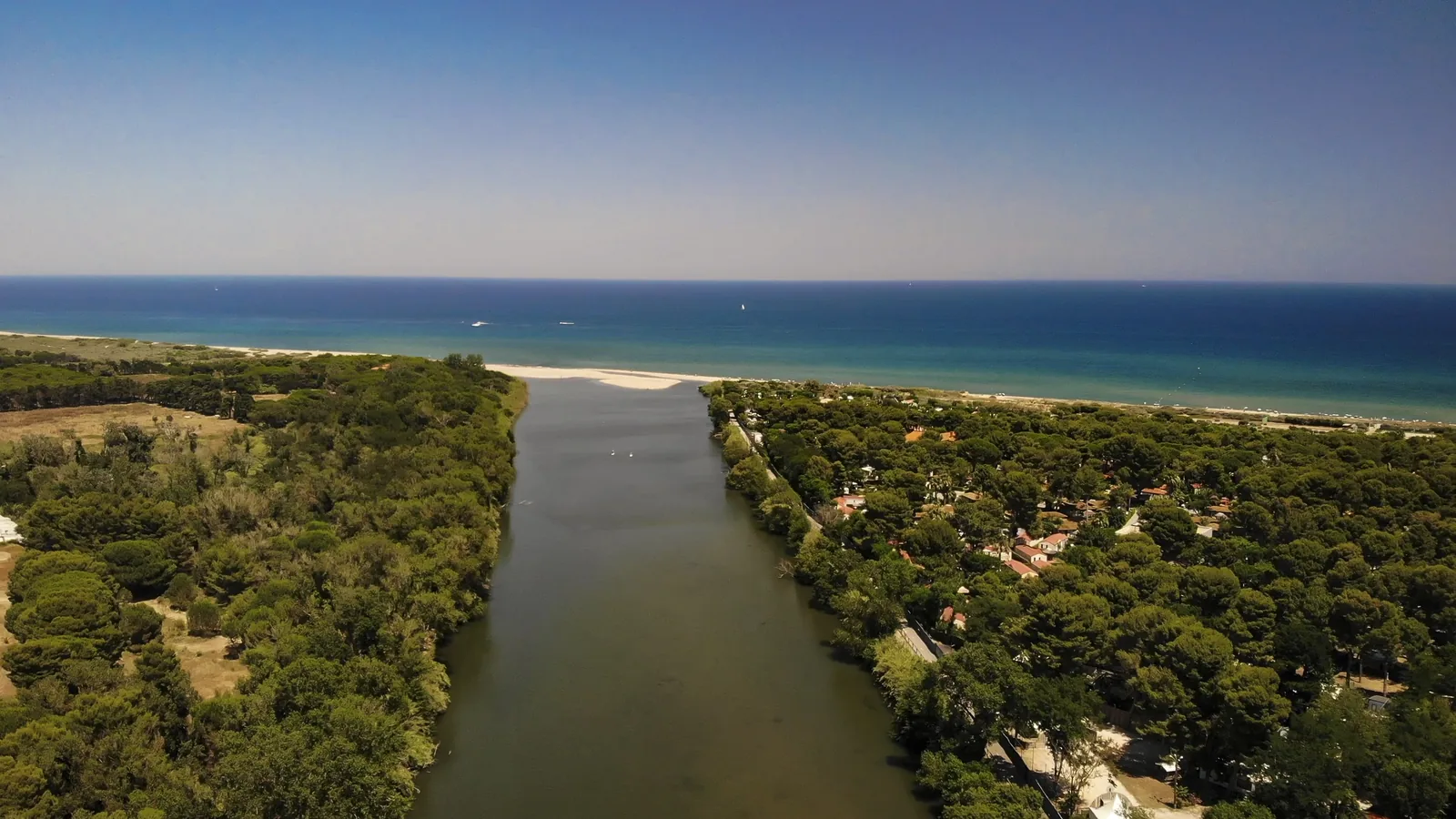
Canet-en-Roussillon sits 12 km south of Perpignan in the Pyrénées-Orientales, a coastal town with 1,000 years of history. The beach stretches for 9 km of fine sand with a gentle slope into the water. The town gets about 325 days of sunshine annually, and the…
Quick Overview
Plan Your Visit to Plage du Sardinal (Nord du port)
The key facts before you go
About the Beach
What is Plage du Sardinal (Nord du port)?
Plage Du Sardinal (Nord Du Port) sits on the Mediterranean coast just north of Canet-en-Roussillon's marina, offering a quieter alternative to the main resort beaches. This stretch of fine sand forms part of the 9 kilometres of coastline that defines this Occitanian resort town, located 12 kilometres from Perpignan in the Pyrénées-Orientales department. The beach holds Blue Flag certification with excellent bathing water quality, reflecting the careful environmental management of this coastal area. What sets Sardinal apart is its position away from the central tourist zone, making it popular with visitors seeking calmer morning swims and uninterrupted sunrise views over the Mediterranean. The gentle slope into the water and supervised swimming conditions during peak season make it accessible for various swimming abilities. With Canet-en-Roussillon claiming 325 days of sunshine annually, this northern beach section catches the early light beautifully while maintaining the relaxed atmosphere that defines this part of the French Catalan coast.
It sits alongside Blue Flag beaches in Occitania, part of a broader network of Blue Flag certified beaches across France certified annually by the Foundation for Environmental Education.
Visitor Feedback
What Visitors Say About Plage du Sardinal (Nord du port)
What visitors appreciate
- less crowded|supervised beach|fine sand|isolated beach|can walk far out|uncrowded beach|pleasant beach|gently sloping beach|calm beach|long beach
- Excellent EU-rated bathing water quality
Points to consider
- Can be busy during July and August peak season
- Facilities may be reduced outside peak months
Based on aggregated public visitor feedback. Themes are synthesised from multiple sources, not individual quotes. Zeach does not reproduce individual reviews.
Sunrise, Sunset & Beach Direction
Plage du Sardinal (Nord du port) faces west toward Mediterranean Sea. The best light for photography and swimming is typically in May, June. Direct sun hours follow that facing.
Planning
When to Go: Month by Month
| Month | Air Temp | Water Temp | Crowds |
|---|---|---|---|
| Jan | 8°C | 13°C | Low |
| Feb | 10°C | 13°C | Low |
| Mar | 12°C | 13°C | Low |
| Apr | 14°C | 14°C | Low |
| May | 18°C | 16°C | Med |
| Jun | 23°C | 20°C | High |
| Jul | 26°C | 22°C | High |
| Aug | 26°C | 23°C | High |
| Sep | 22°C | 22°C | Med |
| Oct | 17°C | 19°C | Low |
| Nov | 12°C | 16°C | Low |
| Dec | 9°C | 14°C | Low |
The best time to visit Plage du Sardinal (Nord du port) is May, June. Air temperatures peak around 25.9°C in summer. Peak water temperature reaches 21.9°C in July.
How crowded does Plage du Sardinal (Nord du port) get?Who actually visits Plage Du Sardinal (Nord Du Port), and when does it get busy? The beach has established a reputation as one of the less crowded options along the Canet-en-Roussillon coastline, attracting visitors specifically seeking that quieter atmosphere. Review patterns consistently highlight the uncrowded conditions and calm environment as distinguishing features. During July and August, when lifeguards are present and water temperatures peak, the beach sees its highest visitor numbers. Yet even during these peak months, the northern position away from the main resort centre means Sardinal avoids the density found on central beaches. Families and couples who have discovered this section return specifically because they can secure space without early morning towel placement. The supervised swimming period concentrates most visitors between mid-morning and late afternoon. Those seeking genuine solitude find it in the early hours, when the sunrise-facing orientation draws a smaller crowd of morning swimmers and walkers. Evening hours similarly empty out as visitors return to accommodation or head toward the livelier port and town centre areas. Shoulder season months of June and September bring noticeably thinner crowds. Water temperatures remain swimmable for many at 19-20°C, though the absence of lifeguards during these periods changes the visitor profile toward more experienced swimmers and locals familiar with the conditions. Weekends throughout summer see increased numbers as residents from Perpignan, just 12 kilometres away, join tourists. Weekday mornings offer the most reliable quiet periods during peak season. The long beach format means that even on busier days, walking north provides access to emptier stretches where the isolated beach character remains intact.
Is Plage du Sardinal (Nord du port) open year-round?The beach itself is accessible year-round, though staffed facilities including lifeguards typically operate only during the official season (01-05 – 30-09). The Blue Flag is displayed during the certification period only.
The Water
Swimming and Beach Life at Plage du Sardinal (Nord du port)
Is Plage du Sardinal (Nord du port) safe to swim?Plage du Sardinal (Nord du port) is Blue Flag certified, which requires meeting strict bathing water standards set by the EU Bathing Water Directive. Water quality is rated Excellent.
What is the water temperature at Plage du Sardinal (Nord du port)?Peak water temperature at Plage du Sardinal (Nord du port) reaches around 21.9°C in July, making it comfortable for swimming during the summer months. In winter (January), air temperatures average 8.1°C.
What is the beach like at Plage du Sardinal (Nord du port)?What makes Plage Du Sardinal (Nord Du Port) different from other Canet-en-Roussillon beaches? The answer lies in its positioning and character. Located north of the port area, this beach maintains a distinctly quieter atmosphere compared to the central resort stretches. The sand here matches the fine quality found along the entire 9-kilometre coastline, descending on a soft slope toward the Mediterranean waters that have earned an excellent bathing water quality rating. The beach faces the open sea with views that draw early risers for sunrise watching. Morning light spreads across the water here without obstruction, creating the conditions that have earned this spot its reputation among locals who prefer calmer hours. The gently sloping seabed allows swimmers to walk far out into the water, a feature frequently noted by visitors and particularly useful for those building confidence in sea swimming. Lifeguards patrol during the designated swimming season, which runs through July and August when water temperatures reach their peak at around 22-23°C. Outside these months, the beach remains accessible but unsupervised. January and February see water temperatures drop to around 5-7°C, while spring brings gradual warming from 8°C in March to 15°C by May. The transition months of June and September offer water temperatures of approximately 19-20°C, comfortable for many swimmers though outside the officially supervised period. Air temperatures follow a Mediterranean pattern, with July and August averaging around 25-26°C and January sitting near 8°C. The region's claim of 325 sunny days annually means visitors can generally expect reliable weather throughout the main season, though the Tramontane wind that characterises this part of the coast can arrive unexpectedly. The beach composition consists of the fine sand that typifies this coastline, extending along a long stretch that allows considerable walking distance in either direction. The northern position relative to the port creates a natural separation from the busier marina activities and central resort facilities, contributing to the isolated beach quality that visitors appreciate. Swimming conditions benefit from the calm waters typical of this sheltered section of Mediterranean coastline. The gradual depth increase means families with children can find appropriate shallow areas, while stronger swimmers can venture further where the water deepens. The excellent water quality certification provides assurance about the cleanliness standards maintained here. What about facilities directly on this beach section? The supervised status during peak season indicates basic safety infrastructure, though the quieter nature of this northern stretch means fewer commercial amenities compared to the main resort beaches. This trade-off between facilities and tranquility defines the Sardinal experience. The nearby port area, positioned just to the south, offers additional services for those willing to walk. The beach works particularly well for visitors who prioritise space and calm over immediate access to beach bars and equipment rental. Early mornings here deliver the sunrise views the beach is known for, with the eastern exposure catching first light across the water. Late afternoons maintain the peaceful character as day visitors begin departing the wider resort area.
Plage du Sardinal (Nord du port) sits on the Mediterranean Sea: explore all Blue Flag beaches on the Mediterranean.
Planning a trip to France? Blue Flag Beaches France , our editorial guide to certified beaches across the country.
While You're Here
Beyond Plage du Sardinal (Nord du port)
Canet-en-Roussillon extends well beyond its beaches, carrying 1,000 years of history within its boundaries. The Château Vicomtal dates to the 11th century and features a distinctive ice well among its preserved elements. Saint Jacques Church, recognisable by its square bell tower, represents the town's ecclesiastical heritage and remains open for visits. The port area, positioned just south of Plage Du Sardinal, accommodates over 1,000 boats and provides a different coastal atmosphere with waterfront dining and maritime activity. Walking the harbour offers a contrast to the quiet beach experience, with opportunities to watch fishing boats and pleasure craft. The town aquarium houses 300 species of aquatic fauna sourced from five continents, providing a rainy-day alternative or educational excursion. The Galerie des Hospices presents rotating exhibitions of painting and sculpture for visitors interested in regional art. Beyond the built environment, the étang (coastal lagoon) and traditional fishermen's village offer glimpses of the area's relationship with water beyond tourism. These quieter spots suit visitors seeking to understand local life rather than simply passing through resort facilities. Perpignan itself, at 12 kilometres distance, delivers a full city experience with Catalan cultural influences, markets, and historical sites for day trips.
Transport
Getting to Plage du Sardinal (Nord du port)
How do I get to Plage du Sardinal (Nord du port) by car?Plage du Sardinal (Nord du port) is approximately 2.13 km from Canet-en-Roussillon. Follow local road signs to the beach. Check Google Maps or a local map for the most current directions.
What is the nearest airport to Plage du Sardinal (Nord du port)?The nearest airport is Perpignan-Rivesaltes (Llabanère) Airport (PGF), approximately 14.0 km away.
Can I get to Plage du Sardinal (Nord du port) by public transport?Regional bus services connect Perpignan to Canet-en-Roussillon throughout the year, with increased frequency during summer months. The journey covers the 12-kilometre distance in approximately 30 minutes depending on stops. Bus stops in the resort area provide reasonable access to the beach zones, though reaching Plage Du Sardinal's northern position may require additional walking from central drop-off points. The nearest recorded bus stop is 619 m from the beach.
Is there a train to Plage du Sardinal (Nord du port)?Perpignan railway station connects to the French high-speed TGV network, receiving direct services from Paris, Lyon, and Montpellier. The station sits approximately 12 kilometres from Canet-en-Roussillon, matching the town's proximity to the departmental capital. Journey times from Paris run around five hours on direct TGV services. From Perpignan station, local bus services connect to Canet-en-Roussillon, or taxis provide direct transfers to the beach area. The town also has a seasonal shuttle service during peak months. Visitors arriving by train should factor in this final connection when planning, particularly if carrying beach equipment or travelling with children. Spanish rail connections via Barcelona also feed into Perpignan, useful for those travelling along the Mediterranean coast from the south.
Nearby
Near Plage du Sardinal (Nord du port)
Mapped toilets, bus stops, cafés, parking, and shops within about 500 m of Plage du Sardinal (Nord du port). Distances are walking-line estimates from the beach pin.
Map loads when you ask. Tiles stay off the first paint.
Map: OpenStreetMap (ODbL)
Toilets near Plage du Sardinal (Nord du port)
- Public toilets Public toilets 222 m
- Public toilets Public toilets 224 m
- Public toilets Public toilets 229 m
- Public toilets Public toilets 245 m
- Public toilets Public toilets 369 m
Cafés near Plage du Sardinal (Nord du port)
- Le Brasilia Restaurant 143 m
- Ice cream Ice cream 149 m
- La Voile Bleue Restaurant 242 m
Parking near Plage du Sardinal (Nord du port)
- Parking Parking 79 m
- Parking Parking 82 m
- Parking Parking 107 m
- Parking Parking 117 m
- Parking Parking 159 m
Supermarket near Plage du Sardinal (Nord du port)
- Supermarket Supermarket 175 m
Source: © OpenStreetMap contributors (ODbL). Names and positions come from mapped OSM features. Confirm on site.
On the beach
Facilities at Plage du Sardinal (Nord du port)
- Lifeguards
- Yes, during the certified season
- Wheelchair access
- Accessible site facilities and water entry
- Visual assistance
- No
- Toilets
- Yes
- Showers
- No
- Parking
- Available nearby (surface parking). 67 m away, no parking fee
- Entry
- Free to enter
These details can change. Check on arrival.
Map data © OpenStreetMap contributors
Practical Details
Practical Information
| At the Beach | |
| Official Season | 01 May – 30 Sep |
|---|---|
| Beach Type | Sandy beach |
| Nearest supermarket | 170 m from the beach |
| Nearest bus stop | 619 m from the beach |
| Visiting Information | |
| GPS Coordinates | 42.7071°N, 3.0363°E |
| Water Quality | Excellent (EU Bathing Water Directive) |
| Blue Flag Operator | Foundation for Environmental Education (FEE), France |
Frequently Asked Questions
Plage du Sardinal (Nord du port) FAQ
Is Plage Du Sardinal (Nord Du Port) worth visiting?
Plage Du Sardinal (Nord Du Port) rewards visitors seeking calmer beach conditions away from central resort crowds. The excellent water quality rating, fine sand, and gentle slope into swimmable waters provide solid fundamentals. Its positioning north of the port creates natural separation from busier areas, making it particularly worthwhile for early morning visits when sunrise views across the Mediterranean justify the quieter location. Families appreciate the supervised conditions during July and August, while the long beach allows walking to find personal space even during peak periods.
How do I get to Plage Du Sardinal (Nord Du Port)?
Most international visitors fly into Barcelona-El Prat Airport, 175 kilometres south, then drive approximately two hours via the AP-7 motorway. Perpignan-Rivesaltes Airport offers closer access with limited flight options. By train, TGV services reach Perpignan from Paris in around five hours, followed by local bus or taxi for the final 12 kilometres to Canet-en-Roussillon. Once in town, the beach lies north of the marina area, accessible on foot or by local transport. Having a car provides easiest access to this slightly removed beach section.
What is the best time of year to visit Plage Du Sardinal (Nord Du Port)?
July and August offer optimal conditions with lifeguard supervision, water temperatures of 22-23°C, and air temperatures around 25-26°C. The region claims 325 sunny days annually, making these peak months reliably warm. June and September provide pleasant alternatives with fewer visitors and water temperatures near 19-20°C, though without lifeguard coverage. For sunrise watching, the beach's eastern exposure delivers year-round, but swimming comfort requires the warmer months. Avoid January and February if swimming matters, as water temperatures drop to 5-7°C.
What facilities are there at Plage Du Sardinal (Nord Du Port)?
Lifeguard supervision operates during July and August, providing essential safety coverage for the swimming season. The beach maintains excellent bathing water quality certification as a Blue Flag location. Beyond safety infrastructure, this northern beach section offers fewer commercial amenities than central Canet-en-Roussillon beaches, with the trade-off being quieter conditions. The nearby port area to the south provides additional services including dining options. The fine sand beach with its gentle slope requires no special equipment for access.
Is Plage Du Sardinal (Nord Du Port) suitable for families?
The beach suits families well during the supervised July-August period. The gently sloping seabed allows children to paddle in shallow water while adults can walk far out, and the calm conditions create a secure swimming environment. Fine sand supports castle building and beach play. The less crowded atmosphere means families can spread out without competing for space. However, the quieter location means fewer immediate amenities compared to central beaches, so packing supplies makes sense. The long beach format allows children room to explore safely within sight.
Are there toilets near Plage du Sardinal (Nord du port)?
Yes. OpenStreetMap maps 5 toilet locations near Plage du Sardinal (Nord du port), including 222 m away, 224 m away, 229 m away, and 245 m away. Distances are walking-line estimates within about 500 m of the beach pin. Confirm opening hours on site; some facilities are seasonal. © OpenStreetMap contributors (ODbL).
Are there cafés near Plage du Sardinal (Nord du port)?
Yes. OpenStreetMap lists 3 cafés or restaurants near Plage du Sardinal (Nord du port), including Le Brasilia (143 m), 149 m away, and La Voile Bleue (242 m). Hours and seasonal opening are not verified here. Check on the day. © OpenStreetMap contributors (ODbL).
Is there parking near Plage du Sardinal (Nord du port)?
Yes. OpenStreetMap maps parking 79 m from Plage du Sardinal (Nord du port), with 5 lots or spaces inside about 500 m. Charges and time limits are not recorded here. © OpenStreetMap contributors (ODbL).
Is there a supermarket near Plage du Sardinal (Nord du port)?
Yes. OpenStreetMap maps a supermarket 175 m from Plage du Sardinal (Nord du port). Walking-line distance; confirm opening hours locally. © OpenStreetMap contributors (ODbL).
Explore More
Nearby Blue Flag Beaches
Editorial
From the Zeach Blog
Everything you need to know about what makes a beach qualify for Blue Flag status, from water quality to environmental education.
Read moreOur editorial team's pick of the standout Blue Flag beaches in France, rated for family friendliness, scenery, and facilities.
What the flag actually means, how certification works, and why a Blue Flag is a genuinely reliable signal, not just a marketing tool.
Read moreSources
- Foundation for Environmental Education: Blue Flag programme
- FEE site listing for Plage du Sardinal (Nord du port)
- FEE France (Pavillon Bleu)
- European Environment Agency: bathing water quality
Last verified September 2026. National operator pages and FEE listings are the primary certification sources.