Plage de la Marenda
Occitania, France: Excellent water quality
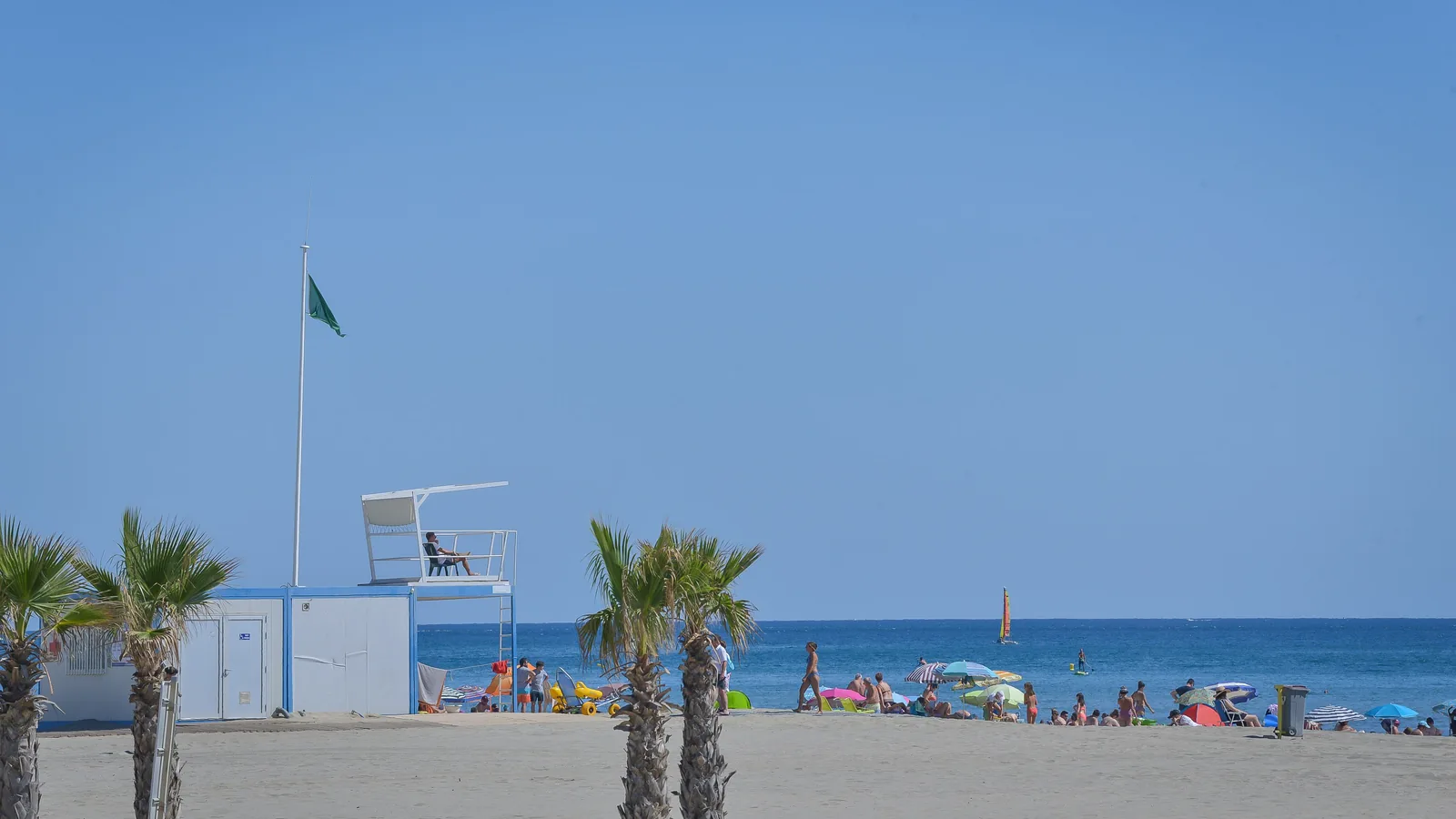
Canet-en-Roussillon sits 12 km south of Perpignan in the Pyrénées-Orientales, a Mediterranean beach town with 1,000 years of history behind it. The resort gets 325 days of sunshine annually and has 9 km of fine sand sloping gently into the sea.
Quick Overview
Plan Your Visit to Plage de la Marenda
The key facts before you go
About the Beach
What is Plage de la Marenda?
Plage De La Marenda sits along the Mediterranean coast of Occitania, forming part of Canet-en-Roussillon's expansive 9 kilometres of fine sandy shoreline. This section of the French Catalan coast benefits from the region's remarkable 325 days of annual sunshine, creating reliable conditions for beach visits throughout much of the year. The beach carries Blue Flag certification with excellent bathing water quality, reflecting the careful environmental management of this stretch of coast. Located just 12 kilometres from Perpignan in the Pyrénées-Orientales department, Plage De La Marenda offers easy access to a resort with over 1,000 years of history. The gentle slope into the Mediterranean makes swimming accessible, while the nearby harbour accommodates more than 1,000 boats. Summer water temperatures reach comfortable levels for swimming, peaking around 22-23°C in July and August when lifeguards patrol the beach.
It sits alongside other certified beaches in Occitania, part of a broader network of other Blue Flag beaches in France certified annually by the Foundation for Environmental Education.
Sunrise, Sunset & Beach Direction
Plage de la Marenda faces west toward Mediterranean Sea. The best light for photography and swimming is typically in June. Direct sun hours follow that facing.
Planning
When to Go: Month by Month
| Month | Air Temp | Water Temp | Crowds |
|---|---|---|---|
| Jan | 8°C | 13°C | Low |
| Feb | 10°C | 13°C | Low |
| Mar | 12°C | 13°C | Low |
| Apr | 14°C | 14°C | Low |
| May | 18°C | 16°C | Low |
| Jun | 23°C | 20°C | Med |
| Jul | 26°C | 22°C | High |
| Aug | 25°C | 23°C | High |
| Sep | 22°C | 22°C | Med |
| Oct | 17°C | 19°C | Low |
| Nov | 12°C | 16°C | Low |
| Dec | 9°C | 14°C | Low |
The best time to visit Plage de la Marenda is June. Air temperatures peak around 25.8°C in summer. Peak water temperature reaches 21.9°C in July.
How crowded does Plage de la Marenda get?Who visits Plage De La Marenda and when do they come? The beach's location within Canet-en-Roussillon (a resort destination with comprehensive facilities and activities) draws a diverse mix of visitors. The main swimming season officially runs July through August, and these months represent peak activity when lifeguards are stationed and water temperatures reach their most comfortable range of 22-23°C. During high summer, expect the beach to reflect the resort's popularity. Canet-en-Roussillon markets itself as an active, animated destination with sports, cultural activities, and entertainment, suggesting the beach attracts visitors seeking more than quiet contemplation. The 9 kilometres of total beach length means crowds can spread out, though proximity to facilities and lifeguard stations concentrates activity in certain areas. The sunrise tag hints at a different crowd, early risers who appreciate watching dawn break over the Mediterranean. These morning hours, before the main beach activity begins, offer a calmer experience. French families form a significant portion of summer visitors, drawn by the gentle slope into the water and the resort's family-oriented facilities. September brings transitional conditions: water still warm enough for swimming at 21.6°C, air temperatures around 21.7°C, and notably fewer visitors as French schools resume. This shoulder season appeals to those seeking Mediterranean warmth without high-season density. The 325 days of annual sunshine extend usable beach days well beyond the core season, though swimming becomes increasingly specialist as temperatures drop.
Is Plage de la Marenda open year-round?The beach itself is accessible year-round, though staffed facilities including lifeguards typically operate only during the official season (25-06 – 03-09). The Blue Flag is displayed during the certification period only.
The Water
Swimming and Beach Life at Plage de la Marenda
Is Plage de la Marenda safe to swim?Plage de la Marenda is Blue Flag certified, which requires meeting strict bathing water standards set by the EU Bathing Water Directive. The latest official class is Excellent (2025).
Water quality
Excellent (2025)
Earlier seasons: 2024 Excellent, 2023 Excellent, 2022 Excellent.
Excellent is the top class under the EU Bathing Water Directive. Recent samples stayed inside the strictest limits for bacteria.
Source: European Environment Agency
Peak water temperature at Plage de la Marenda reaches around 21.9°C in July, making it comfortable for swimming during the summer months. In winter (January), air temperatures average 8.2°C.
What is the beach like at Plage de la Marenda?What defines the character of Plage De La Marenda? The beach forms part of the extended sandy coastline that characterises Canet-en-Roussillon, where fine sand slopes gently into Mediterranean waters. This gradual incline into the sea makes for easy entry, particularly appreciated by those who prefer to wade rather than plunge. The beach has earned excellent bathing water quality ratings, indicating consistently clean conditions monitored throughout the season. The sand here is the fine Mediterranean variety typical of the Roussillon coast, comfortable underfoot and suitable for settling in with a towel or chair. The beach faces the open Mediterranean, and the sunrise designation suggests early morning visitors are rewarded with views of the sun climbing above the horizon, a compelling reason to set an early alarm during summer stays. Water temperatures follow the Mediterranean pattern for this latitude. Winter months see the sea at its coolest, dropping to around 5-7°C between December and February, swimming weather for only the most committed cold-water enthusiasts. Spring brings gradual warming through March and April, reaching approximately 11°C by mid-spring. By May, the water climbs to around 16.4°C, still brisk but tolerable for some swimmers. The official swimming season runs from July through August, when conditions align most favourably. July sees average water temperatures of 22.8°C, while August maintains similar warmth at 23.1°C. These are the months when lifeguards are present, adding an important safety element for families and less confident swimmers. Air temperatures during peak season hover around 25-26°C, creating comfortable beach conditions without extreme heat. How does the beach infrastructure support visitors? The wider Canet-en-Roussillon resort has developed substantial beach facilities over the years, with equipment and amenities spread along the coastline. The presence of lifeguards during the main season indicates organised beach management, though specific facility details for this section of beach vary. September extends the swimming possibilities with water temperatures around 21.6°C and air temperatures of approximately 21.7°C, still pleasant conditions as the main tourist crowds thin out. October's water temperature drops to around 19.1°C, marking the effective end of casual swimming for most visitors. The Mediterranean character of this coastline creates particular conditions worth noting. The sea here lacks significant tides, meaning the beach profile remains relatively consistent throughout the day. Winds from the Tramontane can occasionally affect the coast, though the orientation provides some protection. The clarity of Mediterranean water, combined with the excellent bathing water quality ratings, makes for agreeable swimming conditions during the warmer months. The beach sits within a broader resort context that includes the 1,000-boat harbour nearby, suggesting a mix of swimming visitors and those arriving by sea. This integration with the wider port area gives the beach a distinctly French Mediterranean resort character, different from more isolated stretches of coast.
Plage de la Marenda sits on the Mediterranean Sea: explore all Blue Flag beaches on the Mediterranean.
Planning a trip to France? Blue Flag Beaches France , our editorial guide to certified beaches across the country.
While You're Here
Beyond Plage de la Marenda
Canet-en-Roussillon offers substantial diversions beyond the sand. The town's aquarium houses around 300 species of aquatic life drawn from five continents, a practical rainy-day option or midday break from beach sun. The Vicomtal Castle dates to the 11th century and includes an unusual ice well, reflecting medieval methods of food preservation. Saint Jacques Church features a distinctive square bell tower characteristic of the regional Catalan Romanesque style. Art enthusiasts should visit the Galerie des Hospices, which hosts rotating exhibitions of painting and sculpture throughout the year. The contrast between contemporary art and the building's historic character adds interest beyond the works themselves. The natural environment provides quieter exploration opportunities. The nearby étang (coastal lagoon) offers different birdlife and landscapes from the beach, while the traditional fishermen's village maintains connections to the area's working maritime heritage. These wetland areas provide walking routes away from the resort's more developed sections. Perpignan, just 12 kilometres away, brings additional cultural options including museums, restaurants, and the historic Catalan architecture of its old town. The city serves as the principal urban centre of French Catalonia, with distinct cultural traditions reflected in its food, festivals, and language.
Transport
Getting to Plage de la Marenda
How do I get to Plage de la Marenda by car?Plage de la Marenda is approximately 3.13 km from Canet-en-Roussillon. Follow local road signs to the beach. Check Google Maps or a local map for the most current directions.
What is the nearest airport to Plage de la Marenda?The nearest airport is Perpignan-Rivesaltes (Llabanère) Airport (PGF), approximately 14.8 km away.
Can I get to Plage de la Marenda by public transport?Local bus services connect Perpignan to Canet-en-Roussillon, covering the 12-kilometre journey between the city centre and the resort. Services operate more frequently during summer months when beach visitor numbers increase. Check current schedules with the local Perpignan transport authority, as routes and frequencies vary seasonally. The nearest recorded bus stop is 213 m from the beach.
Is there a train to Plage de la Marenda?Perpignan serves as the main railway hub for reaching Plage De La Marenda, located approximately 12 kilometres from Canet-en-Roussillon. The Perpignan station sits on major French rail routes and connects to the high-speed TGV network, offering direct services to Paris, Montpellier, Barcelona, and other key cities. From Perpignan station, onward travel to Canet-en-Roussillon requires local transport, either bus connections or taxi services. The journey from Paris by TGV takes approximately five hours, while connections from Barcelona via conventional rail provide an alternative to the Barcelona airport route.
Nearby
Near Plage de la Marenda
Mapped toilets, bus stops, cafés, parking, and shops within about 500 m of Plage de la Marenda. Distances are walking-line estimates from the beach pin.
Map loads when you ask. Tiles stay off the first paint.
Map: OpenStreetMap (ODbL)
Toilets near Plage de la Marenda
- Public toilets Public toilets 165 m
- Public toilets Public toilets 171 m
Bus near Plage de la Marenda
- Marenda Bus stop 213 m
- Marenda Bus stop 234 m
- Coquillages Bus stop 317 m
- Coquillages Bus stop 359 m
- Côte-Radieuse Bus stop 363 m
Cafés near Plage de la Marenda
- Au Petit Cactus Ice cream 38 m
- Le Grill Restaurant 60 m
- Citron vert Restaurant 86 m
- Bikini Beach - Canet Restaurant 105 m
- La Pizzathèque Restaurant 143 m
Parking near Plage de la Marenda
- Parking Parking 93 m
- Parking Parking 192 m
- Parking des Balcons du Front de Mer Parking 210 m
- Parking Parking 324 m
- Parking Parking 404 m
Supermarket near Plage de la Marenda
- Utile Supermarket 172 m
Source: © OpenStreetMap contributors (ODbL). Names and positions come from mapped OSM features. Confirm on site.
On the beach
Facilities at Plage de la Marenda
- Lifeguards
- Yes, during the certified season
- Wheelchair access
- Accessible site facilities and water entry
- Visual assistance
- No
- Toilets
- Yes
- Showers
- No
- Parking
- Available nearby (private parking). 67 m away
- Entry
- Free to enter
These details can change. Check on arrival.
Map data © OpenStreetMap contributors
Practical Details
Practical Information
| At the Beach | |
| Official Season | 25 Jun – 03 Sep |
|---|---|
| Beach Type | Sandy beach |
| Nearest supermarket | 170 m from the beach |
| Nearest bus stop | 213 m from the beach |
| Visiting Information | |
| GPS Coordinates | 42.6822°N, 3.0341°E |
| Water Quality | Excellent (2025) (EU Bathing Water Directive) |
| Blue Flag Operator | Foundation for Environmental Education (FEE), France |
Frequently Asked Questions
Plage de la Marenda FAQ
Is Plage De La Marenda worth visiting?
Plage De La Marenda merits consideration for Mediterranean beach seekers, particularly those wanting reliable sunshine, the area averages 325 days of sun annually. The beach holds Blue Flag status with excellent bathing water quality, and the fine sand slopes gently into the sea. It works well as part of a broader visit to Canet-en-Roussillon, which offers harbour facilities, an aquarium, historic sites, and varied activities. The sunrise designation rewards early risers with Mediterranean dawn views.
How do I get to Plage De La Marenda?
Perpignan, 12 kilometres from the beach, has a railway station on major French routes including TGV services from Paris and connections to Barcelona. Local buses link Perpignan to Canet-en-Roussillon, with services more frequent during summer. Driving from northern France or Spain via the A9 autoroute provides straightforward access.
What is the best time of year to visit Plage De La Marenda?
July and August offer optimal swimming conditions with water temperatures of 22-23°C, air temperatures around 25-26°C, and lifeguard presence. September provides a quieter alternative with water still at 21.6°C and pleasant 21.7°C air temperatures. June sees water warming to nearly 20°C as summer begins. The shoulder months avoid peak crowds while maintaining reasonable conditions. Winter visits suit those interested in coastal walks rather than swimming, with water dropping to 5-7°C.
What facilities are there at Plage De La Marenda?
Lifeguards patrol during the July-August swimming season, providing essential safety coverage. The beach sits within Canet-en-Roussillon's broader resort infrastructure, which includes extensive beach equipment along its 9 kilometres of coastline. The nearby harbour accommodates over 1,000 boats. The wider resort offers sports facilities, cultural activities, and entertainment options. An aquarium with 300 species provides an off-beach attraction, alongside historic sites including an 11th-century castle.
Is Plage De La Marenda suitable for families?
The beach characteristics favour family visits. The gentle slope into the water allows children to wade gradually rather than encountering sudden depth changes. Excellent bathing water quality indicates clean, monitored conditions. Lifeguard presence during July and August adds important safety supervision. The fine sand suits castle-building and comfortable play. Beyond the beach, the aquarium appeals to children, while the resort's activity programme provides entertainment options during stays.
Are there toilets near Plage de la Marenda?
Yes. OpenStreetMap maps 2 toilet locations near Plage de la Marenda, including 165 m away and 171 m away. Distances are walking-line estimates within about 500 m of the beach pin. Confirm opening hours on site; some facilities are seasonal. © OpenStreetMap contributors (ODbL).
Is there a bus near Plage de la Marenda?
Yes. OpenStreetMap maps a public-transport stop 213 m from Plage de la Marenda (Marenda), plus 4 more within about 500 m. Check current timetables before you travel. © OpenStreetMap contributors (ODbL).
Are there cafés near Plage de la Marenda?
Yes. OpenStreetMap lists 5 cafés or restaurants near Plage de la Marenda, including Au Petit Cactus (38 m), Le Grill (60 m), Citron vert (86 m), and Bikini Beach - Canet (105 m). Hours and seasonal opening are not verified here. Check on the day. © OpenStreetMap contributors (ODbL).
Is there parking near Plage de la Marenda?
Yes. OpenStreetMap maps parking 93 m from Plage de la Marenda, with 5 lots or spaces inside about 500 m. Charges and time limits are not recorded here. © OpenStreetMap contributors (ODbL).
Is there a supermarket near Plage de la Marenda?
Yes. OpenStreetMap maps a supermarket 172 m from Plage de la Marenda (Utile). Walking-line distance; confirm opening hours locally. © OpenStreetMap contributors (ODbL).
Explore More
Nearby Blue Flag Beaches
Editorial
From the Zeach Blog
Everything you need to know about what makes a beach qualify for Blue Flag status, from water quality to environmental education.
Read moreOur editorial team's pick of the standout Blue Flag beaches in France, rated for family friendliness, scenery, and facilities.
What the flag actually means, how certification works, and why a Blue Flag is a genuinely reliable signal, not just a marketing tool.
Read moreSources
- Foundation for Environmental Education: Blue Flag programme
- FEE site listing for Plage de la Marenda
- FEE France (Pavillon Bleu)
Last verified September 2026. National operator pages and FEE listings are the primary certification sources.