Vrachati
Peloponnese Region, Greece: Excellent water quality
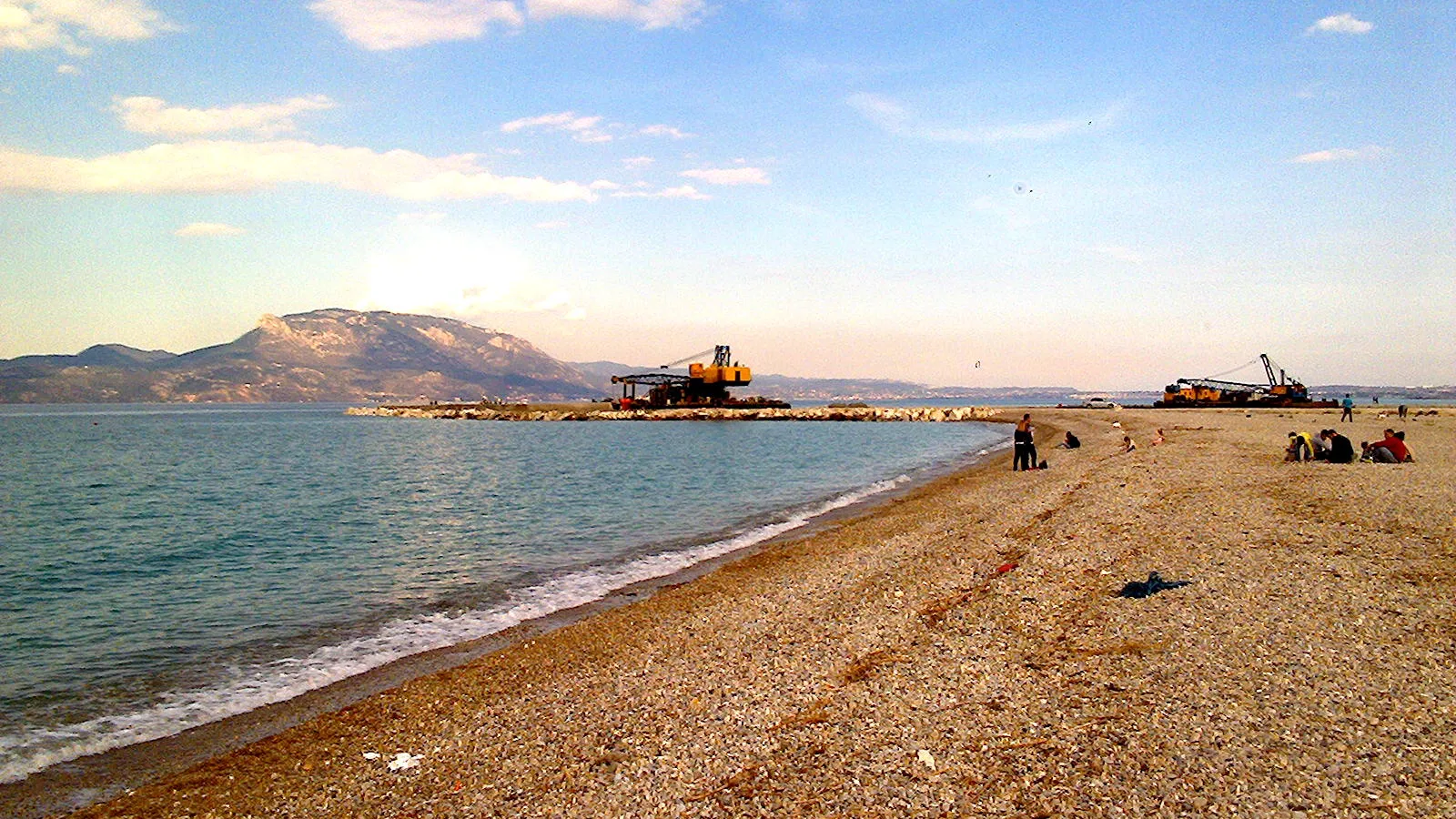
Vrahati is an urban beach with sand and pebbles stretching 200 meters long and 10 to 50 meters wide. Almirikia trees line much of the shoreline, while a 200-meter section features palm trees, grass, and ligoustra bushes. The beach runs directly alongside the road, making…
Quick Overview
Plan Your Visit to Vrachati
The key facts before you go
About the Beach
What is Vrachati?
Vrachati is an urban beach in the Peloponnese Region of Greece, located in the Municipal Unit of Vocha near Athens. This 200-meter stretch combines sand and pebbles, backed by natural vegetation including almirikia trees and a 200-meter section with palm trees and ligoustra bushes. The beach's excellent bathing water quality and organized sections make it a practical choice for swimmers seeking a quieter coastal spot. Easy road access and nearby accommodation options add to its appeal for visitors planning a straightforward beach day or short coastal stay.
It sits alongside certified beaches along Peloponnese Region, part of a broader network of certified beaches throughout Greece certified annually by the Foundation for Environmental Education.
Visitor Feedback
What Visitors Say About Vrachati
What visitors appreciate
- pebbles|clean sea|pebble beach|crystal clear waters|deep sea|organized sections|organized beach|sunbeds|quietness|kid-friendly
- Well-staffed with lifeguards during season
- Excellent EU-rated bathing water quality
Points to consider
- Can be busy during July and August peak season
- Limited parking near the beach
- Facilities may be reduced outside peak months
Based on aggregated public visitor feedback. Themes are synthesised from multiple sources, not individual quotes. Zeach does not reproduce individual reviews.
Sunrise, Sunset & Beach Direction
Vrachati faces east toward Ionian Sea. The best light for photography and swimming is typically in April, May, June. Direct sun hours follow that facing.
Planning
When to Go: Month by Month
| Month | Air Temp | Water Temp | Crowds |
|---|---|---|---|
| Jan | 9°C | 6°C | Low |
| Feb | 11°C | 8°C | Low |
| Mar | 12°C | 9°C | Low |
| Apr | 16°C | 13°C | Low |
| May | 20°C | 17°C | Low |
| Jun | 25°C | 22°C | Low |
| Jul | 28°C | 25°C | Med |
| Aug | 28°C | 25°C | High |
| Sep | 24°C | 21°C | High |
| Oct | 19°C | 16°C | Med |
| Nov | 15°C | 12°C | Low |
| Dec | 11°C | 8°C | Low |
The best time to visit Vrachati is April, May, June. Air temperatures peak around 28.1°C in summer. Peak water temperature reaches 25.1°C in July.
How crowded does Vrachati get?Vrachati earns its 'quiet' classification honestly. During the main summer season (June through August), the beach draws a steady stream of day-trippers and local bathers rather than overwhelming crowds. The 200-meter length and variable width mean that visitors can usually find less congested spots, especially if they arrive before late morning or after mid-afternoon. The organized sections clearly mark areas with sunbeds and structured amenities, while adjacent sections remain more natural and spacious. The beach appeals most to people seeking straightforward swimming and relaxation without party atmosphere or heavy commercialization. Families with children gravitate here because of the shallow entry zone, lifeguard presence, and general orderliness. The natural vegetation offers practical shade that reduces crowding in specific premium spots. During shoulder months (May and September), visitor numbers drop noticeably, making the beach feel genuinely peaceful. Winter months see minimal activity, with water temperatures dropping below 12°C from November through April.
Is Vrachati open year-round?The beach itself is accessible year-round, though staffed facilities including lifeguards typically operate only during the official season (01-07 – 31-10). The Blue Flag is displayed during the certification period only.
The Water
Swimming and Beach Life at Vrachati
Is Vrachati safe to swim?Vrachati is Blue Flag certified, which requires meeting strict bathing water standards set by the EU Bathing Water Directive. Water quality is rated Excellent. Lifeguards are on duty during the official season.
What is the water temperature at Vrachati?Peak water temperature at Vrachati reaches around 25.1°C in July, making it comfortable for swimming during the summer months. In winter (January), air temperatures average 8.7°C.
What is the beach like at Vrachati?Vrachati beach measures 200 meters in length with a width that varies between 10 and 50 meters, accommodating different preferences for open space or shelter. The beach surface combines sand and pebbles, creating the typical Mediterranean experience found along this coast. What sets Vrachati apart is the substantial natural framing, almirikia trees line much of the beach, while a dedicated 200-meter section features palm trees mixed with grass and ligoustra bushes. This vegetation provides genuine shade and wind protection without feeling overcrowded. Bathers consistently report crystal clear waters, which aligns with the official excellent bathing water quality rating. The seabed drops gradually into deeper water, allowing different swimming abilities to find suitable depths. Organized sections are clearly marked on the beach, with sunbeds available for those who want them, though the overall character remains focused on low-key enjoyment rather than resort atmosphere. The beach's position directly alongside the coastal road is a defining feature, it makes access effortless from virtually any transport method, but it also means traffic noise may be noticeable during peak hours. Lifeguards are on duty during the swimming season, adding a safety element that matters for families and solo swimmers alike. Environmental maintenance is taken seriously here. Beach cleaning is part of the site's educational approach, and you'll find the area generally well-kept. The combination of natural shade, good water quality, and basic organization makes Vrachati functional for a full beach day, though visitors should not expect extensive commercial facilities or nightlife.
Does Vrachati have good facilities?As a Blue Flag certified beach, Vrachati meets the Foundation for Environmental Education's standards for facilities and services. Trained lifeguards are on duty during the season. The beach has disabled access facilities.
Vrachati sits on the Ionian Sea: explore all Blue Flag beaches on the Ionian.
Planning a trip to Greece? How Greece earns the most Blue Flags , our editorial guide to certified beaches across the country.
While You're Here
Beyond Vrachati
Vrachati's location in the Peloponnese Region places it within reach of significant cultural and archaeological sites. The proximity to the Corinth area (roughly 30 kilometers away) gives access to the ancient Corinth archaeological site and the impressive Corinth Canal. The region contains numerous smaller towns and villages typical of Greek coastal Peloponnese, offering local tavernas and shops for everyday supplies and meals. A B-class hotel with 73 rooms currently operates near the beach, with plans to upgrade to A-class status and expand to 114 rooms by May, improving accommodation options without creating resort-scale development. This measured growth reflects the area's commitment to modest, sustainable tourism. The beach itself hosts organized cultural activities periodically, making it a focal point for community events rather than just a swimming location. The easy road access means visitors can base themselves in Vrachati or use it as a day-trip destination from other Peloponnese locations, testing different areas of the region during a longer stay.
Transport
Getting to Vrachati
How do I get to Vrachati by car?Vrachati is approximately 6.82 km from Municipal Unit of Vocha. Follow local road signs to the beach. Check Google Maps or a local map for the most current directions.
What is the nearest airport to Vrachati?The nearest airport is Athens International Airport "El. Venizelos" (ATH), approximately 100.4 km away. Athens International Airport 'El. Venizelos' (ATH) is 100.4 kilometers from Vrachati beach. After landing, you'll need ground transport to reach the coastal location. Car rental is a practical option given Vrachati's easy road access and the freedom it provides for exploring other Peloponnese destinations. The drive from Athens takes approximately 1.5 to 2 hours depending on traffic conditions and specific route. Alternatively, taxi or ride-sharing services are available from the airport, though costs for this distance will be substantial. Public transport options connecting the airport to the Vocha Municipal Unit exist but require transfers.
Can I get to Vrachati by public transport?Public transport options vary by season. Check local transport authority websites for current bus and train schedules connecting to Municipal Unit of Vocha.
Map
Find Vrachati
Open the map or get directions to the Vrachati pin. Amenity names are listed here only when OpenStreetMap has a mapped feature nearby.
Map loads when you ask. Tiles stay off the first paint.
Map: OpenStreetMap (ODbL)
Practical Details
Practical Information
| At the Beach | |
| Entry | Free: no charge to access the beach |
|---|---|
| Lifeguards | ✓ On duty during official season |
| Disabled Access | ✓ Accessible site facilities and water entry |
| Showers | ✗ |
| Toilets | ✗ |
| Official Season | 01 Jul – 31 Oct |
| Beach Type | Sandy beach |
| Sand | Pebble / shingle beach |
| Visiting Information | |
| GPS Coordinates | 37.9635°N, 22.8035°E |
| Water Quality | Excellent (EU Bathing Water Directive) |
| Blue Flag Operator | Foundation for Environmental Education (FEE), Greece |
Frequently Asked Questions
Vrachati FAQ
Is Vrachati worth visiting?
Yes, if you want a quiet, well-maintained beach with excellent water quality without crowds or heavy commercialization. The combination of clear water, natural shade from trees, lifeguard presence, and organized sections makes it a solid choice for families and anyone seeking straightforward beach time. The easy road access and nearby accommodation add practical value. However, it lacks sports facilities or rental services, so visitors seeking activity-focused beach days may want to explore other options nearby.
How do I get to Vrachati?
Vrachati is accessible via the coastal road in the Peloponnese Region. If flying in, Athens International Airport is 100.4 kilometers away, a car rental gives maximum flexibility for the 1.5 to 2-hour drive, though taxis and ride-sharing services are also available at higher cost. The beach's roadside position makes access straightforward once you reach the general area. From other Peloponnese locations, it functions well as a day-trip destination due to its easy road access.
What's the best time of year to visit Vrachati?
June through August is the official swim season, with water temperatures ranging from 22.1°C to 25.1°C and air temperatures around 28°C. These months bring organized beach activity and full lifeguard coverage. May and September offer pleasant conditions with fewer visitors, water temperatures of 17.2°C and 20.9°C respectively suit swimmers comfortable with slightly cooler conditions. From November through April, water temperatures drop below 12°C, making swimming uncomfortable for most people, though the beach remains accessible for walks and quieter visits.
What facilities are there at Vrachati?
Vrachati offers lifeguards during the swimming season, organized beach sections, and sunbeds for rent. Natural shade comes from almirikia trees and a 200-meter section with palm trees. A B-class hotel (expanding to A-class with 114 rooms by May) provides nearby accommodation. However, the beach lacks sports facilities, equipment rental services, or extensive commercial infrastructure. Beach cleaning and environmental maintenance are active priorities. The straightforward setup suits swimmers and families but not those seeking activity-based amenities.
Is Vrachati suitable for families?
Yes. The beach combines several family-friendly features: lifeguards on duty during swim season, organized sections that mark clear boundaries, shallow entry zone for gradual water depth, and natural shade from vegetation that reduces heat exposure. Google reviews specifically mention it as kid-friendly. The quiet character means fewer large crowds that might overwhelm young children. However, families seeking varied facilities like children's activities, food vendors, or water sports should check nearby alternatives, as Vrachati prioritizes simplicity over commercial services.
Explore More
Nearby Blue Flag Beaches
Editorial
From the Zeach Blog
Everything you need to know about what makes a beach qualify for Blue Flag status, from water quality to environmental education.
Read moreOur editorial team's pick of the standout Blue Flag beaches in Greece, rated for family friendliness, scenery, and facilities.
Explore GreeceWhat the flag actually means, how certification works, and why a Blue Flag is a genuinely reliable signal, not just a marketing tool.
Read moreSources
- Foundation for Environmental Education: Blue Flag programme
- FEE site listing for Vrachati
- Hellenic Society for the Protection of Nature (EEPF)
- European Environment Agency: bathing water quality
Last verified September 2026. National operator pages and FEE listings are the primary certification sources.