Quietest Blue Flag Beaches
Uncrowded, independently certified, and worth seeking out, these Blue Flag beaches offer the quality assurance without the summer crush.
Blue Flag certification is typically associated with popular, well-managed resort beaches, but many certified beaches are genuinely quiet, even in peak season. The 158 beaches in this collection are identified as lower-crowd sites based on visitor descriptions, crowd-level data, and location characteristics. All carry current Blue Flag certification, meaning water quality, facilities, and environmental management have been independently assessed in the current season.
What makes a certified beach quiet? Location is the primary factor, beaches without a direct motorway exit or a resort hotel behind them naturally attract fewer visitors. Northern European certified beaches are often far quieter than their Mediterranean counterparts despite holding the same certification standard. Off-season visits to any Blue Flag beach also reduce crowds dramatically: the June and September shoulder periods on Mediterranean coasts can be 50-70% quieter than August while maintaining near-identical swimming conditions.
The single most reliable way to find a quiet certified beach is to visit outside July–August. June and September on Mediterranean Blue Flag beaches typically offer 50–70% fewer visitors than peak season, similar water temperatures, and noticeably better accommodation availability. Country pages on Zeach include crowd level charts by month.
By Country
Countries with Quiet & Uncrowded Blue Flag Beaches
All 143 beaches below are Blue Flag certified, independently assessed each season. Click any country to see its full beach listings with water quality and facility data.
Top Picks
Highly-Rated Quiet & Uncrowded Blue Flag Beaches
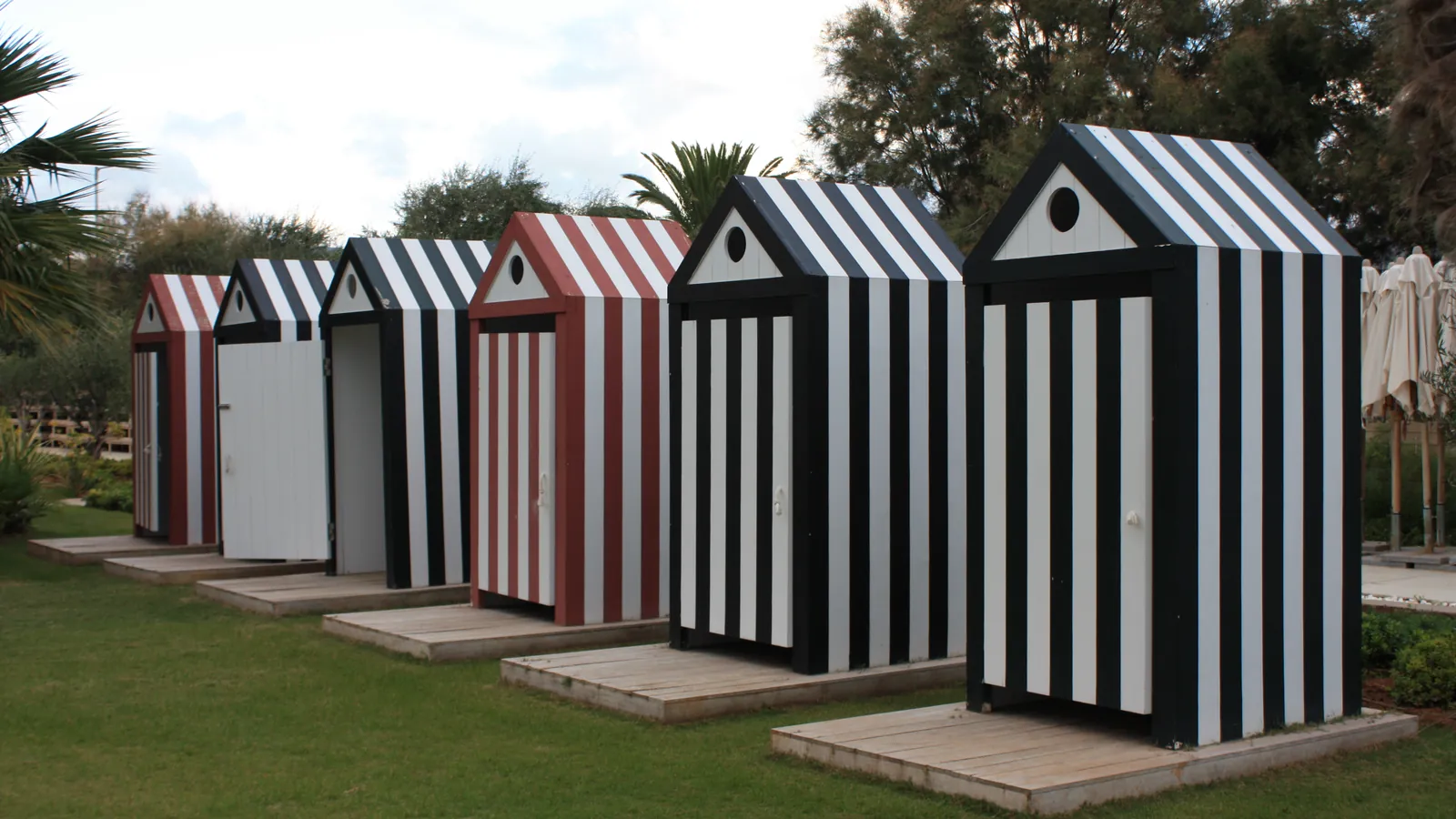
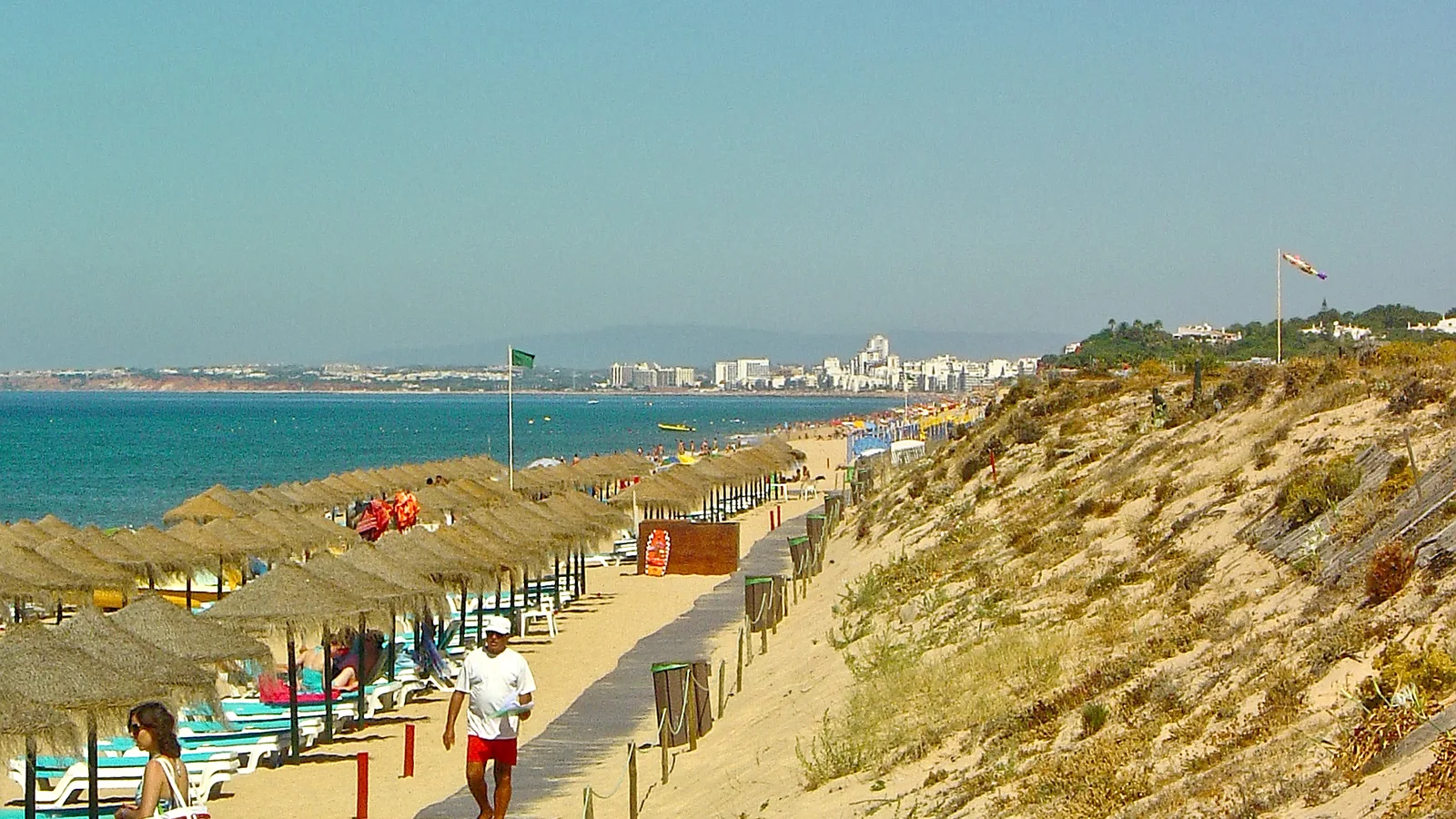
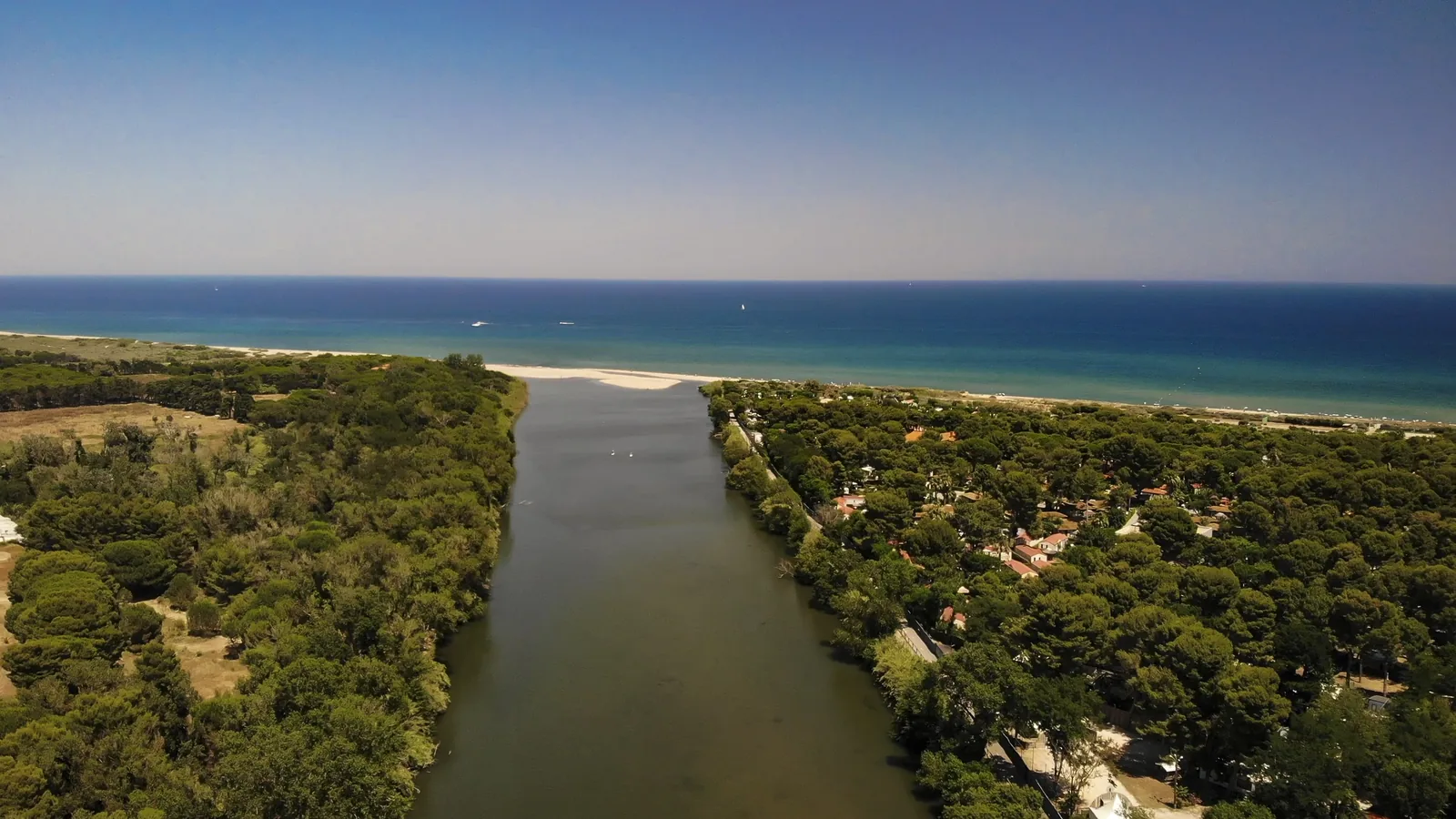
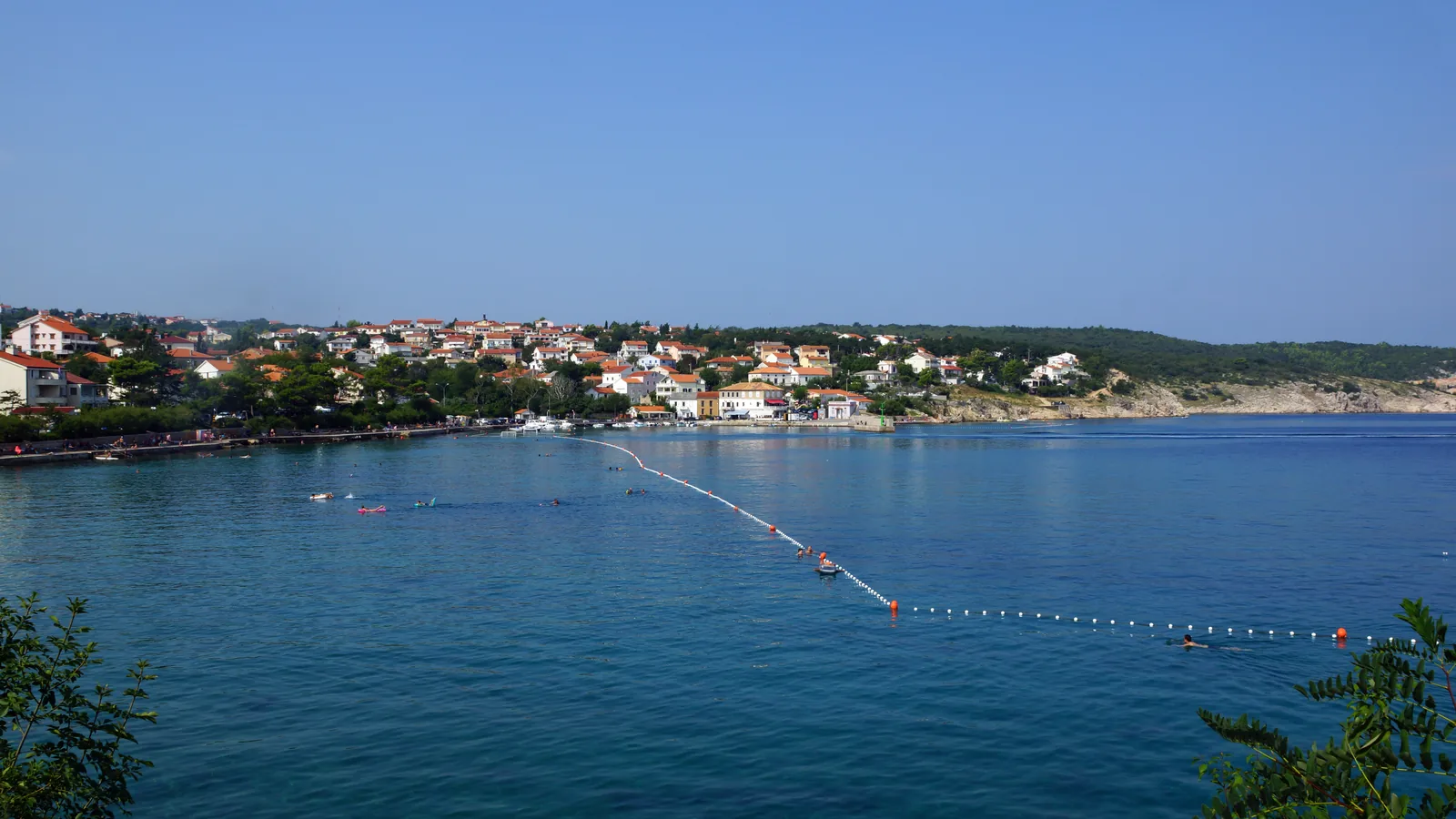
These beaches combine quiet & uncrowded characteristics with EU Excellent water quality, Blue Flag certification, and strong visitor ratings.
Quick Answers
FAQs: Quiet & Uncrowded Blue Flag Beaches
Do quiet beaches still have Blue Flag facilities?
Yes, every beach in this collection holds active Blue Flag certification, which requires the same 33-criteria assessment regardless of beach popularity. All certified beaches must provide toilet facilities, waste management, and environmental information boards as a minimum. What quieter certified beaches may lack are the larger commercial operations found at busy resort beaches: beachside restaurants, sun lounger rental, and shops are typically less prevalent. The core safety and cleanliness standards, however, are identical, and are independently verified each season.
When is the best time to visit a quieter Blue Flag beach?
June and September are the optimal quiet-season window for most European Blue Flag destinations. Air temperatures are typically 2–4°C below the July–August peak but still very comfortable (25–30°C in Mediterranean regions), sea temperatures lag air temperatures by about 4 weeks, meaning September sea temperatures are frequently warmer than June, a useful piece of timing intelligence. Outside the official Blue Flag season (typically October through May), facilities at some beaches may reduce or close, and the flag may not be actively flown even if the beach retains its certification for the following year.
Which countries have the quietest Blue Flag beaches?
Quiet certified beaches are distributed across the full range of Blue Flag countries, but certain regions stand out. Northern European certified beaches (Denmark, Sweden, Finland, Estonia) are often naturally quieter due to lower overall visitor volumes. In southern Europe, smaller islands (Greek Aegean islands outside Rhodes and Crete, the Azores, Madeira) and less-developed mainland regions (Alentejo coast in Portugal, Puglia and Calabria in southern Italy) consistently offer quieter certified sites. Individual beach pages include crowd-level data by month where available.
How is "quiet" determined for these beaches?
Beach quietness is derived from a combination of sources: crowd score data collected from visitor activity patterns (covering all 12 months), descriptive text analysis identifying terms associated with low visitor volumes, and location characteristics (distance from major resorts, road accessibility, beach size relative to the regional average). Beaches are tagged as "quiet" when multiple data signals consistently indicate below-average visitor density. This is a directional classification, not a guarantee, conditions vary by specific day, local events, and weather.
Are quieter Blue Flag beaches harder to reach?
Sometimes, though not always. Some of the quietest certified beaches are quiet precisely because they require more effort to reach, a longer drive from the nearest town, a boat trip, or a walk from the nearest parking area. This access barrier naturally filters visitor numbers. However, many quieter certified beaches are fully accessible by car and simply lack the resort infrastructure that drives high visitor numbers at busier sites. Individual beach pages include getting-there guidance covering driving distances, public transport options, and nearest airports.