Platamonas
Central Macedonia, Greece: Excellent water quality
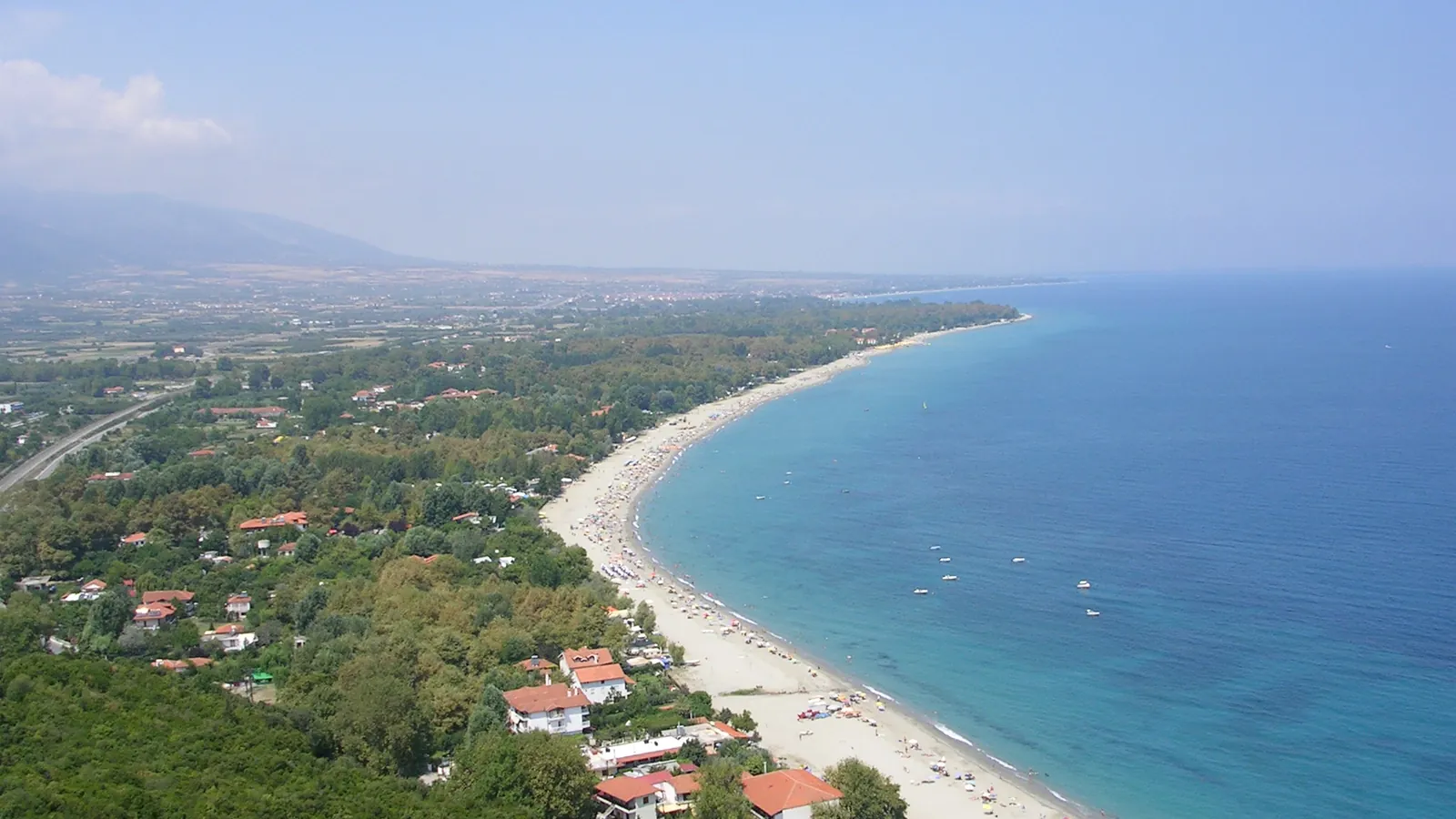
Platamona Beach holds a Blue Flag award year after year. The sandy beach sits in the urban part of the Municipality and stretches for approximately 300 meters.
Quick Overview
Plan Your Visit to Platamonas
The key facts before you go
About the Beach
What is Platamonas?
Platamonas sits along the western shore of the Thermaikos Gulf in Central Macedonia, where the foothills of Mount Olympus meet the Aegean Sea. This 300-meter stretch of sandy coastline has earned Blue Flag certification year after year, with water quality consistently rated as excellent. The beach faces east, catching morning sunlight across calm waters that warm to comfortable swimming temperatures from June through August. Part of the Dion-Olympos Municipality, Platamonas occupies an urban coastal setting roughly 30 kilometers from Katerini, the regional capital. Hotels and rental accommodations line the beachfront, making this a practical base for exploring the surrounding area. The location offers something increasingly rare along developed coastlines: direct access to both seaside relaxation and the remarkable biodiversity of the Olympus mountain ecosystem, where endemic plant species and rare birds of prey still thrive in protected natural areas.
It sits alongside certified beaches along Central Macedonia, part of a broader network of certified beaches throughout Greece certified annually by the Foundation for Environmental Education.
Visitor Feedback
What Visitors Say About Platamonas
What visitors appreciate
- small town|castle|family-friendly environment|sunbeds|sea urchins|seaside village|sea view|pedestrian street|pebble beach|no crowd
- Excellent EU-rated bathing water quality
Points to consider
- Can be busy during July and August peak season
- Facilities may be reduced outside peak months
Based on aggregated public visitor feedback. Themes are synthesised from multiple sources, not individual quotes. Zeach does not reproduce individual reviews.
Sunrise, Sunset & Beach Direction
Platamonas faces east toward Ionian Sea. The best light for photography and swimming is typically in April, May, June. Direct sun hours follow that facing.
Planning
When to Go: Month by Month
| Month | Air Temp | Water Temp | Crowds |
|---|---|---|---|
| Jan | 7°C | 15°C | Low |
| Feb | 9°C | 14°C | Low |
| Mar | 11°C | 14°C | Low |
| Apr | 15°C | 15°C | Low |
| May | 20°C | 18°C | Low |
| Jun | 24°C | 22°C | Low |
| Jul | 27°C | 25°C | Med |
| Aug | 27°C | 26°C | High |
| Sep | 23°C | 24°C | Med |
| Oct | 18°C | 21°C | Low |
| Nov | 14°C | 18°C | Low |
| Dec | 10°C | 16°C | Low |
The best time to visit Platamonas is April, May, June. Air temperatures peak around 26.6°C in summer. Peak water temperature reaches 24.6°C in July.
How crowded does Platamonas get?How busy does Platamonas actually get? The beach benefits from its relatively compact 300-meter length, which concentrates visitors but also means the available facilities (sunbeds, lifeguard coverage) serve a defined area rather than being spread thin across an expansive coastline. Review feedback suggests crowds remain manageable, with visitors specifically noting the lack of overcrowding as a positive aspect. This positions Platamonas somewhere between the packed resort beaches further south and truly isolated coves that lack any amenities. The family-friendly environment attracts a predictable demographic: parents with children dominate during school holiday periods, while the surrounding seaside village atmosphere appeals to those preferring a quieter pace than larger resort towns offer. The small town character means evening entertainment centers on the pedestrian street rather than nightclub strips. Peak season runs June through August, aligning with the official swimming season and optimal water temperatures. July and August see the warmest air temperatures, averaging around 27°C, making beach days genuinely comfortable rather than oppressively hot. The east-facing orientation means the beach receives morning sun directly, with conditions typically calmer in early hours before afternoon breezes develop across the gulf. Visitors seeking the quietest conditions should consider June or September shoulder periods, when families with school-age children are less prevalent. Water temperatures remain swimmable in September at roughly 20°C, though lifeguard coverage may be reduced outside the core season.
Is Platamonas open year-round?The beach itself is accessible year-round, though staffed facilities including lifeguards typically operate only during the official season (01-07 – 30-09). The Blue Flag is displayed during the certification period only.
The Water
Swimming and Beach Life at Platamonas
Is Platamonas safe to swim?Platamonas is Blue Flag certified, which requires meeting strict bathing water standards set by the EU Bathing Water Directive. Water quality is rated Excellent.
What is the water temperature at Platamonas?Peak water temperature at Platamonas reaches around 24.6°C in July, making it comfortable for swimming during the summer months. In winter (January), air temperatures average 6.9°C.
What is the beach like at Platamonas?What makes Platamonas worth your time? The beach stretches approximately 300 meters along the eastern-facing coastline, presenting visitors with a sandy shore that slopes gently into waters rated excellent for bathing quality. The east-facing orientation means morning swimmers catch direct sunlight while afternoon visitors enjoy the beach as Mount Olympus casts its long shadow toward the sea. The sandy composition underfoot distinguishes Platamonas from some neighboring beaches in the region. However, swimmers should note that sea urchins are present in the waters here, so water shoes are a sensible precaution, particularly for those venturing beyond the immediate shoreline or exploring rockier sections. Lifeguards patrol during the swimming season, adding a layer of safety that makes the beach particularly suitable for families with children. Sunbeds are available for those who prefer not to bring their own beach equipment, arranged along the sand with views across the Thermaikos Gulf. Water temperatures follow a predictable pattern through the season. June sees the sea warming to around 21°C, climbing to approximately 24°C through July and August before dropping to about 20°C in September. These temperatures make the official swimming season of June through August quite reasonable, though hardier swimmers might find late May or early September acceptable. Winter temperatures plunge dramatically (the sea drops to below 4°C in January) so this remains firmly a summer destination for water activities. The urban beach setting means amenities are never far away. Hotels and rental rooms back onto the shore, providing easy access to accommodation, dining, and facilities. This accessibility comes with trade-offs: those seeking isolated coastal wilderness will find Platamonas too developed, while families and visitors wanting convenience will appreciate the infrastructure. What draws people specifically to this stretch of coast? The combination of Blue Flag water quality, lifeguard presence, and family-friendly environment creates a reliable beach destination. The proximity to the castle (visible from various points along the beach) adds historical interest to what might otherwise be a straightforward seaside visit. A pedestrian street runs through the area, allowing evening strolls after beach days. The surrounding natural environment deserves mention. The Olympus area hosts remarkable biodiversity, including endemic flora like koumaria, agriotsouknida, and mirtia. Birdwatchers might spot rare species including gypaetos, maurogypas, and asproparis in the broader region, though these require venturing into the mountain areas rather than expecting sightings from your sunbed. The beach benefits from its position close to the national road, making it easily accessible without lengthy drives down winding coastal roads. From Katerini, the 30-kilometer journey takes roughly half an hour by car. This accessibility makes Platamonas practical for day trips as well as longer stays.
Platamonas sits on the Ionian Sea: explore all Blue Flag beaches on the Ionian.
Planning a trip to Greece? How Greece earns the most Blue Flags , our editorial guide to certified beaches across the country.
While You're Here
Beyond Platamonas
The castle overlooking Platamonas provides the most immediate off-beach attraction, offering historical interest and elevated views across the coastline and toward Mount Olympus. This medieval fortification draws visitors seeking a break from sandy shores. The broader Olympus region presents remarkable natural diversity for those willing to venture inland. The mountain ecosystem supports endemic plant species found nowhere else (including koumaria, agriotsouknida, and mirtia) alongside rare birds of prey such as gypaetos, maurogypas, and asproparis. Protected natural areas offer hiking opportunities, though these require separate excursions from the beach. The municipality organizes environmental educational activities throughout the year, including tree planting programs for children and adults, student visits to protected areas and the Katerini biological treatment facility, and environmental art exhibitions. An interpretation center in Palaios Panteleimonas provides structured learning opportunities about the local ecosystem. The seaside village character of Platamonas extends to a pedestrian street suitable for evening walks after beach days. Small town amenities cater to visitors without the overwhelming commercial development of larger resort destinations. Katerini, 30 kilometers away, offers additional shopping, dining, and services for those seeking urban conveniences.
Transport
Getting to Platamonas
How do I get to Platamonas by car?Platamonas is approximately 18.48 km from Dion - Olympos Municipality. Follow local road signs to the beach. Check Google Maps or a local map for the most current directions.
What is the nearest airport to Platamonas?The nearest airport is Thessaloniki Macedonia International Airport (SKG), approximately 65.5 km away.
Can I get to Platamonas by public transport?Bus services run daily from Athens, Thessaloniki, and Katerini to the Platamonas area. The national road passes close to the beach, making bus access practical. From Katerini, the 30-kilometer journey provides the most frequent connections. Schedules vary seasonally, so checking current timetables before travel is advisable. The nearest recorded bus stop is 148 m from the beach.
Is there a train to Platamonas?Train services connect Platamonas to both Athens and Thessaloniki, with daily scheduled departures from each city. The railway line runs close to the coast, making the station accessible from the beach area. From Athens, the train journey covers considerable distance but provides a comfortable alternative to driving. Thessaloniki connections are shorter and more frequent, making northern arrivals straightforward. Katerini, the regional capital 30 kilometers away, also sits on the main rail line, offering additional connection options for those combining beach time with broader regional exploration.
Map
Find Platamonas
Open the map or get directions to the Platamonas pin. Amenity names are listed here only when OpenStreetMap has a mapped feature nearby.
Map loads when you ask. Tiles stay off the first paint.
Map: OpenStreetMap (ODbL)
On the beach
Facilities at Platamonas
- Lifeguards
- Yes, during the certified season
- Wheelchair access
- No dedicated disabled access listed
- Visual assistance
- No
- Toilets
- No
- Showers
- No
- Drinking water
- Yes
- Parking
- Available nearby (surface parking)
- Surface
- Pebbles
- Entry
- Free to enter
These details can change. Check on arrival.
Map data © OpenStreetMap contributors
Practical Details
Practical Information
| At the Beach | |
| Official Season | 01 Jul – 30 Sep |
|---|---|
| Beach Type | Sandy beach |
| Nearest supermarket | 210 m from the beach |
| Nearest bus stop | 148 m from the beach |
| Visiting Information | |
| GPS Coordinates | 39.9920°N, 22.6271°E |
| Water Quality | Excellent (EU Bathing Water Directive) |
| Blue Flag Operator | Foundation for Environmental Education (FEE), Greece |
Frequently Asked Questions
Platamonas FAQ
Is Platamonas worth visiting?
Platamonas delivers a reliable Blue Flag beach experience with excellent water quality, lifeguard coverage, and accessible facilities. The 300-meter sandy beach suits families and visitors seeking convenience over isolation. The castle adds historical interest, while proximity to Mount Olympus ecosystems provides day-trip options for nature enthusiasts. Those wanting remote wilderness or extensive nightlife should look elsewhere, but for straightforward seaside holidays with good infrastructure, Platamonas represents solid value.
How do I get to Platamonas?
The beach sits 30 kilometers from Katerini along the national road, making car access straightforward. Daily train and bus services connect from Athens, Thessaloniki, and Katerini. Thessaloniki Airport offers the closest practical flight option, with ground transport continuing to the coast. Athens Airport lies 260 kilometers away, requiring longer onward travel. The proximity to major transport routes makes Platamonas more accessible than many coastal destinations in the region.
Best time of year?
The official swimming season runs June through August, when water temperatures reach 21-24°C and lifeguards patrol the beach. July and August offer the warmest conditions with air temperatures averaging around 27°C. June provides comfortable swimming with potentially smaller crowds before school holidays peak. September remains swimmable at roughly 20°C for those preferring quieter conditions. Winter visits suit castle exploration but not beach activities, with sea temperatures dropping below 4°C.
What facilities are there?
Platamonas provides sunbeds along the beach, lifeguard coverage during swimming season, and immediate access to hotels and rental accommodations backing onto the shore. A pedestrian street offers evening strolling and dining options. The urban beach setting means restaurants, shops, and services are within walking distance. The compact 300-meter beach length ensures facilities remain concentrated rather than requiring long walks between amenities.
Is it suitable for families?
Platamonas ranks well for families, earning specific mention as a family-friendly environment. Lifeguards provide supervision during the June-August swimming season, while the sandy beach and gentle entry suit children. The small town atmosphere avoids the chaos of larger resorts. One caution: sea urchins are present, so water shoes help protect young swimmers exploring beyond the immediate shoreline. Educational environmental programs, including tree planting activities, offer structured activities for children during visits.
Explore More
Nearby Blue Flag Beaches
Editorial
From the Zeach Blog
Everything you need to know about what makes a beach qualify for Blue Flag status, from water quality to environmental education.
Read moreOur editorial team's pick of the standout Blue Flag beaches in Greece, rated for family friendliness, scenery, and facilities.
What the flag actually means, how certification works, and why a Blue Flag is a genuinely reliable signal, not just a marketing tool.
Read moreSources
- Foundation for Environmental Education: Blue Flag programme
- FEE site listing for Platamonas
- Hellenic Society for the Protection of Nature (EEPF)
- European Environment Agency: bathing water quality
Last verified September 2026. National operator pages and FEE listings are the primary certification sources.