Best Family-Friendly Blue Flag Beaches
Certified safe, clean, and well-equipped, independently assessed every season for the conditions that matter most to families.
A Blue Flag beach is the closest thing to a guarantee you can get before arriving at a beach with children. Every certified beach has been independently assessed against 33 criteria in the current season, including mandatory water quality testing against EU standards, toilet and shower facilities, waste management, and first-aid provision. The flag must be physically flying on the day for the beach to be considered actively certified.
The 1,900+ Blue Flag beaches tagged as family-friendly combine that baseline certification with additional characteristics drawn from visitor data and descriptions: shallow, sheltered entry points, calm or manageable surf, shaded rest areas, or proximity to family services. Every beach on this page has been independently assessed by the Foundation for Environmental Education (FEE) in the current season.
Plan your visit: Blue Flag beaches operate at full capacity (lifeguards, monitoring, facilities) during the official season (typically June–September). Outside this window, some facilities may reduce or close. Always check individual beach pages for current-season opening status.
By Country
Countries with Family-Friendly Blue Flag Beaches
All 1,922 beaches below are Blue Flag certified, independently assessed each season. Click any country to see its full beach listings with water quality and facility data.
Top Picks
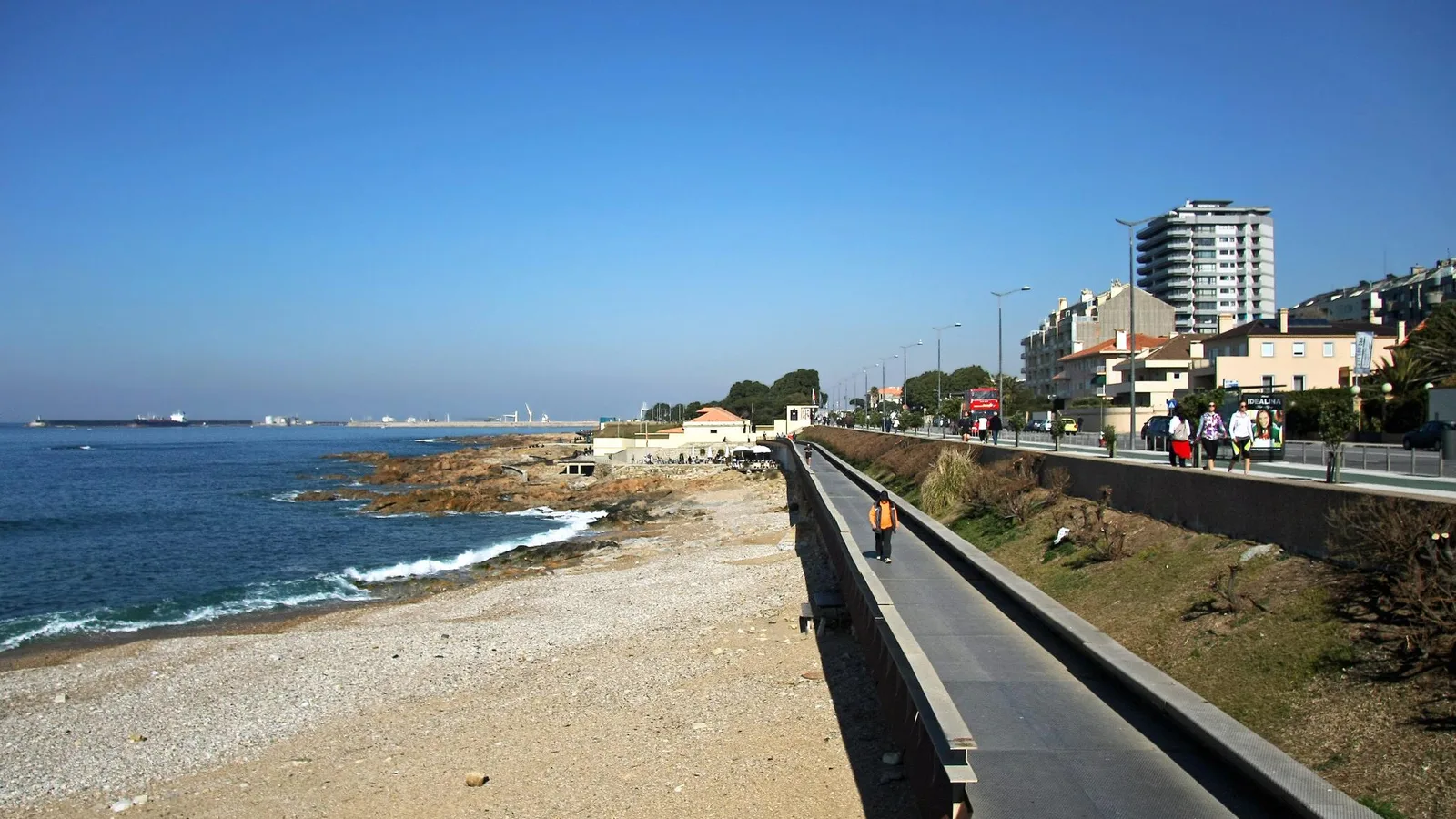
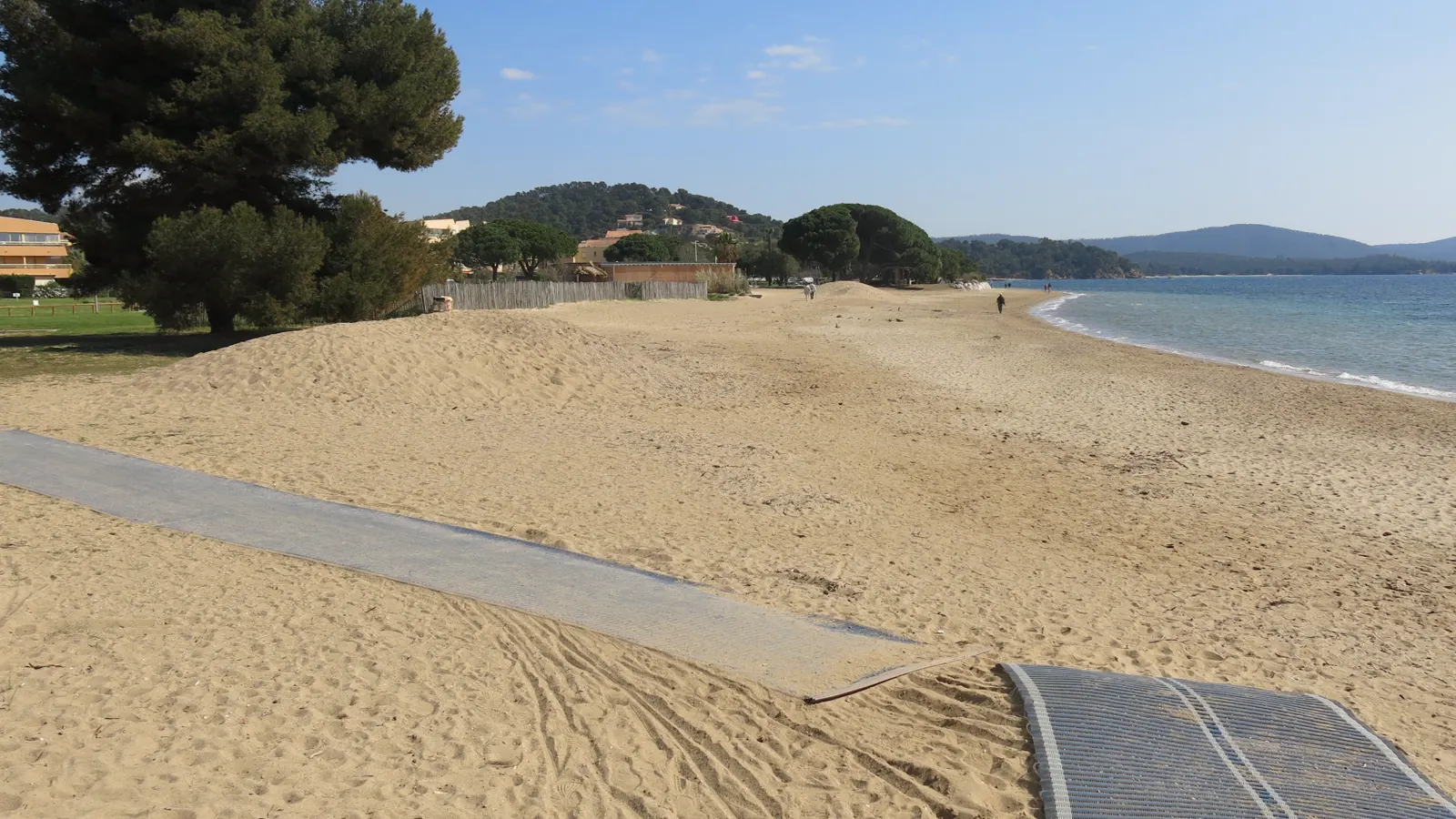
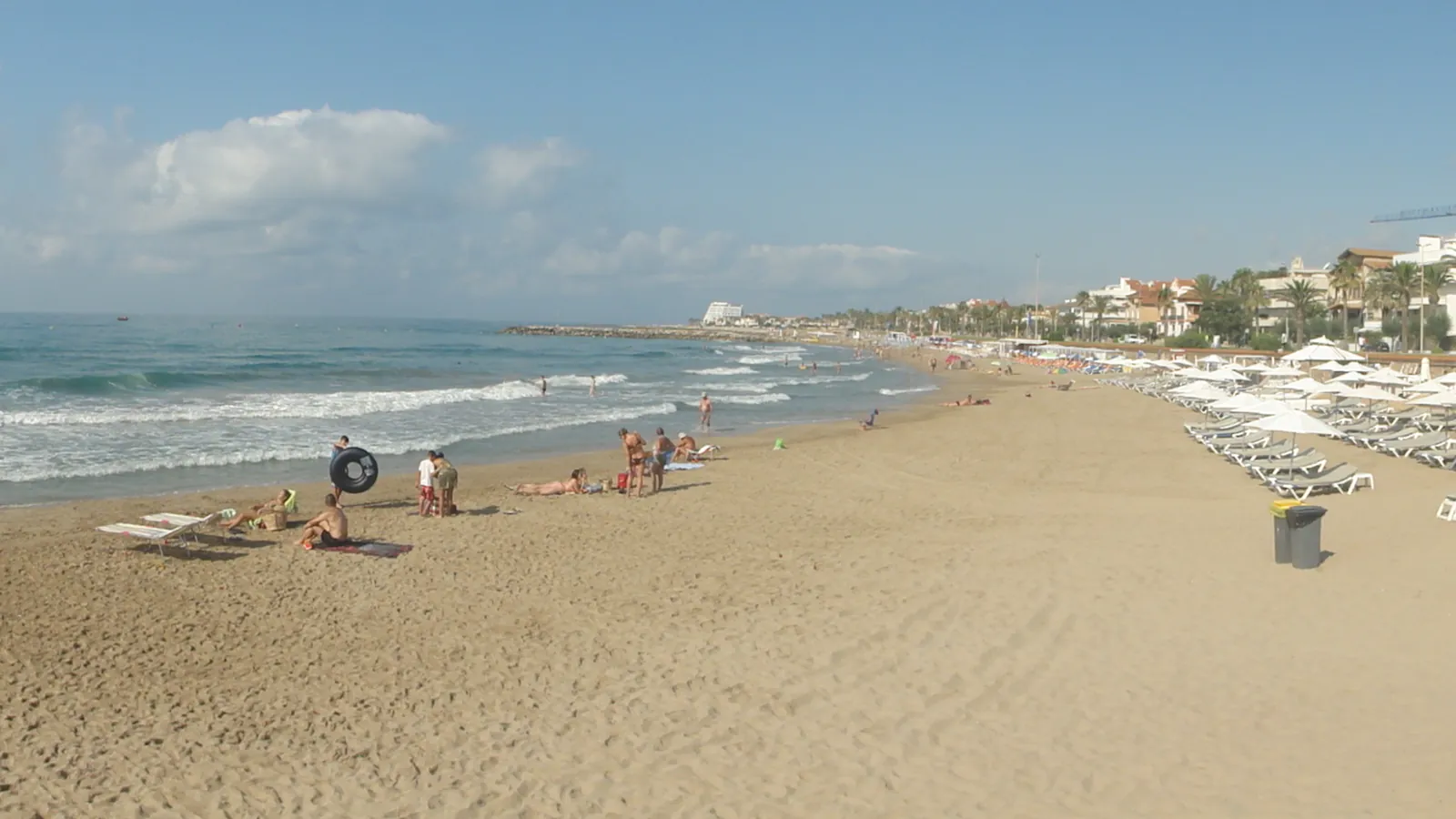
Highly-Rated Family-Friendly Blue Flag Beaches
These beaches combine family-friendly characteristics with EU Excellent water quality, Blue Flag certification, and strong visitor ratings.
Quick Answers
FAQs: Family-Friendly Blue Flag Beaches
What makes a Blue Flag beach safer for children?
Blue Flag certification requires beaches to meet 33 criteria that directly reduce common beach safety risks for families. Mandatory criteria include water quality testing against EU Bathing Water Directive standards (tested multiple times per season), the presence of waste management facilities, first-aid provision, and environmental information boards. While lifeguard coverage is not mandatory, many certified beaches provide it, individual beach pages note whether lifeguards are present. The certification is renewed annually; a beach failing any mandatory criterion loses its flag immediately.
Are there Blue Flag beaches with very calm water suitable for toddlers?
Yes, sheltered bays and lagoon beaches are common among Blue Flag sites in the Mediterranean, Adriatic, and Baltic. These naturally protected locations have gentle wave action, making them ideal for very young children. Look for beaches described as "bay", "cove", or "lagoon" in their names, or filter by region within country pages, calmer beaches are often found in regions sheltered by geography rather than open Atlantic or North Sea coasts. Individual beach pages note whether shallow entry and calm conditions are typical.
Do Blue Flag beaches have toilets and showers?
Yes, toilet provision is a mandatory Blue Flag criterion. Every certified beach must provide accessible toilet facilities for the duration of the official season. Shower facilities are common but not universally required. Individual beach pages show facility details, including the presence of showers, first-aid posts, and accessibility features. The quality and maintenance of facilities does vary between sites, beach management rating and visitor feedback help indicate the best-run beaches within a country.
How do I find the best family Blue Flag beach in a specific country?
Click the country in the grid above to reach the country hub page, which lists all certified beaches for that country with water quality and facility data. Within a country hub, the individual beach pages provide the full detail: water temperature, monthly crowd levels, accessibility, parking, lifeguard status, and a practical visitor section covering exactly what to expect on arrival. For the most popular countries (Spain, Greece, Italy, France, Portugal), regional sub-pages further narrow choices by coastal area.
What is the best time of year to visit a family Blue Flag beach?
The official Blue Flag season runs from June through September in most European countries, when all certified facilities are fully operational. July and August are the warmest months and most suitable for very young children, sea temperatures across Mediterranean Blue Flag beaches typically reach 24–27°C. For families who can travel outside school holidays, June and September offer nearly identical conditions with significantly fewer crowds and easier, cheaper accommodation. The country pages on Zeach include crowd-level charts by month to help with timing decisions.