N.Panteleimonas-Skotina
Central Macedonia, Greece: Excellent water quality
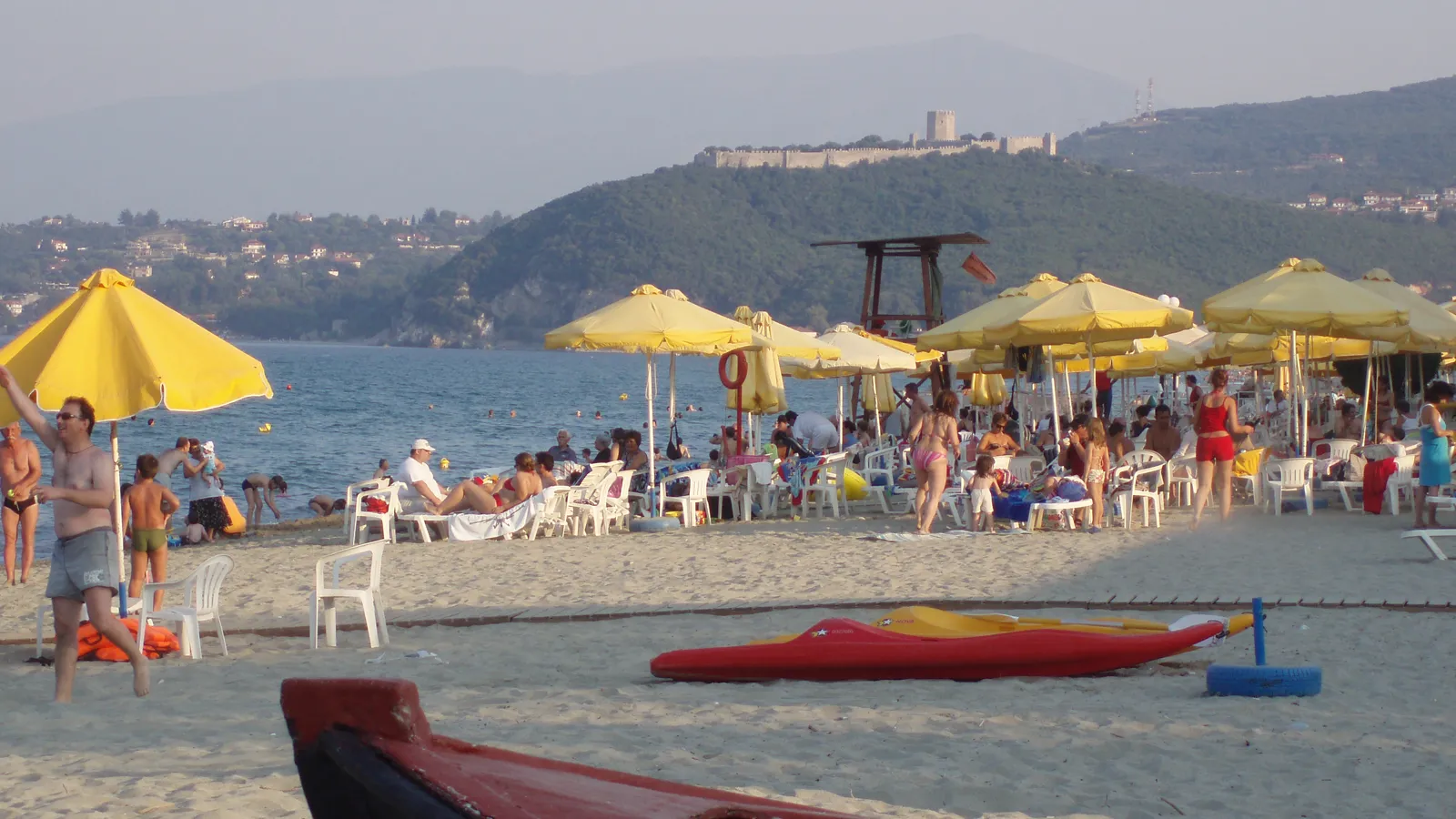
Skotina Beach earns its Blue Flag every year. The sandy beach sits in the urban part of the municipality, just 30 kilometers from Katerini, the capital of Pieria.
Quick Overview
Plan Your Visit to N.Panteleimonas-Skotina
The key facts before you go
About the Beach
What is N.Panteleimonas-Skotina?
N. Panteleimonas-Skotina stretches along the Thermaikos Gulf coastline in Central Macedonia, positioned at the foothills of legendary Mount Olympos. This Blue Flag beach sits within the Dion-Olympos Municipality, approximately 30 kilometers from the regional capital of Katerini. The sandy shoreline extends for about 200 meters along the eastern-facing coast, catching the morning sun as it rises over the Aegean waters. With excellent bathing water quality verified through regular testing, the beach serves as a reliable swimming destination for visitors exploring the Pieria region. The urban setting means hotels and accommodation options line the coastal road, providing convenient access for holidaymakers. Environmental education programs run throughout the year, including tree planting activities and student visits to protected natural areas, reflecting the local commitment to ecological awareness. The proximity to Mount Olympos adds a distinctive backdrop, where the mountain's unique flora and fauna (including species found nowhere else) create a natural heritage worth exploring beyond the shoreline.
It sits alongside certified beaches along Central Macedonia, part of a broader network of certified beaches throughout Greece certified annually by the Foundation for Environmental Education.
Sunrise, Sunset & Beach Direction
N.Panteleimonas-Skotina faces east toward Ionian Sea. The best light for photography and swimming is typically in April, May, June. Direct sun hours follow that facing.
Planning
When to Go: Month by Month
| Month | Air Temp | Water Temp | Crowds |
|---|---|---|---|
| Jan | 7°C | 4°C | Low |
| Feb | 9°C | 6°C | Low |
| Mar | 11°C | 8°C | Low |
| Apr | 15°C | 12°C | Low |
| May | 20°C | 17°C | Low |
| Jun | 24°C | 21°C | Low |
| Jul | 27°C | 24°C | Med |
| Aug | 27°C | 24°C | High |
| Sep | 23°C | 20°C | Med |
| Oct | 18°C | 15°C | Low |
| Nov | 14°C | 11°C | Low |
| Dec | 10°C | 7°C | Low |
The best time to visit N.Panteleimonas-Skotina is April, May, June. Air temperatures peak around 26.6°C in summer. Peak water temperature reaches 23.6°C in July.
How crowded does N.Panteleimonas-Skotina get?Who typically visits N.Panteleimonas-Skotina throughout the season? The beach draws primarily family groups seeking a reliable swimming spot with lifeguard coverage and easy access to accommodation. The urban setting and proximity to hotels means the visitor base includes both domestic Greek holidaymakers and international tourists using the Pieria coast as a base for exploring the Mount Olympos region. The official swimming season runs from June through August, and this period concentrates the majority of beach activity. July and August see the highest visitor numbers, coinciding with Greek school holidays and peak European travel periods. The 200-meter beach length means space can become limited during busy summer weekends, particularly around midday when temperatures peak and families seek water activities. Morning hours generally offer more relaxed conditions, with the east-facing orientation making early visits particularly appealing as the beach catches direct sunlight. Late afternoon brings another quieter window as day-trippers begin departing and temperatures moderate. What atmosphere should visitors expect? The family-oriented character shapes the beach environment. Children playing in the shallows, parents stationed on the sand, and the general sounds of a busy summer beach define the peak season experience. The presence of lifeguards and the urban infrastructure create a managed rather than wild coastal atmosphere. This suits visitors seeking convenience and safety over seclusion. Those wanting isolated beach experiences would need to explore further along the Pieria coastline, as N.Panteleimonas-Skotina delivers accessibility and services rather than escape from other beachgoers.
Is N.Panteleimonas-Skotina open year-round?The beach itself is accessible year-round, though staffed facilities including lifeguards typically operate only during the official season (01-07 – 30-09). The Blue Flag is displayed during the certification period only.
The Water
Swimming and Beach Life at N.Panteleimonas-Skotina
Is N.Panteleimonas-Skotina safe to swim?N.Panteleimonas-Skotina is Blue Flag certified, which requires meeting strict bathing water standards set by the EU Bathing Water Directive. Water quality is rated Excellent. Lifeguards are on duty during the official season.
What is the water temperature at N.Panteleimonas-Skotina?Peak water temperature at N.Panteleimonas-Skotina reaches around 23.6°C in July, making it comfortable for swimming during the summer months. In winter (January), air temperatures average 6.9°C.
What is the beach like at N.Panteleimonas-Skotina?What makes the sand and seabed at N.Panteleimonas-Skotina comfortable for swimmers? The beach features sandy composition throughout its 200-meter length, creating a surface that families and casual beachgoers find easy to navigate. The eastern-facing orientation means the shoreline receives direct morning sunlight, with the beach gradually warming through the early hours before the sun moves overhead. This positioning also provides some natural shelter from prevailing western winds that can affect other stretches of the Pieria coastline. The water quality at N.Panteleimonas-Skotina carries an Excellent rating under EU bathing water standards, a classification the beach maintains year after year as it continues earning Blue Flag certification. For swimmers, this translates to clear visibility and clean conditions throughout the designated bathing season running from June through August. Water temperatures during peak season range from 21.4°C in June to 23.9°C in August, reaching their warmest point in late summer. These temperatures suit extended swimming sessions without the initial shock that cooler waters can deliver. How does the beach layout work for different visitor needs? The urban positioning within the municipality means infrastructure surrounds the beach area. Hotels and rental rooms operate along the coastal stretch, with facilities designed to serve beach visitors. Lifeguards are present during the swimming season, providing an additional safety layer that makes the location practical for families with children or less confident swimmers. The seabed conditions along this coast generally follow the sandy composition of the shore itself, though visitors should always check local conditions before venturing into deeper water. The relatively short beach length of 200 meters keeps the swimming population concentrated, which means lifeguard oversight covers the entire bathing area effectively. Air temperatures during the summer months average 26.6°C in July and 26.9°C in August, creating conditions where time spent between swimming sessions remains comfortable rather than uncomfortably hot. September brings a notable shift, with air temperatures dropping to an average of 22.7°C and water temperatures falling to 19.7°C. While technically outside the official swimming season, some visitors find these conditions still acceptable for brief swims, particularly during warmer spells. The shoulder seasons see fewer crowds, though lifeguard services may not operate outside the June-August window. The environmental education programs that run here add an unusual dimension to the beach experience. Activities include tree planting sessions open to both children and adults, participation in the E.E.P.F 'Nature without garbage' program, and organized visits to nearby protected natural areas and the biological treatment facility at Katerini. Student painting exhibitions focused on environmental themes and an environmental interpretation center in Panteleimonas provide educational content for visitors interested in the ecological context of the region. These programs reflect genuine local engagement with conservation rather than superficial green credentials.
Does N.Panteleimonas-Skotina have good facilities?As a Blue Flag certified beach, N.Panteleimonas-Skotina meets the Foundation for Environmental Education's standards for facilities and services. Trained lifeguards are on duty during the season. The beach has disabled access facilities.
N.Panteleimonas-Skotina sits on the Ionian Sea: explore all Blue Flag beaches on the Ionian.
Planning a trip to Greece? How Greece earns the most Blue Flags , our editorial guide to certified beaches across the country.
While You're Here
Beyond N.Panteleimonas-Skotina
Mount Olympos dominates the landscape behind N.Panteleimonas-Skotina, and the mountain's ecological significance extends well beyond its mythological fame. The area hosts remarkable biodiversity, with plant species including koumaria, wild nettles, and myrtle that thrive in the specific conditions of the Olympos slopes. Birdwatchers can potentially spot impressive species such as the bearded vulture, black vulture, and Egyptian vulture in the protected mountain habitats, though sightings require patience and often specialized guidance. The environmental interpretation center in Panteleimonas provides context for understanding this natural heritage, offering educational displays about local ecosystems. Organized visits to protected natural areas give structured access to landscapes that independent exploration might miss. The biological treatment facility at Katerini accepts educational visits, providing insight into how the region manages its environmental responsibilities. The ancient site of Dion, within the same municipality, represents significant archaeological heritage connected to the Macedonian kingdom and later Roman occupation. The combination of coastal relaxation, mountain ecosystems, and historical sites creates options beyond pure beach time for visitors staying in the area.
Transport
Getting to N.Panteleimonas-Skotina
How do I get to N.Panteleimonas-Skotina by car?N.Panteleimonas-Skotina is approximately 13.46 km from Dion - Olympos Municipality. Follow local road signs to the beach. Check Google Maps or a local map for the most current directions.
What is the nearest airport to N.Panteleimonas-Skotina?The nearest airport is Athens International Airport "El. Venizelos" (ATH), approximately 264.5 km away. Athens International Airport serves as the nearest major airport, though at 264.5 kilometers from N.Panteleimonas-Skotina, this involves significant onward travel. The distance makes flying into Athens practical only for visitors combining beach time with broader Greek travel or those unable to access closer airports. From Athens, the journey north requires either a rental car via the national road network, a domestic connecting flight to Thessaloniki, or ground transport options. Thessaloniki Airport, while not listed in the data, sits considerably closer to the Pieria coast and represents the more practical air arrival point for most international visitors targeting this specific beach. Budget airlines and seasonal routes serve Thessaloniki from multiple European cities during summer months.
Can I get to N.Panteleimonas-Skotina by public transport?Bus services connect N.Panteleimonas-Skotina with Athens, Thessaloniki, and Katerini through daily scheduled itineraries. The beach location close to the national road makes it accessible via the intercity bus network. From Katerini, local services or taxis cover the remaining 30 kilometers to reach the beach area. Bus travel suits budget-conscious visitors and those without driving licenses.
Is there a train to N.Panteleimonas-Skotina?Rail connections serve the N.Panteleimonas-Skotina area with daily scheduled services from Athens, Thessaloniki, and Katerini. The train offers a practical alternative to driving, particularly for visitors arriving without vehicles. Services run regularly along the main north-south railway line that connects the Greek capital with Thessaloniki and intermediate stations. From Katerini station, the beach lies approximately 30 kilometers away, requiring local transport for the final leg. The train journey from Athens takes several hours but provides a comfortable option for those preferring rail travel, with the route passing through central Greek landscapes before reaching the Pieria region.
Nearby
Near N.Panteleimonas-Skotina
Mapped toilets, bus stops, cafés, parking, and shops within about 500 m of N.Panteleimonas-Skotina. Distances are walking-line estimates from the beach pin.
Map loads when you ask. Tiles stay off the first paint.
Map: OpenStreetMap (ODbL)
Cafés near N.Panteleimonas-Skotina
- Psarou Café 174 m
- Café Café 390 m
Source: © OpenStreetMap contributors (ODbL). Names and positions come from mapped OSM features. Confirm on site.
Practical Details
Practical Information
| At the Beach | |
| Entry | Free: no charge to access the beach |
|---|---|
| Lifeguards | ✓ On duty during official season |
| Disabled Access | ✓ Accessible site facilities |
| Showers | ✗ |
| Toilets | ✗ |
| Official Season | 01 Jul – 30 Sep |
| Beach Type | Sandy beach |
| Parking | ✗ No parking listed nearby |
| Nearest supermarket | 550 m from the beach |
| Visiting Information | |
| GPS Coordinates | 40.0271°N, 22.5887°E |
| Water Quality | Excellent (EU Bathing Water Directive) |
| Blue Flag Operator | Foundation for Environmental Education (FEE), Greece |
Frequently Asked Questions
N.Panteleimonas-Skotina FAQ
Is N.Panteleimonas-Skotina worth visiting?
N. Panteleimonas-Skotina earns its Blue Flag status annually and maintains excellent water quality ratings, making it a reliable choice for swimmers prioritizing clean bathing conditions. The beach works well for families seeking lifeguard coverage and easy access to hotels and rental accommodation. The 200-meter sandy stretch sits against the backdrop of Mount Olympos, adding visual interest beyond typical beach scenery. Environmental education programs distinguish it from purely recreational beaches. Worth visiting depends on priorities, those seeking extensive sandy coastline should look elsewhere, but for a convenient, certified-clean family beach with good infrastructure, it delivers.
How do I get to N.Panteleimonas-Skotina?
The beach sits 30 kilometers from Katerini along the national road, making car access straightforward for drivers. Daily bus and train services connect the area with Athens, Thessaloniki, and Katerini, providing options for visitors without vehicles. The nearest major airport is Athens at 264.5 kilometers, though Thessaloniki offers a closer air arrival point. From Katerini, local transport or taxi completes the journey. The beach's position near the main road network means signposting guides drivers effectively. Contact local tourism at 2352021023 or 2352033100 for current transport schedules.
What is the best time of year to visit N.Panteleimonas-Skotina?
The official swimming season runs June through August, with lifeguards present during this period. Water temperatures climb from 21.4°C in June to 23.9°C in August, providing comfortable swimming conditions throughout summer. Air temperatures average around 26-27°C in July and August. Early June offers warm enough water with potentially fewer visitors before peak holiday season begins. Late August combines warm water with slightly reduced crowds as some European holidays end. September water drops to 19.7°C, still swimmable for hardy swimmers but officially outside the designated season.
What facilities are there at N.Panteleimonas-Skotina?
Lifeguards operate during the June-August swimming season, providing safety oversight across the 200-meter beach. Hotels and rental rooms line the coastal area, offering accommodation within walking distance of the sand. The urban setting means typical services (shops, restaurants, parking) exist nearby, though specific amenities vary seasonally. An environmental interpretation center in Panteleimonas provides educational facilities. The beach participates in environmental programs including tree planting and coastal cleanup initiatives. For detailed current facility information, contact local authorities at 2352021023 or visit www.aktesolympou.gr.
Is N.Panteleimonas-Skotina suitable for families?
Yes, the beach carries a family designation and features several elements supporting family visits. Lifeguard presence during summer months provides safety assurance for parents with children. The sandy composition offers comfortable playing conditions without rocky hazards. Excellent water quality means children can swim without concerns about pollution. Nearby hotels and rental accommodation reduce logistical challenges of traveling with families. Environmental education programs including tree planting and nature visits give families activities beyond standard beach time. The 200-meter length keeps children within sight easily. Water reaches 23.9°C in August, warm enough for extended child swimming sessions.
Are there cafés near N.Panteleimonas-Skotina?
Yes. OpenStreetMap lists 2 cafés or restaurants near N.Panteleimonas-Skotina, including Psarou (174 m) and 390 m away. Hours and seasonal opening are not verified here. Check on the day. © OpenStreetMap contributors (ODbL).
Explore More
Nearby Blue Flag Beaches
Editorial
From the Zeach Blog
Everything you need to know about what makes a beach qualify for Blue Flag status, from water quality to environmental education.
Read moreOur editorial team's pick of the standout Blue Flag beaches in Greece, rated for family friendliness, scenery, and facilities.
Explore GreeceWhat the flag actually means, how certification works, and why a Blue Flag is a genuinely reliable signal, not just a marketing tool.
Read moreSources
- Foundation for Environmental Education: Blue Flag programme
- FEE site listing for N.Panteleimonas-Skotina
- Hellenic Society for the Protection of Nature (EEPF)
- European Environment Agency: bathing water quality
Last verified September 2026. National operator pages and FEE listings are the primary certification sources.