Areia Branca
Lisbon, Portugal: Excellent water quality
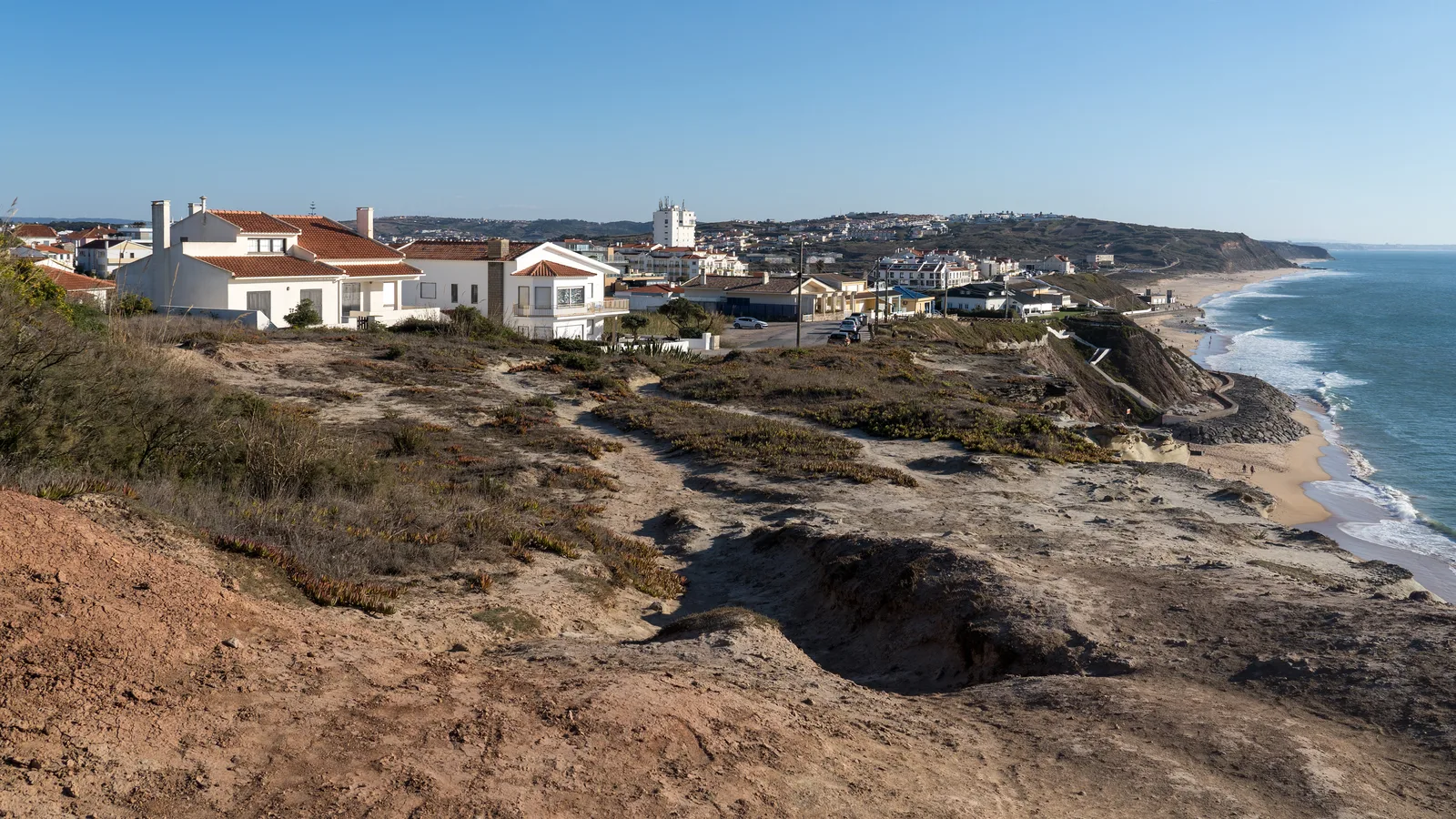
Urban beach backed by low cliffs, this is a regional tourism landmark with everything needed for a relaxing day out. You'll find mini-golf, surfing, and bodyboarding here, making it a solid choice if you want activities alongside beach time. Restaurants, bars, and cafes line the…
Quick Overview
Plan Your Visit to Areia Branca
The key facts before you go
About the Beach
What is Areia Branca?
Areia Branca sits on the western coast near Lourinhã, about 80km north of Lisbon. This urban beach is framed by low cliffs to the north and has become a regional tourism landmark. The beach draws a steady mix of swimmers, surfers, and families looking for a full day out. Water quality is excellent, and the beach maintains lifeguard cover during peak season. From July through October, water temperatures climb into the high teens Celsius, making it the most comfortable swimming period. The beach's main draw is its variety, surf breaks, bodyboarding zones, and calmer areas coexist across the same stretch of sand.
It sits alongside Blue Flag beaches in Lisbon, part of a broader network of Blue Flag certified beaches across Portugal certified annually by the Foundation for Environmental Education.
Sunrise, Sunset & Beach Direction
Areia Branca faces west toward Atlantic Ocean. The best light for photography and swimming is typically in June, September. Direct sun hours follow that facing.
Planning
When to Go: Month by Month
| Month | Air Temp | Water Temp | Crowds |
|---|---|---|---|
| Jan | 12°C | 15°C | Low |
| Feb | 12°C | 15°C | Low |
| Mar | 13°C | 15°C | Low |
| Apr | 15°C | 15°C | Low |
| May | 17°C | 17°C | Low |
| Jun | 19°C | 18°C | Med |
| Jul | 20°C | 19°C | High |
| Aug | 20°C | 20°C | High |
| Sep | 20°C | 20°C | Med |
| Oct | 18°C | 19°C | Low |
| Nov | 14°C | 18°C | Low |
| Dec | 13°C | 16°C | Low |
The best time to visit Areia Branca is June, September. Air temperatures peak around 20°C in summer. Peak water temperature reaches 19.2°C in July.
How crowded does Areia Branca get?Areia Branca functions as a genuine urban beach with year-round accessibility but seasonal peaks. What's the typical visitor pattern here? Summer months, particularly July through September, see the heaviest footfall. Families use the beach heavily during school holidays, while surfers spread across the year but concentrate on autumn and winter when swell is most consistent. The beach's range of activities means different groups occupy different zones. Surfers and bodyboarders use the water most intensively. Swimmers using the lifeguarded section tend to cluster in front of the tower. Families with children gravitate toward shallower, calmer areas. The mini-golf and café areas create a secondary gathering point away from the waterline. Weekends draw day-trippers from Lisbon and nearby towns. Weekday crowds drop noticeably outside school holidays. The beach rarely feels deserted thanks to its tourism infrastructure and nearby cliff setting, but neither does it typically suffer from crushing overcrowding. The Atlantic coast's geography and the presence of multiple beaches in the region means pressure distributes rather than concentrates. On warm summer weekends, you'll find it moderately busy. On October or April weekdays, you might have substantial stretches to yourself.
Is Areia Branca open year-round?The beach itself is accessible year-round, though staffed facilities including lifeguards typically operate only during the official season (20-06 – 13-09). The Blue Flag is displayed during the certification period only.
The Water
Swimming and Beach Life at Areia Branca
Is Areia Branca safe to swim?Areia Branca is Blue Flag certified, which requires meeting strict bathing water standards set by the EU Bathing Water Directive. The latest official class is Excellent (2025).
Water quality
Excellent (2025)
Earlier seasons: 2024 Excellent, 2023 Excellent, 2022 Excellent.
Excellent is the top class under the EU Bathing Water Directive. Recent samples stayed inside the strictest limits for bacteria.
Source: European Environment Agency
Peak water temperature at Areia Branca reaches around 19.2°C in July, making it comfortable for swimming during the summer months. In winter (January), air temperatures average 11.6°C.
What is the beach like at Areia Branca?Areia Branca faces west, which means it catches Atlantic swells and consistent wind patterns that make the beach a legitimate surf destination. The beach itself is bounded on the north side by low cliffs, creating a natural amphitheatre effect that offers some shelter from northern winds. The sand is golden and reasonably well-maintained given the beach's popularity. For surfers, the conditions here are reliable. The westward exposure means regular swell reaches the shore, and the beach breaks are suitable for both beginners learning in gentler conditions and intermediate riders seeking better waves. Bodyboarders have dedicated zones, and the beach doesn't feel overcrowded with competing disciplines. Water temperatures dictate comfort levels. January and February average 12.1°C, genuine cold water that requires a 5mm wetsuit minimum. Spring sees gradual warming: March reaches 14.6°C, April 15.3°C, and by May you're at 16.5°C. Summer peaks in August at 19.7°C, dropping back to 19.0°C in October. By November, water temperature falls to 17.6°C, signalling the end of the practical swimming season for most visitors. Air temperatures follow a similar curve. January averages 11.6°C, while July reaches 20°C and August 20.4°C. September remains warm at 19.7°C. This means summer air temps are moderate rather than hot, no extreme heat to deal with, which many visitors appreciate. The beach has restaurants, bars, and cafés positioned along the promenade, making it straightforward to refuel without leaving the area. Mini-golf is available as a non-water activity option. Facilities are geared toward day-trippers who want entertainment alongside their beach time. Lifeguards are present during the main season, though you should confirm exact dates with local authorities before visiting in shoulder months.
Areia Branca sits on the Atlantic Ocean: explore all Blue Flag beaches on the Atlantic.
Planning a trip to Portugal? Blue Flag Beaches Portugal , our editorial guide to certified beaches across the country.
While You're Here
Beyond Areia Branca
Lourinhã itself is a modest coastal town with shops, restaurants, and basic services. The broader Lisbon coast offers additional beaches within driving distance. Peniche, Ericeira, and others provide alternative break spots and distinct character. The region has modest cultural attractions including local galleries and small museums focused on regional history and geology. Inland, the countryside around Lourinhã offers walking routes through agricultural and forested areas, though most visitors come for the coast itself. Day trips toward Lisbon are feasible, the city lies 80km south with museums, architecture, and urban food culture worth a day if you're splitting time. The Atlantic coast in this region is defined by working fishing communities alongside tourism infrastructure, so you get practical coastal life rather than resort aesthetics. Restaurants often feature fresh seafood. Accommodation ranges from beachfront hotels to smaller pensions and rental apartments in Lourinhã town.
Transport
Getting to Areia Branca
How do I get to Areia Branca by car?Areia Branca is approximately 3.34 km from Lourinhã. Follow local road signs to the beach. Check Google Maps or a local map for the most current directions.
What is the nearest airport to Areia Branca?The nearest airport is Lisbon Humberto Delgado Airport (LIS), approximately 56.7 km away.
Can I get to Areia Branca by public transport?Local and regional bus services operate between Lourinhã and nearby towns including connections toward Lisbon and other coastal destinations. Journey times from central Lisbon run 1.5–2 hours depending on route and stops. Services are cheaper than car hire or rail but less frequent than trains during off-peak periods. Check local timetables ahead, as summer schedules may differ from winter.
Is there a train to Areia Branca?Direct rail links to Lourinhã exist via regional services from Lisbon's Santa Apolónia or Oriente stations. The journey takes roughly 1 hour 15 minutes to Lourinhã station. From there, local buses or taxis complete the short hop to Areia Branca beach. Train travel suits visitors based in Lisbon or those coming from northern Portugal. Off-peak fares are reasonable, but peak-season services can book up, so advance purchase is advisable during summer holidays.
Map
Find Areia Branca
Open the map or get directions to the Areia Branca pin. Amenity names are listed here only when OpenStreetMap has a mapped feature nearby.
Map loads when you ask. Tiles stay off the first paint.
Map: OpenStreetMap (ODbL)
On the beach
Facilities at Areia Branca
- Lifeguards
- Yes, during the certified season
- Wheelchair access
- Accessible site facilities and water entry
- Visual assistance
- No
- Toilets
- No
- Showers
- No
- Parking
- Available nearby (surface parking). 3 m away, no parking fee
- Entry
- Free to enter
These details can change. Check on arrival.
Map data © OpenStreetMap contributors
Practical Details
Practical Information
| At the Beach | |
| Official Season | 20 Jun – 13 Sep |
|---|---|
| Beach Type | Sandy beach |
| Nearest supermarket | 290 m from the beach |
| Visiting Information | |
| GPS Coordinates | 39.2677°N, 9.3347°W |
| Water Quality | Excellent (2025) (EU Bathing Water Directive) |
| Blue Flag Operator | Foundation for Environmental Education (FEE), Portugal |
Frequently Asked Questions
Areia Branca FAQ
Is Areia Branca worth visiting?
Yes, if you value reliable surf conditions and want an accessible beach with actual amenities. It's not remote (crowds are present in summer) but the combination of decent swell, lifeguards, water quality rated excellent, and supporting facilities makes it worth a day trip or longer stay. The westward-facing shore delivers consistent waves, and the variety of activities means it suits surfers, swimmers, and families. If you're looking for solitude or tropical warmth, look elsewhere. For functional, well-equipped Atlantic coastline, it delivers.
How do I get to Areia Branca?
From Lisbon, take a regional train from Santa Apolónia or Oriente station to Lourinhã (1 hour 15 minutes), then local bus or taxi to the beach. Alternatively, hire a car and drive north for about 1.5 hours from central Lisbon. Bus services exist from Lisbon but run less frequently than trains.
What's the best time of year to visit?
July through October is the official swim season, with water temperatures peaking in August at 19.7°C. Air temperatures reach 20°C in July and August, making comfort straightforward. Surfers prefer autumn (September–November) when swell strengthens and crowds thin. Winter (December–February) is coldest (water at 12.1°C and air around 11.6°C) requiring wetsuits but bringing better swell and fewest crowds. Spring sees gradual warming. Avoid peak August if you dislike crowds; September or early October balances decent conditions with lighter days.
What facilities are available at Areia Branca?
Lifeguards are present during the main season. Restaurants, bars, and cafés line the promenade, offering refuelling options without leaving the beach. Mini-golf is available for non-water activities. The beach is urban and accessible, with standard facilities typical of an established regional beach, toilets, parking, and shops nearby in town. It's not remote, so basic services are straightforward to find. Exact opening dates and hours vary by season, so confirm ahead during shoulder months.
Is Areia Branca suitable for families?
Yes. Lifeguards during peak season, excellent water quality, and a range of non-water activities (mini-golf, cafés) make it family-friendly. The beach has calm zones alongside surf areas, so families can avoid stronger conditions if preferred. Restaurants and shops nearby support longer stays. However, it's an urban beach with crowds in summer, not a quiet, isolated family escape. If you want entertainment and safety with busy surroundings, it works. If you prefer emptiness and seclusion, choose elsewhere along the coast.
Explore More
Nearby Blue Flag Beaches
Editorial
From the Zeach Blog
Everything you need to know about what makes a beach qualify for Blue Flag status, from water quality to environmental education.
Read moreOur editorial team's pick of the standout Blue Flag beaches in Portugal, rated for family friendliness, scenery, and facilities.
What the flag actually means, how certification works, and why a Blue Flag is a genuinely reliable signal, not just a marketing tool.
Read moreSources
- Foundation for Environmental Education: Blue Flag programme
- FEE site listing for Areia Branca
- ABAE (Associação Bandeira Azul da Europa)
Last verified September 2026. National operator pages and FEE listings are the primary certification sources.