Ancão
Faro, Portugal: Excellent water quality
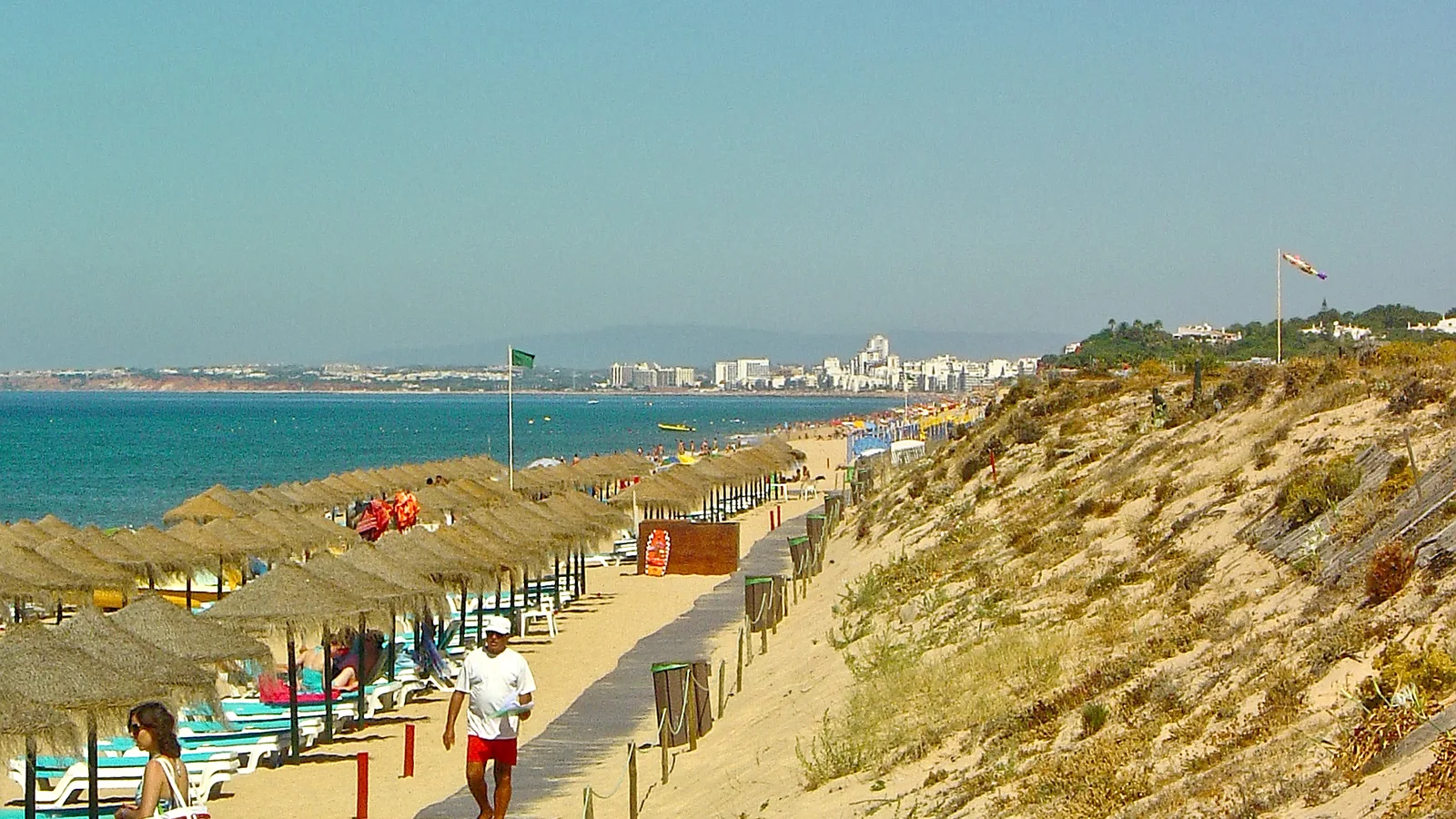
Ancão beach sits at the western edge of Ria Formosa Natural Park and is the most isolated beach in the municipality. The wide sandy expanse offers plenty of secluded spots away from crowds. Sand dunes line the beach to the east, backed by pine woods…
Quick Overview
Plan Your Visit to Ancão
The key facts before you go
About the Beach
What is Ancão?
Ancão beach sits at the western edge of Ria Formosa Natural Park, near Almancil in Faro. Known for its isolation and expansive shoreline, this west-facing beach offers genuine quiet and space away from crowded tourist zones. The setting combines wide sand with protective dunes, pine woods, and low ruby-colored cliffs that host local wildlife including rabbits and blue magpies. Lifeguard cover and beachside facilities ensure safety and basic comfort, while the natural surroundings invite longer stays for those seeking a calmer coastal experience. Water quality rates as excellent, and the beach supports non-motorized water sports alongside leisurely walking.
It sits alongside Blue Flag beaches in Faro, part of a broader network of Blue Flag certified beaches across Portugal certified annually by the Foundation for Environmental Education.
Sunrise, Sunset & Beach Direction
Ancão faces west toward Atlantic Ocean. The best light for photography and swimming is typically in September. Direct sun hours follow that facing.
Planning
When to Go: Month by Month
| Month | Air Temp | Water Temp | Crowds |
|---|---|---|---|
| Jan | 13°C | 10°C | Low |
| Feb | 13°C | 10°C | Low |
| Mar | 14°C | 11°C | Low |
| Apr | 16°C | 13°C | Low |
| May | 19°C | 16°C | Low |
| Jun | 22°C | 19°C | Low |
| Jul | 24°C | 21°C | Med |
| Aug | 24°C | 21°C | High |
| Sep | 22°C | 19°C | Med |
| Oct | 20°C | 17°C | Low |
| Nov | 16°C | 13°C | Low |
| Dec | 14°C | 11°C | Low |
The best time to visit Ancão is September. Air temperatures peak around 23.7°C in summer. Peak water temperature reaches 20.7°C in July.
How crowded does Ancão get?How busy does Ancão get? Isolation is the defining answer. As the municipality's most isolated beach, visitor numbers stay well below those at central Algarve strips. The four access points and wide beach area distribute whatever crowds do arrive, preventing the compressed feeling common at developed resorts. Summer weekends will see more people, particularly from mid-July through August during Portuguese school holidays. Weekday visits in shoulder months (May-June, September) offer calmer conditions with fewer families and tourists. Winter brings minimal crowds, the beach is genuinely quiet then, though water temperatures and weather limit appeal. The concessions and lifeguard presence suggest the beach does accommodate regular use, so expectations of absolute solitude are unrealistic, but the scale remains modest. Rented shade and facility presence indicate organized tourism, yet the enforced walkway system and surrounding natural protection keep the overall atmosphere relaxed and spread out rather than concentrated.
Is Ancão open year-round?The beach itself is accessible year-round, though staffed facilities including lifeguards typically operate only during the official season (01-07 – 30-09). The Blue Flag is displayed during the certification period only.
The Water
Swimming and Beach Life at Ancão
Is Ancão safe to swim?Ancão is Blue Flag certified, which requires meeting strict bathing water standards set by the EU Bathing Water Directive. Water quality is rated Excellent. Lifeguards are on duty during the official season.
What is the water temperature at Ancão?Peak water temperature at Ancão reaches around 20.7°C in July, making it comfortable for swimming during the summer months. In winter (January), air temperatures average 12.7°C.
What is the beach like at Ancão?Ancão is Portugal's most isolated beach within its municipality, and that status shapes everything about the place. The beach itself spans considerable length, with numerous spots tucked away for those wanting solitude. The sand is firm and wide, backed by an extensive dune system marked by wooden walkways, these pathways protect the dunes and are the only approved routes to the beach. Behind the dunes sits a humid marshy zone rich in local plants, then pine forest crowning the low cliffs that give the beach its distinctive character. The west-facing aspect means prevailing Atlantic swells reach here directly, and the water clarity reflects the Ria Formosa's excellent bathing water quality rating. Summer water temperatures peak in August at 21.1°C, making July and August the practical swimming months. Even then, expect Atlantic conditions, not Mediterranean warmth. Winter temperatures drop to around 9.7°C in January, unsuitable for casual swimming but manageable for winter explorers in wetsuits. Fauna and flora define the experience. The low cliffs regularly host rabbits and blue magpies, birds with striking blue and black plumage. The dune and marsh ecology supports species adapted to coastal transitions. The combination of these elements makes Ancão distinct from manicured beach resorts; here the natural environment feels primary, human infrastructure secondary. Beach access comes via four wooden walkways, each leading to integrated facilities. A lifeguard is stationed seasonally. Shade rentals, bars, and restaurants operate from concessions near the access points. Non-motorized nautical sports (likely kayaking and similar activities) are available. The rule is firm: walk only on provided walkways. This isn't restriction for its own sake but active dune preservation, keeping sand stable and vegetation intact. Visitors respecting this contribute directly to the beach's long-term character.
Does Ancão have good facilities?As a Blue Flag certified beach, Ancão meets the Foundation for Environmental Education's standards for facilities and services. Trained lifeguards are on duty during the season. Toilet facilities are on site. Parking is available nearby. The beach has disabled access facilities.
Ancão sits on the Atlantic Ocean: explore all Blue Flag beaches on the Atlantic.
Planning a trip to Portugal? Blue Flag Beaches Portugal , our editorial guide to certified beaches across the country.
While You're Here
Beyond Ancão
Almancil, the nearest town, offers basic facilities and serves as the local service hub. Vilamoura lies nearby, a larger resort development with golf courses, restaurants, and marina facilities. The broader Ria Formosa National Park extends eastward, accessible for boat-based exploration and birdwatching. The park's lagoon system supports migratory species and traditional salt production. Faro city, 15 kilometres east, contains museums, the old town's historic walls, and wider dining and shopping options. The central Algarve coast extends in both directions, other beaches are accessible by road for day visits, though each has different character. The landscape around Ancão (pine woods, dunes, low cliffs) is characteristic of this section of coast and worth exploring on foot via maintained paths when they exist.
Transport
Getting to Ancão
How do I get to Ancão by car?Ancão is approximately 5.7 km from Almancil. Follow local road signs to the beach. Check Google Maps or a local map for the most current directions.
What is the nearest airport to Ancão?The nearest airport is Faro Airport (FAO), approximately 7.0 km away. Faro Airport (FAO) sits just 7 kilometres away, making Ancão easily accessible for international visitors. Most European destinations connect through Faro, direct flights from UK, Germany, and other hubs operate regularly. After landing, car rental remains the most practical option for reaching Ancão; the drive toward Almancil takes approximately 15-20 minutes. Ride-sharing services operate from the airport but cost more for this distance. No direct shuttle services link Faro directly to Ancão beach, so independent transport or pre-arranged transfers work best. Summer flight availability is extensive, though book early for July-August peak season.
Can I get to Ancão by public transport?Public transport options vary by season. Check local transport authority websites for current bus and train schedules connecting to Almancil.
Is there a train to Ancão?Ancão lists Almancil as the nearest railway station, 6.7 km away. Check current timetables before travelling.
Nearby
Near Ancão
Mapped toilets, bus stops, cafés, parking, and shops within about 500 m of Ancão. Distances are walking-line estimates from the beach pin.
Map loads when you ask. Tiles stay off the first paint.
Map: OpenStreetMap (ODbL)
Toilets near Ancão
- Public toilets Public toilets 482 m
Cafés near Ancão
- Ancão Beach Club Restaurant 224 m
- Eduardo's Restaurant 370 m
- Dunes Beach Bar & Restaurant Restaurant 378 m
- António Tá Certo Restaurant 400 m
- Izzy's Restaurant 473 m
Parking near Ancão
- Parking Parking 435 m
- Parking Parking 487 m
Source: © OpenStreetMap contributors (ODbL). Names and positions come from mapped OSM features. Confirm on site.
Practical Details
Practical Information
| At the Beach | |
| Entry | Free: no charge to access the beach |
|---|---|
| Lifeguards | ✓ On duty during official season |
| Disabled Access | ✓ Accessible site facilities and water entry |
| Showers | ✗ |
| Toilets | ✓ Available during season |
| Official Season | 01 Jul – 30 Sep |
| Beach Type | Sandy beach |
| Parking | ✓ Available nearby (surface parking) |
| Nearest supermarket | 3 km from the beach |
| Visiting Information | |
| GPS Coordinates | 37.0376°N, 8.0467°W |
| Water Quality | Excellent (EU Bathing Water Directive) |
| Blue Flag Operator | Foundation for Environmental Education (FEE), Portugal |
Frequently Asked Questions
Ancão FAQ
Is Ancão worth visiting?
Yes, if you value quietness and natural setting over resort facilities. Ancão suits visitors seeking space, wildlife observation, and relaxed coastal walks. The excellent water quality and isolated position distinguish it from developed beaches. Lifeguard cover and concession facilities ensure basic safety and comfort. It's less suitable for those wanting nightlife, crowded social scenes, or guaranteed warm water. Summer visits (July-August) offer warmest conditions; shoulder months provide calmer atmosphere with cooler water.
How do I get to Ancão?
Car rental from Faro Airport (7 km away) is most practical. Almancil serves as the local reference point; head toward the Ria Formosa's western edge. The beach access is via four marked wooden walkways. Ride-sharing from Faro is possible but costlier than rental. No direct public transport connects to the beach itself; Almancil has limited local services. Having a vehicle gives flexibility to explore the broader Faro coast.
What's the best time of year to visit?
July and August offer warmest water (20.7–21.1°C) and reliable dry weather, though expect more visitors and peak prices. May-June and September provide warmer water than winter (15–19°C), fewer crowds, and pleasant air temperatures (22–24°C). October-April brings cold water (9.7–12.8°C), lower air temperatures, and minimal crowds. Winter suits hardy swimmers in wetsuits and those seeking solitude. The swim season data suggests August as optimal balance, though June-September all work reasonably.
What facilities are available at Ancão?
A lifeguard is stationed seasonally. Four beach access walkways lead to integrated facilities including bars, restaurants, and concession services. Shade rentals are available. Non-motorized nautical sports (likely kayaking) operate from the beach. Support facilities are deliberately well-integrated rather than dominant, fitting the quiet beach character. No large resort infrastructure exists. Wooden walkways are mandatory, protect dunes by using only these routes. Basic services meet core needs; expect no major shopping or nightlife at the beach itself.
Is Ancão suitable for families?
Yes, with considerations. The lifeguard presence and excellent water quality support safe swimming. Wide beach area and multiple access points prevent crowding. Non-motorized water sports appeal to older children. The natural setting (rabbits, blue magpies, dunes) engages family interest. Walking restrictions (walkways only) teach environmental respect. Shade rentals and food services accommodate family basics. However, lack of major resort amenities, cooler water outside July-August, and quiet atmosphere suit families seeking calm coastal time rather than entertainment parks or busy social beaches.
Are there toilets near Ancão?
Yes. OpenStreetMap maps toilets near Ancão, including 482 m away. Distances are walking-line estimates within about 500 m of the beach pin. Confirm opening hours on site; some facilities are seasonal. © OpenStreetMap contributors (ODbL).
Are there cafés near Ancão?
Yes. OpenStreetMap lists 5 cafés or restaurants near Ancão, including Ancão Beach Club (224 m), Eduardo's (370 m), Dunes Beach Bar & Restaurant (378 m), and António Tá Certo (400 m). Hours and seasonal opening are not verified here. Check on the day. © OpenStreetMap contributors (ODbL).
Is there parking near Ancão?
Yes. OpenStreetMap maps parking 435 m from Ancão, with 2 lots or spaces inside about 500 m. Charges and time limits are not recorded here. © OpenStreetMap contributors (ODbL).
Explore More
Nearby Blue Flag Beaches
Editorial
From the Zeach Blog
Everything you need to know about what makes a beach qualify for Blue Flag status, from water quality to environmental education.
Read moreOur editorial team's pick of the standout Blue Flag beaches in Portugal, rated for family friendliness, scenery, and facilities.
Explore PortugalWhat the flag actually means, how certification works, and why a Blue Flag is a genuinely reliable signal, not just a marketing tool.
Read moreSources
- Foundation for Environmental Education: Blue Flag programme
- FEE site listing for Ancão
- ABAE (Associação Bandeira Azul da Europa)
- European Environment Agency: bathing water quality
Last verified September 2026. National operator pages and FEE listings are the primary certification sources.