Barra
Aveiro, Portugal: Excellent water quality
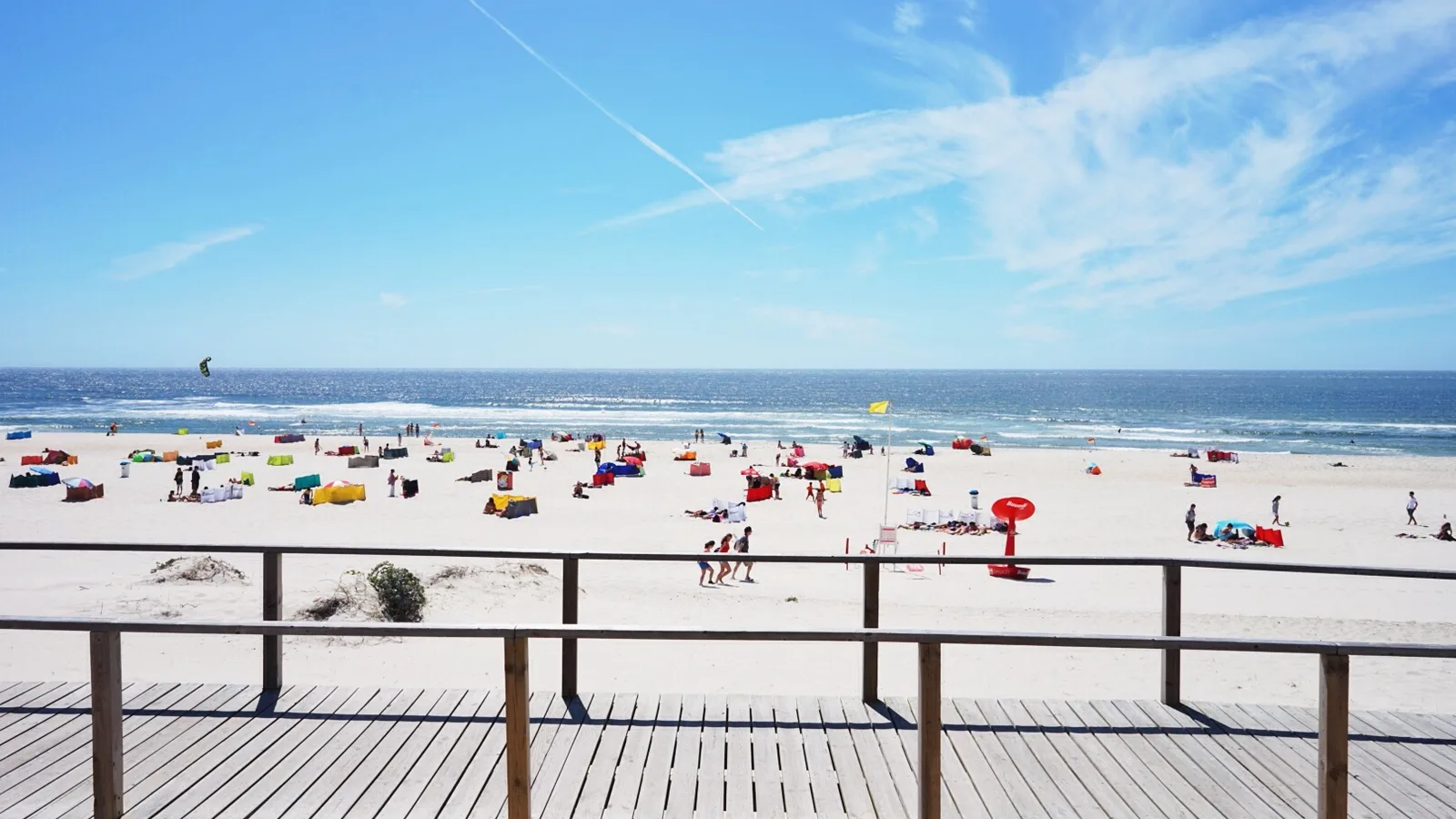
Awarded the Blue Flag since 1989 and the "Affordable Beach, Beach for All" designation since 2002, Barra Beach sits in the parish of Gafanha da Nazaré, next to the Barra district of Aveiro. The beach's most distinctive feature is the Lighthouse (Portugal's tallest at 62…
Quick Overview
Plan Your Visit to Barra
The key facts before you go
About the Beach
What is Barra?
Barra Beach sits at the entrance to Aveiro's port, where the Ria de Aveiro meets the Atlantic Ocean. This south-facing stretch of golden sand has held Blue Flag status continuously since 1989, making it one of Portugal's longest-certified beaches for water quality and facilities. The beach takes its name from the 'barra' – the sandbar and channel marking the port entrance – and shares a peninsula with neighboring Costa Nova, separated from the mainland by the Mira Channel. Dominating the landscape is Portugal's tallest lighthouse, standing 62 meters high and reaching 66 meters above sea level, serving as both a navigation aid and the beach's most recognizable landmark. The beach earned the 'Affordable Beach, Beach for All' designation in 2002, reflecting its accessibility and inclusive facilities. Water quality here rates as excellent, though the Atlantic keeps temperatures brisk year-round, ranging from winter lows around 14.7°C to summer peaks near 17°C.
It sits alongside Blue Flag beaches in Aveiro, part of a broader network of Blue Flag certified beaches across Portugal certified annually by the Foundation for Environmental Education.
Visitor Feedback
What Visitors Say About Barra
What visitors appreciate
- lighthouse|cold water|breakwater|calm sea|no waves|tripe|dunes|sport fishing|stretch of sand|guarded beach
- Excellent EU-rated bathing water quality
Points to consider
- Can be busy during July and August peak season
- Facilities may be reduced outside peak months
Based on aggregated public visitor feedback. Themes are synthesised from multiple sources, not individual quotes. Zeach does not reproduce individual reviews.
Sunrise, Sunset & Beach Direction
Barra faces south toward Atlantic Ocean. The best light for photography and swimming is typically in June, September. Direct sun hours follow that facing.
Planning
When to Go: Month by Month
| Month | Air Temp | Water Temp | Crowds |
|---|---|---|---|
| Jan | 10°C | 15°C | Low |
| Feb | 12°C | 14°C | Low |
| Mar | 12°C | 14°C | Low |
| Apr | 14°C | 15°C | Low |
| May | 17°C | 16°C | Low |
| Jun | 18°C | 18°C | Med |
| Jul | 21°C | 19°C | High |
| Aug | 20°C | 19°C | High |
| Sep | 19°C | 19°C | Med |
| Oct | 17°C | 18°C | Low |
| Nov | 13°C | 17°C | Low |
| Dec | 12°C | 16°C | Low |
The best time to visit Barra is June, September. Air temperatures peak around 20.5°C in summer. Peak water temperature reaches 18.7°C in July.
How crowded does Barra get?Who actually visits Barra Beach, and when does it get busy? The beach draws a mixed crowd that shifts noticeably with the seasons. During summer months, particularly in August when 'Sea August' cultural and recreational activities take place, the beach sees its highest visitor numbers. Portuguese families make up a significant portion of the summer crowd, many taking advantage of the 'Beach for All' accessible facilities. The supervised swimming areas fill with bathers, though the cold Atlantic water keeps many visitors on the sand rather than swimming for extended periods. The surf community maintains a year-round presence, though numbers increase during the prime September to April wave season. These visitors tend to arrive early, checking conditions before deciding where to paddle out. The mix of right and left waves, plus the various sandbars along the beach, spreads surfers across different sections. St. John's Day celebrations during the last weekend of June bring a distinct festival atmosphere, combining beach activity with local traditions. This religious and cultural event attracts both residents and visitors from the wider Aveiro region. Weekends see more domestic visitors from Porto and surrounding areas, given the relatively easy 68-kilometer drive from the city. The lighthouse draws photography enthusiasts and tourists throughout the year, with many making a quick stop rather than a full beach day. Outside peak season, the beach takes on a quieter character. Dog walking policies remain unclear, so check locally before bringing pets. The long stretch of sand means even on busier days, walking a few hundred meters often finds emptier sections.
Is Barra open year-round?The beach itself is accessible year-round, though staffed facilities including lifeguards typically operate only during the official season (06-06 – 13-09). The Blue Flag is displayed during the certification period only.
The Water
Swimming and Beach Life at Barra
Is Barra safe to swim?Barra is Blue Flag certified, which requires meeting strict bathing water standards set by the EU Bathing Water Directive. Water quality is rated Excellent.
What is the water temperature at Barra?Peak water temperature at Barra reaches around 18.7°C in July, making it comfortable for swimming during the summer months. In winter (January), air temperatures average 10°C.
What is the beach like at Barra?What makes Barra Beach distinctive among Portugal's Atlantic coast destinations? The answer lies in its unique combination of natural features, consistent surf conditions, and maritime heritage centered on that unmissable lighthouse. The beach faces south, which affects both wave patterns and sun exposure throughout the day. Golden sand extends far along the coastline, with the lighthouse providing a constant reference point. Behind the beach, dunes create a natural buffer, while the nearby breakwater structures influence local wave behavior and create varied conditions along different sections. Water quality at Barra holds an excellent rating, meeting the strict standards required for Blue Flag certification since 1989. The bathing water is regularly tested throughout the swimming season. However, visitors should prepare for cold water – this is the Atlantic, not the Mediterranean. January temperatures drop to around 14.7°C, while even at the August peak, water reaches only about 17°C. A wetsuit is essential for any extended time in the water, with locals recommending a 4/3mm suit for winter and a 3/2mm for summer sessions. For surfers, Barra offers sandy bottom breaks producing both right and left waves depending on the shifting sandbars. Wave direction varies with swell and conditions, making it worth checking multiple spots along the beach. The prime surfing season runs from September through April when Atlantic swells deliver more consistent waves. The breakwater influences conditions at the northern end, sometimes creating calmer sections while waves break more openly further along. Lifeguards patrol the beach during the bathing season, providing supervised swimming areas. The guarded beach setup means flags indicate safe swimming zones, particularly important given the Atlantic's unpredictable currents and the nearby port channel influences. Air temperatures remain moderate year-round, reflecting the coastal climate. January averages around 10°C, while July and August see averages near 20-21°C. The south-facing orientation provides good sun exposure, though Atlantic breezes keep things comfortable even on warmer days. The beach's position on a peninsula creates an interesting geography. The Mira Channel runs behind, connecting to the broader Ria de Aveiro lagoon system. This means the beach has water on both sides – Atlantic surf on one, calm lagoon waters nearby – though the beach itself fronts the open ocean. Fishing remains part of local culture here, with sport fishing mentioned among activities. The stretch of sand provides plenty of space even during busier periods, and the dune system backing the beach adds ecological interest to the landscape. Google reviews frequently mention the lighthouse, cold water, and the long stretch of sand. Some visitors note calm conditions near the breakwater, while others come specifically for the surf. This variety reflects the beach's different zones and changing conditions.
Barra sits on the Atlantic Ocean: explore all Blue Flag beaches on the Atlantic.
Planning a trip to Portugal? Blue Flag Beaches Portugal , our editorial guide to certified beaches across the country.
While You're Here
Beyond Barra
The Barra Lighthouse demands a visit – Portugal's tallest at 62 meters, it dominates the local skyline and offers a distinctive photography subject. The structure dates from the late 19th century and remains operational, guiding vessels into the port of Aveiro. The Chapel of Saint John the Baptist connects to the local St. John's Day celebrations held each June. The Belvedere on the Ria provides views across to the Oudinot Garden, the Santo André Ship Museum, and the Barra Bridge – a good spot to understand the geography of lagoon, channel, and ocean. Local gastronomy centers on seafood. Fresh grilled fish appears on most menus, alongside cod prepared various ways – this is Portugal, after all. Shore shrimp makes a popular snack, while fish soups showcase the daily catch. For something sweet, 'doces de ovos' (soft egg-based sweets) and chocolate-stuffed pastries called 'tripas doces' reflect regional confectionery traditions. The restaurant scene includes international options – Italian, Chinese, and Venezuelan cuisines have established themselves alongside traditional Portuguese establishments. The peninsula's position between beach and lagoon creates an interesting setting for dining, with some spots offering water views.
Transport
Getting to Barra
How do I get to Barra by car?Barra is approximately 2.66 km from Gafanha da Nazaré. Follow local road signs to the beach. Check Google Maps or a local map for the most current directions.
What is the nearest airport to Barra?The nearest airport is Francisco de Sá Carneiro Airport (OPO), approximately 68.2 km away. Francisco de Sá Carneiro Airport in Porto handles international arrivals, sitting approximately 68 kilometers north of Barra Beach. The airport receives flights from across Europe, making it the primary gateway for visitors flying to this section of the Portuguese coast. From the airport, the most practical route to Barra involves heading south on the A1 motorway, then taking the A25 west toward Aveiro. The final section follows local roads through Gafanha da Nazaré to the beach. Driving time runs roughly 45-60 minutes depending on traffic conditions, though Porto rush hours can add delays to the initial airport departure. Car rental desks operate at the airport arrivals hall, with all major international companies represented. Having a vehicle provides flexibility for exploring the coastline and visiting other beaches along the peninsula. Taxis and private transfers offer alternatives for those preferring not to drive.
Can I get to Barra by public transport?Regional bus services connect Aveiro city center to Gafanha da Nazaré and the Barra beach area. Summer schedules typically offer more frequent connections to accommodate beach visitors. Check current timetables locally, as services reduce during off-season months. From Porto, direct bus options exist but trains generally prove more convenient for the initial journey to Aveiro. The nearest recorded bus stop is 170 m from the beach.
Is there a train to Barra?Portugal's rail network connects Porto to Aveiro, with frequent services running along this busy route. Trains depart from Porto's Campanhã station, reaching Aveiro in approximately one hour on regional services or around 40 minutes on faster intercity trains. From Aveiro station, reaching Barra Beach requires onward transport. The beach sits about 10 kilometers west of the city center, across the lagoon and out on the coastal peninsula. Local buses connect Aveiro to the beach communities, though services may be limited outside summer months. Taxis wait at Aveiro station and provide a direct option for the final leg to Barra.
Map
Find Barra
Open the map or get directions to the Barra pin. Amenity names are listed here only when OpenStreetMap has a mapped feature nearby.
Map loads when you ask. Tiles stay off the first paint.
Map: OpenStreetMap (ODbL)
On the beach
Facilities at Barra
- Lifeguards
- Yes, during the certified season
- Wheelchair access
- Accessible site facilities and water entry
- Visual assistance
- No
- Toilets
- Yes
- Showers
- Yes
- Parking
- Available nearby (street-side parking). 69 m away, no parking fee
- Surface
- Golden sand
- Entry
- Free to enter
These details can change. Check on arrival.
Map data © OpenStreetMap contributors
Practical Details
Practical Information
| At the Beach | |
| Official Season | 06 Jun – 13 Sep |
|---|---|
| Beach Type | Sandy beach |
| Nearest supermarket | 150 m from the beach |
| Nearest bus stop | 170 m from the beach |
| Visiting Information | |
| GPS Coordinates | 40.6370°N, 8.7452°W |
| Water Quality | Excellent (EU Bathing Water Directive) |
| Blue Flag Operator | Foundation for Environmental Education (FEE), Portugal |
Frequently Asked Questions
Barra FAQ
Is Barra Beach worth visiting?
Barra Beach offers a genuine Portuguese Atlantic coast experience, backed by over three decades of Blue Flag certification confirming water quality and facilities. The main draw beyond swimming is Portugal's tallest lighthouse at 62 meters, creating a distinctive landmark. Surfers find reliable waves from September through April, while summer visitors enjoy supervised bathing areas. The beach suits those comfortable with cold Atlantic water – even August only reaches 17°C. Combine it with the nearby Ria de Aveiro lagoon system and Costa Nova's striped houses for a full day trip from Porto.
How do I get to Barra Beach?
From Porto airport, drive south on the A1 then west on the A25 toward Aveiro – about 68 kilometers total, taking 45-60 minutes. Trains run frequently from Porto Campanhã to Aveiro station, followed by local bus or taxi for the final 10 kilometers to the beach. During summer, bus connections to Barra increase, but off-season visitors may find taxis more reliable for the last section. The beach is in Gafanha da Nazaré, on a peninsula between the Atlantic and the Ria de Aveiro lagoon.
What is the best time of year to visit Barra Beach?
This depends on your purpose. Surfers prefer September through April when Atlantic swells deliver consistent waves – bring a 4/3mm wetsuit for winter, 3/2mm for warmer months. Beach bathing peaks in July and August when air temperatures reach around 20°C and lifeguards patrol supervised areas, though water stays cool at 17°C. August brings 'Sea August' cultural events, while St. John's Day (late June) offers local festivities. Spring and autumn provide quieter visits with mild weather, though water temperatures drop significantly outside summer.
What facilities are there at Barra Beach?
Barra holds both Blue Flag status and 'Beach for All' certification, indicating accessible facilities meeting national standards. Lifeguards supervise designated bathing areas during the swimming season. The long stretch of sand backs onto dunes, with the town of Gafanha da Nazaré providing restaurants, cafés, and services nearby. Dining options range from traditional Portuguese seafood to international cuisines including Italian, Chinese, and Venezuelan. The lighthouse area offers a belvedere with views across the Ria de Aveiro. Specific amenity details like parking or shower locations should be confirmed locally.
Is Barra Beach suitable for families?
Barra suits families who understand Atlantic beach conditions. The 'Beach for All' designation since 2002 indicates accessible facilities, and lifeguard supervision during summer provides added safety for children. However, the cold water – reaching only 17°C at peak summer – may limit swimming time for younger visitors. The sandy bottom and supervised areas offer safer bathing than some rockier Portuguese beaches. The lighthouse provides a focal point for older children interested in maritime history. Check current conditions regarding dog access, as policies remain unclear. Calmer areas near the breakwater may suit those avoiding stronger waves.
Editorial
From the Zeach Blog
Everything you need to know about what makes a beach qualify for Blue Flag status, from water quality to environmental education.
Read moreOur editorial team's pick of the standout Blue Flag beaches in Portugal, rated for family friendliness, scenery, and facilities.
What the flag actually means, how certification works, and why a Blue Flag is a genuinely reliable signal, not just a marketing tool.
Read moreSources
- Foundation for Environmental Education: Blue Flag programme
- FEE site listing for Barra
- ABAE (Associação Bandeira Azul da Europa)
- European Environment Agency: bathing water quality
Last verified September 2026. National operator pages and FEE listings are the primary certification sources.