Vatera
Northern Aegean, Greece: Excellent water quality
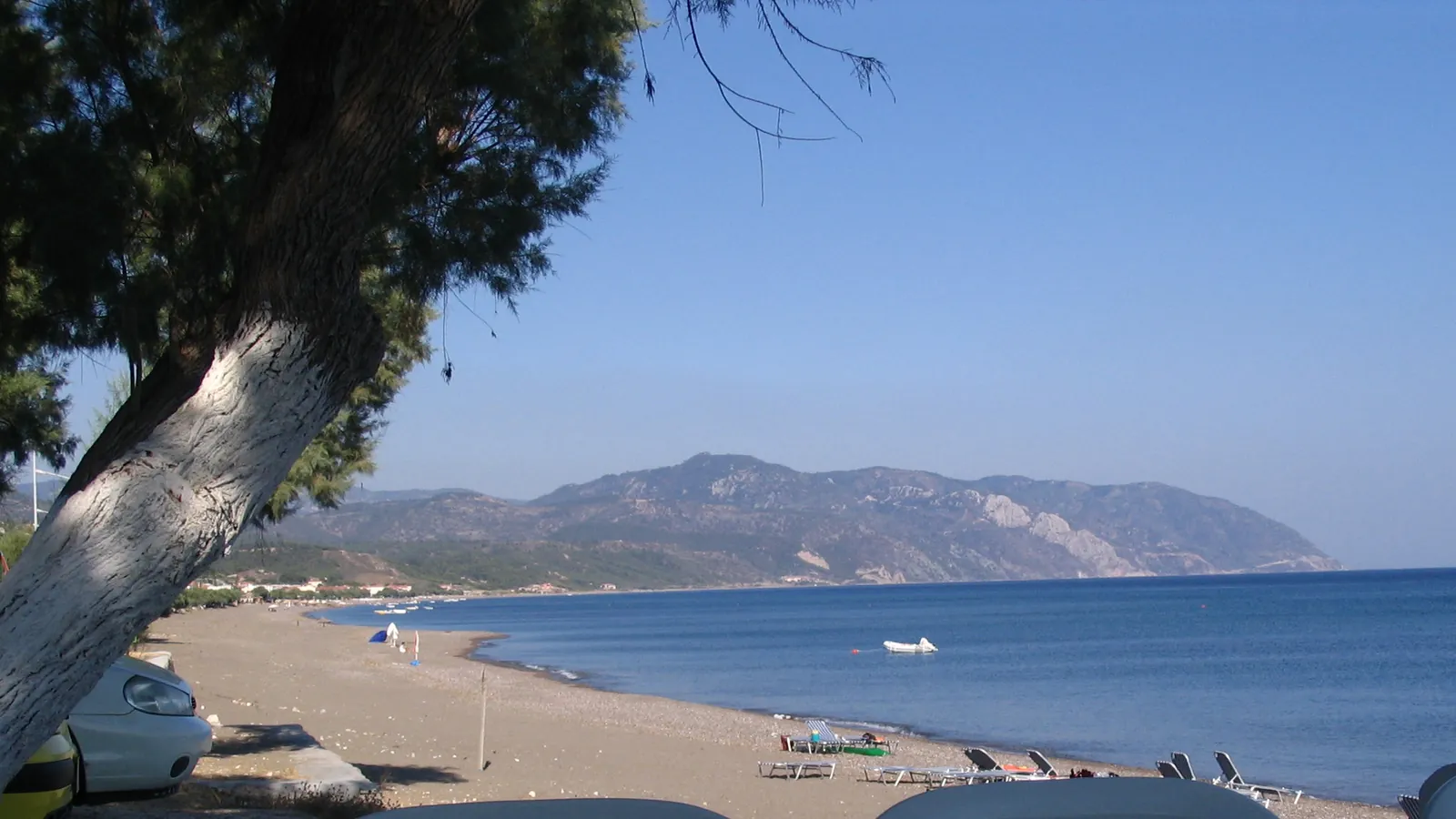
Vatera is an 8-kilometer sandy and pebbly beach in a developed resort area. The beach stretches 30 to 50 meters wide and is lined with pine trees, daisies, and tulips.
Quick Overview
Plan Your Visit to Vatera
The key facts before you go
About the Beach
What is Vatera?
Vatera stretches for approximately 8 kilometres along Lesbos's southern coast, offering a genuine mix of sand and pebbles in a working tourism area. Located near Polichnitos in the Northern Aegean, this beach maintains excellent bathing water quality and serves both locals and visitors looking for straightforward seaside access. The shoreline is bordered by pines, daisies, and tulips, creating natural framing without heavy development. With widths ranging from 30 to 50 metres, Vatera provides enough space for varied activities. The beach faces south, capturing good light throughout the day. Accommodation options range from hotels to room rentals, and practical facilities include car, bike, and bicycle hire. The 232-kilometre distance from Athens means most visitors fly into the capital before making their way here.
It sits alongside certified beaches along Northern Aegean, part of a broader network of certified beaches throughout Greece certified annually by the Foundation for Environmental Education.
Sunrise, Sunset & Beach Direction
Vatera faces south toward Aegean Sea. The best light for photography and swimming is typically in April, May, June. Direct sun hours follow that facing.
Planning
When to Go: Month by Month
| Month | Air Temp | Water Temp | Crowds |
|---|---|---|---|
| Jan | 9°C | 6°C | Low |
| Feb | 11°C | 8°C | Low |
| Mar | 12°C | 9°C | Low |
| Apr | 15°C | 12°C | Low |
| May | 20°C | 17°C | Low |
| Jun | 24°C | 21°C | Low |
| Jul | 27°C | 24°C | Med |
| Aug | 27°C | 24°C | High |
| Sep | 24°C | 21°C | High |
| Oct | 19°C | 16°C | Med |
| Nov | 15°C | 12°C | Low |
| Dec | 12°C | 9°C | Low |
The best time to visit Vatera is April, May, June. Air temperatures peak around 27.2°C in summer. Peak water temperature reaches 24.2°C in July.
How crowded does Vatera get?How busy is Vatera? The answer depends heavily on timing. During July and August, the beach attracts steady tourist traffic, particularly Greek families and European visitors. The 8-kilometre length helps disperse people effectively, you can walk away from busier sections near facilities and accommodation without reaching an empty beach. The resort infrastructure supports this volume without creating the impression of overcrowding. Spring and early autumn bring fewer people. May through June sees building tourist presence, while September marks a noticeable drop as the main holiday season ends. Outside June–August, you'll find the beach much quieter but with proportionally fewer services operating. Weekends during peak season are busier than weekdays. The combination of pebbles and sand, plus the tree coverage, means even moderately populated sections retain reasonable space. The beach accommodates sea sports, car rentals, and bike hire without feeling chaotic. Early morning visits yield noticeably fewer people year-round.
Is Vatera open year-round?The beach itself is accessible year-round, though staffed facilities including lifeguards typically operate only during the official season (01-07 – 30-10). The Blue Flag is displayed during the certification period only.
The Water
Swimming and Beach Life at Vatera
Is Vatera safe to swim?Vatera is Blue Flag certified, which requires meeting strict bathing water standards set by the EU Bathing Water Directive. Water quality is rated Excellent. The beach does not have lifeguards stationed on the beach. Swim with appropriate caution.
What is the water temperature at Vatera?Peak water temperature at Vatera reaches around 24.2°C in July, making it comfortable for swimming during the summer months. In winter (January), air temperatures average 9.2°C.
What is the beach like at Vatera?What makes Vatera distinctive is its scale and accessibility across Lesbos. The 8-kilometre expanse means crowds distribute naturally, even during peak season. The sand-and-pebble composition is typical of the Northern Aegean, the pebbles are manageable underfoot rather than sharp, and the transition to sand varies along the beach's length. The water clarity reflects the excellent bathing water quality rating. Summer water temperatures peak at 24.2°C in July and 24.3°C in August, making the sea genuinely swimmable during these months. The tree cover (mostly pines) provides natural shade that's increasingly valuable as temperatures climb to 27.2–27.3°C in midsummer. The beach's open southern aspect means it catches the sun from morning through afternoon. The pine and flower vegetation isn't incidental; these plantings frame the beach naturally and reduce the exposure to intense heat that more exposed stretches experience. Facilities exist without overwhelming the setting. Car parking is available, and the beach handles seasonal variation reasonably well. In May, water temperatures reach 16.6°C, cool but swimmable for those accustomed to northern European seas. By September, temperatures drop to 20.5°C, marking the practical end of the main swimming season. The beach doesn't have the dramatic geology of some Aegean locations; instead, it offers a straightforward, usable shoreline with enough character from its vegetation and modest development to feel like a place rather than an anonymous strip.
Does Vatera have good facilities?As a Blue Flag certified beach, Vatera meets the Foundation for Environmental Education's standards for facilities and services. The beach has disabled access facilities.
Vatera sits on the Aegean Sea: explore all Blue Flag beaches on the Aegean.
Planning a trip to Greece? How Greece earns the most Blue Flags , our editorial guide to certified beaches across the country.
While You're Here
Beyond Vatera
Vatera sits within the Polichnitos Municipal Unit, offering access to quieter Lesbos beyond the beach itself. The municipality's website (www.polichnitos-lesvos.com) provides local information. The surrounding area includes olive groves and traditional villages typical of southern Lesbos, these are worth exploring for understanding island agriculture and settlements. Mytilene town, the island's capital, sits north and offers restaurants, shops, and cultural sites. The island's interior has walking routes and less developed coastline. Water sports available at Vatera include sea sport rentals; bikes and bicycles can be hired for exploring nearby coastal sections. The combination of accommodation options (hotels and room rentals) supports various stay durations. The tree-lined beach environment suits day visits or longer stays equally. Environmental education activities, conferences, and clean-up events occur periodically; checking with local tourism information provides current schedules.
Transport
Getting to Vatera
How do I get to Vatera by car?Vatera is approximately 7.07 km from Polichnitos Municipal Unit. Follow local road signs to the beach. Check Google Maps or a local map for the most current directions.
What is the nearest airport to Vatera?The nearest airport is Athens International Airport "El. Venizelos" (ATH), approximately 232.6 km away. Athens International Airport 'El. Venizelos' (ATH) sits 232.6 kilometres from Vatera. Most visitors arrive here as Greece's primary international hub. The journey from Athens to Lesbos requires either a domestic flight to Mytilene Airport (approximately 1 hour 15 minutes flight time, roughly 3 hours total with airport procedures) or an overnight ferry from Piraeus Port (9–10 hours). The flight option suits those with limited time; ferries work better for travellers bringing vehicles. From Mytilene Airport, Vatera is roughly 80 kilometres south, approximately 90 minutes by car or taxi. Car hire at Mytilene Airport offers flexibility for exploring the island. Budget transport means using airport shuttles to town, then local buses, though this extends journey time considerably.
Can I get to Vatera by public transport?Bus services connect Mytilene town to Vatera and the Polichnitos Municipal Unit. The journey takes roughly 90 minutes depending on routing and stops. Services operate year-round but run less frequently outside peak season. Schedule information is available through local transport operators and the Polichnitos Municipal Unit website (www.polichnitos-lesvos.com). Booking ahead during July and August prevents missing connections. Buses also connect Mytilene to other island points, making this a practical budget option if you're exploring beyond Vatera.
Nearby
Near Vatera
Mapped toilets, bus stops, cafés, parking, and shops within about 500 m of Vatera. Distances are walking-line estimates from the beach pin.
Map loads when you ask. Tiles stay off the first paint.
Map: OpenStreetMap (ODbL)
Cafés near Vatera
- Thalassa Restaurant 111 m
- Μύλος Café 186 m
- Veggera Café 272 m
- Ζούρος Restaurant 404 m
- 1926 Café 421 m
Parking near Vatera
- Parking Parking 203 m
- Parking Parking 370 m
Source: © OpenStreetMap contributors (ODbL). Names and positions come from mapped OSM features. Confirm on site.
Practical Details
Practical Information
| At the Beach | |
| Entry | Free: no charge to access the beach |
|---|---|
| Lifeguards | ✗ |
| Disabled Access | ✓ Accessible site facilities and water entry |
| Showers | ✗ |
| Toilets | ✗ |
| Official Season | 01 Jul – 30 Oct |
| Beach Type | Sandy beach |
| Visiting Information | |
| GPS Coordinates | 39.0192°N, 26.1971°E |
| Water Quality | Excellent (EU Bathing Water Directive) |
| Blue Flag Operator | Foundation for Environmental Education (FEE), Greece |
Frequently Asked Questions
Vatera FAQ
Is Vatera worth visiting?
Yes, if you value straightforward beach access, excellent water quality, and space across an 8-kilometre shoreline. Vatera suits visitors seeking functional beaches without dramatic scenery rather than those hunting isolated spots. The pine trees and flower plantings provide character beyond plain sand. Summer water temperatures (24°C) make swimming genuinely comfortable. The mix of facilities (accommodation, rentals, sea sports) without heavy overdevelopment makes it practical for various visitor types. If your priority is Aegean swimming from a quiet base, it works well.
How do I get to Vatera?
Fly into Athens International Airport, then either fly to Mytilene Airport on Lesbos (1 hour 15 minutes) or take an overnight ferry from Piraeus Port (9–10 hours). From Mytilene, Vatera is roughly 90 minutes by car or taxi. Car hire at Mytilene Airport offers flexibility. Budget travellers can use bus services connecting Mytilene to Vatera (approximately 90 minutes). Buses run year-round but less frequently outside peak season. The Polichnitos Municipal Unit website provides local transport information.
Best time of year to visit?
June through August offers peak swimming conditions, with water temperatures reaching 24.2–24.3°C and air temperatures around 27°C. July and August are warmest and busiest. May brings water temperatures of 16.6°C (cool but swimmable) with fewer tourists. September drops to 20.5°C water temperature and noticeably fewer visitors, viable for cold-water swimmers. April and October are marginal (12–16°C water). November through March are cool and wet. Choose June–August for guaranteed warm swimming, May–June or September for quieter conditions and reasonable warmth.
What facilities are there at Vatera?
Accommodation includes hotels and room rentals scattered along the beach. Car, bike, and bicycle rentals operate seasonally. Sea sports activities are available. Basic facilities exist without overwhelming development. The municipality notes that clean-up activities, environmental education, and occasional conferences occur, suggesting some infrastructure for events. The Polichnitos Municipal Unit website lists specific current facility details. The 8-kilometre beach with nearby road access supports easy parking and walking access.
Is Vatera suitable for families?
Yes, for families seeking accessible beach time with basic amenities. The long, sandy-pebble shoreline distributes families naturally across 8 kilometres, reducing crowding. Trees provide natural shade in hot months. Water quality is excellent. Facilities (room rentals, car hire, bike rentals) support family stays. The pebble-sand mix is manageable for children. Quieter sections away from central development exist along the length. Peak-season crowds require early visits or off-peak timing. The gentle approach and practical services make it family-friendly rather than child-entertainment focused.
Are there cafés near Vatera?
Yes. OpenStreetMap lists 5 cafés or restaurants near Vatera, including Thalassa (111 m), Μύλος (186 m), Veggera (272 m), and Ζούρος (404 m). Hours and seasonal opening are not verified here. Check on the day. © OpenStreetMap contributors (ODbL).
Is there parking near Vatera?
Yes. OpenStreetMap maps parking 203 m from Vatera, with 2 lots or spaces inside about 500 m. Charges and time limits are not recorded here. © OpenStreetMap contributors (ODbL).
Explore More
Nearby Blue Flag Beaches
Editorial
From the Zeach Blog
Everything you need to know about what makes a beach qualify for Blue Flag status, from water quality to environmental education.
Read moreOur editorial team's pick of the standout Blue Flag beaches in Greece, rated for family friendliness, scenery, and facilities.
Explore GreeceWhat the flag actually means, how certification works, and why a Blue Flag is a genuinely reliable signal, not just a marketing tool.
Read moreSources
- Foundation for Environmental Education: Blue Flag programme
- FEE site listing for Vatera
- Hellenic Society for the Protection of Nature (EEPF)
- European Environment Agency: bathing water quality
Last verified September 2026. National operator pages and FEE listings are the primary certification sources.