Torres
Valencian Community, Spain: Excellent water quality
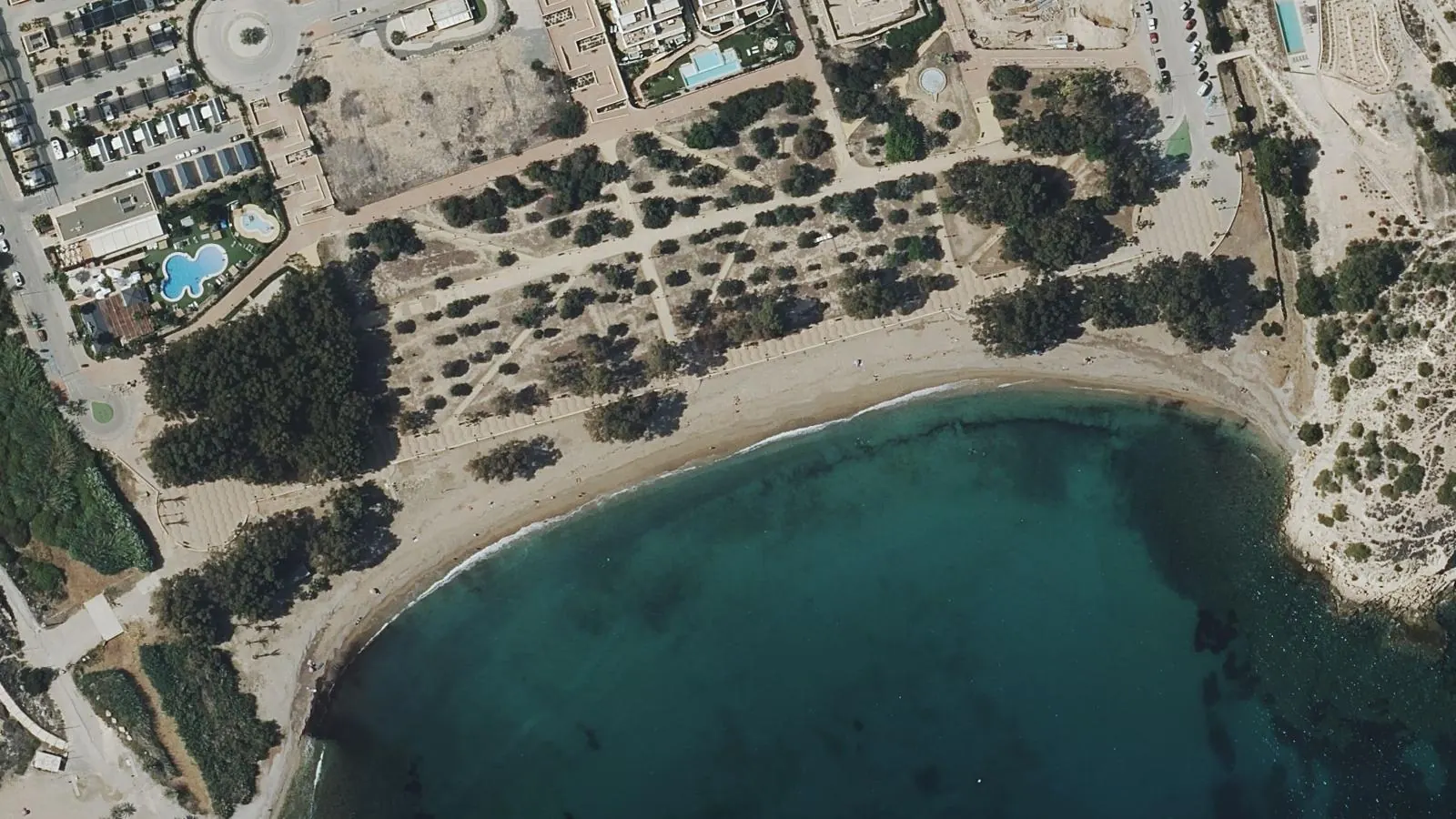
Fine sand beach in the heart of Villajoyosa. Lifeguards are on duty from June 15 to September 15, daily from 10:00 to 20:00.
Quick Overview
Plan Your Visit to Torres
The key facts before you go
About the Beach
What is Torres?
Torres beach sits 2 km from la Vila Joiosa's urban centre in the Valencian Community, facing south along Spain's Costa Blanca. This urban beach combines fine sand with a mix of pebbles and coarse sand, creating a practical swimming spot rather than a postcard image. The beach attracts both families and surfers, with lifeguard cover from mid-June through September (10:00–20:00 daily). Water quality is rated Excellent, and the location offers easy access to local amenities, public transport, and nearby natural sites. The beach sits near the N332 road, positioning it conveniently between la Vila Joiosa and Benidorm for visitors exploring the region.
It sits alongside other certified beaches in Valencian Community, part of a broader network of other Blue Flag beaches in Spain certified annually by the Foundation for Environmental Education.
Visitor Feedback
What Visitors Say About Torres
What visitors appreciate
- stones|beach bar|stone beach|family atmosphere|hiking trails|eucalyptus trees|tree shade|pebbles and coarse sand|paddle surfing|piedras en la playa
- Well-staffed with lifeguards during season
- Excellent EU-rated bathing water quality
Points to consider
- Can be busy during July and August peak season
- Limited parking near the beach
- Facilities may be reduced outside peak months
Based on aggregated public visitor feedback. Themes are synthesised from multiple sources, not individual quotes. Zeach does not reproduce individual reviews.
Sunrise, Sunset & Beach Direction
Torres faces south toward Mediterranean Sea. The best light for photography and swimming is typically in June. Direct sun hours follow that facing.
Planning
When to Go: Month by Month
| Month | Air Temp | Water Temp | Crowds |
|---|---|---|---|
| Jan | 12°C | 9°C | Low |
| Feb | 13°C | 10°C | Low |
| Mar | 14°C | 11°C | Low |
| Apr | 16°C | 13°C | Low |
| May | 19°C | 16°C | Low |
| Jun | 24°C | 21°C | Med |
| Jul | 26°C | 23°C | High |
| Aug | 27°C | 24°C | High |
| Sep | 24°C | 21°C | Med |
| Oct | 20°C | 17°C | Low |
| Nov | 16°C | 13°C | Low |
| Dec | 14°C | 11°C | Low |
The best time to visit Torres is June. Air temperatures peak around 26.3°C in summer. Peak water temperature reaches 23.3°C in July.
How crowded does Torres get?Torres attracts a predictable mix of local families, day-trippers from Benidorm, and surfers seeking consistent conditions. Summer weekends (July–August) draw heavy crowds, particularly around midday when air temperatures peak at 26°C. The family atmosphere is evident from the beach bar setup and shallow water zones, though the pebbled sections deter some swimmers and keep crowds slightly more dispersed than pure sand beaches. Peak season runs mid-June through mid-September when lifeguards work; outside this window, the beach quiets considerably. Weekday visits in shoulder months (May, June, October) offer calmer conditions with fewer people. The proximity to Benidorm means casual visitor overflow during August holidays, but the 2 km distance from la Vila Joiosa's centre keeps it from becoming overcrowded by urban standards. Parking and public transport access encourage turnover rather than all-day camping, creating a moderate flow rather than mass congestion. Surfers arrive for specific swell forecasts, concentrating their numbers during Atlantic swells rather than spreading evenly throughout the season.
Is Torres open year-round?The beach itself is accessible year-round, though staffed facilities including lifeguards typically operate only during the official season (01-06 – 30-09). The Blue Flag is displayed during the certification period only.
The Water
Swimming and Beach Life at Torres
Is Torres safe to swim?Torres is Blue Flag certified, which requires meeting strict bathing water standards set by the EU Bathing Water Directive. Water quality is rated Excellent. Lifeguards are on duty during the official season.
What is the water temperature at Torres?Peak water temperature at Torres reaches around 23.3°C in July, making it comfortable for swimming during the summer months. In winter (January), air temperatures average 12°C.
What is the beach like at Torres?Torres beach extends along la Vila Joiosa's southern coastline with a south-facing aspect that captures winter sun and offers consistent swell conditions. The sand composition shifts between fine sand and coarser material mixed with pebbles and stones (typical of this stretch of coast) so bring water shoes if you prefer comfort underfoot. The seabed shelves gradually, making it accessible for swimmers of varying abilities. During summer months (July to September), water temperatures peak around 23–24°C, while winter drops to 9–10°C, restricting serious swimming to the warmer season. Lifeguard presence runs from 15 June to 15 September daily between 10:00 and 20:00, providing safety cover during peak season. The beach bar offers refreshments without requiring you to leave the sand. Hiking trails and eucalyptus trees fringe the area, providing tree shade in patches, useful during the intense August heat when air temperatures reach 26–27°C. The mixture of pebbles and coarse sand means the beach absorbs water differently than pure sand beaches, and storm conditions can shift material noticeably. Bathing water quality remains Excellent, meeting Blue Flag standards consistently. The urban setting means background noise from the N332 and nearby accommodation, but this also ensures reliable amenities within walking distance. The beach works year-round for walking and observation, though active swimming is practical only from July through September when water temperature supports comfortable bathing.
Does Torres have good facilities?As a Blue Flag certified beach, Torres meets the Foundation for Environmental Education's standards for facilities and services. Trained lifeguards are on duty during the season.
Torres sits on the Mediterranean Sea: explore all Blue Flag beaches on the Mediterranean.
Planning a trip to Spain? Blue Flag Beaches Spain 2026 , our editorial guide to certified beaches across the country.
While You're Here
Beyond Torres
La Vila Joiosa offers the primary base for exploring the area. The town centre lies 2 km from Torres, accessible by bus or car via the N332. Local accommodation ranges from hotels to apartment rentals, with summer booking essential. The town website (www.villajoyosa.com) lists facilities and attractions. Nearby natural sites include eucalyptus groves and hiking trails accessible from the beach periphery. Benidorm sits immediately north along the coast (a 15-minute drive) offering different beach conditions and more intensive resort facilities. The Valencian Community's interior, accessible via the N332, provides mountain villages and alternative landscapes away from the coast. The fine sand and pebble composition at Torres differs from Benidorm's broader beaches, making each worthwhile for different reasons.
Transport
Getting to Torres
How do I get to Torres by car?Torres is approximately 2.84 km from la Vila Joiosa. Follow local road signs to the beach. Check Google Maps or a local map for the most current directions.
What is the nearest airport to Torres?The nearest airport is Alicante-Elche Airport (ALC), approximately 40.3 km away. Alicante-Elche Airport (ALC) serves the region, located 40.3 km north of Torres beach. Direct flights connect major European cities to Alicante year-round. From the airport, hire a car for the 40-minute drive south via the N332, the most practical option for beach access and exploring surrounding areas. Alternatively, airport buses and taxis reach la Vila Joiosa; from there, local transport covers the final 2 km to Torres. Summer schedules offer more frequent connections, while winter services reduce. The N332 is the primary coastal route and provides direct access to the beach without navigating complex city streets.
Can I get to Torres by public transport?Public transport serves Torres from la Vila Joiosa's town centre. Local buses cover the 2 km journey in under 10 minutes. Services run more frequently during summer months (June–September) when lifeguards operate and beach demand peaks. Winter schedules thin considerably. Check current timetables with la Vila Joiosa's transport authority before planning off-season visits.
Nearby
Near Torres
Mapped toilets, bus stops, cafés, parking, and shops within about 500 m of Torres. Distances are walking-line estimates from the beach pin.
Map loads when you ask. Tiles stay off the first paint.
Map: OpenStreetMap (ODbL)
Parking near Torres
- Parking Parking 202 m
- Parking Parking 206 m
- Parking Parking 232 m
Source: © OpenStreetMap contributors (ODbL). Names and positions come from mapped OSM features. Confirm on site.
Practical Details
Practical Information
| At the Beach | |
| Entry | Free: no charge to access the beach |
|---|---|
| Lifeguards | ✓ On duty during official season |
| Disabled Access | ✗ No dedicated disabled access listed |
| Showers | ✗ |
| Toilets | ✗ |
| Official Season | 01 Jun – 30 Sep |
| Beach Type | Sandy beach |
| Visiting Information | |
| GPS Coordinates | 38.5151°N, 0.1976°W |
| Water Quality | Excellent (EU Bathing Water Directive) |
| Blue Flag Operator | Foundation for Environmental Education (FEE), Spain |
Frequently Asked Questions
Torres FAQ
Is Torres beach worth visiting?
Torres works well if you want a family-friendly beach with Excellent water quality and practical amenities in a less-crowded setting than nearby Benidorm. The mix of sand and pebbles suits swimmers and walkers equally. If you prefer pristine isolation, the urban location and nearby N332 traffic mean this isn't a quiet retreat. For families with children, the lifeguard cover (mid-June–mid-September), gradual seabed slope, and beach bar justify a visit. Surfers appreciate the consistent swell conditions. Day-trippers from Alicante or Benidorm find it worth the short journey.
How do I get to Torres beach?
Alicante-Elche Airport (40.3 km away) is the main entry point; hire a car for the 40-minute N332 drive south, or take airport buses/taxis to la Vila Joiosa, then local bus services 2 km to the beach. From within the region, the N332 provides direct coastal access. Public transport from la Vila Joiosa runs regularly during summer, reducing in winter. If driving, parking is available near the beach and along local roads.
What's the best time of year to visit Torres?
Summer (July–September) offers peak water temperature (23–24°C), reliable lifeguard cover, and air temperatures around 26°C, ideal for swimming and water sports. June and October provide warmer water (16–17°C) with fewer crowds and pleasant air temperatures (20–24°C). May sees water at 16°C and air at 22°C, suitable for brave swimmers and active families. Winter (December–March) drops water temperatures to 9–11°C, discouraging swimming but allowing coastal walks. Lifeguard service ends mid-September, relevant for those prioritising supervised safety.
What facilities are available at Torres?
The beach has a bar offering food and drinks. Lifeguards patrol mid-June through mid-September (10:00–20:00). Public transport connects the 2 km distance to la Vila Joiosa, where accommodation, restaurants, shops, and full urban facilities exist. Hiking trails and tree shade from eucalyptus groves provide alternatives to sun exposure. The nearby N332 and urban location mean amenities within reasonable distance. Bring water shoes for comfort on pebbled sections.
Is Torres suitable for families?
Yes, Torres is deliberately family-oriented. The seabed slopes gradually, reducing drowning risks for young swimmers. Lifeguard cover runs daily mid-June through mid-September, adding safety supervision. The beach bar allows parents to grab refreshments without leaving the sand. Shade from eucalyptus trees helps manage sun exposure during hot August afternoons. The family atmosphere draws similar visitors, creating a social environment. Pebbled sections require water shoes for toddlers, and the mix of materials means tidying sand from clothes takes extra effort. Public transport from la Vila Joiosa makes car-free visits feasible.
Is there parking near Torres?
Yes. OpenStreetMap maps parking 202 m from Torres, with 3 lots or spaces inside about 500 m. Charges and time limits are not recorded here. © OpenStreetMap contributors (ODbL).
Explore More
Nearby Blue Flag Beaches
Editorial
From the Zeach Blog
Everything you need to know about what makes a beach qualify for Blue Flag status, from water quality to environmental education.
Read moreOur editorial team's pick of the standout Blue Flag beaches in Spain, rated for family friendliness, scenery, and facilities.
Explore SpainWhat the flag actually means, how certification works, and why a Blue Flag is a genuinely reliable signal, not just a marketing tool.
Read moreSources
- Foundation for Environmental Education: Blue Flag programme
- FEE site listing for Torres
- ADEAC (Asociación de Educación Ambiental y del Consumidor)
- European Environment Agency: bathing water quality
Last verified September 2026. National operator pages and FEE listings are the primary certification sources.