Best Blue Flag Surf Beaches
Wave potential meets certified water quality - Blue Flag surf beaches combine independently verified clean water with genuine surf conditions.
Blue Flag certification and surf beaches are a natural pairing: surfers spend more time in the water than almost any other beach user, making water quality a direct health concern. Every surf beach on this page has passed independent EU Bathing Water Directive testing in the current season, the same standard used to assess whether water is safe to swim in.
The 179 Blue Flag beaches tagged as surf-suitable share a combination of Blue Flag certification with characteristics identified from descriptions and visitor data: consistent swell exposure, rock or reef breaks, or established surf culture in the area. Atlantic and North Sea beaches dominate (Basque Country, Portuguese west coast, Cornwall, and Atlantic Morocco) alongside some exposed Mediterranean and Pacific sites.
Surf season and the Blue Flag season do not always align. Many of the best surf conditions occur in autumn and winter when the Blue Flag season has ended and some beach facilities may have closed. Check individual beach pages for year-round surf suitability versus peak Blue Flag season (June–September).
By Country
Countries with Surf Blue Flag Beaches
All 169 beaches below are Blue Flag certified, independently assessed each season. Click any country to see its full beach listings with water quality and facility data.
Top Picks
Highly-Rated Surf Blue Flag Beaches
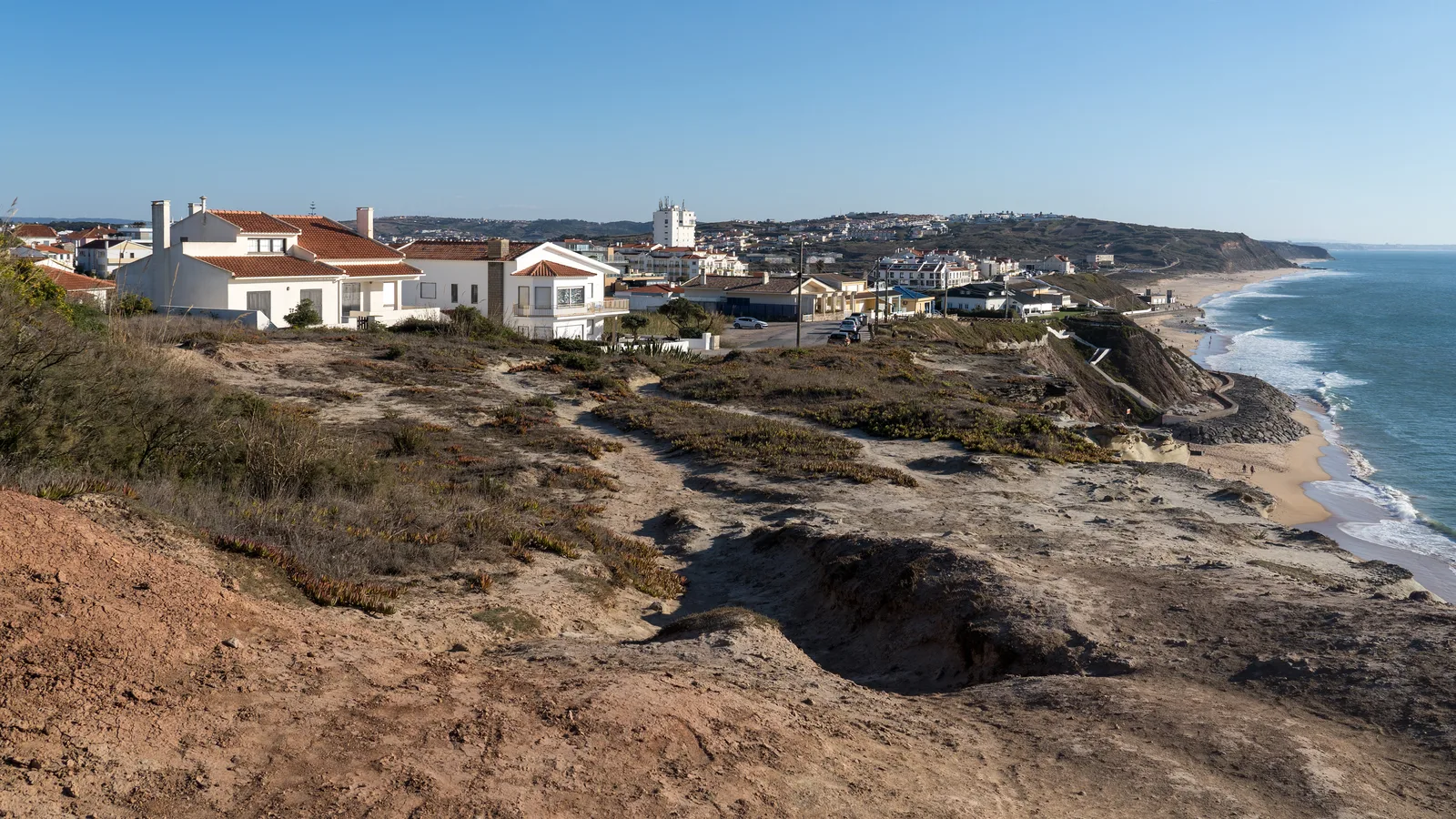
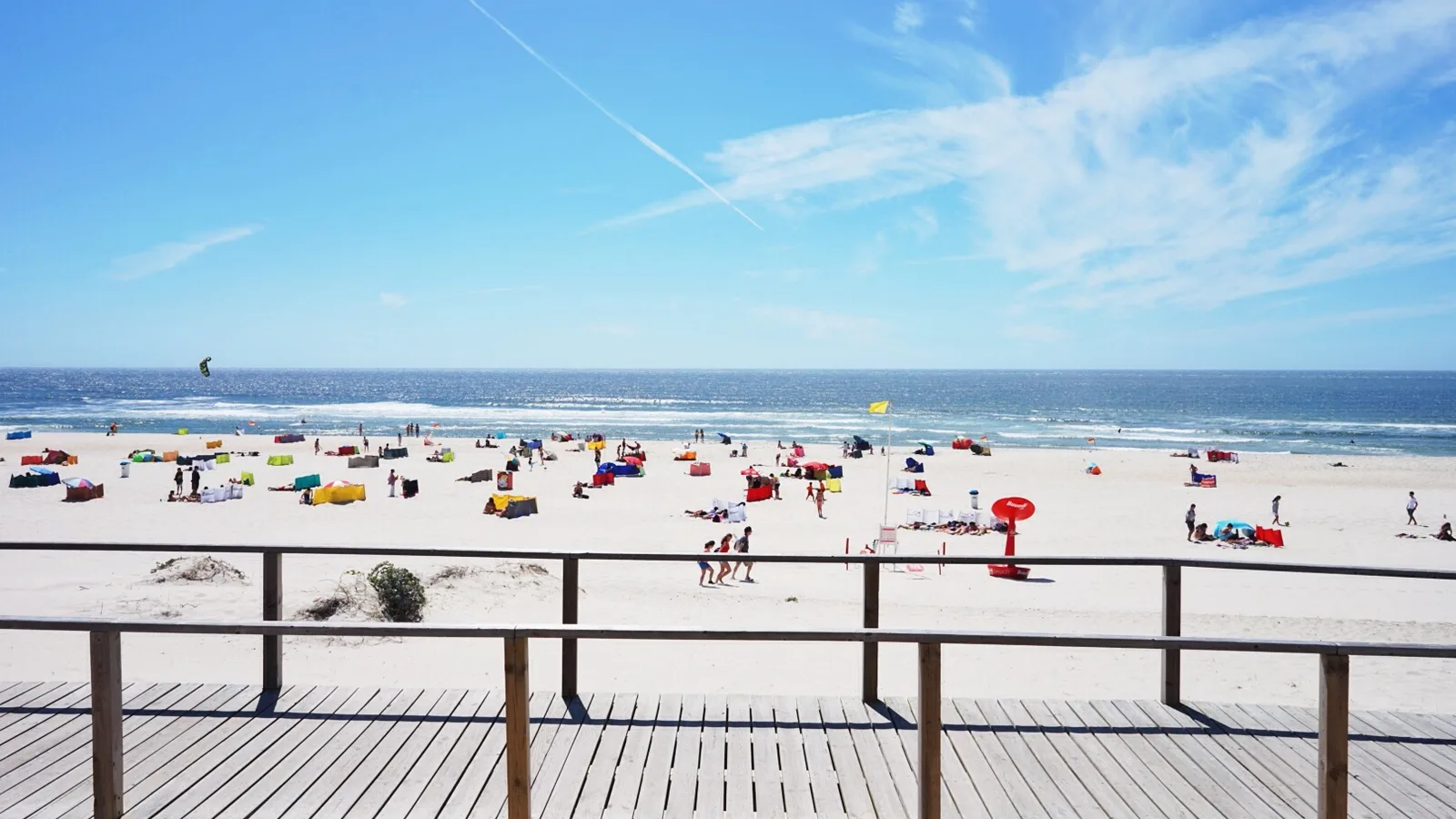
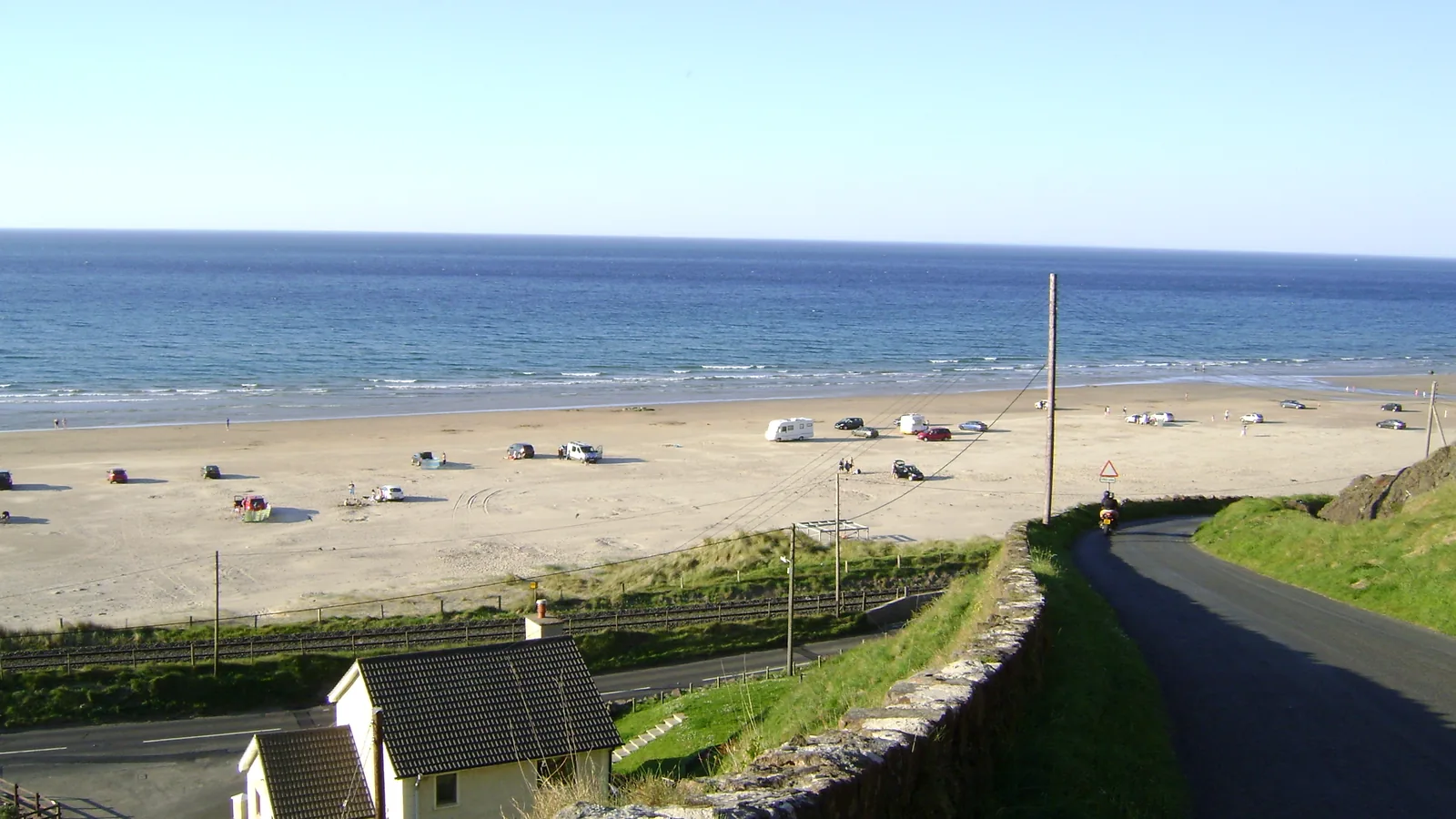
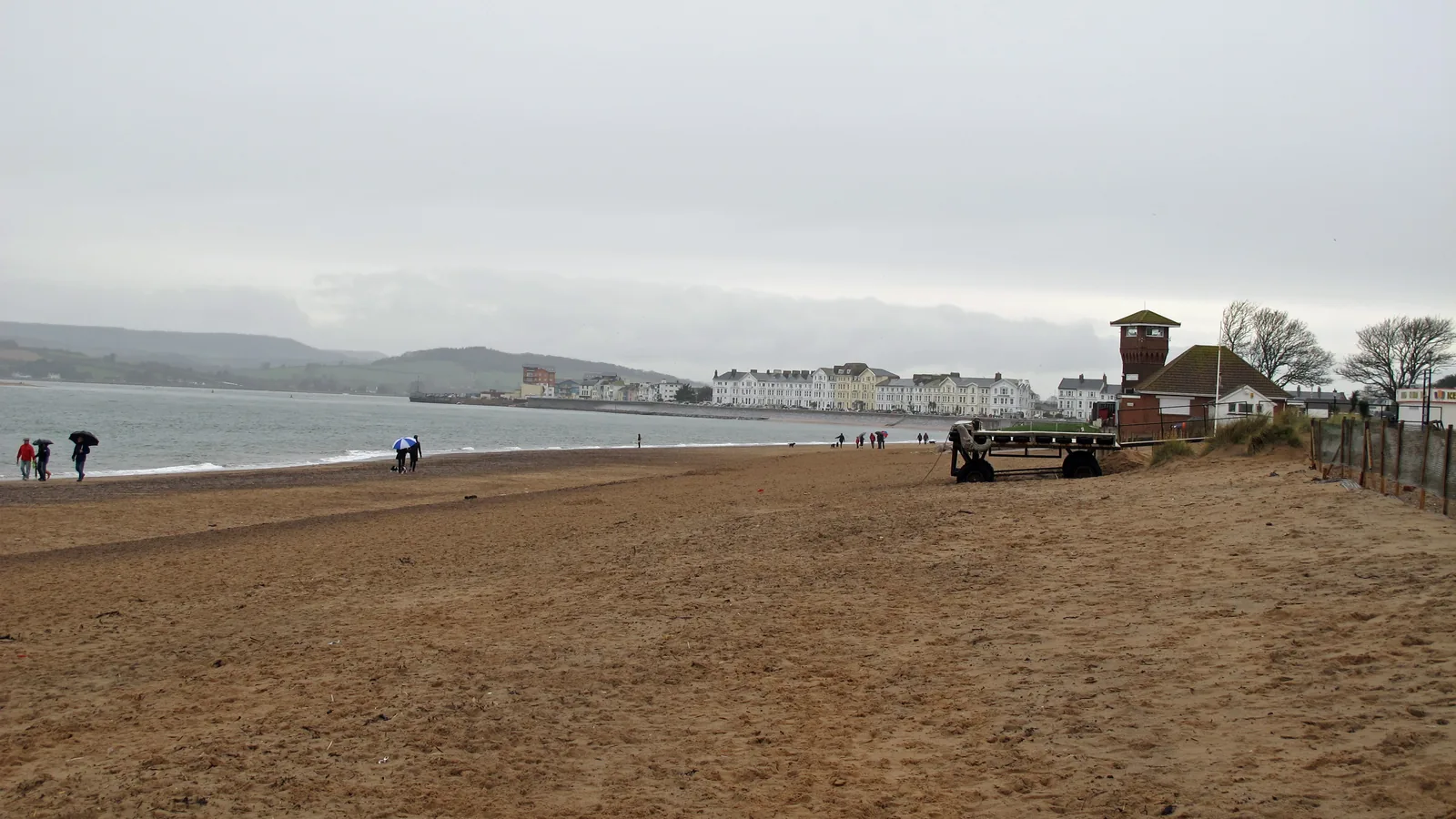
These beaches combine surf characteristics with EU Excellent water quality, Blue Flag certification, and strong visitor ratings.
Quick Answers
FAQs: Surf Blue Flag Beaches
Are there good surf beaches with Blue Flag certification?
Yes, 179 Blue Flag certified beaches are tagged as surf-suitable in this database, concentrated on Atlantic-facing coasts where consistent swell reaches the shore. The Basque Country coast of Spain and France, the Portuguese Atlantic coast (particularly the Algarve and Silver Coast), and parts of the Moroccan Atlantic coast have the highest concentration of certified surf beaches. Blue Flag certification matters for surfers specifically because water quality affects health directly during extended water sessions, the Excellent rating means bacterial counts are tested and verified well below EU threshold limits.
What kinds of surf conditions do Blue Flag surf beaches offer?
Blue Flag surf beaches range from beginner-friendly beach breaks with consistent small-to-medium swell (common on Portugal's Alentejo and Algarve coasts) to more advanced point breaks and reef setups. Certification does not directly relate to wave quality, but beaches that hold the Blue Flag tend to have active management, which often means cleaner beach infrastructure, lifeguards who also supervise surfing zones, and surf schools operating within a regulated environment. Individual beach pages describe the character of each break where data is available.
Which countries have the most Blue Flag surf beaches?
Portugal and Spain collectively account for the majority of Blue Flag surf beaches in this dataset, driven by their consistent Atlantic and Bay of Biscay swells. France (particularly the Landes coast around Hossegor and Biarritz) and Morocco also contribute significant surf-suitable certified beaches. Outside Europe, New Zealand, South Africa, and Brazil have Blue Flag certified beaches with surf potential, though the certification body and criteria application vary by region.
Can I learn to surf at a Blue Flag beach?
Many Blue Flag surf beaches have established surf schools operating legally within the beach management framework. Blue Flag criteria include the requirement that motorised water sports and surf schools operate under specific rules to prevent conflict with swimmers. This regulated environment actually makes certified beaches better choices for lessons, since the delineation of swimming zones and surf zones is clearer and enforced. Look for beach pages mentioning surf schools or beginner-appropriate conditions in the description.
Do Blue Flag beaches allow surfing in all conditions?
Blue Flag certification does not govern surfing access, that is managed by the beach operator and local authorities. On certified beaches, surfing is typically permitted outside designated swimming zones, which are marked with buoys during the official season. In large swell conditions, local authorities sometimes close beaches to all water users for safety; this applies to both swimmers and surfers. The lifeguard coverage found at many Blue Flag beaches means these closures are actively communicated, another practical benefit of visiting a certified site.