Torre Valentina
Catalonia, Spain: Excellent water quality
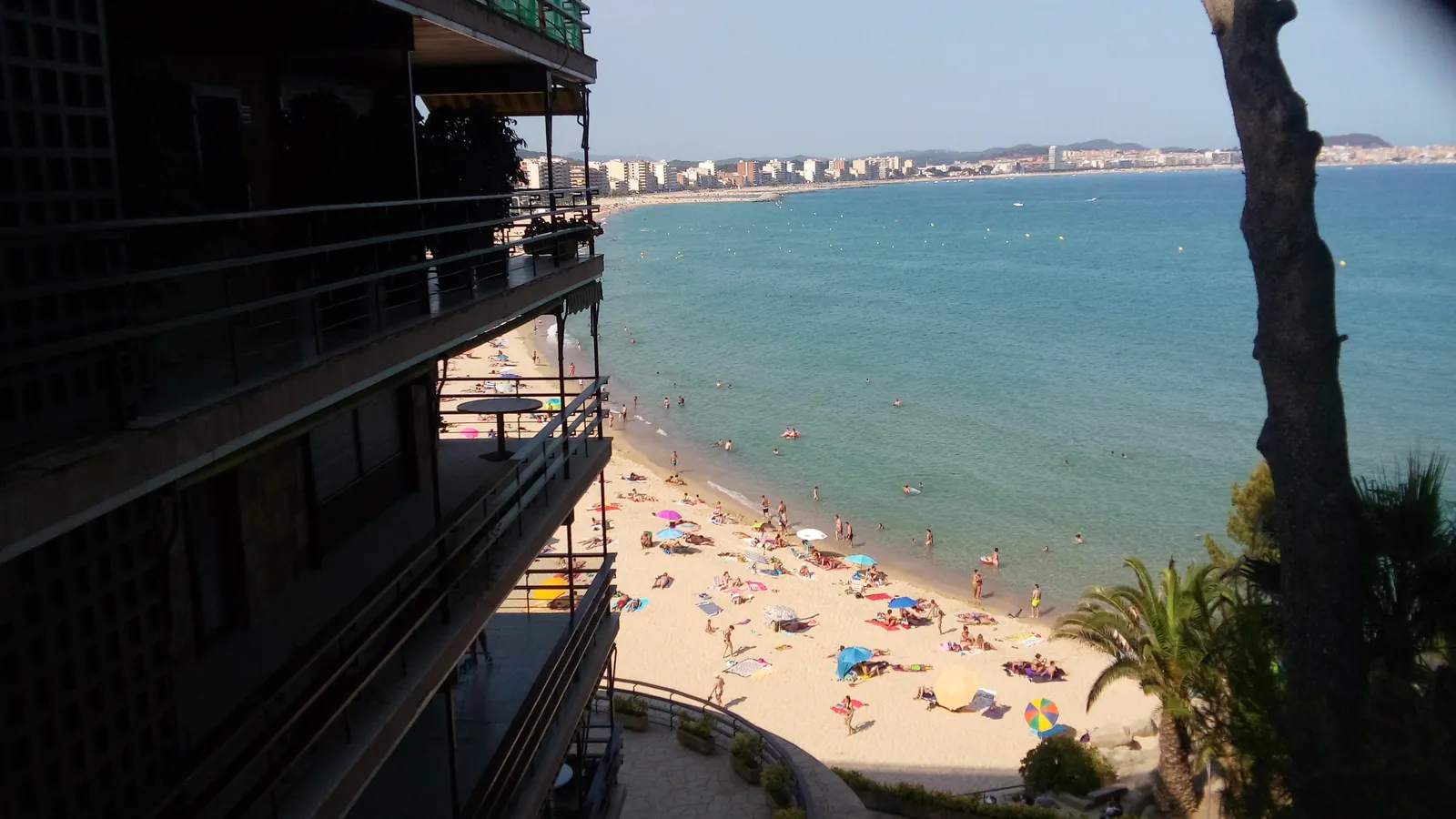
Near accommodation and disabled facilities. The beach sits close to the natural area of Les Gavarres mountains, managed by the Consortium of Les Gavarres.
Quick Overview
Plan Your Visit to Torre Valentina
The key facts before you go
About the Beach
What is Torre Valentina?
Torre Valentina lies along the Catalan coast near Calonge i Sant Antoni, a west-facing beach that appeals to visitors seeking quieter swimming conditions. The beach sits within a bay formation, offering natural protection and clear water graded as Excellent for bathing. Stone and rocky features characterize the shoreline, creating pockets of sandy access. Lifeguards are stationed during peak season, and the beach maintains Blue Flag status. The proximity to the Les Gavarres mountain range adds a landscape dimension beyond typical coastal visits. This location works well for families and those interested in snorkeling, though swimming is practical mainly from July through August when water temperatures reach 21–22°C.
It sits alongside certified beaches along Catalonia, part of a broader network of certified beaches throughout Spain certified annually by the Foundation for Environmental Education.
Visitor Feedback
What Visitors Say About Torre Valentina
What visitors appreciate
- stones|quiet atmosphere|snorkeling|family-friendly|bay|landscape|comfortable apartments|promenade|pool|worthy place to visit
- Well-staffed with lifeguards during season
- Excellent EU-rated bathing water quality
Points to consider
- Can be busy during July and August peak season
- Limited parking near the beach
- Facilities may be reduced outside peak months
Based on aggregated public visitor feedback. Themes are synthesised from multiple sources, not individual quotes. Zeach does not reproduce individual reviews.
Sunrise, Sunset & Beach Direction
Torre Valentina faces west toward Mediterranean Sea. The best light for photography and swimming is typically in June. Direct sun hours follow that facing.
Planning
When to Go: Month by Month
| Month | Air Temp | Water Temp | Crowds |
|---|---|---|---|
| Jan | 9°C | 6°C | Low |
| Feb | 10°C | 7°C | Low |
| Mar | 12°C | 9°C | Low |
| Apr | 14°C | 11°C | Low |
| May | 17°C | 14°C | Low |
| Jun | 22°C | 19°C | Med |
| Jul | 24°C | 21°C | High |
| Aug | 25°C | 22°C | High |
| Sep | 21°C | 18°C | Med |
| Oct | 18°C | 15°C | Low |
| Nov | 13°C | 10°C | Low |
| Dec | 11°C | 8°C | Low |
The best time to visit Torre Valentina is June. Air temperatures peak around 24.4°C in summer. Peak water temperature reaches 21.4°C in July.
How crowded does Torre Valentina get?How busy is Torre Valentina? Visitor numbers remain lower than flagship beaches around nearby Platja d'Aro or Santa Cristina. The quiet atmosphere draws families and swimmers specifically seeking less crowded conditions. July and August see increased activity as these form the primary swim season, yet the rocky nature and specialized appeal keeps numbers controlled compared to sandy family beaches inland. Who visits here? Families with children old enough to navigate rocky terrain, snorkelers attracted by water clarity and rocky formations, and visitors staying in nearby accommodation who want a convenient beach without traveling far. Italian and French visitors mix with Spanish nationals, particularly during July–August. The comfortable apartments mentioned in visitor reviews suggest many stay locally rather than day-tripping. When are the crowds largest? July and August represent peak season, with weekends busier than weekdays. June and September bring moderate numbers as water temperature becomes more tolerable but before full summer crowds arrive. May is noticeably quieter but demands wetsuit consideration. Winter months see minimal bathing activity, though the location remains accessible for walking and landscape viewing. What time of day? Morning hours typically see fewer people than afternoons. The westward exposure means afternoon swimmers can expect warming afternoon light but potentially windier conditions. Lifeguard presence during peak season suggests mid-day visiting aligns with supervised swimming periods.
Is Torre Valentina open year-round?The beach itself is accessible year-round, though staffed facilities including lifeguards typically operate only during the official season (15-06 – 15-09). The Blue Flag is displayed during the certification period only.
The Water
Swimming and Beach Life at Torre Valentina
Is Torre Valentina safe to swim?Torre Valentina is Blue Flag certified, which requires meeting strict bathing water standards set by the EU Bathing Water Directive. Water quality is rated Excellent. Lifeguards are on duty during the official season.
What is the water temperature at Torre Valentina?Peak water temperature at Torre Valentina reaches around 21.4°C in July, making it comfortable for swimming during the summer months. In winter (January), air temperatures average 9.1°C.
What is the beach like at Torre Valentina?Torre Valentina's physical layout reflects its bay position along the Costa Brava. The western exposure means afternoon and evening light dominates; morning visits face the mountainside backdrop. Rocky and stone substrates make up most of the beach floor, with accessible sandy patches suitable for families with young children. Water entry is gradual in some sections, steeper in others, checking conditions on arrival helps identify the best access points. Snorkeling opportunity exists here due to the rocky composition and clear water quality. The stones you'll encounter aren't uniform; some sections are smooth from wave action, others more jagged. Wear appropriate footwear if you're sensitive to rough surfaces. The quiet atmosphere noted consistently in visitor feedback reflects moderate visitor numbers compared to busier Costa Brava beaches. This translates to fewer crowds around July and August despite the peak season. Water temperature follows a strong seasonal pattern. January averages 6.1°C, rising steadily through spring. May reaches 14.1°C, still cool for extended swimming without a wetsuit. June brings 18.6°C, marking the transition toward comfortable conditions. July and August maintain 21.4–21.5°C, the practical swimming window. September remains warm at 18.2°C, but October drops to 14.7°C. Winter months (November through March) require thermal protection for most swimmers. The bay formation provides wind protection compared to open coastlines. Onshore winds during summer afternoons can create choppy conditions, though the westward facing means morning waters are typically calmer. The promenade infrastructure supports a comfortable visit, with accessible pathways. Disabled facilities are available, making access manageable for those with mobility requirements. The stone composition means the beach doesn't accumulate seaweed heavily, though seasonal algae presence varies by year.
Does Torre Valentina have good facilities?As a Blue Flag certified beach, Torre Valentina meets the Foundation for Environmental Education's standards for facilities and services. Trained lifeguards are on duty during the season. The beach has disabled access facilities.
Torre Valentina sits on the Mediterranean Sea: explore all Blue Flag beaches on the Mediterranean.
Planning a trip to Spain? Blue Flag Beaches Spain 2026 , our editorial guide to certified beaches across the country.
While You're Here
Beyond Torre Valentina
Local Attraction
Transport
Getting to Torre Valentina
How do I get to Torre Valentina by car?Torre Valentina is approximately 3.49 km from Calonge i Sant Antoni. Follow local road signs to the beach. Check Google Maps or a local map for the most current directions.
What is the nearest airport to Torre Valentina?The nearest airport is Josep Tarradellas Barcelona-El Prat Airport (BCN), approximately 103.3 km away. Josep Tarradellas Barcelona-El Prat Airport (BCN) sits 103 kilometers south of Torre Valentina. Direct flights connect Barcelona to major European and international hubs, making this the primary air gateway for most visitors. From the airport, rental car provides the most flexible transport option, approximately 1.5 hours driving north along the coast via the C-31 autopista. Public transport alternatives involve train or bus combinations from Barcelona city center, requiring transfers and extending journey time to 2–3 hours.
Can I get to Torre Valentina by public transport?Public transport options vary by season. Check local transport authority websites for current bus and train schedules connecting to Calonge i Sant Antoni.
Map
Find Torre Valentina
Open the map or get directions to the Torre Valentina pin. Amenity names are listed here only when OpenStreetMap has a mapped feature nearby.
Map loads when you ask. Tiles stay off the first paint.
Map: OpenStreetMap (ODbL)
Practical Details
Practical Information
| At the Beach | |
| Entry | Free: no charge to access the beach |
|---|---|
| Lifeguards | ✓ On duty during official season |
| Disabled Access | ✓ Accessible site facilities and water entry |
| Showers | ✗ |
| Toilets | ✗ |
| Official Season | 15 Jun – 15 Sep |
| Beach Type | Sandy beach |
| Visiting Information | |
| GPS Coordinates | 41.8383°N, 3.0934°E |
| Water Quality | Excellent (EU Bathing Water Directive) |
| Blue Flag Operator | Foundation for Environmental Education (FEE), Spain |
Frequently Asked Questions
Torre Valentina FAQ
Is Torre Valentina worth visiting?
Torre Valentina suits visitors seeking quieter coastal swimming with good water quality and snorkeling potential. The Excellent bathing water grade and lifeguard presence during peak season provide safety assurance. The rocky character and bay protection create distinct conditions compared to typical sandy beaches. Worth visiting depends on your preference: if you value calm conditions and rock formations over sandy expanses, yes. If you need large sandy beaches and heavy facilities, nearby alternatives may suit better. The mountain backdrop and clear water appeal to photographers and nature-focused visitors.
How do I get to Torre Valentina?
From Barcelona airport (103 km south), rent a car and drive north 1.5 hours via the C-31 coastal route toward Calonge i Sant Antoni. Public transport involves train or bus from Barcelona to the town, then local taxi or walking if accommodation is central. The beach sits near town facilities, making it accessible without private transport if you're staying locally. No direct airport shuttle serves this small beach location, so car rental offers the most practical option for independent travelers arriving by air.
What's the best time of year to visit?
July and August offer the warmest water (21.4–21.5°C) and reliable swimming conditions, though these are also peak crowd months. June and September provide acceptable water temperatures (18.2–18.6°C) with fewer visitors, consider a light wetsuit for the shoulder months. May water reaches 14.1°C, requiring thermal protection. Winter months (November–March) drop below 10°C, limiting practical swimming. Late June through early September represents the practical season; July–August guarantees warmth but brings maximum visitors; June and September offer a quieter alternative with acceptable conditions.
What facilities are there at Torre Valentina?
Lifeguards operate during the swim season. Disabled facilities are available, supporting accessible beach access. The promenade provides walkways and infrastructure. The description mentions comfortable apartments nearby, indicating accommodation within walking distance. A pool facility appears in visitor reviews, suggesting nearby leisure infrastructure. Standard coastal services are available in Calonge i Sant Antoni town center. The beach itself appears more minimal in terms of beach huts or rentals compared to developed resort beaches, reflecting its quieter character and family-focused design.
Is Torre Valentina suitable for families?
Yes, Torre Valentina appeals to families, particularly those with older children comfortable on rocky terrain. Lifeguards provide supervision during peak season. Disabled facilities support accessibility for family members with mobility needs. Gradual water entry exists in sections, though stone substrate requires footwear consideration. The quiet atmosphere reduces crowding stress. The nearby promenade and comfortable apartments suggest family-friendly infrastructure. Young children unfamiliar with rocky beaches may find sandy alternatives more comfortable, but families seeking quieter conditions and snorkeling opportunities find Torre Valentina well-suited to their needs.
Explore More
Nearby Blue Flag Beaches
Editorial
From the Zeach Blog
Everything you need to know about what makes a beach qualify for Blue Flag status, from water quality to environmental education.
Read moreOur editorial team's pick of the standout Blue Flag beaches in Spain, rated for family friendliness, scenery, and facilities.
Explore SpainWhat the flag actually means, how certification works, and why a Blue Flag is a genuinely reliable signal, not just a marketing tool.
Read moreSources
- Foundation for Environmental Education: Blue Flag programme
- FEE site listing for Torre Valentina
- ADEAC (Asociación de Educación Ambiental y del Consumidor)
- European Environment Agency: bathing water quality
Last verified September 2026. National operator pages and FEE listings are the primary certification sources.