Playa de Piles
Valencian Community, Spain: Excellent water quality
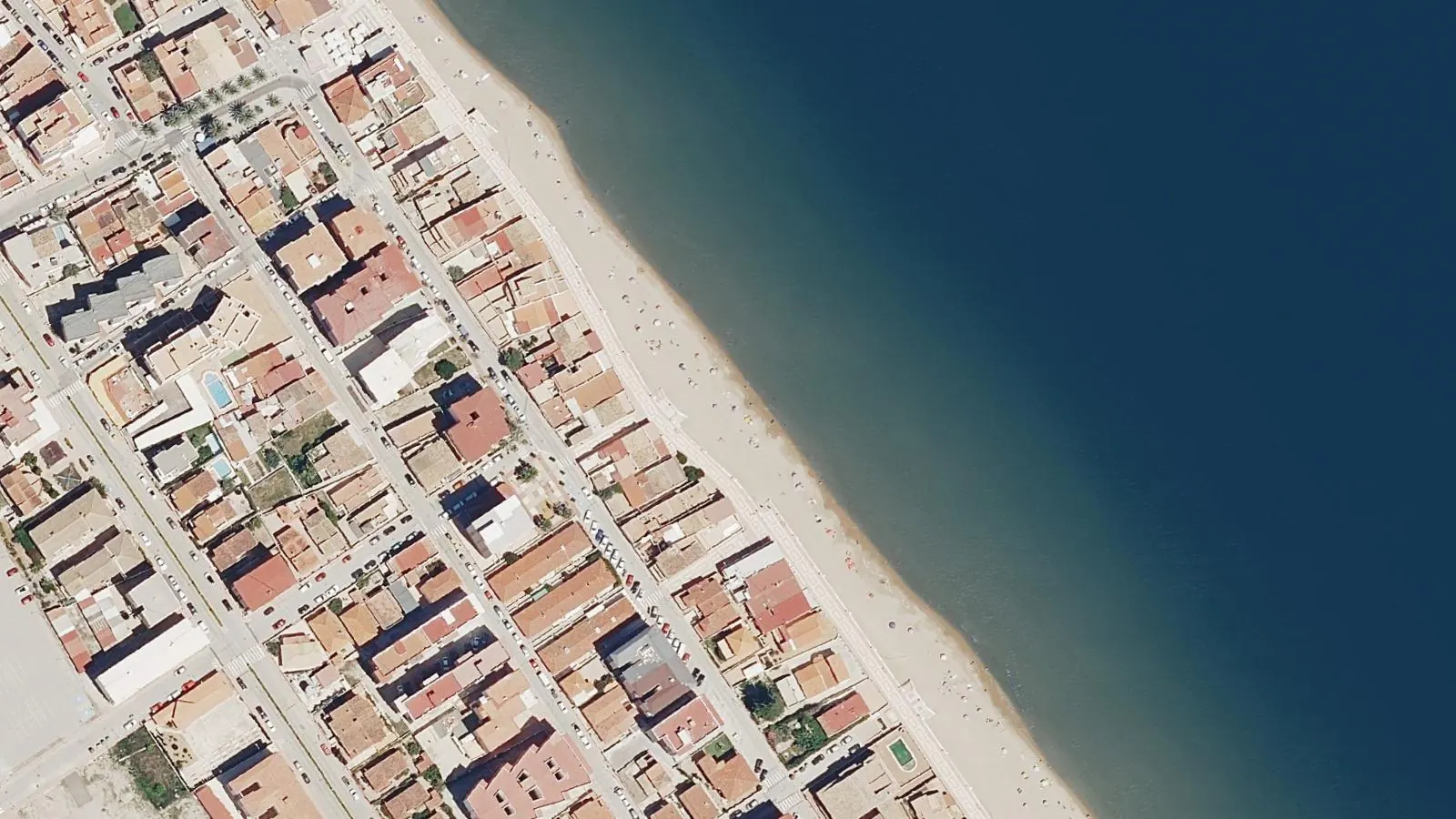
Fine sand beach in the city center with lifeguards on duty June 1–September 30, plus weekends in May from 10am to 8pm. You'll find restaurants, public transport access, and handicap facilities nearby. The beach has a dune system worth exploring. Tourist information is available on-site.…
Quick Overview
Plan Your Visit to Playa de Piles
The key facts before you go
About the Beach
What is Playa de Piles?
Playa de Piles is an urban beach in the Valencian Community, situated close to the town center of Piles. The beach features fine sand and earned Blue Flag status, reflecting its excellent bathing water quality. Located on Spain's eastern coast facing south, this 38-hectare stretch draws families and those seeking reliable waves. The beach runs for approximately 1.2 km and benefits from a organized lifeguard service during peak months. Its proximity to the city center makes it accessible without lengthy transfers, while the dunar system behind the beach provides natural interest beyond the immediate shoreline.
It sits alongside other certified beaches in Valencian Community, part of a broader network of other Blue Flag beaches in Spain certified annually by the Foundation for Environmental Education.
Visitor Feedback
What Visitors Say About Playa de Piles
What visitors appreciate
- family beach|family-friendly|fine sand|ideal for children|family atmosphere|promenade|no algae|size of the beach|small waves|blue flag
- Well-staffed with lifeguards during season
- Excellent EU-rated bathing water quality
Points to consider
- Can be busy during July and August peak season
- Facilities may be reduced outside peak months
Based on aggregated public visitor feedback. Themes are synthesised from multiple sources, not individual quotes. Zeach does not reproduce individual reviews.
Sunrise, Sunset & Beach Direction
Playa de Piles faces south toward Mediterranean Sea. The best light for photography and swimming is typically in June. Direct sun hours follow that facing.
Planning
When to Go: Month by Month
| Month | Air Temp | Water Temp | Crowds |
|---|---|---|---|
| Jan | 12°C | 9°C | Low |
| Feb | 13°C | 10°C | Low |
| Mar | 14°C | 11°C | Low |
| Apr | 16°C | 13°C | Low |
| May | 20°C | 17°C | Low |
| Jun | 24°C | 21°C | Med |
| Jul | 27°C | 24°C | High |
| Aug | 27°C | 24°C | High |
| Sep | 24°C | 21°C | Med |
| Oct | 20°C | 17°C | Low |
| Nov | 16°C | 13°C | Low |
| Dec | 14°C | 11°C | Low |
The best time to visit Playa de Piles is June. Air temperatures peak around 27°C in summer. Peak water temperature reaches 24°C in July.
How crowded does Playa de Piles get?Playa de Piles sees variable crowds depending on season and day of week. During June through August, particularly on weekends, families dominate the beach, with school holidays (typically mid-June through mid-August) bringing peak numbers. Weekday visits outside school holidays typically see lighter use. September still maintains summer temperatures but experiences fewer visitors as tourists return to work and school. The urban location means local residents use the beach regularly rather than only tourists, creating a consistent baseline of activity year-round. On warm weekends, the promenade becomes busy with both swimmers and casual walkers. Restaurants along the beach front attract people who aren't necessarily swimming but are using the space for dining or socializing. The lifeguard presence during daylight hours in summer creates a sense of managed activity rather than wild bustle. Early morning visits before 10:00 offer the quietest conditions if you prefer minimal crowds. Conversely, late afternoon from 16:00 to 20:00 sees families arriving after work and school, building the day's highest concentrations. Winter months (October through May) are noticeably quieter, though the beach remains accessible and some swimming-capable individuals do use it during warmer winter days.
Is Playa de Piles open year-round?The beach itself is accessible year-round, though staffed facilities including lifeguards typically operate only during the official season (15-06 – 15-09). The Blue Flag is displayed during the certification period only.
The Water
Swimming and Beach Life at Playa de Piles
Is Playa de Piles safe to swim?Playa de Piles is Blue Flag certified, which requires meeting strict bathing water standards set by the EU Bathing Water Directive. Water quality is rated Excellent. Lifeguards are on duty during the official season.
What is the water temperature at Playa de Piles?Peak water temperature at Playa de Piles reaches around 24°C in July, making it comfortable for swimming during the summer months. In winter (January), air temperatures average 12.3°C.
What is the beach like at Playa de Piles?Playa de Piles offers fine sand across its length, making it practical for families with younger children and those who prefer comfortable walking surfaces. The south-facing orientation means the beach receives direct sunlight throughout the day, which visitors consistently note in their feedback. The bathing water meets excellent standards, supporting swimming and water activities during the warmer months. From June through September, lifeguards operate from 10:00 to 20:00, with weekend coverage extending into May. This supervision creates a structured safe environment for swimmers. The beach experiences small waves regularly, which explains why both family swimmers and surfers find conditions suitable. During summer months, water temperatures reach 24°C, making extended water time comfortable. The urban setting means restaurants and public transport access the beach directly, there's no need for lengthy walks from car parks or bus stops. The promenade runs alongside the beach, offering a clear pedestrian space separate from sand areas. The dunar system behind the beach represents a natural protected area, providing habitat and visual variety. Reports consistently mention the absence of algae problems, which affects water clarity and cleanliness. The beach's size accommodates visitors without feeling overcrowded during typical conditions, though summer weekends will see higher numbers. The fine sand extends into shallow water gradually, which benefits children learning to swim. Facilities include public restroom access, though specific toilet locations vary seasonally. The beach operates as an open public space with no entry fees, contrasting with some private beach clubs elsewhere on the coast.
Does Playa de Piles have good facilities?As a Blue Flag certified beach, Playa de Piles meets the Foundation for Environmental Education's standards for facilities and services. Trained lifeguards are on duty during the season. Parking is available nearby. The beach has disabled access facilities.
Playa de Piles sits on the Mediterranean Sea: explore all Blue Flag beaches on the Mediterranean.
Planning a trip to Spain? Blue Flag Beaches Spain 2026 , our editorial guide to certified beaches across the country.
While You're Here
Beyond Playa de Piles
The town of Piles offers conventional urban amenities including restaurants, small shops, and local services within walking distance of the beach. The area is part of the Valencian Community's broader cultural region, situated between larger coastal cities that host more extensive attractions. Piles maintains its character as a working town rather than a dedicated tourist resort, meaning visitor facilities focus on practical services rather than theme parks or major entertainment complexes. The dunar system behind Playa de Piles provides opportunities for observing coastal ecology and the sand dune plants that protect the shoreline. Nearby wetland areas in the Valencian Community offer birdwatching possibilities for those interested in local wildlife. The region has historical significance dating to medieval periods, though major museums and historical sites are located in larger regional centers requiring day trips. Local fishing continues in the area, and some restaurants source fresh seafood accordingly.
Transport
Getting to Playa de Piles
How do I get to Playa de Piles by car?Playa de Piles is approximately 1.88 km from Piles. Follow local road signs to the beach. Check Google Maps or a local map for the most current directions.
What is the nearest airport to Playa de Piles?The nearest airport is Alicante-Elche Airport (ALC), approximately 83.3 km away. Alicante-Elche Airport (ALC) is the nearest air gateway, located 83.3 km south of Playa de Piles. Flight time from major European cities ranges from 2.5 to 5 hours depending on origin. From the airport, rental cars are available but driving to Piles requires approximately 1.5 hours via the AP-7 motorway heading north. Alternative options include airport buses serving the region, though connections to Piles specifically may require transfers. Taxi services operate from the airport but cost significantly more than car rental or public transport combinations. The airport handles regular European connections, making it the primary arrival point for international visitors.
Can I get to Playa de Piles by public transport?Public transport serves Playa de Piles with bus connections to nearby towns and Piles city center. Buses provide access directly to the beach area, eliminating the need for transfers once you've reached the immediate vicinity. Regional bus services connect Piles to larger regional centers, though specific timetables vary seasonally. The bus service is particularly practical during summer months when parking in the urban beach area becomes competitive. The nearest recorded bus stop is 1.6 km from the beach.
Is there a train to Playa de Piles?Playa de Piles lists Gandia as the nearest railway station, 6.29 km away. Check current timetables before travelling.
Nearby
Near Playa de Piles
Mapped toilets, bus stops, cafés, parking, and shops within about 500 m of Playa de Piles. Distances are walking-line estimates from the beach pin.
Map loads when you ask. Tiles stay off the first paint.
Map: OpenStreetMap (ODbL)
Cafés near Playa de Piles
- Restaurante Gloriamar Restaurant 156 m
- Xixona Ice cream 171 m
- Cantares Restaurant 226 m
- El Raco Café 286 m
- Dylan's Pizza Restaurant 366 m
Parking near Playa de Piles
- Parking Parking 280 m
Source: © OpenStreetMap contributors (ODbL). Names and positions come from mapped OSM features. Confirm on site.
Practical Details
Practical Information
| At the Beach | |
| Entry | Free: no charge to access the beach |
|---|---|
| Lifeguards | ✓ On duty during official season |
| Disabled Access | ✓ Accessible site facilities and water entry |
| Showers | ✗ |
| Toilets | ✗ |
| Official Season | 15 Jun – 15 Sep |
| Beach Type | Sandy beach |
| Parking | ✓ Available nearby (surface parking) |
| Nearest supermarket | 1.1 km from the beach |
| Nearest bus stop | 1.6 km from the beach |
| Visiting Information | |
| GPS Coordinates | 38.9482°N, 0.1131°W |
| Water Quality | Excellent (EU Bathing Water Directive) |
| Blue Flag Operator | Foundation for Environmental Education (FEE), Spain |
Frequently Asked Questions
Playa de Piles FAQ
Is Playa de Piles worth visiting?
Yes, particularly if you value family-friendly swimming with reliable conditions and accessible facilities. The beach's Blue Flag status reflects genuine water quality standards rather than marketing alone. The fine sand and small waves suit both confident swimmers and families with children. The urban location eliminates remote beach complications, restrooms, restaurants, and transport are immediately available. However, expect crowds during school holidays and summer weekends. If you seek isolation or undeveloped coastline, this isn't the right choice. For practical beach time in a manageable setting, it delivers.
How do I get to Playa de Piles?
By car from Alicante-Elche Airport takes approximately 1.5 hours heading north on the AP-7 motorway. Public buses serve Piles and connect to the beach area directly, avoiding parking complications during peak season. From Piles city center, the beach is walking distance. The south-facing location makes navigation straightforward, head toward the coast. If traveling from Barcelona or Valencia, driving times are 3-4 hours and 1 hour respectively via coastal routes. Public transport from regional centers requires checking current schedules with local bus operators.
What's the best time of year to visit Playa de Piles?
June through September offers reliable swimming with water temperatures ranging from 21°C to 24°C. July and August are warmest but busiest, particularly on weekends. June and September provide warmer conditions than other months while typically seeing lighter crowds than peak summer. Early June and September before school holidays end offer a practical compromise between comfort and space. Winter months (December-February) are significantly colder with water temperatures around 10°C, suitable only for experienced swimmers. April and May offer gradually warming conditions ideal for those avoiding peak summer entirely.
What facilities are available at Playa de Piles?
Lifeguards provide supervision from 10:00 to 20:00 between June 1st and September 30th, plus May weekends. Public restrooms serve the beach, though hours vary seasonally. Restaurants line the promenade offering food and beverages without leaving the beach area. Public transport including buses connect directly to the beach. Handicap facilities are documented as available, though specific access routes require direct verification. The beach provides no rental equipment services, bring your own gear if needed. Parking exists nearby in the urban area, though it fills during peak summer days.
Is Playa de Piles suitable for families?
Yes. The fine sand, small waves, and gradual water entry suit children learning to swim. Lifeguard presence during summer months provides supervision when most families visit. The promenade separates pedestrians from swimmers, creating organized space. Restaurants nearby allow family meals without leaving the beach area. The beach's family-friendly reputation comes from consistent user feedback, not tourism marketing. However, summer weekends and school holidays bring substantial crowds, so plan early visits or quieter weekday trips if your family prefers fewer people. The urban setting means immediate access to restrooms and fresh water.
Are there cafés near Playa de Piles?
Yes. OpenStreetMap lists 5 cafés or restaurants near Playa de Piles, including Restaurante Gloriamar (156 m), Xixona (171 m), Cantares (226 m), and El Raco (286 m). Hours and seasonal opening are not verified here. Check on the day. © OpenStreetMap contributors (ODbL).
Is there parking near Playa de Piles?
Yes. OpenStreetMap maps parking 280 m from Playa de Piles. Charges and time limits are not recorded here. © OpenStreetMap contributors (ODbL).
Explore More
Nearby Blue Flag Beaches
Editorial
From the Zeach Blog
Everything you need to know about what makes a beach qualify for Blue Flag status, from water quality to environmental education.
Read moreOur editorial team's pick of the standout Blue Flag beaches in Spain, rated for family friendliness, scenery, and facilities.
Explore SpainWhat the flag actually means, how certification works, and why a Blue Flag is a genuinely reliable signal, not just a marketing tool.
Read moreSources
- Foundation for Environmental Education: Blue Flag programme
- FEE site listing for Playa de Piles
- ADEAC (Asociación de Educación Ambiental y del Consumidor)
- European Environment Agency: bathing water quality
Last verified September 2026. National operator pages and FEE listings are the primary certification sources.