Myrtos
Region of Crete, Greece: Excellent water quality
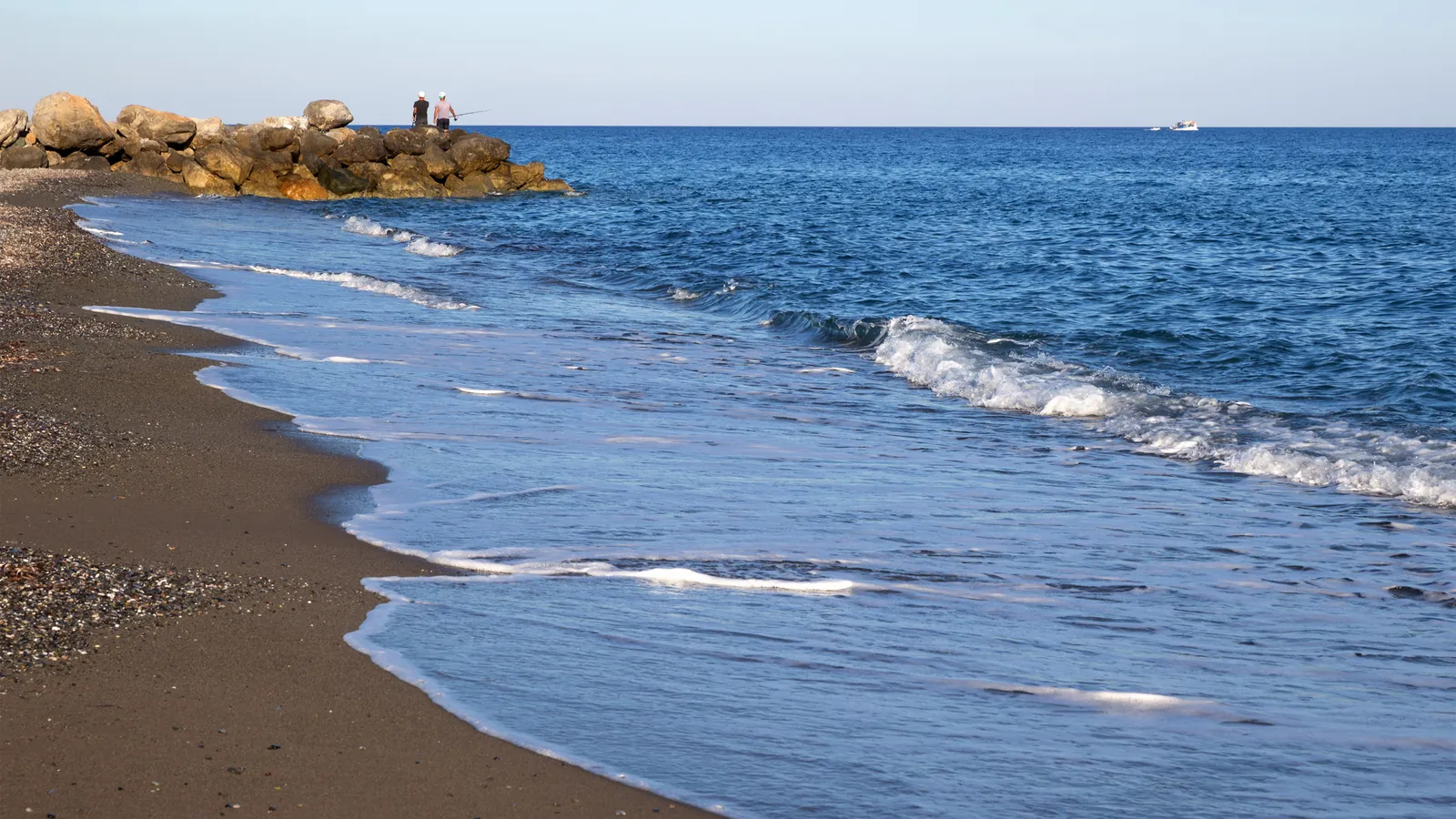
Myrtos Beach is a sand-and-pebble beach in Myrtos village, about 10km from Ierapetra town, with easy road access. It's a quiet, clean stretch of coast away from the busier beaches in the area, a good choice if you want a more relaxed swim.
Quick Overview
Plan Your Visit to Myrtos
The key facts before you go
About the Beach
What is Myrtos?
Myrtos beach sits along the southeastern coast of Crete, approximately 10 kilometers from the town of Ierapetra. This quiet stretch of sand and pebbles faces east toward the Libyan Sea, catching the morning sun as it rises over the water. The beach forms part of Myrtos village, a small coastal settlement that maintains a relaxed atmosphere away from the busier tourist centers of northern Crete. With excellent bathing water quality verified through Blue Flag certification, Myrtos offers clean swimming conditions throughout the season. The beach provides full accessibility features including ramps and dedicated parking for visitors with disabilities, making it welcoming for all. Accommodation options in the village include hotels and rental rooms, while local taverns serve traditional Cretan cuisine just steps from the shore. The surrounding region of Ierapetra holds significant natural attractions, from mountain forests to protected wetlands, positioning Myrtos as a base for both beach relaxation and nature exploration.
It sits alongside Blue Flag beaches in Region of Crete, part of a broader network of Blue Flag certified beaches across Greece certified annually by the Foundation for Environmental Education.
Sunrise, Sunset & Beach Direction
Myrtos faces east toward Mediterranean Sea. The best light for photography and swimming is typically in April, May, June. Direct sun hours follow that facing.
Planning
When to Go: Month by Month
| Month | Air Temp | Water Temp | Crowds |
|---|---|---|---|
| Jan | 12°C | 9°C | Low |
| Feb | 13°C | 10°C | Low |
| Mar | 14°C | 11°C | Low |
| Apr | 18°C | 15°C | Low |
| May | 22°C | 19°C | Low |
| Jun | 26°C | 23°C | Low |
| Jul | 29°C | 26°C | Med |
| Aug | 28°C | 25°C | High |
| Sep | 25°C | 22°C | High |
| Oct | 21°C | 18°C | Med |
| Nov | 18°C | 15°C | Low |
| Dec | 14°C | 11°C | Low |
The best time to visit Myrtos is April, May, June. Air temperatures peak around 28.5°C in summer. Peak water temperature reaches 25.5°C in July.
How crowded does Myrtos get?Who visits Myrtos beach and when does it get busy? The quiet classification tells much of the story, as this beach attracts visitors specifically seeking escape from crowded resort areas. The combination of being 10 kilometers from Ierapetra and lacking major resort development filters the crowd toward independent travelers, families wanting peaceful conditions, and those who prioritize relaxed atmospheres over nightlife proximity. The swimming season from June through September concentrates most visitors into these four months. July and August bring the highest numbers, coinciding with European school holidays and peak water temperatures around 25°C. Even during these months, Myrtos maintains its character as a peaceful destination, though morning arrival secures better positioning for deck chairs. June offers an attractive compromise, with warming water temperatures reaching 22.6°C by month's end and noticeably fewer visitors than high summer. September provides similar advantages as families with school-age children depart, leaving the beach to couples and flexible travelers who can appreciate the still-warm 22.4°C waters and softer crowds. The accommodation base of hotels and rental rooms within the village suggests a visitor population that stays multiple days rather than day-trippers, creating a more settled community atmosphere on the beach. Weekends may see some additional visitors from Ierapetra and the surrounding region, particularly local families taking advantage of the accessible facilities and clean swimming conditions. The eastern orientation means the beach receives morning sun first, making late afternoon visits pleasant as the sun moves behind the village rather than glaring directly at swimmers.
Is Myrtos open year-round?The beach itself is accessible year-round, though staffed facilities including lifeguards typically operate only during the official season (01-07 – 31-10). The Blue Flag is displayed during the certification period only.
The Water
Swimming and Beach Life at Myrtos
Is Myrtos safe to swim?Myrtos is Blue Flag certified, which requires meeting strict bathing water standards set by the EU Bathing Water Directive. Water quality is rated Excellent. Lifeguards are on duty during the official season.
What is the water temperature at Myrtos?Peak water temperature at Myrtos reaches around 25.5°C in July, making it comfortable for swimming during the summer months. In winter (January), air temperatures average 11.9°C.
What is the beach like at Myrtos?What makes Myrtos beach stand out among Crete's coastal options? The combination of sand and pebbles creates a varied shoreline texture, with the eastern orientation providing shelter from the prevailing northwestern winds that affect other parts of the island. The beach maintains its Blue Flag status through consistently excellent bathing water quality, meaning swimmers can enter the water with confidence about cleanliness and safety standards. Lifeguards patrol Myrtos during the swimming season, adding a layer of security for families and less confident swimmers. The beach infrastructure demonstrates thoughtful planning with deck chairs available for rent, freshwater showers to rinse off salt water, and wooden walkways that protect both the beach environment and visitors' feet from hot sand and stones. Accessibility features include ramps and designated parking spaces for visitors with mobility limitations, ensuring the beach remains inclusive. Water temperatures at Myrtos follow the typical eastern Mediterranean pattern, though the Libyan Sea location means slightly different conditions than northern Crete. January sees the coldest water at around 8.9°C, gradually warming through spring. By May, temperatures reach 19°C, becoming genuinely comfortable for swimming. The peak months of July and August bring water temperatures to 25.4-25.5°C, warm enough for extended time in the sea without discomfort. September maintains pleasant 22.4°C waters as the swimming season winds down, while October's 18.4°C still permits hardy swimmers their final dips before winter cooling begins. Air temperatures complement the water nicely during summer, with July and August averaging 28.4-28.5°C and September cooling slightly to 25.4°C. Winter visitors, perhaps exploring the island's archaeological sites, will find January air temperatures around 11.9°C, mild by northern European standards but not beach weather. The swimming season officially runs from June through September, when conditions align for comfortable bathing. June marks the transition period as water warms toward its summer peak, while September offers the advantage of warm sea temperatures combined with smaller crowds and softer afternoon light. Sport facilities exist on the beach, though they operate without causing disturbance to visitors seeking quiet relaxation. This balance between activity options and peaceful atmosphere defines the Myrtos experience. The beach's classification as 'quiet' accurately reflects its character, distinguishing it from the more developed resort beaches elsewhere in Crete. Village services support extended stays, with car and bike rentals available for exploring the wider region. The proximity to Ierapetra, the southernmost town in Europe, provides access to additional services, shopping, and evening entertainment while maintaining Myrtos as a calmer base. Multiple taverns near the beach serve freshly prepared meals, typically featuring local fish and Cretan specialties, allowing visitors to spend entire days moving between sand, sea, and table without venturing far.
Does Myrtos have good facilities?As a Blue Flag certified beach, Myrtos meets the Foundation for Environmental Education's standards for facilities and services. Trained lifeguards are on duty during the season. Showers are available. Parking is available nearby.
Myrtos sits on the Mediterranean Sea: explore all Blue Flag beaches on the Mediterranean.
Planning a trip to Greece? How Greece earns the most Blue Flags , our editorial guide to certified beaches across the country.
While You're Here
Beyond Myrtos
The Municipality of Ierapetra surrounds Myrtos with diverse natural environments worth exploring between beach days. The Thrypti Mountains rise inland, offering walking routes through pine forests recognized by the Greek Ornithological Organization as one of Greece's 113 most important bird areas. The dramatic Ha Canyon shelters notable species including the bearded vulture, golden eagle, griffon vulture, and red-billed chough. Chryssi Island lies offshore, accessible by boat from Ierapetra, featuring a rare juniper forest ecosystem with protected birds and plants creating landscapes unlike mainland Crete. The Bramiana dam has created an artificial lake that evolved into a significant wetland, serving migratory birds crossing between Europe and Africa while hosting resident species year-round. Selakano forest provides additional hiking through pine woodland, passing springs and traditional bee gardens. This forest serves as habitat for the Cretan wild cat, one of the island's most elusive animals. The Sarakina Canyon, accessible at forest's edge, offers dramatic scenery best explored in late summer when water levels drop. Ierapetra town hosts environmental and cultural events throughout the year, intensifying during summer with exhibitions, conferences, and photography competitions focused on environmental themes.
Transport
Getting to Myrtos
How do I get to Myrtos by car?Myrtos is approximately 19.73 km from Ierapetra Municipal Unit. Follow local road signs to the beach. Check Google Maps or a local map for the most current directions.
What is the nearest airport to Myrtos?The nearest airport is Heraklion International "Nikos Kazantzakis" Airport (HER), approximately 52.6 km away. Heraklion International Airport, named after Cretan author Nikos Kazantzakis, serves as the arrival point for most visitors to Myrtos. The airport sits 52.6 kilometers from the beach, positioned on the northern coast near Crete's capital city. Flight connections reach Heraklion from major European cities throughout the year, with frequency increasing substantially during summer months. From the airport, reaching Myrtos requires ground transportation heading southeast across the island. The journey takes approximately one hour depending on traffic conditions and chosen route. Car rental desks operate within the airport terminal, providing the most flexible option for exploring southeastern Crete during your stay. Alternatively, taxi services and pre-arranged transfers can deliver visitors directly to Myrtos village accommodations.
Can I get to Myrtos by public transport?Public bus services operated by KTEL connect Heraklion with Ierapetra, the main town located 10 kilometers from Myrtos beach. From Ierapetra, local connections or taxi services complete the journey to Myrtos village. Bus schedules vary seasonally, with more frequent summer services. Check current KTEL Heraklion-Lasithi timetables before travel. The nearest recorded bus stop is 206 m from the beach.
Nearby
Near Myrtos
Mapped toilets, bus stops, cafés, parking, and shops within about 500 m of Myrtos. Distances are walking-line estimates from the beach pin.
Map loads when you ask. Tiles stay off the first paint.
Map: OpenStreetMap (ODbL)
Bus near Myrtos
- Μύρτος Bus stop 206 m
Cafés near Myrtos
- votsalo Restaurant 62 m
- Hermanos Café 72 m
- Thalassa Restaurant 85 m
- Flisvos Restaurant 102 m
- Livyko Café 115 m
Parking near Myrtos
- Parking Parking 97 m
- Parking Parking 206 m
Supermarket near Myrtos
- Maria's super markt Supermarket 210 m
- Phaistós Supermarket 230 m
Source: © OpenStreetMap contributors (ODbL). Names and positions come from mapped OSM features. Confirm on site.
Practical Details
Practical Information
| At the Beach | |
| Entry | Free: no charge to access the beach |
|---|---|
| Lifeguards | ✓ On duty during official season |
| Disabled Access | ✗ No dedicated disabled access listed |
| Showers | ✓ Available during season |
| Toilets | ✗ |
| Official Season | 01 Jul – 31 Oct |
| Beach Type | Sandy beach |
| Parking | ✓ Available nearby (surface parking) |
| Nearest supermarket | 210 m from the beach |
| Nearest bus stop | 206 m from the beach |
| Visiting Information | |
| GPS Coordinates | 35.0033°N, 25.5866°E |
| Water Quality | Excellent (EU Bathing Water Directive) |
| Blue Flag Operator | Foundation for Environmental Education (FEE), Greece |
Frequently Asked Questions
Myrtos FAQ
Is Myrtos worth visiting?
Myrtos rewards visitors seeking a genuine quiet beach experience on Crete's southern coast. The excellent bathing water quality ensures clean swimming conditions, while the sand and pebble shoreline offers textural variety. Full facilities including lifeguards, showers, and deck chairs provide comfort without overdevelopment. The village setting with taverns and accommodation creates a complete base rather than an isolated beach. For those wanting escape from crowded northern resorts while maintaining good services, Myrtos delivers well. The surrounding region adds value through accessible natural attractions including mountains, canyons, and the unique Chryssi Island ecosystem.
How do I get to Myrtos?
Most visitors arrive through Heraklion International Airport, located 52.6 kilometers from Myrtos beach. Car rental from the airport provides the most practical transport option, allowing flexibility for exploring southeastern Crete. The drive takes roughly one hour heading southeast. Public buses connect Heraklion with Ierapetra town, 10 kilometers from Myrtos, where local transport or taxis complete the journey. Pre-arranged transfers offer another alternative for those preferring not to drive. The beach itself sits within Myrtos village with accessible parking including designated spaces for visitors with disabilities.
What is the best time of year to visit Myrtos?
The official swimming season runs June through September, with each month offering distinct advantages. July and August provide peak water temperatures around 25°C and air temperatures near 28.5°C, ideal for extended swimming though these months bring more visitors. June sees warming waters reaching 22.6°C with fewer crowds as the season builds. September offers the appealing combination of 22.4°C water temperatures, settled weather, and reduced visitor numbers as families return home. For swimming comfort combined with quieter conditions, early June or September represent the optimal balance.
What facilities are there at Myrtos?
Myrtos provides comprehensive beach facilities while maintaining its peaceful character. Deck chairs are available for rent, freshwater showers allow post-swim rinsing, and wooden walkways cross the beach. Lifeguards supervise swimming during the season. Accessibility features include ramps and dedicated parking for visitors with disabilities. Sport facilities operate on the beach without disturbing relaxation seekers. The village extends services with hotels, rental rooms, car and bicycle hire, and multiple taverns serving meals near the shore. The nearby town of Ierapetra, 10 kilometers away, offers additional shopping and services.
Is Myrtos suitable for families?
Myrtos works well for families seeking quieter beach conditions away from resort crowds. Lifeguard presence during swimming season provides safety supervision for children. The excellent bathing water quality means parents can feel confident about swimming conditions. Accessibility features including ramps and walkways accommodate pushchairs and mobility equipment. The mixed sand and pebble surface suits beach play, though water shoes may help younger children on pebbly sections. Village taverns offer convenient meal options without long walks, and nearby accommodation keeps commuting minimal. The calm atmosphere suits families prioritizing relaxation over entertainment facilities.
Is there a bus near Myrtos?
Yes. OpenStreetMap maps a public-transport stop 206 m from Myrtos (Μύρτος). Check current timetables before you travel. © OpenStreetMap contributors (ODbL).
Are there cafés near Myrtos?
Yes. OpenStreetMap lists 5 cafés or restaurants near Myrtos, including votsalo (62 m), Hermanos (72 m), Thalassa (85 m), and Flisvos (102 m). Hours and seasonal opening are not verified here. Check on the day. © OpenStreetMap contributors (ODbL).
Is there parking near Myrtos?
Yes. OpenStreetMap maps parking 97 m from Myrtos, with 2 lots or spaces inside about 500 m. Charges and time limits are not recorded here. © OpenStreetMap contributors (ODbL).
Is there a supermarket near Myrtos?
Yes. OpenStreetMap maps a supermarket 210 m from Myrtos (Maria's super markt). Walking-line distance; confirm opening hours locally. © OpenStreetMap contributors (ODbL).
Explore More
Nearby Blue Flag Beaches
Editorial
From the Zeach Blog
Everything you need to know about what makes a beach qualify for Blue Flag status, from water quality to environmental education.
Read moreOur editorial team's pick of the standout Blue Flag beaches in Greece, rated for family friendliness, scenery, and facilities.
Explore GreeceWhat the flag actually means, how certification works, and why a Blue Flag is a genuinely reliable signal, not just a marketing tool.
Read moreSources
- Foundation for Environmental Education: Blue Flag programme
- FEE site listing for Myrtos
- Hellenic Society for the Protection of Nature (EEPF)
- European Environment Agency: bathing water quality
Last verified September 2026. National operator pages and FEE listings are the primary certification sources.