Monolithi
Epirus, Greece: Excellent water quality
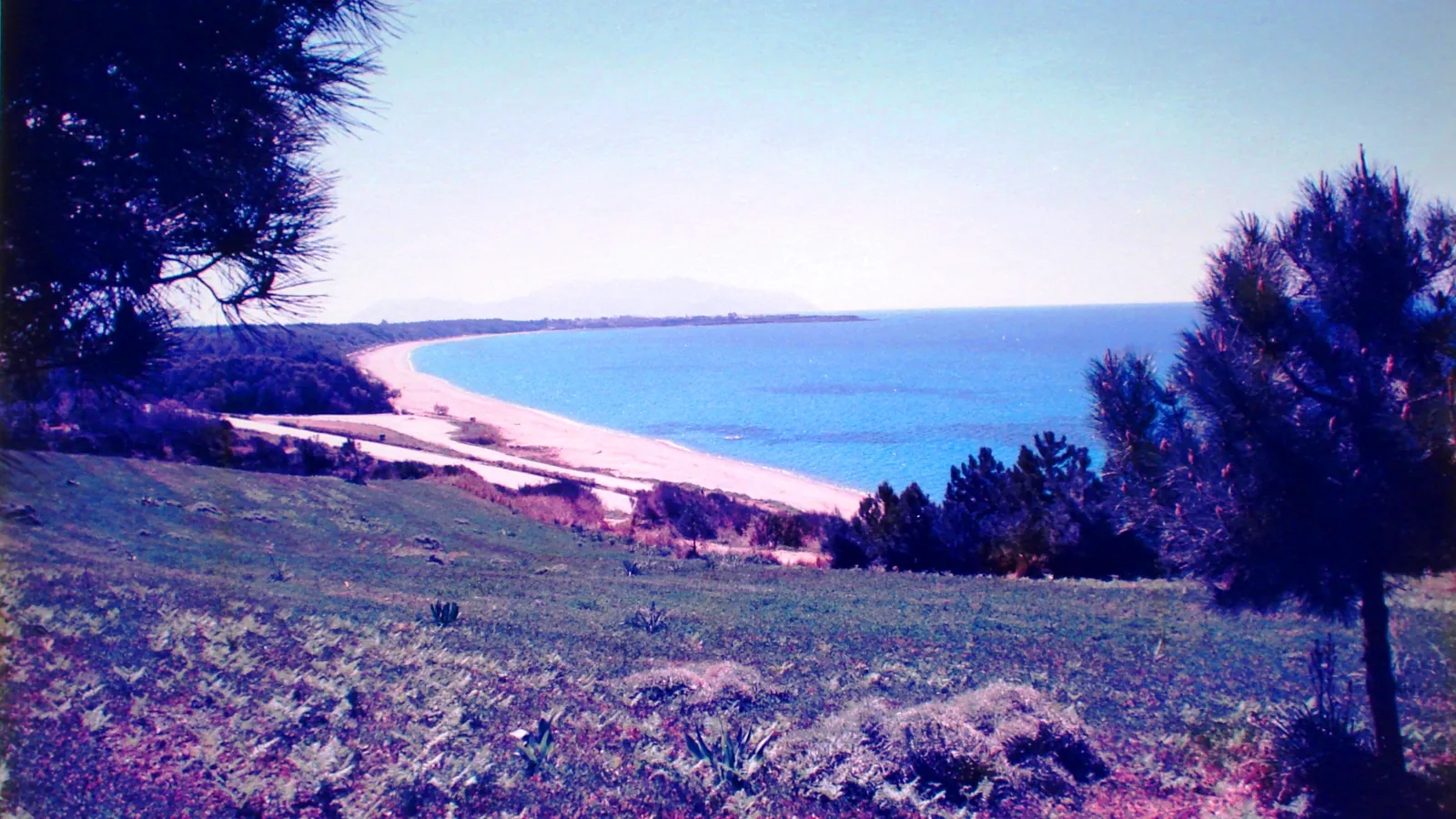
This is a 1-kilometer sandy beach in a rural area. The beach is 20.5 meters wide and lined with eucalyptus, pine, and cypress trees, with maquis vegetation and local fauna.
Quick Overview
Plan Your Visit to Monolithi
The key facts before you go
About the Beach
What is Monolithi?
Monolithi is a 1-kilometre sandy beach in Epirus, Greece, located near Preveza in the Ionian region. The beach faces east and benefits from excellent bathing water quality. Its rural character and modest size make it a quieter alternative to more developed coastal spots. The beach is backed by natural vegetation including eucalyptus, pine, and cypress trees, with maquis scrubland adding to the natural setting. Lifeguards are present during the bathing season. The beach stretches 1 km in length with an average width of 20.5 metres, offering a straightforward coastal experience without pretension.
It sits alongside certified beaches along Epirus, part of a broader network of certified beaches throughout Greece certified annually by the Foundation for Environmental Education.
Sunrise, Sunset & Beach Direction
Monolithi faces east toward Ionian Sea. The best light for photography and swimming is typically in April, May, June. Direct sun hours follow that facing.
Planning
When to Go: Month by Month
| Month | Air Temp | Water Temp | Crowds |
|---|---|---|---|
| Jan | 9°C | 6°C | Low |
| Feb | 11°C | 8°C | Low |
| Mar | 12°C | 9°C | Low |
| Apr | 15°C | 12°C | Low |
| May | 19°C | 16°C | Low |
| Jun | 24°C | 21°C | Low |
| Jul | 27°C | 24°C | Med |
| Aug | 27°C | 24°C | High |
| Sep | 23°C | 20°C | Med |
| Oct | 19°C | 16°C | Low |
| Nov | 15°C | 12°C | Low |
| Dec | 11°C | 8°C | Low |
The best time to visit Monolithi is April, May, June. Air temperatures peak around 26.6°C in summer. Peak water temperature reaches 23.6°C in July.
How crowded does Monolithi get?Monolithi experiences notably lighter visitor pressure than established beach resort areas. The beach's rural location, modest 1-kilometre length, and relatively narrow 20.5-metre width concentrate any summer visitors into a compact area. Peak attendance occurs in July and August when water temperatures reach their warmest at 23.6°C and 24.4°C respectively. Lifeguard presence during the bathing season suggests managed capacity expectations. The rural character and limited commercial facilities (absence of beach bars, restaurants, or water sports facilities mentioned) naturally restricts visitor numbers. Morning and early afternoon periods likely see lighter use than late afternoon, typical for eastern-facing Greek beaches. The presence of environmental education facilities including seminars, lectures, and clean-up programs suggests some managed visitor engagement rather than free-for-all tourism. Accessibility via secondary roads rather than major coastal highways further limits casual drop-in traffic. Expect a quieter experience than Ionian resort beaches, with fellow swimmers rather than dense crowds during high summer. September conditions remain swimmable with air temperatures at 23.2°C and water at 20.2°C, offering a transition period with potentially reduced visitor numbers.
Is Monolithi open year-round?The beach itself is accessible year-round, though staffed facilities including lifeguards typically operate only during the official season (01-07 – 30-09). The Blue Flag is displayed during the certification period only.
The Water
Swimming and Beach Life at Monolithi
Is Monolithi safe to swim?Monolithi is Blue Flag certified, which requires meeting strict bathing water standards set by the EU Bathing Water Directive. Water quality is rated Excellent. Lifeguards are on duty during the official season.
What is the water temperature at Monolithi?Peak water temperature at Monolithi reaches around 23.6°C in July, making it comfortable for swimming during the summer months. In winter (January), air temperatures average 8.5°C.
What is the beach like at Monolithi?Monolithi's sandy composition provides a practical base for swimming and beach activities. The beach runs for 1 kilometre with a consistent width of approximately 20.5 metres, meaning it remains relatively compact even during peak summer months. The eastward-facing orientation means morning light hits the shore, an advantage for early swimmers and those preferring cooler afternoon conditions. Water quality consistently rates as excellent according to bathing water assessments, which reflects the relatively protected location and lower development pressure in this rural coastal zone. The natural tree cover (eucalyptus, pine, and cypress) provides genuine shade rather than temporary parasol arrangements. This vegetation, combined with maquis flora, creates a semi-natural environment that distinguishes Monolithi from manicured beach resorts. Summer air temperatures peak around 27°C in August, with July and August offering the warmest conditions. Water temperature rises from 20.7°C in June to 24.4°C by August, making July and August the practical swimming season. The beach's rural character means limited commercial activity; expect a straightforward swimming environment rather than beach bars or water sports infrastructure. The relatively narrow beach width means crowds concentrate in a smaller area, which is worth considering during peak summer weeks. Access to the beach uses vertical roads connecting to the National Peripheral Road, indicating a less heavily trafficked approach than major coastal routes. The presence of lifeguards during the designated bathing season provides safety oversight. Overall, Monolithi functions as a practical swimming location prioritising water quality and natural surroundings over amenities.
Does Monolithi have good facilities?As a Blue Flag certified beach, Monolithi meets the Foundation for Environmental Education's standards for facilities and services. Trained lifeguards are on duty during the season. Showers are available. Parking is available nearby. The beach has disabled access facilities.
Monolithi sits on the Ionian Sea: explore all Blue Flag beaches on the Ionian.
Planning a trip to Greece? How Greece earns the most Blue Flags , our editorial guide to certified beaches across the country.
While You're Here
Beyond Monolithi
Local Attraction
Transport
Getting to Monolithi
How do I get to Monolithi by car?Monolithi is approximately 8.37 km from Preveza. Follow local road signs to the beach. Check Google Maps or a local map for the most current directions.
What is the nearest airport to Monolithi?The nearest airport is Aktion National Airport (PVK) (PVK), approximately 12.1 km away. Aktion National Airport (PVK) lies 12.1 kilometres from Monolithi, making it the most practical air gateway. Flight options from international hubs typically route through Athens or regional Greek airports with onward connections to Preveza/Aktion. Journey time from the airport to Monolithi involves a 12–15 minute drive depending on traffic and road conditions. Car rental at the airport provides independence for reaching the beach and exploring the broader Epirus coastal region. Public transport options from the airport are limited; expect buses or arranged transfers as alternatives to rental cars. The short distance from airport to beach simplifies logistics for air travellers.
Can I get to Monolithi by public transport?Bus services connect Preveza (the nearest city, location of Aktion Airport) to surrounding coastal areas including routes toward Monolithi. Specific timetables and frequency require confirmation with local transport operators or Preveza municipality. The rural coastal location means bus services likely operate on limited schedules rather than frequent loops. Allow flexibility in planning if relying on public buses.
Nearby
Near Monolithi
Mapped toilets, bus stops, cafés, parking, and shops within about 500 m of Monolithi. Distances are walking-line estimates from the beach pin.
Map loads when you ask. Tiles stay off the first paint.
Map: OpenStreetMap (ODbL)
Cafés near Monolithi
- BLUE ISLAND BEACH BAR Café 78 m
Parking near Monolithi
- Parking Parking 140 m
Source: © OpenStreetMap contributors (ODbL). Names and positions come from mapped OSM features. Confirm on site.
Practical Details
Practical Information
| At the Beach | |
| Entry | Free: no charge to access the beach |
|---|---|
| Lifeguards | ✓ On duty during official season |
| Disabled Access | ✓ Accessible site facilities and water entry |
| Showers | ✓ Available during season |
| Toilets | ✗ |
| Official Season | 01 Jul – 30 Sep |
| Beach Type | Sandy beach |
| Parking | ✓ Available nearby (surface parking) |
| Nearest supermarket | 3.1 km from the beach |
| Visiting Information | |
| GPS Coordinates | 39.0266°N, 20.7141°E |
| Water Quality | Excellent (EU Bathing Water Directive) |
| Blue Flag Operator | Foundation for Environmental Education (FEE), Greece |
Frequently Asked Questions
Monolithi FAQ
Is Monolithi worth visiting?
Monolithi suits visitors seeking a quieter swimming location with reliable water quality and natural surroundings. The beach delivers on practical basics (excellent bathing water, lifeguards, sandy beach, natural shade from trees) without commercial development. It works well for swimmers prioritising straightforward beach time over resort infrastructure. The rural character appeals to those avoiding crowded resort areas. Not worth visiting if you need beach bars, water sports, or organised entertainment. Best suited to self-contained swimmers comfortable with minimal facilities.
How do I get to Monolithi?
Fly into Aktion National Airport (PVK), 12.1 kilometres away. Car rental provides practical access, with driving time approximately 12–15 minutes to the beach. Public buses from Preveza exist but operate on limited schedules, confirm locally before depending on them. The beach accesses via vertical roads connecting to the National Peripheral Road. No train service reaches the immediate coastal area. Allow flexibility if using public transport; car rental offers the most straightforward routing.
Best time of year to visit Monolithi?
July and August offer peak swimming conditions with water temperatures at 23.6°C and 24.4°C respectively, and air temperatures around 26–27°C. These months define the designated swim season. June provides warm water (20.7°C) with slightly fewer visitors. September remains swimmable (20.2°C water, 23.2°C air) with potentially reduced crowds. May and October fall outside practical swimming windows for most visitors, with water temperatures around 16°C and 15.5°C respectively. Winter months see water temperatures drop below 10°C.
What facilities are there at Monolithi?
Monolithi provides lifeguards during the bathing season and maintains excellent water quality. The beach itself offers sand, natural shade from eucalyptus, pine, and cypress trees. Environmental education facilities include seminars, lectures, and cleanup programs. Beyond these basics, commercial facilities are absent, no beach bars, restaurants, water sports, or lounger rentals mentioned. Accommodation exists in nearby Preveza. The rural character means visitors bring or source supplies externally rather than relying on beachside infrastructure.
Is Monolithi suitable for families?
Monolithi works for families seeking calm, lifeguard-supervised swimming in water with excellent quality ratings. The sandy beach and natural tree shade provide practical comfort. The modest size and rural setting mean fewer crowds and lower-risk environments than busy resorts. Limited facilities require advance planning, bring supplies, arrange meals in Preveza. The water temperature suitable for swimming spans July–August primarily, with June and September as shoulder options. Families comfortable with self-catering and minimal amenities will find it workable; those needing comprehensive beach facilities should look elsewhere.
Are there cafés near Monolithi?
Yes. OpenStreetMap lists a café or restaurant near Monolithi, including BLUE ISLAND BEACH BAR (78 m). Hours and seasonal opening are not verified here. Check on the day. © OpenStreetMap contributors (ODbL).
Is there parking near Monolithi?
Yes. OpenStreetMap maps parking 140 m from Monolithi. Charges and time limits are not recorded here. © OpenStreetMap contributors (ODbL).
Explore More
Nearby Blue Flag Beaches
Editorial
From the Zeach Blog
Everything you need to know about what makes a beach qualify for Blue Flag status, from water quality to environmental education.
Read moreOur editorial team's pick of the standout Blue Flag beaches in Greece, rated for family friendliness, scenery, and facilities.
Explore GreeceWhat the flag actually means, how certification works, and why a Blue Flag is a genuinely reliable signal, not just a marketing tool.
Read moreSources
- Foundation for Environmental Education: Blue Flag programme
- FEE site listing for Monolithi
- Hellenic Society for the Protection of Nature (EEPF)
- European Environment Agency: bathing water quality
Last verified September 2026. National operator pages and FEE listings are the primary certification sources.