Megali Ammos
Thessaly, Greece: Excellent water quality
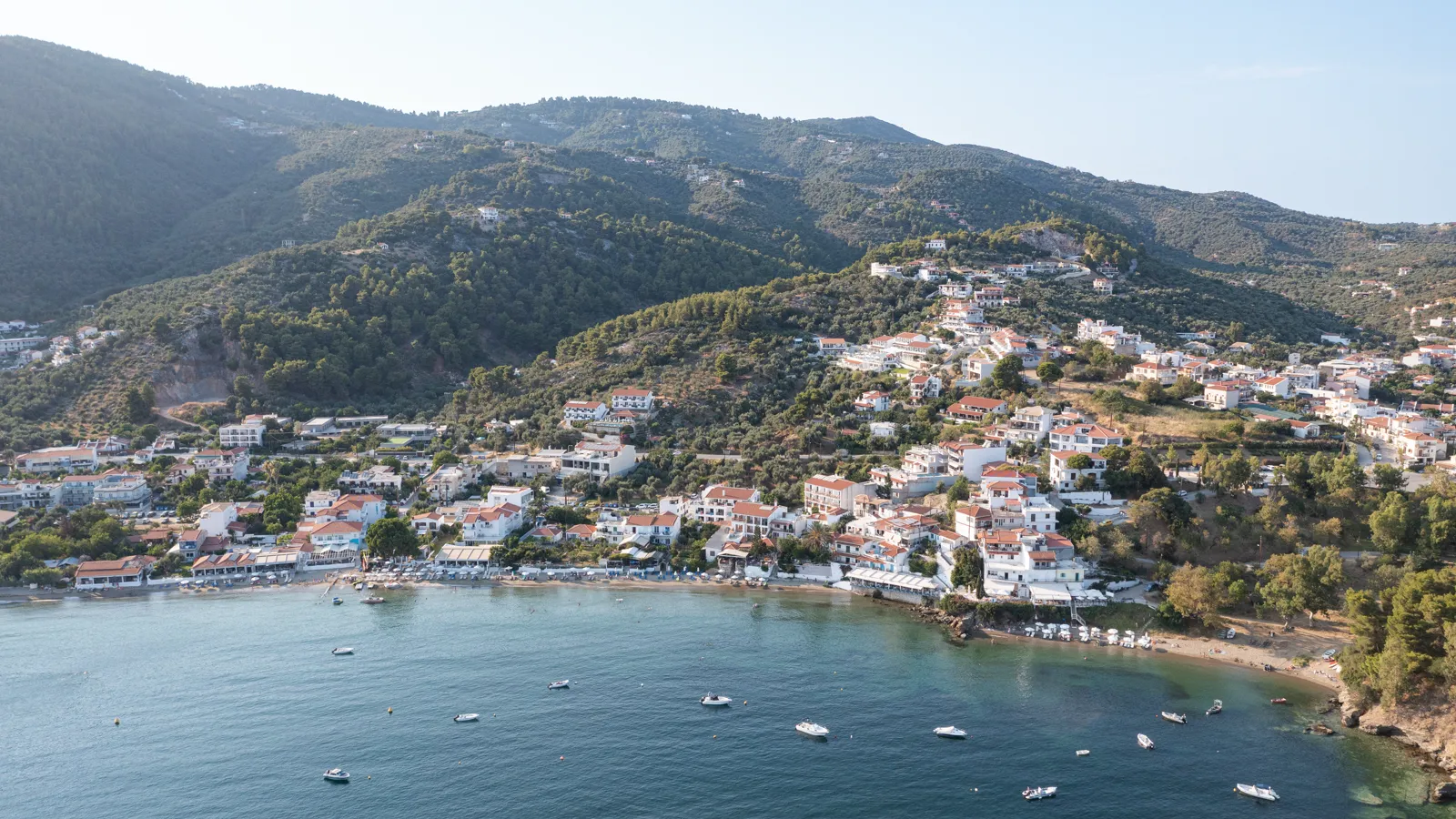
Megali Ammos sits just outside the city on the road toward Koukounaries. You can walk, drive, or take a bus to reach it. The beach stretches 500 meters with a width of 6-8 meters and is lined with trees and shrubs that provide natural shade.
Quick Overview
Plan Your Visit to Megali Ammos
The key facts before you go
About the Beach
What is Megali Ammos?
Megali Ammos is a 500-meter stretch of beach located in Skiathos Municipality, on Thessaly's coast. Reached easily on foot, by car, or bus from the main town, this east-facing beach sits along the road leading toward Koukounaries. The waters here maintain excellent bathing quality year-round. The beach measures 6–8 meters wide and is framed by trees and vegetation that provide natural shade. Multiple taverns and small ouzeri establishments line the shore, offering traditional Greek food and drinks. The combination of clear water access, dining options, and on-site accommodation makes it a practical choice for visitors seeking a low-key coastal experience without traveling far from town.
It sits alongside certified beaches along Thessaly, part of a broader network of certified beaches throughout Greece certified annually by the Foundation for Environmental Education.
Sunrise, Sunset & Beach Direction
Megali Ammos faces east toward Ionian Sea. The best light for photography and swimming is typically in April, May, June. Direct sun hours follow that facing.
Planning
When to Go: Month by Month
| Month | Air Temp | Water Temp | Crowds |
|---|---|---|---|
| Jan | 11°C | 8°C | Low |
| Feb | 12°C | 9°C | Low |
| Mar | 13°C | 10°C | Low |
| Apr | 15°C | 12°C | Low |
| May | 19°C | 16°C | Low |
| Jun | 23°C | 20°C | Low |
| Jul | 26°C | 23°C | Med |
| Aug | 26°C | 23°C | High |
| Sep | 24°C | 21°C | High |
| Oct | 20°C | 17°C | Med |
| Nov | 16°C | 13°C | Low |
| Dec | 13°C | 10°C | Low |
The best time to visit Megali Ammos is April, May, June. Air temperatures peak around 25.5°C in summer. Peak water temperature reaches 22.5°C in July.
How crowded does Megali Ammos get?Megali Ammos is a working beach for locals and casual visitors rather than a destination that draws large crowds. Its modest 500-meter length and 6–8 meter width mean that space fills up quickly during the peak summer season (July–August), when water temperatures peak at 22.5°C and 23.2°C respectively. However, even at capacity, the atmosphere remains relatively relaxed and informal. The proximity to town via road access means day-trippers can arrive easily, but the beach lacks the infrastructure and marketing that drives mass tourism to larger Skiathos beaches. Families and groups often claim sections near the taverns, where they can order food without leaving their spot. The presence of lifeguards and water sports facilities suggests a mix of swimmers and active visitors. Outside the July–August peak, the beach is noticeably quieter. Spring and early summer see fewer visitors, with water temperatures still cool (15.5°C in May). Autumn visits drop off sharply once August ends, with September water temperatures at 20.6°C. By winter, the beach becomes a local fixture, nearly empty for swimming but used by residents and hardy visitors. The educational events and cleanup competitions indicate an engaged community that uses the beach for purposes beyond recreation, suggesting you'll encounter a mix of intentional, purpose-driven visitors alongside casual swimmers.
Is Megali Ammos open year-round?The beach itself is accessible year-round, though staffed facilities including lifeguards typically operate only during the official season (01-07 – 31-10). The Blue Flag is displayed during the certification period only.
The Water
Swimming and Beach Life at Megali Ammos
Is Megali Ammos safe to swim?Megali Ammos is Blue Flag certified, which requires meeting strict bathing water standards set by the EU Bathing Water Directive. Water quality is rated Excellent. Lifeguards are on duty during the official season.
What is the water temperature at Megali Ammos?Peak water temperature at Megali Ammos reaches around 22.5°C in July, making it comfortable for swimming during the summer months. In winter (January), air temperatures average 10.7°C.
What is the beach like at Megali Ammos?Megali Ammos occupies a straightforward position on Skiathos's eastern coastline, running roughly 500 meters along the waterline. What defines this beach is its consistent, manageable setup rather than dramatic scenery. The water quality here is listed as excellent, meaning swimmers can count on safe, clean conditions. The beach width of 6–8 meters is modest, which can mean limited space during peak hours but also contributes to its intimate atmosphere. Dense trees and bushes border the sand, creating pockets of shade, a practical advantage during the hottest months. Lifeguards are on duty, providing safety oversight for swimmers. The water temperature ranges significantly across the year: winter months (January through March) stay between 7.7°C and 9.5°C, making serious swimming impossible for most people. Spring warms gradually, reaching 15.5°C by May. Summer months are the active season. June averages 20°C, July peaks at 22.5°C, and August holds at 23.2°C. By autumn, temperatures decline steadily, dropping to 13.4°C in November. Water sports facilities are available on-site, catering to those interested in active recreation. The beach's eastern exposure means morning sun and afternoon shade, a natural rhythm that influences comfort throughout the day. Multiple taverns operate directly on the beach, serving food and drinks without requiring visitors to leave the sand. Several small ouzeri establishments operate nearby, maintaining the informal, local character of the place. Accommodation options include hotels and hostels within walking distance, making overnight stays straightforward. The beach operates informally as an educational venue, hosting conferences, seminars, and environmental activities including cleanup efforts and competitions.
Does Megali Ammos have good facilities?As a Blue Flag certified beach, Megali Ammos meets the Foundation for Environmental Education's standards for facilities and services. Trained lifeguards are on duty during the season. The beach has disabled access facilities.
Megali Ammos sits on the Ionian Sea: explore all Blue Flag beaches on the Ionian.
Planning a trip to Greece? How Greece earns the most Blue Flags , our editorial guide to certified beaches across the country.
While You're Here
Beyond Megali Ammos
Megali Ammos functions as a base point rather than an isolated destination. Skiathos town lies nearby, offering shops, restaurants, ferries, and services. The road leading toward Koukounaries beach (roughly 12 kilometers further) passes through pine forests and smaller coastal settlements, making day trips straightforward by car or bus. Koukounaries itself is Skiathos's largest and most developed beach. The island's interior features hiking paths through Mediterranean vegetation. Several smaller beaches dot the eastern coast between town and Megali Ammos, accessible by foot or short bus rides. Archaeological sites from various periods exist on the island, though none immediately adjacent to this beach. Tavern culture is strong throughout Skiathos, beyond the ouzeri and restaurants at Megali Ammos itself, the broader area offers traditional Greek dining. The combination of beach proximity and easy access to town services means you're not isolated if you want land-based activities or amenities beyond swimming and eating seaside.
Transport
Getting to Megali Ammos
How do I get to Megali Ammos by car?Megali Ammos is approximately 1.96 km from Skiathos Municipality. Follow local road signs to the beach. Check Google Maps or a local map for the most current directions.
What is the nearest airport to Megali Ammos?The nearest airport is Athens International Airport "El. Venizelos" (ATH), approximately 146.4 km away. Athens International Airport 'El. Venizelos' lies 146.4 kilometers south of Megali Ammos. From the airport, travelers have two main routes: direct bus services to Skiathos (with onward local transport), or rental car to drive north. The journey takes approximately 2.5–3 hours depending on traffic and connection timing. Ferry access from Athens is also possible but requires travel to a coastal port first. Once in Skiathos Municipality, Megali Ammos is accessible by local bus, car, or on foot from the main town. Most visitors rent cars for flexibility, though public buses provide budget options if you're comfortable with schedules.
Can I get to Megali Ammos by public transport?Local bus service reaches Megali Ammos directly from Skiathos town. The beach sits along the main road leading toward Koukounaries, making it a straightforward stop on standard municipal routes. Journey time from town center is short, typically under 10 minutes. Buses run seasonally with higher frequency during summer months (July–August). Winter schedules are reduced. Exact timetables vary, so check with the local transport authority or your accommodation upon arrival. The nearest recorded bus stop is 211 m from the beach.
Map
Find Megali Ammos
Open the map or get directions to the Megali Ammos pin. Amenity names are listed here only when OpenStreetMap has a mapped feature nearby.
Map loads when you ask. Tiles stay off the first paint.
Map: OpenStreetMap (ODbL)
Practical Details
Practical Information
| At the Beach | |
| Entry | Free: no charge to access the beach |
|---|---|
| Lifeguards | ✓ On duty during official season |
| Disabled Access | ✓ Accessible water entry |
| Showers | ✗ |
| Toilets | ✗ |
| Official Season | 01 Jul – 31 Oct |
| Beach Type | Coastal beach |
| Parking | ✗ No parking listed nearby |
| Nearest supermarket | 960 m from the beach |
| Nearest bus stop | 211 m from the beach |
| Visiting Information | |
| GPS Coordinates | 39.1591°N, 23.4738°E |
| Water Quality | Excellent (EU Bathing Water Directive) |
| Blue Flag Operator | Foundation for Environmental Education (FEE), Greece |
Frequently Asked Questions
Megali Ammos FAQ
Is Megali Ammos worth visiting?
Megali Ammos suits visitors seeking a low-pressure beach experience with manageable crowds, reliable water quality, and convenient access to town. The excellent bathing water quality and on-site lifeguards make it safe. If you want dramatic scenery or a famous beach atmosphere, this is not it. If you prefer a straightforward place to swim, eat at a tavern, and relax without traveling far, it delivers. The modest size and local character mean it works better as part of a broader Skiathos visit than as a standalone destination.
How do I get to Megali Ammos?
From Skiathos town, reach Megali Ammos by local bus (short ride), rental car, or on foot if nearby. The beach sits along the road to Koukounaries, making it well-signposted. From Athens International Airport (146.4 km away), fly or take a bus to Skiathos, then use local transport. Ferry services operate from mainland ports to Skiathos. Once on the island, municipal buses serve Megali Ammos regularly during summer; schedules reduce in winter. Driving gives maximum flexibility if you plan multiple beach visits.
What is the best time of year to visit?
July and August are the official swim season, with water temperatures peaking at 22.5°C and 23.2°C respectively. Air temperatures reach 25.5°C–26.2°C, ensuring comfortable weather. June offers warmer water (20°C) with slightly fewer crowds. September is still swimmable at 20.6°C but transitions toward cooler conditions. May water reaches 15.5°C, marginal for most swimmers but acceptable for brave visitors. October onwards, water drops below 16.6°C, limiting casual swimming. Winter months (January–March) are cold (7.7°C–9.5°C). Plan for July–August if you want reliable swimming conditions.
What facilities are there at Megali Ammos?
Lifeguards are on duty. Water sports facilities operate on-site. Multiple taverns serve food and drinks directly on the beach. Small ouzeri establishments nearby offer traditional Greek snacks and ouzo. Hotels and hostels provide accommodation within walking distance. Natural shade comes from trees and bushes bordering the sand. No detailed information on toilets, showers, or changing facilities is available, check locally. The beach hosts educational conferences, seminars, and environmental events seasonally.
Is Megali Ammos suitable for families?
Yes, with conditions. Lifeguards provide safety oversight for children. Water quality is excellent and the modest beach size means parents can keep sight of kids easily. The calm, local atmosphere is less chaotic than larger tourist beaches. Taverns on-site make feeding families straightforward without leaving the beach. Summer water temperatures (22.5°C–23.2°C) are comfortable for children. Accommodation is accessible. However, the small beach width (6–8 meters) means less space during busy times, and winter months are too cold. Plan visits for July–August for optimal family conditions.
Explore More
Nearby Blue Flag Beaches
Editorial
From the Zeach Blog
Everything you need to know about what makes a beach qualify for Blue Flag status, from water quality to environmental education.
Read moreOur editorial team's pick of the standout Blue Flag beaches in Greece, rated for family friendliness, scenery, and facilities.
Explore GreeceWhat the flag actually means, how certification works, and why a Blue Flag is a genuinely reliable signal, not just a marketing tool.
Read moreSources
- Foundation for Environmental Education: Blue Flag programme
- FEE site listing for Megali Ammos
- Hellenic Society for the Protection of Nature (EEPF)
- European Environment Agency: bathing water quality
Last verified September 2026. National operator pages and FEE listings are the primary certification sources.