Marenyet L Illa
Valencian Community, Spain: Excellent water quality
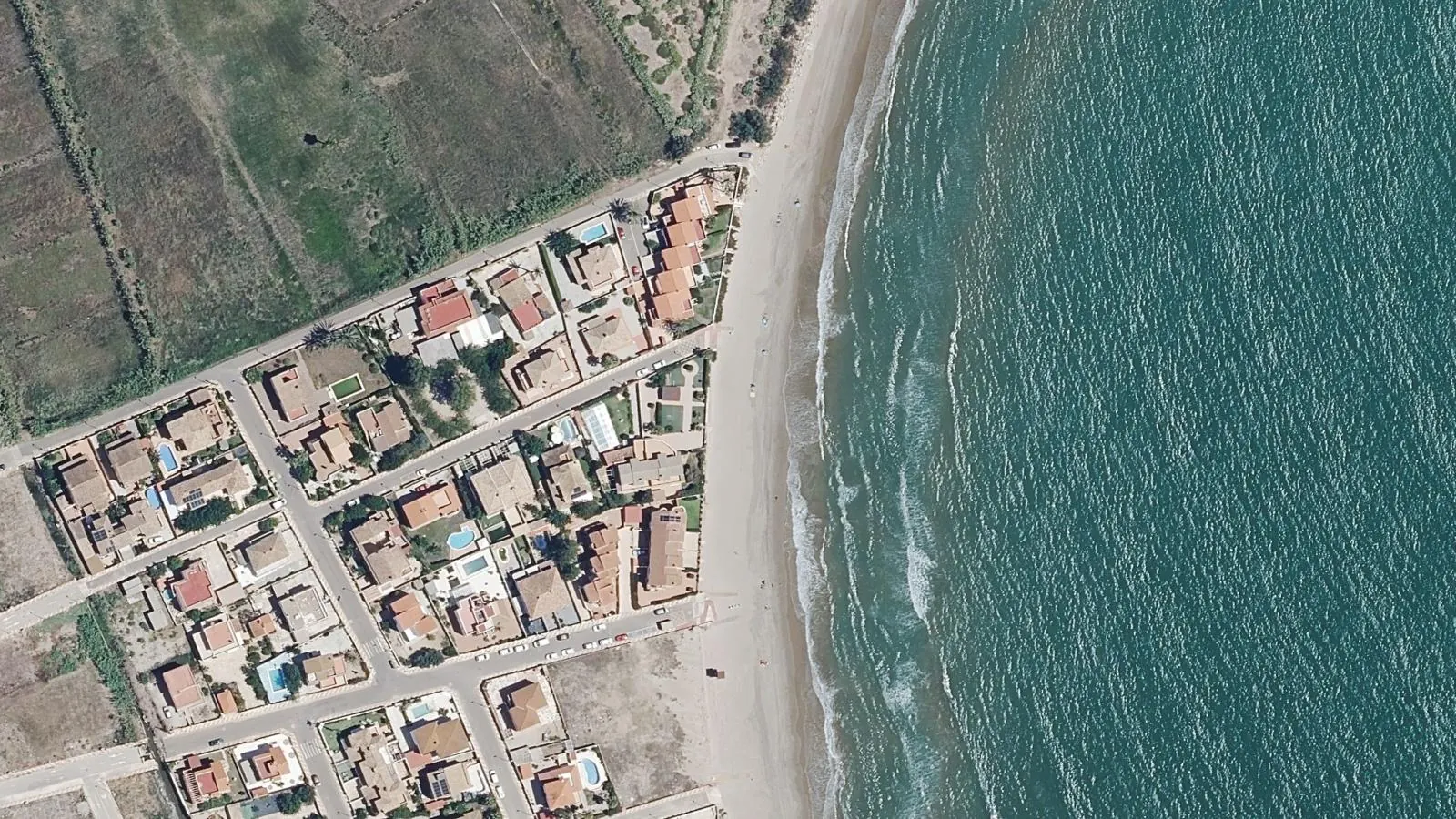
Marenyet L Illa is a beach along the Valencian coast in Spain. It holds the Blue Flag award, which means the water quality, environmental standards, and visitor safety meet strict criteria set by the Foundation for Environmental Education.
Quick Overview
Plan Your Visit to Marenyet L Illa
The key facts before you go
About the Beach
What is Marenyet L Illa?
Marenyet L Illa is a Blue Flag beach in Cullera, on the Valencian coast south of Valencia city. The beach runs along a sheltered cove with calm, shallow water and soft sand, conditions that make it popular with families and swimmers looking for safe bathing. The Blue Flag status reflects consistent water quality standards and environmental management. The beach operates seasonally from mid-June through mid-September, with lifeguards on duty throughout the opening period. Access is free, and basic facilities including a kiosk and shop are available on-site. The west-facing orientation and protected bay position create the gentle conditions that define this stretch of coastline.
It sits alongside certified beaches along Valencian Community, part of a broader network of certified beaches throughout Spain certified annually by the Foundation for Environmental Education.
Visitor Feedback
What Visitors Say About Marenyet L Illa
What visitors appreciate
- ideal for children|no waves|shallow water|beach for kids|calm water|transparent water|jetty|soft sand|small fish|cove
- Well-staffed with lifeguards during season
- Excellent EU-rated bathing water quality
Points to consider
- Can be busy during July and August peak season
- Limited parking near the beach
- Facilities may be reduced outside peak months
Based on aggregated public visitor feedback. Themes are synthesised from multiple sources, not individual quotes. Zeach does not reproduce individual reviews.
Sunrise, Sunset & Beach Direction
Marenyet L Illa faces west toward Mediterranean Sea. The best light for photography and swimming is typically in June. Direct sun hours follow that facing.
Planning
When to Go: Month by Month
| Month | Air Temp | Water Temp | Crowds |
|---|---|---|---|
| Jan | 11°C | 8°C | Low |
| Feb | 12°C | 9°C | Low |
| Mar | 13°C | 10°C | Low |
| Apr | 15°C | 12°C | Low |
| May | 19°C | 16°C | Low |
| Jun | 23°C | 20°C | Med |
| Jul | 26°C | 23°C | High |
| Aug | 26°C | 23°C | High |
| Sep | 23°C | 20°C | Med |
| Oct | 19°C | 16°C | Low |
| Nov | 15°C | 12°C | Low |
| Dec | 13°C | 10°C | Low |
The best time to visit Marenyet L Illa is June. Air temperatures peak around 26°C in summer. Peak water temperature reaches 23°C in July.
How crowded does Marenyet L Illa get?Marenyet L Illa experiences a pronounced seasonal pattern. The beach operates only from mid-June to mid-September, compressing visitor activity into a 12-week window. June sees moderate crowds and is flagged as the optimal visiting month, water temperatures are warming (average 20.2°C), air temperatures are pleasant (data for June not provided but transitional from May's typical conditions), and the peak holiday season hasn't begun. July and August bring the heaviest crowds, coinciding with Spanish school holidays and European summer vacation patterns. Both months see average water temperatures around 23°C and air temperatures around 26°C, making them attractive but busy. September remains open until mid-month, offering quieter conditions as the summer season closes, though water temperature begins dropping (average 20.3°C). The cove's limited physical size means crowding can be noticeable during peak weeks in July and August. Lifeguard presence throughout the season supports safe bathing at busy times. The free access and family-friendly reputation ensure consistent visitor numbers during operating months.
Is Marenyet L Illa open year-round?The beach itself is accessible year-round, though staffed facilities including lifeguards typically operate only during the official season (15-06 – 15-09). The Blue Flag is displayed during the certification period only.
The Water
Swimming and Beach Life at Marenyet L Illa
Is Marenyet L Illa safe to swim?Marenyet L Illa is Blue Flag certified, which requires meeting strict bathing water standards set by the EU Bathing Water Directive. Water quality is rated Excellent. Lifeguards are on duty during the official season.
What is the water temperature at Marenyet L Illa?Peak water temperature at Marenyet L Illa reaches around 23°C in July, making it comfortable for swimming during the summer months. In winter (January), air temperatures average 11°C.
What is the beach like at Marenyet L Illa?Marenyet L Illa's defining feature is its calm, shallow water, a direct result of the cove's natural protection. The seabed shelves gradually, making it one of the more approachable stretches of coast for those building confidence in the water. The sand is soft underfoot, and reviews consistently mention transparent water and the presence of small fish in the shallows, suggesting healthy marine conditions. A jetty structure marks part of the beach boundary, creating visual definition and offering an alternative point of interest. The beach's westerly aspect means afternoon light is good, though afternoon sea breezes can develop. Water temperatures range from 8°C in January to 23.2°C in August, meaning summer months (July and August) are the only realistic swimming window for most visitors. June sees average water temperatures around 20°C, which is manageable but still cool for extended swimming without a wetsuit. Air temperatures in July and August average 26°C, with September slightly cooler at 23.3°C. The Blue Flag award is renewed annually, indicating the beach management takes environmental standards seriously. The combination of shallow water, clear conditions, and soft sand explains why the beach attracts families and children. The absence of wave activity, noted in visitor feedback, reflects the protected nature of the cove, useful for young swimmers and non-swimmers, but meaning this isn't a destination for surfing despite the tag.
Does Marenyet L Illa have good facilities?As a Blue Flag certified beach, Marenyet L Illa meets the Foundation for Environmental Education's standards for facilities and services. Trained lifeguards are on duty during the season. The beach has disabled access facilities.
Marenyet L Illa sits on the Mediterranean Sea: explore all Blue Flag beaches on the Mediterranean.
Planning a trip to Spain? Blue Flag Beaches Spain 2026 , our editorial guide to certified beaches across the country.
While You're Here
Beyond Marenyet L Illa
Cullera is a established coastal town offering restaurants, bars, and shops within walking distance or a short journey from the beach. The town has a longer history as a fishing and farming settlement, with architectural evidence of its past visible in the older quarters. Inland from Cullera, the landscape transitions to agricultural areas typical of the Valencian interior. The nearby city of Valencia, about 40 km north, is accessible by car or train and offers museums, architecture, and dining beyond beach-focused activities. The Turia Gardens in Valencia provide a major public space. Smaller nearby beaches and coves offer alternatives if you want to explore beyond Marenyet L Illa. The region's Mediterranean climate supports olive groves, citrus farming, and rice paddies in lower-lying areas, landscape features visible during drives through the hinterland.
Transport
Getting to Marenyet L Illa
How do I get to Marenyet L Illa by car?Marenyet L Illa is approximately 2.21 km from Cullera. Follow local road signs to the beach. Check Google Maps or a local map for the most current directions.
What is the nearest airport to Marenyet L Illa?The nearest airport is Alicante-Elche Airport (ALC), approximately 100.0 km away. Alicante-Elche Airport (ALC) is the nearest major airport, approximately 100 km south of Marenyet L Illa. Flight times from major European cities typically range from 2 to 4 hours. From the airport, the coastal drive northward toward Cullera takes roughly 90 minutes by car, depending on traffic and route. Car rental is widely available at Alicante airport. Alternatively, bus services operate from the airport toward the Valencia region, though journey times are longer than driving. The drive passes through or near other coastal towns, offering flexibility in routing.
Can I get to Marenyet L Illa by public transport?Bus networks operate along the Spanish east coast, with services linking Alicante, Valencia, and smaller towns including Cullera. Journey times are longer than driving or train travel. Local bus services within Cullera connect the town center to the beach area. Schedules are seasonal and may be less frequent outside the June-September beach season. The nearest recorded bus stop is 1.7 km from the beach.
Is there a train to Marenyet L Illa?Train services connect Alicante and the wider Valencian Community. Direct or connecting rail routes serve Cullera and nearby stations. Journey time from Alicante depends on the specific service and number of stops, typically ranging from 1.5 to 2.5 hours. From Cullera town, local transport or a short taxi ride reaches the beach itself. Train travel avoids driving fatigue but requires coordination with local transport at the destination end.
Map
Find Marenyet L Illa
Open the map or get directions to the Marenyet L Illa pin. Amenity names are listed here only when OpenStreetMap has a mapped feature nearby.
Map loads when you ask. Tiles stay off the first paint.
Map: OpenStreetMap (ODbL)
Practical Details
Practical Information
| At the Beach | |
| Entry | Free: no charge to access the beach |
|---|---|
| Lifeguards | ✓ On duty during official season |
| Disabled Access | ✓ Accessible site facilities |
| Showers | ✗ |
| Toilets | ✗ |
| Official Season | 15 Jun – 15 Sep |
| Beach Type | Sandy beach |
| Parking | ✗ No parking listed nearby |
| Nearest supermarket | 1.6 km from the beach |
| Nearest bus stop | 1.7 km from the beach |
| Visiting Information | |
| GPS Coordinates | 39.1484°N, 0.2397°W |
| Water Quality | Excellent (EU Bathing Water Directive) |
| Blue Flag Operator | Foundation for Environmental Education (FEE), Spain |
Frequently Asked Questions
Marenyet L Illa FAQ
Is Marenyet L Illa worth visiting?
For families and swimmers seeking calm, safe bathing conditions, yes. The Blue Flag status, lifeguard presence, shallow protected water, and soft sand make it a reliable choice. The trade-off is a seasonal 12-week operating window (mid-June to mid-September) and crowding in July and August. If you prioritize wave activity or year-round access, this beach isn't suitable. If you want straightforward family swimming in clear water, it delivers.
How do I get to Marenyet L Illa?
The nearest airport is Alicante-Elche (ALC), roughly 100 km south. By car, allow 90 minutes from the airport. Train services connect Alicante and Cullera (1.5–2.5 hours), with local transport to the beach from town. Bus options exist but involve longer travel times. The beach is in Cullera, on the Valencian coast between Alicante and Valencia city.
What is the best time of year to visit Marenyet L Illa?
June is recommended as the optimal visiting month, water warms (20.2°C average) without peak summer crowds. July and August offer warmest conditions (23°C water, 26°C air) but are busiest. September remains open until mid-month with quieter conditions, though water begins cooling. The beach doesn't operate outside June–September, making these the only options.
What facilities are there at Marenyet L Illa?
On-site amenities include a kiosk and shop. Lifeguards patrol during operating hours. Disabled access provisions are in place. The beach is free to enter. Services are seasonal, operating only mid-June to mid-September. No data on changing facilities, showers, or parking is available, contact local authorities or the town of Cullera for details on supporting infrastructure.
Is Marenyet L Illa suitable for families?
Yes, strongly so. Shallow, calm, clear water with soft sand and a gradual seabed are ideal for children and weak swimmers. Google reviews repeatedly mention it as suitable for kids. The Blue Flag designation and lifeguard presence add safety confidence. The protected cove and absence of waves further support family use. Peak summer crowds (July–August) can be a drawback for those seeking a quieter experience.
Explore More
Nearby Blue Flag Beaches
Editorial
From the Zeach Blog
Everything you need to know about what makes a beach qualify for Blue Flag status, from water quality to environmental education.
Read moreOur editorial team's pick of the standout Blue Flag beaches in Spain, rated for family friendliness, scenery, and facilities.
Explore SpainWhat the flag actually means, how certification works, and why a Blue Flag is a genuinely reliable signal, not just a marketing tool.
Read moreSources
- Foundation for Environmental Education: Blue Flag programme
- FEE site listing for Marenyet L Illa
- ADEAC (Asociación de Educación Ambiental y del Consumidor)
- European Environment Agency: bathing water quality
Last verified September 2026. National operator pages and FEE listings are the primary certification sources.