Vale de Lobo
Faro, Portugal: Excellent water quality
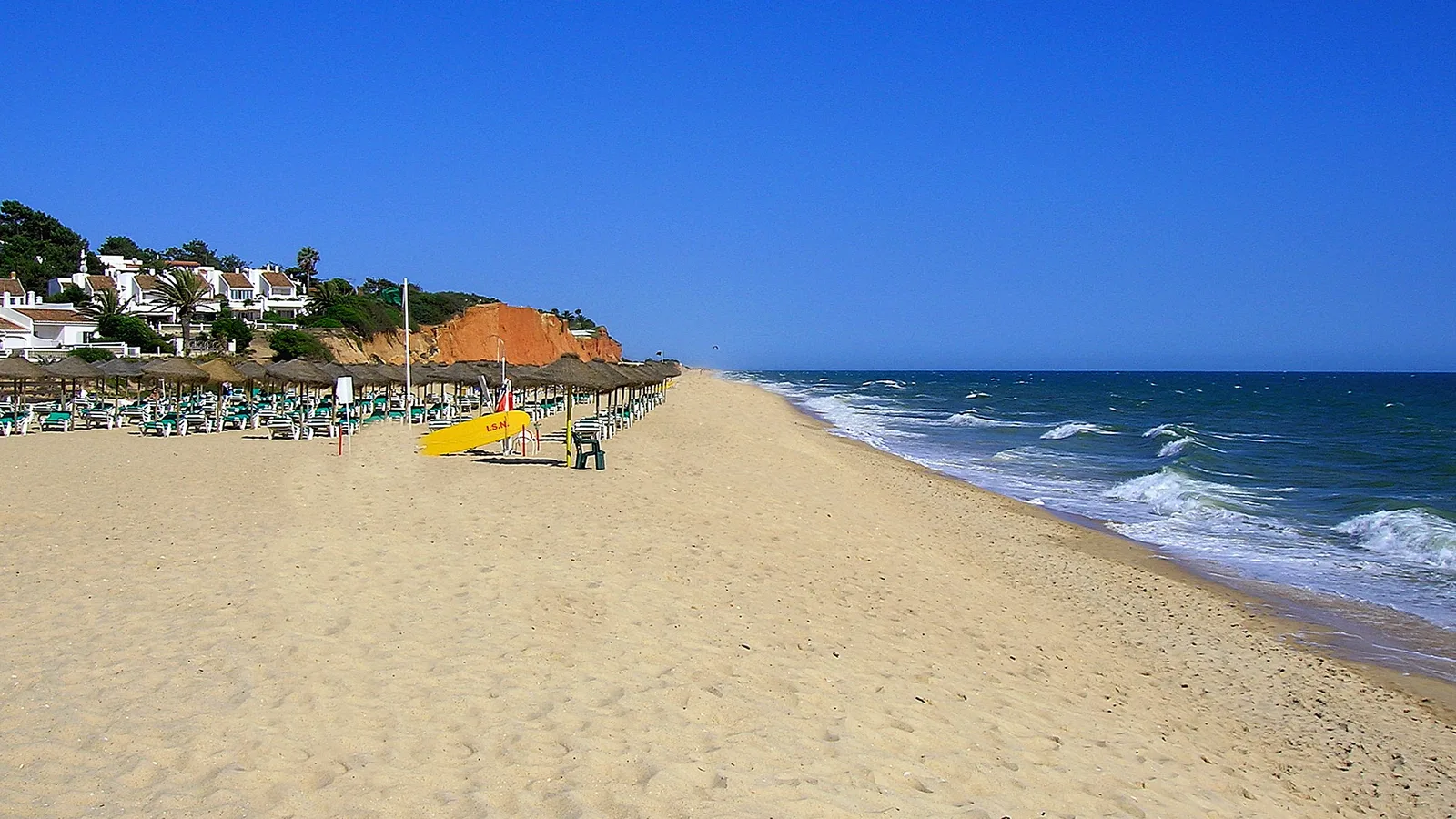
Vale do Lobo beach is defined by its ochre and red cliffs, which rise dramatically above the sand. The cliffs are soft and erode easily, so stay clear of their base and summit for safety reasons.
Quick Overview
Plan Your Visit to Vale de Lobo
The key facts before you go
About the Beach
What is Vale de Lobo?
Vale do Lobo is a well-established beach on the Algarve coast near Almancil, distinguished by its ochre and red cliffs that frame the shoreline. Located 9.6 km from Faro Airport, it serves as a focal point for the surrounding high-end tourist complex. The beach stretches along a west-facing coastline with soft golden sand and benefits from lifeguard coverage during peak season. Water quality is excellent, and the beach offers organised services including parking, restaurants, and bars. The distinctive cliff formations are the beach's defining feature, though visitors should maintain safe distances from both the base and top of these fragile formations. Vale do Lobo attracts a mix of holidaymakers seeking both relaxation and activities, with golf and tennis facilities prominent in the nearby resort area.
It sits alongside certified beaches along Faro, part of a broader network of certified beaches throughout Portugal certified annually by the Foundation for Environmental Education.
Visitor Feedback
What Visitors Say About Vale de Lobo
What visitors appreciate
- bars|golf courses|sun umbrellas|cliffs|seaweed|fine sand beach|sunbeds|breathtaking view|boardwalks|golden sand
- Well-staffed with lifeguards during season
- Excellent EU-rated bathing water quality
Points to consider
- Can be busy during July and August peak season
- Limited parking near the beach
- Facilities may be reduced outside peak months
Based on aggregated public visitor feedback. Themes are synthesised from multiple sources, not individual quotes. Zeach does not reproduce individual reviews.
Sunrise, Sunset & Beach Direction
Vale de Lobo faces west toward Atlantic Ocean. The best light for photography and swimming is typically in September. Direct sun hours follow that facing.
Planning
When to Go: Month by Month
| Month | Air Temp | Water Temp | Crowds |
|---|---|---|---|
| Jan | 12°C | 9°C | Low |
| Feb | 13°C | 10°C | Low |
| Mar | 14°C | 11°C | Low |
| Apr | 16°C | 13°C | Low |
| May | 19°C | 16°C | Low |
| Jun | 22°C | 19°C | Low |
| Jul | 25°C | 22°C | Med |
| Aug | 25°C | 22°C | High |
| Sep | 23°C | 20°C | Med |
| Oct | 20°C | 17°C | Low |
| Nov | 16°C | 13°C | Low |
| Dec | 14°C | 11°C | Low |
The best time to visit Vale de Lobo is September. Air temperatures peak around 24.6°C in summer. Peak water temperature reaches 21.6°C in July.
How crowded does Vale de Lobo get?Vale do Lobo attracts a distinct demographic shaped by its high-end resort setting and premium facilities. The beach draws affluent holidaymakers, golf enthusiasts, and families with resources to access the surrounding complex's services. During July and August, the beach experiences predictable summer crowding typical of established Algarve resorts, though the extensive parking and organised concession system means congestion is managed better than at unregulated beaches. The lifeguard presence and formalised infrastructure create a structured beach environment rather than a wild or undiscovered setting. This appeals to visitors prioritising safety and comfort over seclusion. The prevalence of sunbeds and umbrellas (all available through paid concessions) means occupied zones are clearly defined, leaving other areas more open for those who prefer unstructured space. Crowd levels fluctuate seasonally. Peak occupancy occurs in July and August when water temperatures are warmest. Shoulder seasons (May-June and September) see moderate crowds and warmer water than winter months. Outside June-September, the beach remains relatively quiet, though water temperatures of 9-12°C discourage most swimmers. The art and music events periodically draw larger temporary crowds, creating event-focused visiting patterns distinct from typical beach leisure.
Is Vale de Lobo open year-round?The beach itself is accessible year-round, though staffed facilities including lifeguards typically operate only during the official season (01-07 – 30-09). The Blue Flag is displayed during the certification period only.
The Water
Swimming and Beach Life at Vale de Lobo
Is Vale de Lobo safe to swim?Vale de Lobo is Blue Flag certified, which requires meeting strict bathing water standards set by the EU Bathing Water Directive. Water quality is rated Excellent. Lifeguards are on duty during the official season.
What is the water temperature at Vale de Lobo?Peak water temperature at Vale de Lobo reaches around 21.6°C in July, making it comfortable for swimming during the summer months. In winter (January), air temperatures average 12.1°C.
What is the beach like at Vale de Lobo?Vale do Lobo's most striking characteristic is its ochre and red cliff backdrop, which rises dramatically behind the beach and creates a distinctive coastal landscape. These cliffs are visually compelling but require careful respect, they are soft and vulnerable to water contact, making it essential to observe minimum safe distances both at their base and summit. The sand itself is fine and golden, typical of the central Algarve, and the beach maintains excellent bathing water quality year-round. The beach is fully integrated into a high-quality tourist complex that shapes its character entirely. This means facilities are comprehensive: multiple bars and restaurants line the beachfront, esplanades provide seating with sea views, sanitary installations cater to all users including those with mobility needs, and organised parking surrounds the periphery. Sun umbrellas and sunbeds are available through concessions, reducing the cluttered appearance common at busier Portuguese beaches. For those seeking activity, motorised water sports concessions operate from the beach, and the surrounding resort offers tennis and golf facilities. The pine-tree landscaping throughout the complex provides natural shade and opportunity for walks between the beach and inland areas. The beach faces west, offering good afternoon and evening light. The bathing season runs effectively from July through August, when water temperatures peak at 21.6°C in July and 22.0°C in August. Even during these warmer months, the water remains relatively cool by Mediterranean standards. Outside this window, water temperatures drop significantly. January sees 9.1°C, making winter swimming uncomfortable for most visitors. The beach hosts frequent art and music events, particularly during summer months, adding a cultural dimension beyond the typical beach experience.
Does Vale de Lobo have good facilities?As a Blue Flag certified beach, Vale de Lobo meets the Foundation for Environmental Education's standards for facilities and services. Trained lifeguards are on duty during the season. The beach has disabled access facilities.
Vale de Lobo sits on the Atlantic Ocean: explore all Blue Flag beaches on the Atlantic.
Planning a trip to Portugal? Blue Flag Beaches Portugal , our editorial guide to certified beaches across the country.
While You're Here
Beyond Vale de Lobo
Almancil, the nearest town to Vale do Lobo, sits just inland and offers shops, restaurants, and local services distinct from the beach resort environment. The surrounding Algarve region is golf-focused; multiple championship courses operate within short driving distance, making this area a primary destination for golf tourism. Tennis facilities are embedded within the Vale do Lobo complex itself. The wider Faro district provides cultural and historical attractions. The old town of Faro, approximately 15 km away, contains the medieval cathedral and city walls overlooking the harbour, a significant contrast to beach leisure. The Ria Formosa National Park lies nearby, offering lagoon and wetland environments favoured by birdwatchers and nature photographers. Walking trails through the pine forests of the Vale do Lobo complex provide relaxation without leaving the immediate area. The Algarve's distinctive limestone geology means coastal caves and rock formations are accessible at other nearby beaches, offering variety if you explore beyond Vale do Lobo itself. Local art and music events run regularly throughout the summer, advertising cultural engagement alongside beach activities.
Transport
Getting to Vale de Lobo
How do I get to Vale de Lobo by car?Vale de Lobo is approximately 5.37 km from Almancil. Follow local road signs to the beach. Check Google Maps or a local map for the most current directions.
What is the nearest airport to Vale de Lobo?The nearest airport is Faro Airport (FAO), approximately 9.6 km away. Faro Airport (FAO) is 9.6 km from Vale do Lobo, making it the most practical arrival point for international visitors. The drive takes approximately 15-20 minutes depending on traffic conditions and time of day. Car rental is the standard option from the airport, offering direct access to the beach and surrounding resort area. Taxi and ride-sharing services operate from the airport terminal and provide an alternative if you prefer not to drive. The airport handles year-round flights from across Europe, with increased frequency during summer months. Once at Vale do Lobo, organised parking is available around the beach periphery, removing typical parking stress associated with busy coastal destinations.
Can I get to Vale de Lobo by public transport?Public transport options vary by season. Check local transport authority websites for current bus and train schedules connecting to Almancil.
Map
Find Vale de Lobo
Open the map or get directions to the Vale de Lobo pin. Amenity names are listed here only when OpenStreetMap has a mapped feature nearby.
Map loads when you ask. Tiles stay off the first paint.
Map: OpenStreetMap (ODbL)
Practical Details
Practical Information
| At the Beach | |
| Entry | Free: no charge to access the beach |
|---|---|
| Lifeguards | ✓ On duty during official season |
| Disabled Access | ✓ Accessible site facilities and water entry |
| Showers | ✗ |
| Toilets | ✗ |
| Official Season | 01 Jul – 30 Sep |
| Beach Type | Sandy beach |
| Sand | Golden / yellow sand |
| Visiting Information | |
| GPS Coordinates | 37.0515°N, 8.0709°W |
| Water Quality | Excellent (EU Bathing Water Directive) |
| Blue Flag Operator | Foundation for Environmental Education (FEE), Portugal |
Frequently Asked Questions
Vale de Lobo FAQ
Is Vale do Lobo worth visiting?
Vale do Lobo suits visitors seeking an organised, well-serviced beach with distinctive visual character from its ochre cliffs. The high-quality resort infrastructure, excellent water quality, and lifeguard coverage appeal to those prioritising comfort and safety. However, if you prefer quieter, less developed coastlines, the formalised commercial environment may feel overly structured. It's worth visiting specifically to see the cliff formations and experience the Algarve's established resort beach culture, but not if you're seeking an undiscovered or remote experience.
How do I get to Vale do Lobo?
Faro Airport (FAO) is 9.6 km away, the primary arrival point. Car rental from the airport provides direct access within 15-20 minutes. Taxi and ride-sharing services operate from the terminal. Once there, organised parking surrounds the beach periphery. If you're based elsewhere on the Algarve, Vale do Lobo is accessible by car; journey times depend on your starting point but typically range from 30 minutes to an hour from Lisbon direction or eastern Algarve towns.
What's the best time of year to visit?
July and August offer the warmest water temperatures (21.6°C and 22.0°C respectively) and are the designated swim season. Air temperatures peak around 24.6-25.0°C. May-June and September provide warm air (16-23°C) with acceptable water temperatures (16-19°C), with fewer crowds than peak summer. Winter (December-February) has air temperatures around 10-12°C and water temperatures of 9-10°C, making swimming uncomfortable for most visitors. Choose July-August for guaranteed warmth, or May-June/September for better crowd management.
What facilities are there at Vale do Lobo?
The beach offers comprehensive facilities: multiple bars and restaurants, esplanades with seating, lifeguards, sanitary installations including handicap access, organised parking, sun umbrellas and sunbeds (available through paid concessions), and motorised water sports concessions. The surrounding resort complex includes tennis and golf facilities. Pine-tree landscaping provides natural shade and walking routes. The integration with the high-end tourist complex ensures services are well-maintained and professional. Basic facilities are plentiful; this isn't a bare beach.
Is Vale do Lobo suitable for families?
Yes, Vale do Lobo is family-friendly due to lifeguard coverage, sanitary facilities designed for all users including those with mobility needs, organised parking reducing stress, and multiple bars and restaurants catering to different preferences. The structured environment and commercial services support family visits effectively. However, the cliff formations require supervision, minimum safe distances must be maintained at both the base and summit. The presence of motorised water sports means water areas can be active. The resort setting appeals to families seeking organised leisure rather than unsupervised beach freedom.
Explore More
Nearby Blue Flag Beaches
Editorial
From the Zeach Blog
Everything you need to know about what makes a beach qualify for Blue Flag status, from water quality to environmental education.
Read moreOur editorial team's pick of the standout Blue Flag beaches in Portugal, rated for family friendliness, scenery, and facilities.
Explore PortugalWhat the flag actually means, how certification works, and why a Blue Flag is a genuinely reliable signal, not just a marketing tool.
Read moreSources
- Foundation for Environmental Education: Blue Flag programme
- FEE site listing for Vale de Lobo
- ABAE (Associação Bandeira Azul da Europa)
- European Environment Agency: bathing water quality
Last verified September 2026. National operator pages and FEE listings are the primary certification sources.