Vrisi C
Cyprus, Cyprus: Excellent water quality
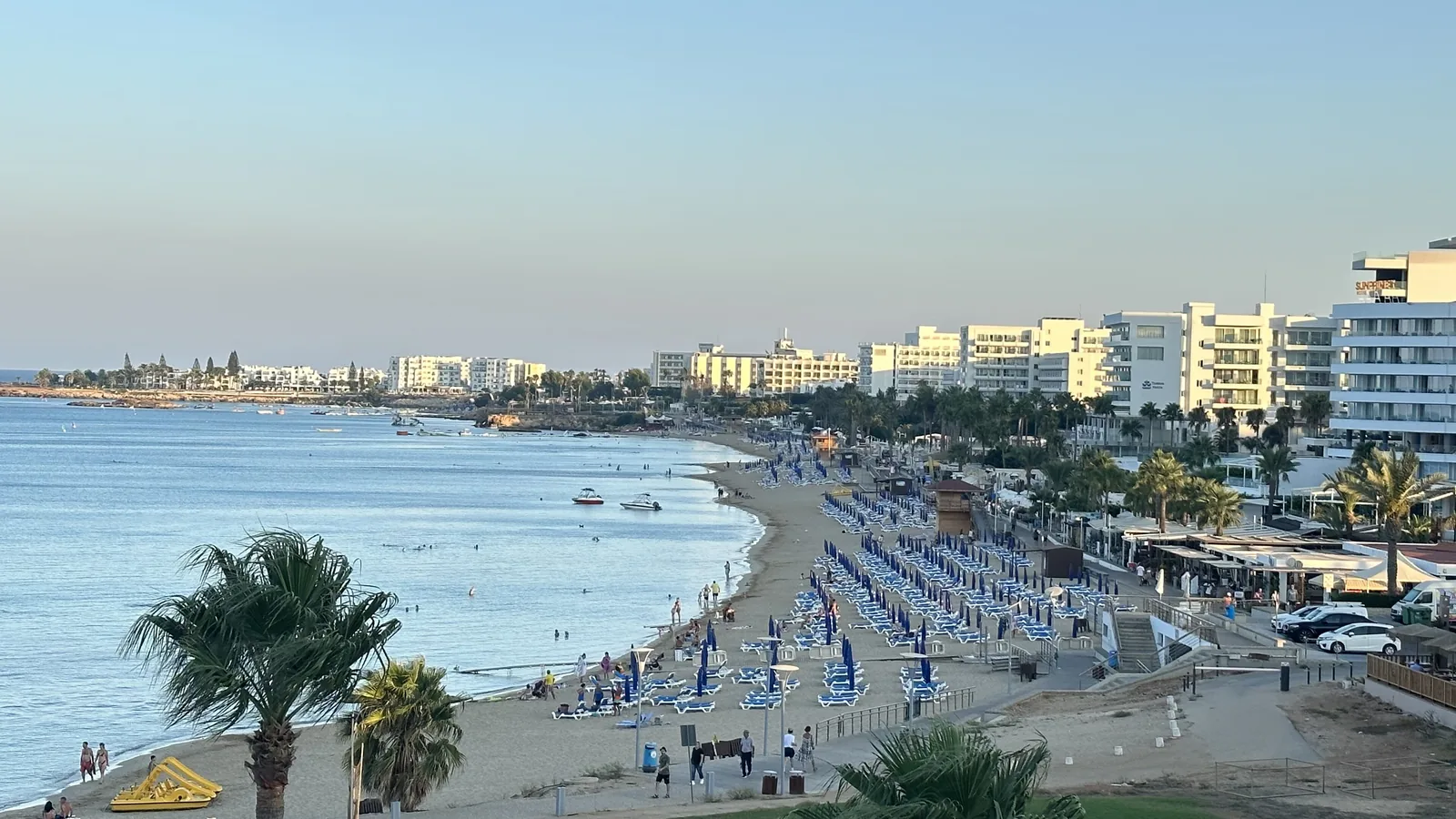
Sundy Beach is a popular resort with hotels, pubs, tavernas, and sports facilities. Lifeguards and lifesaving equipment are on duty daily during the bathing season from 10:00 to 18:00. You can reach the beach by bus, private car, bicycle, or motorbike. For more information, visit…
Quick Overview
Plan Your Visit to Vrisi C
The key facts before you go
About the Beach
What is Vrisi C?
Vrisi C is a sandy beach near Paralimni in the Famagusta region of Cyprus, holding Blue Flag status since 2003. Located on the eastern coast, it has earned recognition for excellent bathing water quality and reliable facilities. The beach attracts both holiday crowds and locals throughout the summer months. With lifeguards on duty during peak season and a range of amenities from hotels to water sports, it functions as a full-service resort beach. The area combines traditional coastal character with modern tourist infrastructure, making it accessible for various travel styles and budgets.
It sits alongside certified beaches along Cyprus, part of a broader network of certified beaches throughout Cyprus certified annually by the Foundation for Environmental Education.
Planning
When to Go: Month by Month
| Month | Air Temp | Water Temp | Crowds |
|---|---|---|---|
| Jan | 13°C | 18°C | Low |
| Feb | 14°C | 17°C | Low |
| Mar | 15°C | 17°C | Low |
| Apr | 18°C | 18°C | Low |
| May | 22°C | 21°C | Med |
| Jun | 25°C | 25°C | High |
| Jul | 28°C | 28°C | High |
| Aug | 28°C | 29°C | High |
| Sep | 27°C | 28°C | High |
| Oct | 23°C | 26°C | Med |
| Nov | 19°C | 23°C | Low |
| Dec | 15°C | 20°C | Low |
The best time to visit Vrisi C is May, June. Air temperatures peak around 27.9°C in summer. Peak water temperature reaches 27.6°C in July.
How crowded does Vrisi C get?Vrisi C operates as a mainstream resort beach, which shapes its visitor dynamics. During the official bathing season (June–September), the beach draws steady crowds, particularly on weekends and during school holidays. The presence of lifeguards, hotels, and entertainment venues attracts families and holiday groups who value organised facilities over isolation. Weekdays tend to be less packed than weekends, though 'quiet' is relative at a Blue Flag resort beach in summer. The resort infrastructure (hotels, pubs, tavernas) generates a social atmosphere. You'll encounter a mix of package tourists, families, and local visitors. The beach is not designed for or suited to those seeking solitude or undeveloped coastline. Peak August typically brings the heaviest footfall. Shoulder months (June and September) offer slightly better breathing room while still maintaining warm water and lifeguard cover. Outside the summer season (October–May), visitor numbers drop significantly, and the beach takes on a quieter, more local character, though water temperatures become unsuitable for most casual swimmers. The lifeguard schedule (10:00–18:00 daily during season) reflects expected daytime usage patterns.
Is Vrisi C open year-round?The beach itself is accessible year-round, though staffed facilities including lifeguards typically operate only during the official season (01-05 – 31-10). The Blue Flag is displayed during the certification period only.
The Water
Swimming and Beach Life at Vrisi C
Is Vrisi C safe to swim?Vrisi C is Blue Flag certified, which requires meeting strict bathing water standards set by the EU Bathing Water Directive. Water quality is rated Excellent.
What is the water temperature at Vrisi C?Peak water temperature at Vrisi C reaches around 27.6°C in July, making it comfortable for swimming during the summer months. In winter (January), air temperatures average 13°C.
What is the beach like at Vrisi C?Vrisi C is a sandy beach defined by its resort-style setup and steady stream of visitors during the warmer months. The sand is light and typical of eastern Cyprus's coastline, offering good beach coverage for lounging and activities. Water quality here consistently rates as excellent, monitored and maintained to Blue Flag standards. The seabed shelves gradually, which generally suits swimmers of different abilities. The beach infrastructure reflects its popularity. Lifeguards and lifesaving equipment are stationed here every day during bathing season, operating between 10:00 and 18:00 hours from June through September. This structured coverage provides a safety net for swimmers, particularly families with children. The presence of organised lifeguard services distinguishes Vrisi C from quieter, unpatrolled beaches. Water temperatures follow the predictable eastern Mediterranean pattern. Winter months (January–March) see cool water from 10–12°C, making swimming uncomfortable without a wetsuit. Spring warming begins in April at around 15°C. By June, temperatures reach 22°C, becoming genuinely swimmable. Peak warmth arrives in July and August, when water reaches 24–25°C. Autumn cooling is gradual; September still offers 28.0°C, October drops to 25.9°C, and by November it falls below 16°C. This thermal rhythm defines the practical swimming season from June through September. The beach sits within a developed resort area with hotels, pubs, tavernas, and sports facilities operating nearby. This concentration of amenities means food and drink are readily available, though at typical resort pricing. The sandy beach surface is suitable for beach sports and recreation. The overall character is that of a working, busy coastal resort rather than a secluded or undeveloped setting.
Vrisi C sits on the Mediterranean Sea: explore all Blue Flag beaches on the Mediterranean.
While You're Here
Beyond Vrisi C
Paralimni town, immediately adjacent to Vrisi C, serves as the practical hub for the area. The town has shops, restaurants, and cafes catering to both tourists and locals. The Paralimni website (paralimni.org.cy) lists local information and seasonal events. The broader eastern Cyprus region offers several other beaches and coastal settlements within 30–40 km, though each has its own character and facilities. Inland from the coast, the Famagusta region contains historical sites and rural villages typical of eastern Cyprus, though these require deliberate travel from the beach. The flat, developed terrain around Paralimni contrasts with more mountainous areas further west. For visitors based at Vrisi C, activities are largely beach-focused or within the immediate town infrastructure rather than requiring day trips to distant attractions.
Transport
Getting to Vrisi C
How do I get to Vrisi C by car?Vrisi C is approximately 6.56 km from Paralimni. Follow local road signs to the beach. Check Google Maps or a local map for the most current directions.
What is the nearest airport to Vrisi C?The nearest airport is Larnaca International Airport (LCA), approximately 42.1 km away. Larnaca International Airport (LCA) is the nearest air gateway, located 42.1 km southwest of Vrisi C near Paralimni. Larnaca handles most international flights to eastern Cyprus and is well-connected to European and regional carriers. From the airport, ground transport takes 45–60 minutes by car depending on traffic and specific routing through or around the sprawl between Larnaca and Paralimni. Car rental is straightforward at Larnaca and suits independent travellers. Pre-booked shuttle services and taxis are available but tend toward higher cost. The road network is modern and signposted; Paralimni itself is a recognisable landmark once you head northeast from Larnaca.
Can I get to Vrisi C by public transport?Bus services connect Larnaca and surrounding towns to Paralimni, making it possible to reach Vrisi C without a car. Journey times from Larnaca typically range from 60–90 minutes depending on stops and traffic. Services run regularly but are less frequent than typical urban networks. Buses stop in Paralimni town itself; from there, local directions or a short taxi ride reach the beach. This option suits budget travellers and those avoiding car rental, though journey times are slower than private transport.
Map
Find Vrisi C
Open the map or get directions to the Vrisi C pin. Amenity names are listed here only when OpenStreetMap has a mapped feature nearby.
Map loads when you ask. Tiles stay off the first paint.
Map: OpenStreetMap (ODbL)
On the beach
Facilities at Vrisi C
- Lifeguards
- Yes, during the certified season
- Wheelchair access
- Accessible site facilities and water entry
- Visual assistance
- No
- Toilets
- Yes
- Showers
- Yes
- Parking
- 35 m away, no parking fee
- Entry
- Free to enter
These details can change. Check on arrival.
Map data © OpenStreetMap contributors
Practical Details
Practical Information
| At the Beach | |
| Official Season | 01 May – 31 Oct |
|---|---|
| Beach Type | Sandy beach |
| Visiting Information | |
| GPS Coordinates | 35.0203°N, 34.0511°E |
| Water Quality | Excellent (EU Bathing Water Directive) |
| Blue Flag Operator | Foundation for Environmental Education (FEE), Cyprus |
Frequently Asked Questions
Vrisi C FAQ
Is Vrisi C worth visiting?
Vrisi C suits visitors seeking a resort beach with reliable facilities and good water quality. Its Blue Flag status since 2003 reflects consistent bathing standards and lifeguard cover during summer. If you value organised amenities, hotels, and food options within walking distance, it offers solid value. If you prefer quieter, undeveloped coastline, it will not appeal. The beach works well for families prioritising safety and convenience over seclusion. Water temperatures are swimmable only June–September, limiting its appeal outside these months.
How do I get to Vrisi C?
Vrisi C is near Paralimni in eastern Cyprus. By air, fly to Larnaca International Airport (42 km away), then rent a car or take a bus/taxi for 45–60 minutes. By car, route northeast from Larnaca toward Paralimni and follow local signage to the beach. Bus services run from Larnaca to Paralimni (60–90 minutes), but frequencies are moderate. The beach is accessible by private car, bicycle, motorbike, and bus according to local information. No train service exists in this region.
What is the best time of year to visit?
June through September is the official bathing season, when lifeguards operate daily 10:00–18:00 and water temperatures range from 22–25°C. July and August offer the warmest water (24–25°C) but also the heaviest crowds. June and September provide decent warmth (22°C and 28.0°C respectively) with slightly fewer visitors. October water (25.9°C) is still usable for hardy swimmers. November onwards, temperatures drop below 16°C, making casual swimming impractical. Air temperatures are warm throughout summer, averaging 27–28°C in July–August.
What facilities are there at Vrisi C?
Vrisi C has lifeguards and lifesaving equipment available daily during bathing season (10:00–18:00, June–September). Hotels, pubs, tavernas, and sports facilities operate in the immediate area. You can reach the beach by bus, private car, bicycle, and motorbike. The sandy beach supports recreational activities. Food and drink are available from nearby venues. Facilities reflect a developed resort setting rather than a basic or undeveloped beach. The Blue Flag status indicates maintained water quality standards and organised safety provision.
Is Vrisi C suitable for families?
Yes, Vrisi C is reasonably family-friendly. Lifeguards patrol daily during the June–September season, providing supervised swimming conditions. The gradual seabed shelving suits children and less confident swimmers. Hotels and tavernas nearby offer food and accommodation options. The sandy beach is suitable for children's activities. However, the resort atmosphere means crowds during peak season, which some families appreciate and others find overwhelming. Water temperatures below 16°C (October–May) make it unsuitable for young children outside summer. The organised, busy nature suits families valuing safety and amenities over quiet or isolated settings.
Editorial
From the Zeach Blog
Everything you need to know about what makes a beach qualify for Blue Flag status, from water quality to environmental education.
Read moreOur editorial team's pick of the standout Blue Flag beaches in Cyprus, rated for family friendliness, scenery, and facilities.
What the flag actually means, how certification works, and why a Blue Flag is a genuinely reliable signal, not just a marketing tool.
Read moreSources
- Foundation for Environmental Education: Blue Flag programme
- FEE site listing for Vrisi C
- Foundation for Environmental Education (FEE)
- European Environment Agency: bathing water quality
Last verified September 2026. National operator pages and FEE listings are the primary certification sources.