Vilamoura
Faro, Portugal: Excellent water quality
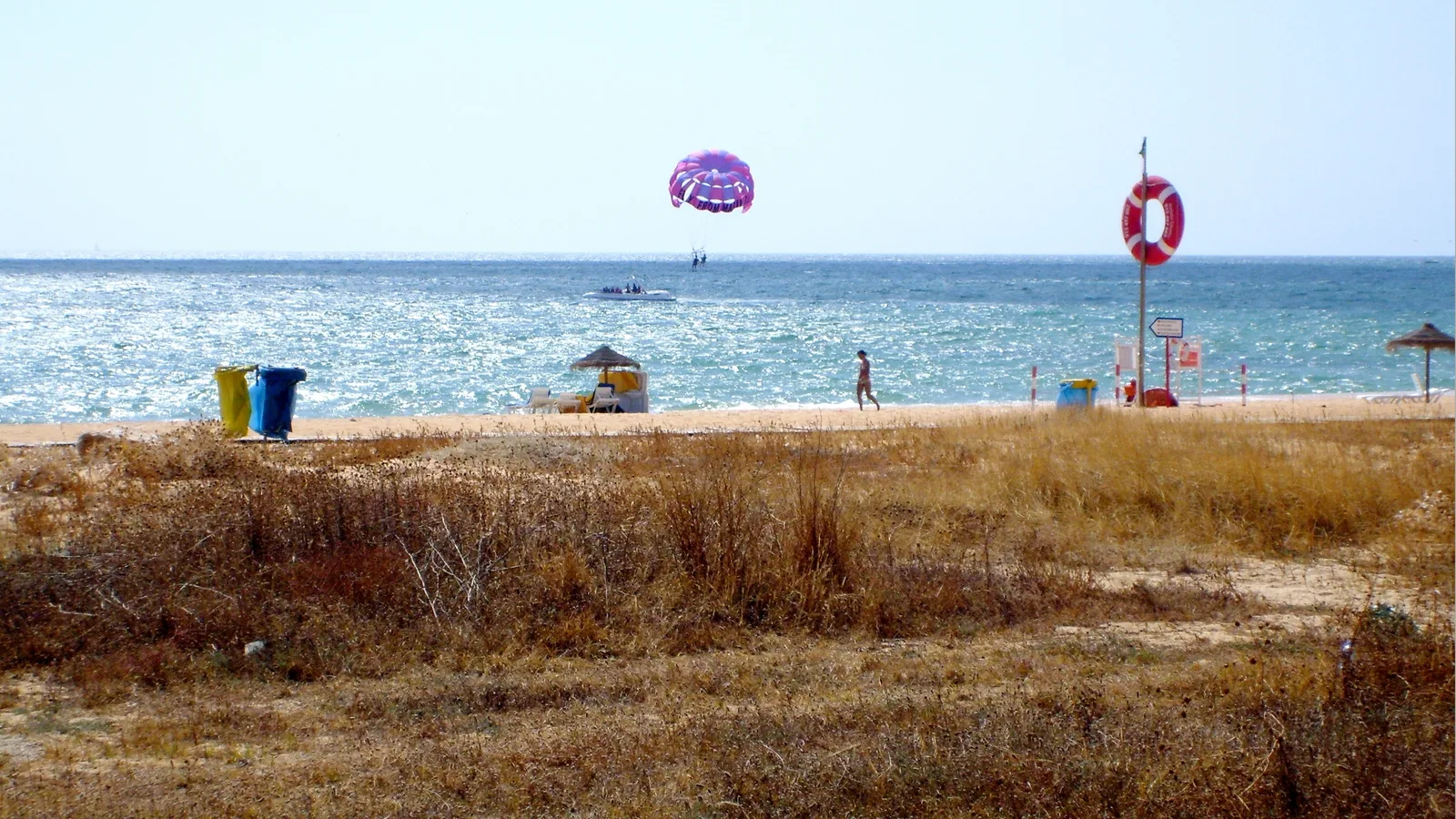
Vilamoura beach sits between the marina's east entrance and the fishermen's port in Quarteira, part of one of Europe's largest resort developments. The beach is fully accessible, with ramps, level access to the sand, shaded areas, and assisted bathing facilities.
Quick Overview
Plan Your Visit to Vilamoura
The key facts before you go
About the Beach
What is Vilamoura?
Vilamoura beach stretches along the Algarve coast between the eastern marina entrance and Quarteira's traditional fishing port, forming part of one of Europe's largest integrated tourist resorts. This south-facing beach has maintained Blue Flag certification since 1987, reflecting consistently excellent bathing water quality verified through regular testing. The beach serves as the coastal centerpiece of the broader Vilamoura complex, which encompasses golf courses, a casino, equestrian facilities, and the acclaimed marina. Accessibility stands out as a particular strength here, with ramps, level access points, shaded areas, and assisted bathing services ensuring visitors of all mobility levels can enjoy the sand and sea. The golden sand meets the Atlantic waters that warm to comfortable swimming temperatures during July and August, when lifeguards patrol the designated bathing zones. Beyond sunbathing, the adjacent marina opens up possibilities for diving, sailing, and boat excursions along this stretch of the Portuguese coastline.
It sits alongside Blue Flag beaches in Faro, part of a broader network of Blue Flag certified beaches across Portugal certified annually by the Foundation for Environmental Education.
Visitor Feedback
What Visitors Say About Vilamoura
What visitors appreciate
- marina|umbrellas|sunbeds|boardwalks|berlin balls|clean sand|golden sand|prohibition of umbrellas|sea bathing|warm sea water
- Well-staffed with lifeguards during season
- Excellent EU-rated bathing water quality
Points to consider
- Can be busy during July and August peak season
- Limited parking near the beach
- Facilities may be reduced outside peak months
Based on aggregated public visitor feedback. Themes are synthesised from multiple sources, not individual quotes. Zeach does not reproduce individual reviews.
Sunrise, Sunset & Beach Direction
Vilamoura faces south toward Atlantic Ocean. The best light for photography and swimming is typically in September. Direct sun hours follow that facing.
Planning
When to Go: Month by Month
| Month | Air Temp | Water Temp | Crowds |
|---|---|---|---|
| Jan | 12°C | 9°C | Low |
| Feb | 13°C | 10°C | Low |
| Mar | 14°C | 11°C | Low |
| Apr | 16°C | 13°C | Low |
| May | 19°C | 16°C | Low |
| Jun | 22°C | 19°C | Low |
| Jul | 25°C | 22°C | Med |
| Aug | 25°C | 22°C | High |
| Sep | 23°C | 20°C | Med |
| Oct | 20°C | 17°C | Low |
| Nov | 16°C | 13°C | Low |
| Dec | 14°C | 11°C | Low |
The best time to visit Vilamoura is September. Air temperatures peak around 24.6°C in summer. Peak water temperature reaches 21.6°C in July.
How crowded does Vilamoura get?Who gravitates toward Vilamoura beach? The answer reflects the resort's market positioning: this is primarily a destination for visitors staying within the Vilamoura complex or nearby accommodations, rather than a locals' beach or budget traveler gathering spot. The international resort atmosphere means you'll hear multiple European languages across the sand and esplanades. Golf visitors from the surrounding courses often spend afternoon hours here. Marina boat owners and charter guests add to the cosmopolitan mix. Families benefit from the excellent accessibility features and medical post presence, while the sophisticated bar and restaurant offerings attract couples and adult groups. What patterns emerge across the seasons? July and August represent peak intensity, coinciding with lifeguard presence and warmest water temperatures reaching 21-22°C. These months bring maximum crowds, as European school holidays overlap with optimal swimming conditions. Sunbed and umbrella areas fill earlier in the day during high season. Shoulder months tell a different story. May through June and September offer air temperatures between 18-23°C with notably fewer visitors. Water remains swimmable for many in September at nearly 20°C, though lifeguard coverage ends. The beach never truly empties given Vilamoura's year-round resort population, but winter months see primarily walkers and local residents rather than sunbathing crowds. The urban-tourist front means facilities operate consistently, unlike seasonal-only beach bars elsewhere in the Algarve. Early mornings attract joggers using the boardwalks, while late afternoons see the esplanade restaurants fill with sunset diners.
Is Vilamoura open year-round?The beach itself is accessible year-round, though staffed facilities including lifeguards typically operate only during the official season (01-07 – 30-09). The Blue Flag is displayed during the certification period only.
The Water
Swimming and Beach Life at Vilamoura
Is Vilamoura safe to swim?Vilamoura is Blue Flag certified, which requires meeting strict bathing water standards set by the EU Bathing Water Directive. Water quality is rated Excellent. Lifeguards are on duty during the official season.
What is the water temperature at Vilamoura?Peak water temperature at Vilamoura reaches around 21.6°C in July, making it comfortable for swimming during the summer months. In winter (January), air temperatures average 12.1°C.
What is the beach like at Vilamoura?What makes Vilamoura beach distinctive among Algarve destinations? The answer lies in how this stretch of coastline integrates with the surrounding resort infrastructure while maintaining genuine beach character. The golden sand extends between two distinct endpoints: the modern marina complex to the west and Quarteira's working fishing port to the east, creating an interesting juxtaposition of contemporary tourism and traditional maritime culture. The south-facing orientation proves advantageous throughout the day, capturing maximum sunlight hours and providing some natural shelter from northerly winds. Water quality carries an excellent rating, a standard Vilamoura has upheld since receiving its first Blue Flag in 1987, making it one of the earliest Portuguese beaches to achieve this environmental certification. Swimming conditions vary significantly by season. January water temperatures drop to around 9°C, genuinely cold and suitable only for the most determined swimmers. The Atlantic gradually warms through spring, reaching approximately 16°C by May before climbing to peak temperatures of 21-22°C during July and August. September remains pleasant at nearly 20°C, though the official lifeguard-supervised swimming season concentrates on July and August. Air temperatures complement the water nicely, averaging around 25°C during August. How does Vilamoura handle beach accessibility? This represents one of the beach's genuine strengths. The urban-tourist front includes ramps throughout, level pathways reaching the sand, dedicated shaded areas, and assisted bathing services. These aren't afterthoughts but integrated design elements that make the beach genuinely usable for visitors with mobility considerations. The beach infrastructure reflects the resort's premium positioning. Boardwalks provide easy passage across the sand, while the rental setup includes umbrellas and sunbeds for those preferring not to bring their own equipment. Note that Google reviews mention both umbrella availability and prohibition of umbrellas in certain zones, suggesting designated areas exist for different uses. Facilities extend beyond basic amenities. Bars and restaurants with esplanade seating line the beach approach, allowing extended coastal dining. A medical post provides reassurance for families, while proper sanitary installations and showers address practical needs. Parking capacity is described as ample, reducing one of the typical frustrations of popular beach destinations. The diving tag associated with Vilamoura connects to the marina's water sports offerings rather than shore diving at the beach itself. The marina provides access to scuba diving excursions, alongside sailing, jet-skiing, boat trips, and regattas. This variety transforms a beach visit into a potential multi-activity coastal day. Clean sand and golden sand appear frequently in visitor descriptions, suggesting consistent maintenance standards. The ordered bathing area with lifeguard coverage during peak season creates clear zones for swimming versus other beach activities. For those interested in combining beach time with ecological exploration, the Parque Ambiental sits nearby within the broader Vilamoura complex. This wetland area supports over 100 bird species among dense reed fields, offering a different coastal experience altogether.
Does Vilamoura have good facilities?As a Blue Flag certified beach, Vilamoura meets the Foundation for Environmental Education's standards for facilities and services. Trained lifeguards are on duty during the season. The beach has disabled access facilities.
Vilamoura sits on the Atlantic Ocean: explore all Blue Flag beaches on the Atlantic.
Planning a trip to Portugal? Blue Flag Beaches Portugal , our editorial guide to certified beaches across the country.
While You're Here
Beyond Vilamoura
Vilamoura extends well beyond its beach, offering a complete resort ecosystem. The Marina, also Blue Flag certified, creates a focal point for evening activity with restaurants, bars, and boutiques lining the waterfront. Boat trips, sailing excursions, and diving charters depart from the marina berths, while the café terraces provide prime people-watching territory. Golf dominates the sporting landscape, with multiple courses surrounding the resort. The riding center offers equestrian experiences, while tennis and squash courts, shooting facilities, and cycling paths address other sporting interests. The Casino adds evening entertainment options for those seeking something beyond beach and dinner routines. History enthusiasts should seek out the Museum and Archaeological Station of Cerro da Villa. This site preserves a 1st-century Roman settlement, allowing visitors to explore ancient streets, mosaics, and structures. The museum contextualizes the findings and traces local history through subsequent periods. The Parque Ambiental provides complete contrast to the resort atmosphere. This wetland reserve supports over 100 bird species within extensive reed beds, offering walking trails and observation opportunities. Birdwatchers find particular interest here, though casual visitors appreciate the green escape from beach and marina environments.
Transport
Getting to Vilamoura
How do I get to Vilamoura by car?Vilamoura is approximately 1.23 km from Quarteira. Follow local road signs to the beach. Check Google Maps or a local map for the most current directions.
What is the nearest airport to Vilamoura?The nearest airport is Faro Airport (FAO), approximately 14.2 km away. Faro Airport serves as the gateway to Vilamoura, positioned just 14.2 kilometers from the beach. This proximity makes transfers straightforward whether arranging private transport, taxi, or shuttle services. Flight connections link Faro to major European airports, with particularly strong coverage from UK, German, and Northern European hubs. Budget carriers operate significant seasonal schedules during summer months, while year-round services maintain access for golf tourists and winter visitors. The airport code FAO appears on booking systems. Transfer time to Vilamoura typically runs 15-25 minutes depending on traffic conditions, with the A22 motorway providing the fastest route. Pre-booked transfers often prove more economical than airport taxis, particularly during peak season when demand increases.
Can I get to Vilamoura by public transport?Regional bus services connect Vilamoura with surrounding Algarve towns including Quarteira, Albufeira, and Faro. The EVA bus network operates these routes with reasonable frequency during summer months. From Faro airport, direct bus connections or services via Faro bus station reach the resort area. Local buses link the beach zone with other Vilamoura facilities including the marina.
Is there a train to Vilamoura?Portugal's rail network connects to the Algarve via the Linha do Algarve regional service. The nearest stations to Vilamoura are Quarteira-Vilamoura or Loulé, both requiring onward local transport to reach the beach. From Lisbon, trains run to Faro or Albufeira-Ferreiras, where connections continue along the coastal line. Journey times from Lisbon typically exceed three hours. The train offers scenic coastal sections but limited frequency compared to bus alternatives. For visitors already in the Algarve, the regional train provides an economical way to explore different beach towns, though Vilamoura itself lacks direct station access.
Map
Find Vilamoura
Open the map or get directions to the Vilamoura pin. Amenity names are listed here only when OpenStreetMap has a mapped feature nearby.
Map loads when you ask. Tiles stay off the first paint.
Map: OpenStreetMap (ODbL)
Practical Details
Practical Information
| At the Beach | |
| Entry | Free: no charge to access the beach |
|---|---|
| Lifeguards | ✓ On duty during official season |
| Disabled Access | ✓ Accessible site facilities and water entry |
| Showers | ✗ |
| Toilets | ✗ |
| Official Season | 01 Jul – 30 Sep |
| Beach Type | Sandy beach |
| Sand | Golden / yellow sand |
| Visiting Information | |
| GPS Coordinates | 37.0718°N, 8.1161°W |
| Water Quality | Excellent (EU Bathing Water Directive) |
| Blue Flag Operator | Foundation for Environmental Education (FEE), Portugal |
Frequently Asked Questions
Vilamoura FAQ
Is Vilamoura worth visiting?
Vilamoura merits consideration for visitors seeking a well-equipped beach within a comprehensive resort setting. The Blue Flag certification since 1987 confirms consistent water quality standards, while accessibility features including ramps, level access, and assisted bathing services make this beach genuinely welcoming for visitors with mobility needs. The integration with marina facilities, restaurants, and activities creates a complete package. Those seeking quiet, undeveloped coastline will find better options elsewhere in the Algarve, but for convenient amenities, reliable facilities, and varied activity options beyond sunbathing, Vilamoura delivers.
How do I get to Vilamoura?
Faro Airport lies just 14.2 kilometers from Vilamoura beach, making air arrival practical. Transfers take 15-25 minutes via the A22 motorway. Pre-booked shuttles, taxis, and rental cars all work efficiently. Regional buses operated by EVA connect Vilamoura with Faro, Quarteira, and Albufeira. Train travelers should note that Vilamoura lacks direct station access; the nearest stops require onward bus or taxi connections. Once within the resort, the beach is accessible via boardwalks from parking areas and the marina district.
What is the best time of year to visit Vilamoura?
July and August offer optimal swimming conditions with water temperatures reaching 21-22°C and air temperatures around 25°C. Lifeguards patrol during these months. However, crowds peak simultaneously. June and September provide pleasant alternatives with air temperatures of 19-23°C and fewer visitors, though September water drops to around 20°C. Spring months suit those prioritizing golf, marina activities, and cultural exploration over swimming. Winter brings mild air temperatures around 12°C but genuinely cold water below 11°C, attracting mainly walkers and off-season resort residents.
What facilities are there at Vilamoura beach?
Vilamoura provides comprehensive beach infrastructure. Sunbed and umbrella rentals, bars, and restaurants with esplanade seating line the approach. Practical amenities include sanitary installations, showers, and ample parking. A medical post operates during season. Accessibility features stand out: ramps, level pathways to the sand, shaded areas, and assisted bathing services address mobility needs. Boardwalks ease sand crossing. The adjacent marina adds boat trips, diving, sailing, and jet-ski access. Lifeguards supervise designated bathing zones during July and August peak season.
Is Vilamoura suitable for families?
Vilamoura works well for families seeking amenity-rich beach days. The medical post provides reassurance, while lifeguard presence during July and August adds safety supervision. Excellent accessibility features benefit families with pushchairs or mobility equipment. Clean sand and organized bathing zones create manageable swimming areas. Beyond the beach, the broader resort offers cycling paths, the environmental park with bird watching, and the Roman archaeological site for educational excursions. Restaurants and facilities cater to mainstream tastes. Families seeking wild, natural beach experiences should look elsewhere, but those valuing convenience and services find Vilamoura accommodating.
Explore More
Nearby Blue Flag Beaches
Editorial
From the Zeach Blog
Everything you need to know about what makes a beach qualify for Blue Flag status, from water quality to environmental education.
Read moreOur editorial team's pick of the standout Blue Flag beaches in Portugal, rated for family friendliness, scenery, and facilities.
Explore PortugalWhat the flag actually means, how certification works, and why a Blue Flag is a genuinely reliable signal, not just a marketing tool.
Read moreSources
- Foundation for Environmental Education: Blue Flag programme
- FEE site listing for Vilamoura
- ABAE (Associação Bandeira Azul da Europa)
- European Environment Agency: bathing water quality
Last verified September 2026. National operator pages and FEE listings are the primary certification sources.