Tynemouth Longsands South
England, United Kingdom
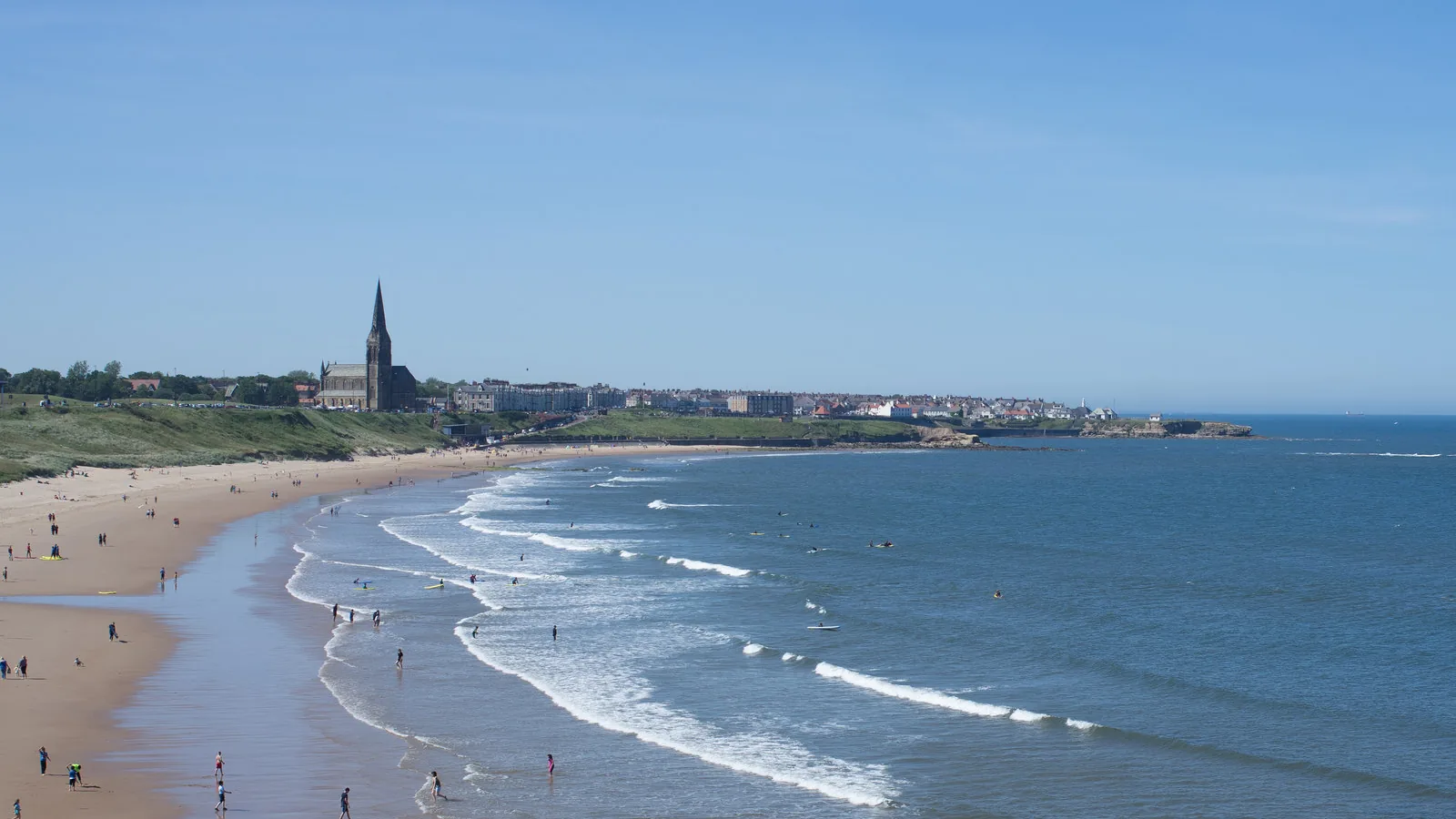
Longsands South stretches for half a mile of fine golden sand backed by dunes, offering a rare rural feel within an urban setting. The beach's size makes it popular with swimmers, surfers, and beach sports players, as well as those looking for a quiet spot…
Quick Overview
Plan Your Visit to Tynemouth Longsands South
The key facts before you go
About the Beach
What is Tynemouth Longsands South?
Tynemouth Longsands South stretches for half a mile along the North Tyneside coast, offering a rare combination of fine golden sand and rural character within an urban setting. The beach is backed by sand dunes and faces south, catching good light and offering shelter from northerly winds. It's known locally for reliable surf conditions and a spacious layout that accommodates swimmers, surfers, and families without feeling cramped. Lifeguards are on duty during peak season, and the beach welcomes dogs year-round. The adjacent park, Blue Reef aquarium, and nearby shops make this a practical beach visit rather than a remote escape. It's accessible by metro or car from Newcastle, making it one of the northeast's more accessible coastal destinations.
It sits alongside other certified beaches in England, part of a broader network of other Blue Flag beaches in United Kingdom certified annually by the Foundation for Environmental Education.
Visitor Feedback
What Visitors Say About Tynemouth Longsands South
What visitors appreciate
- surfing|cafes|dog walking|tide|golden sand|long beach|dog friendly|dog restrictions|sand castles|crazy golf
Points to consider
- Can be busy during July and August peak season
- Facilities may be reduced outside peak months
Based on aggregated public visitor feedback. Themes are synthesised from multiple sources, not individual quotes. Zeach does not reproduce individual reviews.
Sunrise, Sunset & Beach Direction
Tynemouth Longsands South faces south toward North Sea. The best light for photography and swimming is typically in May, June, September. Direct sun hours follow that facing.
Planning
When to Go: Month by Month
| Month | Air Temp | Water Temp | Crowds |
|---|---|---|---|
| Jan | 5°C | 7°C | Low |
| Feb | 5°C | 7°C | Low |
| Mar | 6°C | 7°C | Low |
| Apr | 8°C | 7°C | Low |
| May | 11°C | 9°C | Med |
| Jun | 14°C | 12°C | High |
| Jul | 16°C | 14°C | High |
| Aug | 16°C | 15°C | High |
| Sep | 14°C | 14°C | Med |
| Oct | 11°C | 12°C | Low |
| Nov | 8°C | 10°C | Low |
| Dec | 5°C | 9°C | Low |
The best time to visit Tynemouth Longsands South is May, June, September. Air temperatures peak around 16.1°C in summer. Peak water temperature reaches 14.2°C in July.
How crowded does Tynemouth Longsands South get?Tynemouth Longsands South handles crowds better than many urban beaches because of its size, the half-mile stretch absorbs visitors reasonably well. On summer weekends and school holidays, especially during the school summer break, the beach does get busy. You'll find families with young children, groups of friends, and plenty of dog walkers spread across the sand. The cafes and facilities in the adjoining park and near Tynemouth Station bring a steady stream of casual visitors, not just dedicated beach-goers. On warm days with good weather, expect it to be full rather than empty. Dog walking creates a distinctive character here. The beach genuinely welcomes dogs, and on any given day you'll see dozens, this is a dog-friendly beach in practice, not just policy. Off-season (autumn through early spring), the beach is noticeably quieter. Winter swells bring dedicated surfers, but they're a smaller, more focused crowd. Weather patterns affect crowds significantly. Poor conditions (wind, rain, or cold) empty the beach quickly. Moderate conditions attract locals who know the beach; perfect weather brings everyone. The presence of the aquarium and toy museum means family groups often combine beach time with other activities, which can create peak periods around school holidays. If you prefer quieter conditions, visit outside school holidays and choose days with grey skies or cooler temperatures.
Is Tynemouth Longsands South open year-round?The beach itself is accessible year-round, though staffed facilities including lifeguards typically operate only during the official season (15-05 – 30-09). The Blue Flag is displayed during the certification period only.
The Water
Swimming and Beach Life at Tynemouth Longsands South
Is Tynemouth Longsands South safe to swim?Tynemouth Longsands South is Blue Flag certified, which requires meeting strict bathing water standards set by the EU Bathing Water Directive.
What is the water temperature at Tynemouth Longsands South?Peak water temperature at Tynemouth Longsands South reaches around 14.2°C in July, making it comfortable for swimming during the summer months. In winter (January), air temperatures average 4.8°C.
What is the beach like at Tynemouth Longsands South?Tynemouth Longsands South is a working beach with genuine character. The half-mile stretch of golden sand provides plenty of room to find your own space, whether you're planning to swim, surf, or build sandcastles. The beach faces south, which means you get consistent daylight and reasonable protection from the worst of the north-easterly swells, though Atlantic systems regularly deliver good swell for surfers. The sand itself is fine and well-draining, typical of this stretch of the Northumberland and Tyne coast. At low tide, the beach expands significantly, revealing firm sand suitable for walking or playing ball games. The dunes backing the beach provide natural shelter and are an important part of the local ecosystem. Water temperatures follow the northeast coast pattern: cold from January through May (7.4°C to 7.3°C), reaching 14.2°C in July, then cooling again through autumn and winter. Even in summer, a wetsuit is standard wear for surfers here. The water is generally clear and clean, though like all beaches it can get choppy in strong winds. Lifeguards are present during the summer season, which provides reassurance for swimmers. The beach faces direct exposure to Atlantic weather systems, so conditions change rapidly. Autumn and winter swells attract experienced surfers, while summer brings calmer conditions and warmer air temperatures (around 16°C in July and August). The beach is genuinely dog-friendly, this isn't a grudging allowance but a positive feature. Dog walkers are a constant presence here. The wide sand means dogs have space to run without creating congestion for other users. Tide times matter here. At high tide, the beach narrows considerably and can become busy. Low tide reveals the full expanse of sand and is generally the better time to visit if you want space. Local knowledge of tide times will improve your experience significantly.
Tynemouth Longsands South sits on the North Sea: explore all Blue Flag beaches on the North Sea.
While You're Here
Beyond Tynemouth Longsands South
The beach sits within a working town environment, which has advantages. The Blue Reef aquarium is immediately adjacent, a practical option if you want indoor activities alongside beach time, particularly relevant on poor weather days. The toy museum offers another child-focused alternative. Cafes and shops line the nearby streets, so food and drink are readily available without leaving the immediate area. The park backing the beach provides green space for picnics or simply resting away from sand. Whitley Bay, the neighbouring town resort, is within walking distance and offers additional shops, cafes, and seaside facilities. This isn't isolated countryside; it's an active coastal settlement with genuine local character. For surfers, this beach's position on the North Tyneside coast makes it one point in a larger region with other breaks nearby. The half-mile stretch of Tynemouth Longsands itself is the main feature here, the secondary attractions support it rather than replace it as a reason to visit.
Transport
Getting to Tynemouth Longsands South
How do I get to Tynemouth Longsands South by car?Tynemouth Longsands South is approximately 5.2 km from North Tyneside. Follow local road signs to the beach. Check Google Maps or a local map for the most current directions.
What is the nearest airport to Tynemouth Longsands South?The nearest airport is Newcastle International Airport (NCL), approximately 16.8 km away. Newcastle Airport (NCL) is 16.9 kilometres from Tynemouth Longsands South, roughly 25-30 minutes by car depending on traffic through Newcastle. The airport handles domestic flights from across the UK and international connections. Rental cars are available at the airport, which gives flexibility for coastal exploration beyond this single beach. Alternatively, public transport from the airport combines train and metro. The airport train station connects to Newcastle Central Station, from where the metro reaches Tynemouth directly. This journey takes around 45 minutes total but avoids city-centre driving and parking costs. Taxi or ride-share services offer direct routes but cost more than public transport options.
Can I get to Tynemouth Longsands South by public transport?Local bus services connect to Tynemouth, though specific routes depend on your starting point. Newcastle and North Tyneside have regular bus networks. Journey times and frequencies vary, so checking local transport information before visiting makes sense. The metro is generally more reliable for reaching the beach, but buses serve visitors from different directions.
Is there a train to Tynemouth Longsands South?Tynemouth Station is the key transport hub for this beach. The Tyneside metro system (light rail) connects directly to the station from Newcastle Central Station and other points across the region. The metro runs regularly throughout the day. From Tynemouth Station, the beach is a 5-10 minute walk towards the coast. This is the most straightforward public transport option if you're arriving by train from elsewhere in the UK.
Map
Find Tynemouth Longsands South
Open the map or get directions to the Tynemouth Longsands South pin. Amenity names are listed here only when OpenStreetMap has a mapped feature nearby.
Map loads when you ask. Tiles stay off the first paint.
Map: OpenStreetMap (ODbL)
On the beach
Facilities at Tynemouth Longsands South
- Lifeguards
- Yes, during the certified season
- Wheelchair access
- Accessible site facilities and water entry
- Visual assistance
- No
- Parking
- 235 m away
- Dogs
- Allowed
- Surface
- Golden sand
- Entry
- Free to enter
These details can change. Check on arrival.
Map data © OpenStreetMap contributors
Practical Details
Practical Information
| At the Beach | |
| Official Season | 15 May – 30 Sep |
|---|---|
| Beach Type | Sandy beach |
| Visiting Information | |
| GPS Coordinates | 55.0255°N, 1.4269°W |
| Blue Flag Operator | Foundation for Environmental Education (FEE), United Kingdom |
Frequently Asked Questions
Tynemouth Longsands South FAQ
Is Tynemouth Longsands South worth visiting?
Yes, if you want accessible golden sand beach within reach of Newcastle. The half-mile stretch handles visitors reasonably well because of its size. It suits families, dog walkers, and surfers equally. The presence of lifeguards, facilities, and cafes nearby makes it practical rather than just scenic. It's a genuine beach with working character, you'll see locals here regularly, which suggests it delivers what people want. The main trade-off is being urban rather than remote.
How do I get to Tynemouth Longsands South?
By metro: Tyneside metro reaches Tynemouth Station directly from Newcastle Central. From the station, walk 5-10 minutes to the beach. By car: Use the A19, parking available near the beach and park. By air: Newcastle Airport is 16.9km away, 30 minutes by car or 45 minutes using airport train plus metro. By bus: Local services reach Tynemouth, though metro is more straightforward. Walking from Whitley Bay is feasible if you're staying nearby.
What's the best time of year to visit Tynemouth Longsands South?
Summer (June-August) offers warmest air (15-16°C) and water temperatures around 13°C, suiting families and casual swimmers. Autumn (September-November) brings reliable swell for surfers with less crowd pressure. Winter swells attract experienced surfers, though air temperatures drop to 4-5°C and water reaches 2°C. Avoid school holidays if you prefer quieter conditions. Spring is transitional, warming air but still cold water (3-8°C). Choose based on your activity preference rather than comfort alone.
What facilities are available at Tynemouth Longsands South?
Lifeguards patrol during summer season. Cafes and shops are accessible nearby, not on the beach itself but within walking distance. The adjacent park provides green space and additional facilities. Blue Reef aquarium and toy museum are immediately nearby. Public toilets and parking are available in the surrounding area. This isn't a remote beach with self-contained facilities; it's integrated into the town infrastructure, making supplies and services straightforward to access.
Is Tynemouth Longsands South suitable for families?
Yes, with practical caveats. The wide golden sand, lifeguards, and nearby facilities suit families well. School holidays bring crowds, so visit outside these periods for better experience. Water temperatures are cold even in summer (13°C), so wetsuits or thermal protection are standard for children. Dogs are genuinely welcomed, which suits families with pets. The adjacent aquarium, toy museum, and park provide alternative activities. Fine sand makes sandcastle-building straightforward. Plan around tide times, low tide reveals more beach and calmer conditions.
Explore More
Nearby Blue Flag Beaches
Editorial
From the Zeach Blog
Everything you need to know about what makes a beach qualify for Blue Flag status, from water quality to environmental education.
Read moreOur editorial team's pick of the standout Blue Flag beaches in United Kingdom, rated for family friendliness, scenery, and facilities.
What the flag actually means, how certification works, and why a Blue Flag is a genuinely reliable signal, not just a marketing tool.
Read moreSources
- Foundation for Environmental Education: Blue Flag programme
- FEE site listing for Tynemouth Longsands South
- Keep Britain Tidy / Foundation for Environmental Education
Last verified September 2026. National operator pages and FEE listings are the primary certification sources.