São Lourenço
Portugal: Excellent water quality
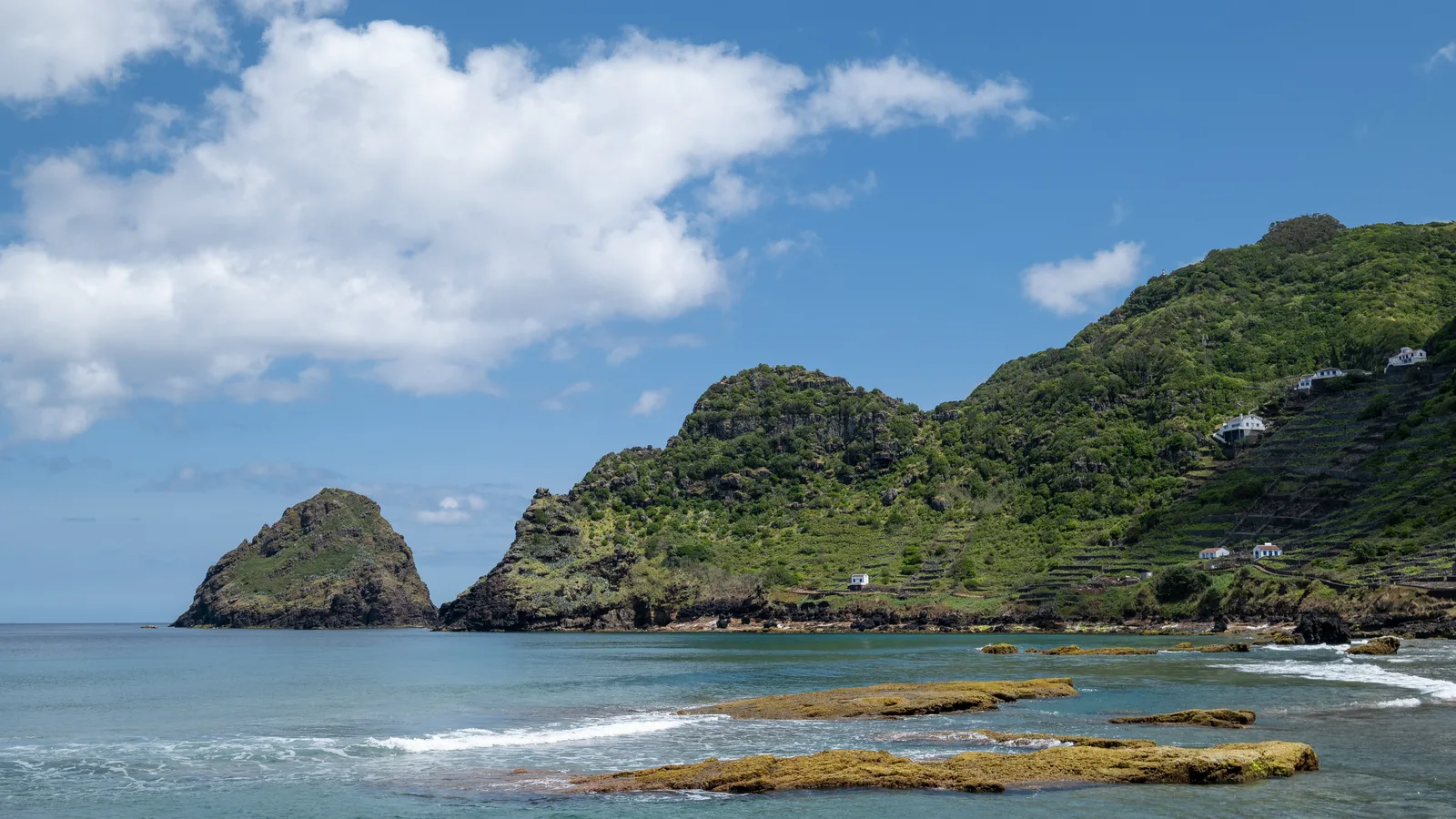
Summer Zone is an amphitheater-shaped beach backed by terraced vineyards in stone walls. One end features the Romeiro islet, which contains a sea cave with stalactites and stalagmites. The beach has white sand and is popular for beach volleyball, kayaking, and surfing.
Quick Overview
Plan Your Visit to São Lourenço
The key facts before you go
About the Beach
What is São Lourenço?
São Lourenço is a west-facing beach on the island of Santa Maria in the Azores, located just 10 kilometres from Santa Maria Airport. This Blue Flag beach has held its certification since 2012, backed by excellent bathing water quality. The beach combines white sand with a distinctive landscape shaped by stone-walled vine terraces that cascade down the slopes behind it. Summer brings calm conditions ideal for swimming and water sports, while the nearby Romeiro islet offers geological interest with its sea cave. Lifeguards are on duty during the bathing season, and the beach supports activities ranging from beach volleyball to kayaking and surfing.
It is part of a wider group of other Blue Flag beaches in Portugal that meet FEE's annual standards for water quality, safety, and environmental management.
Sunrise, Sunset & Beach Direction
São Lourenço faces west toward Atlantic Ocean. The best light for photography and swimming is typically in June, September. Direct sun hours follow that facing.
Planning
When to Go: Month by Month
| Month | Air Temp | Water Temp | Crowds |
|---|---|---|---|
| Jan | 16°C | 13°C | Low |
| Feb | 16°C | 13°C | Low |
| Mar | 15°C | 12°C | Low |
| Apr | 16°C | 13°C | Low |
| May | 17°C | 14°C | Low |
| Jun | 19°C | 16°C | Med |
| Jul | 21°C | 18°C | High |
| Aug | 23°C | 20°C | High |
| Sep | 22°C | 19°C | Med |
| Oct | 21°C | 18°C | Low |
| Nov | 19°C | 16°C | Low |
| Dec | 17°C | 14°C | Low |
The best time to visit São Lourenço is June, September. Air temperatures peak around 20.9°C in summer. Peak water temperature reaches 17.9°C in July.
How crowded does São Lourenço get?São Lourenço experiences typical seasonal patterns for an Azorean beach resort. Summer months (particularly July and August when air temperatures reach their peak at 22.5°C) see the highest visitor numbers. Beach volleyball becomes an organised activity during these months, and the water warm enough at 17.9–19.5°C that families and swimmers spend extended time in the sea. This is when the beach feels most populated. During shoulder seasons (May–June and September–October), the beach is noticeably quieter. Water temperatures remain reasonable (14–17.7°C) attracting dedicated swimmers but fewer casual beach visitors. Lifeguards remain on duty, so safe bathing is maintained. Winter months (November through April) see minimal beach crowds. Water temperatures dip below 13.4°C and air temperatures average 16–17°C, making these months suitable primarily for surfers and experienced swimmers in wetsuits. The beach retains its Blue Flag status year-round, but it functions as a genuinely seasonal destination. The beach's proximity to Santa Bárbara and the airport means day-visitors are common during summer, particularly from other Azorean islands. The amphitheater geography means crowds disperse across the slope area rather than concentrating in one spot, preventing the packed conditions found at some mainland Portuguese beaches.
Is São Lourenço open year-round?The beach itself is accessible year-round, though staffed facilities including lifeguards typically operate only during the official season (15-06 – 14-09). The Blue Flag is displayed during the certification period only.
The Water
Swimming and Beach Life at São Lourenço
Is São Lourenço safe to swim?São Lourenço is Blue Flag certified, which requires meeting strict bathing water standards set by the EU Bathing Water Directive. Water quality is rated Excellent. Lifeguards are on duty during the official season.
What is the water temperature at São Lourenço?Peak water temperature at São Lourenço reaches around 17.9°C in July, making it comfortable for swimming during the summer months. In winter (January), air temperatures average 16.4°C.
What is the beach like at São Lourenço?São Lourenço occupies a natural amphitheater on the seafront, with the beach itself composed of white sand backed by steep slopes. Behind the beach extends a distinctive agricultural landscape, terraced vineyards contained within stone grid walls that form a unique patchwork across the hillside. This stone-walled viticulture creates a visual and cultural frame for the beach that sets it apart from other Azorean beaches. The beach's western exposure means it catches Atlantic swell, which explains its designation as a surf beach. This same orientation makes it more exposed to weather systems, but during summer months from June through September, conditions typically settle enough for swimming and recreational use. Water temperatures peak at 19.5°C in August, making mid-summer the warmest swimming period. Winter water temperatures drop to 12.4–13.4°C, suitable only for experienced swimmers or those in wetsuits. At one end of the beach stands the Romeiro islet, a distinctive rocky outcrop that holds geological significance. Inside the islet lies a sea cave containing stalactites and stalagmites, natural formations developed over thousands of years. This cave adds a point of interest for visitors willing to explore beyond the main beach area. Facilities at São Lourenço include lifeguard coverage during bathing season, which is the standard arrangement for Blue Flag beaches in Portugal. The beach supports active summer recreation: beach volleyball games are common, kayaking is available, and the swell conditions attract surfers. The infrastructure reflects a beach designed for seasonal use, with peak activity during the summer months when air temperatures reach 22–23°C and water conditions are most inviting. Access to the beach is straightforward from nearby Santa Bárbara. The relatively short distance from the airport and the excellent water quality make this a practical choice for visitors seeking both safety standards and active beach recreation.
Does São Lourenço have good facilities?As a Blue Flag certified beach, São Lourenço meets the Foundation for Environmental Education's standards for facilities and services. Trained lifeguards are on duty during the season.
São Lourenço sits on the Atlantic Ocean: explore all Blue Flag beaches on the Atlantic.
Planning a trip to Portugal? Blue Flag Beaches Portugal , our editorial guide to certified beaches across the country.
While You're Here
Beyond São Lourenço
Santa Bárbara, the nearest settlement to São Lourenço, offers basic services including cafés and small shops. The beach's location on Santa Maria island means exploration requires transport, but the island itself contains other beaches and coastal walks. The island's interior features agricultural landscapes similar to those visible from the beach, with traditional farming methods still in use across the stone-walled terraces. The Romeiro islet cave accessible from or near the beach provides a natural history focus, the stalactites and stalagmites represent thousands of years of geological formation. For those interested in Azorean geology and marine geography, this site merits inspection if access is possible. Santa Maria has limited facilities compared to larger Azorean islands like São Miguel, so visiting beaches and natural sites is the primary activity. The island's quieter character suits visitors seeking coastal relaxation rather than nightlife or extensive tourist infrastructure.
Transport
Getting to São Lourenço
How do I get to São Lourenço by car?São Lourenço is approximately 276.02 km from Santa Bárbara. Follow local road signs to the beach. Check Google Maps or a local map for the most current directions.
What is the nearest airport to São Lourenço?The nearest airport is Santa Maria Airport (SMA) (SMA), approximately 10.4 km away. Santa Maria Airport (SMA) is located just 10.4 kilometres from São Lourenço, making it the closest transport hub. The airport receives regular flights from the Azorean mainland (São Miguel island) and mainland Portugal. Journey time from the airport to the beach is approximately 15–20 minutes by car or taxi. Car hire is available at the airport if you plan to explore beyond São Lourenço, though the short distance means taxi or shuttle services are practical alternatives.
Can I get to São Lourenço by public transport?Public transport options vary by season. Check local transport authority websites for current bus and train schedules connecting to Santa Bárbara.
Map
Find São Lourenço
Open the map or get directions to the São Lourenço pin. Amenity names are listed here only when OpenStreetMap has a mapped feature nearby.
Map loads when you ask. Tiles stay off the first paint.
Map: OpenStreetMap (ODbL)
Practical Details
Practical Information
| At the Beach | |
| Entry | Free: no charge to access the beach |
|---|---|
| Lifeguards | ✓ On duty during official season |
| Disabled Access | ✗ No dedicated disabled access listed |
| Showers | ✗ |
| Toilets | ✗ |
| Official Season | 15 Jun – 14 Sep |
| Beach Type | Sandy beach |
| Sand | White / ivory sand |
| Visiting Information | |
| GPS Coordinates | 36.9896°N, 25.0555°W |
| Water Quality | Excellent (EU Bathing Water Directive) |
| Blue Flag Operator | Foundation for Environmental Education (FEE), Portugal |
Frequently Asked Questions
São Lourenço FAQ
Is São Lourenço worth visiting?
Yes, if you value excellent bathing water quality (Blue Flag status since 2012) and active water sports. The beach suits summer visitors seeking swimming, surfing, or beach volleyball. The unique stone-walled vineyard landscape and Romeiro islet cave add geological interest. If you prefer busier mainland beaches with extensive facilities, São Lourenço's quieter character may feel limited. The main drawback is seasonal operation, winter water temperatures below 13°C and minimal services outside summer months restrict off-season appeal.
How do I get to São Lourenço?
Fly into Santa Maria Airport (SMA), which is 10.4 kilometres away, a 15–20 minute drive. The airport handles regular flights from mainland Portugal and other Azorean islands. Arrange car hire, taxi, or shuttle service at the airport. Once on Santa Maria island, reach the beach via road transport to Santa Bárbara and then to the beach access point. There are no train or bus services to the beach, making air or private transport your only options.
Best time of year to visit?
June through September is optimal. Water temperatures range from 15.9°C in June to 19.5°C in August, supporting comfortable swimming. Air temperatures average 20.9–22.5°C. Lifeguards are on duty, and organised activities like beach volleyball run regularly. Swell conditions suit surfers year-round, but swimmers should avoid November–April when water drops below 13.4°C. May and October offer quieter conditions with reasonable temperatures (14–17.7°C in water).
What facilities are there at the beach?
Lifeguard coverage operates during the bathing season, a requirement for Blue Flag certification. The beach supports beach volleyball, kayaking, and surfing. Beyond this, facilities are minimal, typical for a seasonal Azorean beach. Cafés and shops exist in nearby Santa Bárbara, but the beach itself has limited infrastructure. Pack supplies if planning a full day, or base yourself in Santa Bárbara for meals and accommodation. Winter months see reduced services.
Is São Lourenço suitable for families?
Yes, during summer months. Lifeguard presence, excellent water quality, and warm water (17.9–19.5°C July–September) make swimming safe for children. Beach volleyball and kayaking offer recreational activities. The distinctive landscape and Romeiro islet cave interest older children. Air temperatures around 22°C suit comfortable beach days. Winter visitors should note water temperatures drop below 13°C, making swimming unsuitable for most families. The beach's quieter character suits families seeking relaxation over busy resort amenities.
Explore More
Nearby Blue Flag Beaches
Editorial
From the Zeach Blog
Everything you need to know about what makes a beach qualify for Blue Flag status, from water quality to environmental education.
Read moreOur editorial team's pick of the standout Blue Flag beaches in Portugal, rated for family friendliness, scenery, and facilities.
Explore PortugalWhat the flag actually means, how certification works, and why a Blue Flag is a genuinely reliable signal, not just a marketing tool.
Read moreSources
- Foundation for Environmental Education: Blue Flag programme
- FEE site listing for São Lourenço
- ABAE (Associação Bandeira Azul da Europa)
- European Environment Agency: bathing water quality
Last verified September 2026. National operator pages and FEE listings are the primary certification sources.