San Ginés
Region of Murcia, Spain: Excellent water quality
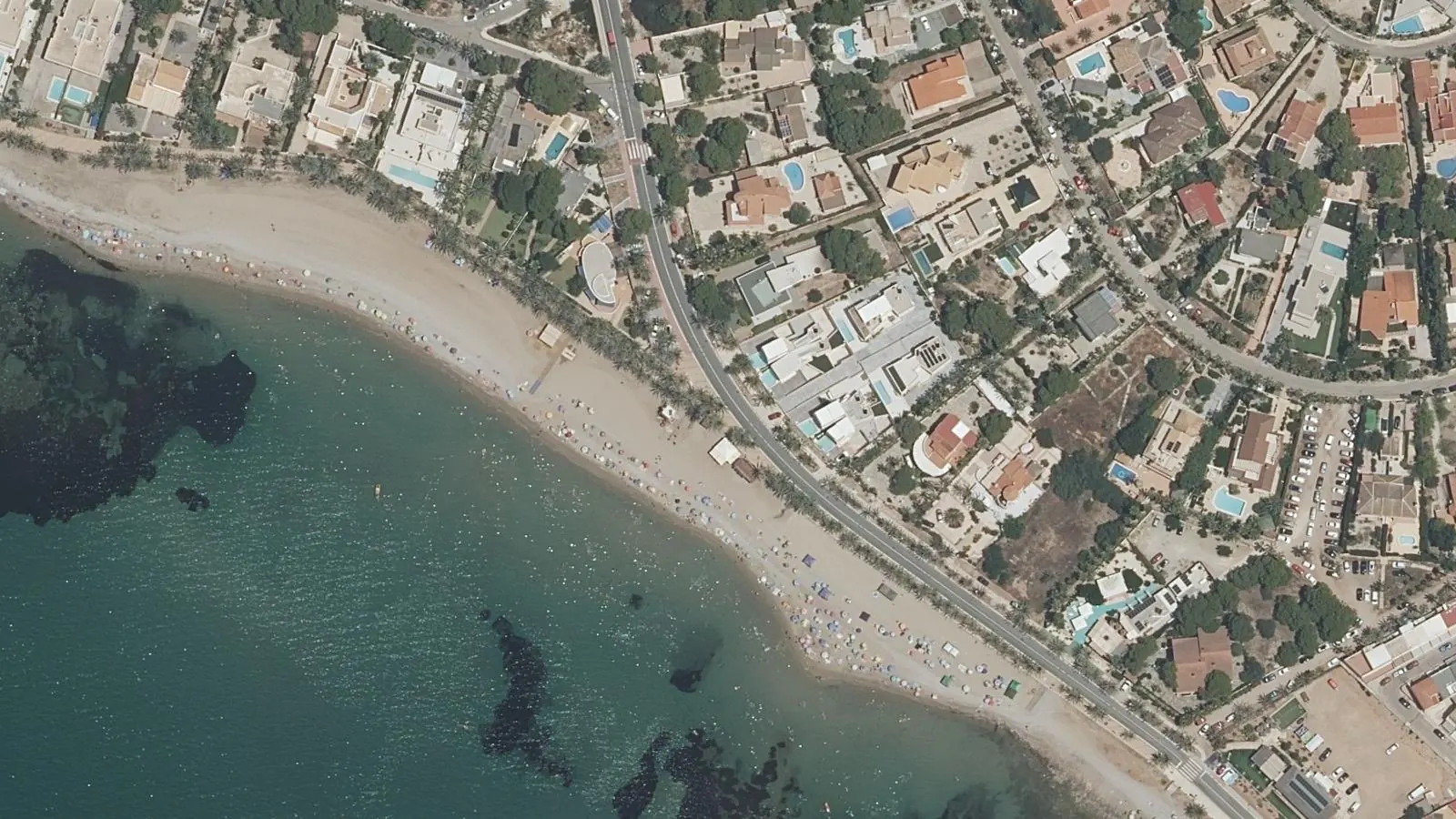
Gross Sand is an urban beach with sports facilities, car rentals, and nearby accommodation. The beach sits in a cove west of Monteblanco in La Manga, surrounded by vegetation.
Quick Overview
Plan Your Visit to San Ginés
The key facts before you go
About the Beach
What is San Ginés?
San Gines is an urban family beach located in Cartagena, in the Region of Murcia, southern Spain. This sandy cove sits on the western side of La Manga, sheltered by surrounding vegetation and facing south. The beach benefits from excellent bathing water quality and lifeguard coverage during peak season. San Gines serves the local community and visiting families with rental facilities, accommodation nearby, and a selection of beach bars. The beach's proximity to significant natural sites, including the Mar Menor lagoon, Calblanque Regional Park, and the Islands and Ants Marine Reserve, makes it a practical base for exploring the region's protected landscapes and wildlife.
It sits alongside Blue Flag beaches in Region of Murcia, part of a broader network of Blue Flag certified beaches across Spain certified annually by the Foundation for Environmental Education.
Visitor Feedback
What Visitors Say About San Ginés
What visitors appreciate
- beach bars|few algae|paradisiacal place|fine sand beach|sand and stones|few sandy areas|foot showers|seagrass|place to bathe|family beach
- Well-staffed with lifeguards during season
- Excellent EU-rated bathing water quality
Points to consider
- Can be busy during July and August peak season
- Facilities may be reduced outside peak months
Based on aggregated public visitor feedback. Themes are synthesised from multiple sources, not individual quotes. Zeach does not reproduce individual reviews.
Sunrise, Sunset & Beach Direction
San Ginés faces south toward Mediterranean Sea. The best light for photography and swimming is typically in June. Direct sun hours follow that facing.
Planning
When to Go: Month by Month
| Month | Air Temp | Water Temp | Crowds |
|---|---|---|---|
| Jan | 11°C | 8°C | Low |
| Feb | 13°C | 10°C | Low |
| Mar | 14°C | 11°C | Low |
| Apr | 16°C | 13°C | Low |
| May | 20°C | 17°C | Low |
| Jun | 23°C | 20°C | Med |
| Jul | 26°C | 23°C | High |
| Aug | 27°C | 24°C | High |
| Sep | 24°C | 21°C | Med |
| Oct | 20°C | 17°C | Low |
| Nov | 16°C | 13°C | Low |
| Dec | 13°C | 10°C | Low |
The best time to visit San Ginés is June. Air temperatures peak around 25.9°C in summer. Peak water temperature reaches 22.9°C in July.
How crowded does San Ginés get?San Gines operates as a local family beach serving the Cartagena area. The urban location means foot traffic varies with season and time of day rather than following a pure tourist pattern. Summer weekends and July-August typically see higher numbers, especially when air temperatures exceed 25°C. The lifeguards present during swimming season provide supervision. Family groups dominate the user base, reflected in the beach's official classification and the availability of family-oriented facilities. The cove's vegetation-bordered setting creates natural separation from adjacent areas, which helps contain crowds within the defined beach space. Beach bars attract informal gatherings, particularly during midday and early evening hours. The proximity to accommodation and rental services suggests regular repeat visitors and families planning multi-day stays rather than day-trippers. Winter months see substantially reduced numbers, offering quieter swimming and walking opportunities for those who tolerate cooler water temperatures (9-10°C).
Is San Ginés open year-round?The beach itself is accessible year-round, though staffed facilities including lifeguards typically operate only during the official season (01-06 – 30-09). The Blue Flag is displayed during the certification period only.
The Water
Swimming and Beach Life at San Ginés
Is San Ginés safe to swim?San Ginés is Blue Flag certified, which requires meeting strict bathing water standards set by the EU Bathing Water Directive. Water quality is rated Excellent. Lifeguards are on duty during the official season.
What is the water temperature at San Ginés?Peak water temperature at San Ginés reaches around 22.9°C in July, making it comfortable for swimming during the summer months. In winter (January), air temperatures average 11.4°C.
What is the beach like at San Ginés?San Gines is a working urban beach with a straightforward character. The sand is coarse and mixed with some stony areas, typical of this section of the Murcia coast. You'll find patches of fine sand alongside sections with seagrass, which is natural for a Mediterranean beach and indicates healthy marine growth. The beach has foot showers available for rinsing off before and after swimming. The south-facing orientation provides good sun exposure throughout the day. Visitor reviews mention minimal algae presence, though seasonal variation is normal. The beach is framed by vegetation, creating a defined cove rather than an open expanse. Sports installations are available on-site, supporting activities beyond basic swimming. The urban setting means you're never far from services, beach bars operate along the shore, and rental facilities handle equipment needs. Water quality testing confirms excellent standards, maintained through regular monitoring. The beach floor slopes gradually, making entry straightforward for swimmers of varying experience. Winter temperatures drop significantly (averaging 8.4°C in January), but summer months bring warm water suitable for extended swimming sessions.
Does San Ginés have good facilities?As a Blue Flag certified beach, San Ginés meets the Foundation for Environmental Education's standards for facilities and services. Trained lifeguards are on duty during the season. Parking is available nearby. The beach has disabled access facilities.
San Ginés sits on the Mediterranean Sea: explore all Blue Flag beaches on the Mediterranean.
Planning a trip to Spain? Blue Flag Beaches Spain 2026 , our editorial guide to certified beaches across the country.
While You're Here
Beyond San Ginés
The Mar Menor lagoon, immediately adjacent to San Gines, is a protected landscape of significant ecological importance. This shallow lagoon supports diverse bird populations and specialized plant communities, making it valuable for birdwatching and nature observation. The fartet, an endangered fish species native to the region, inhabits these waters. Calblanque Regional Park lies within day-trip distance, offering coastal landscapes and hiking opportunities. The Islands and Ants Marine Reserve protects the underwater environment around small islands offshore. Cartagena itself, a city with substantial historical heritage, lies just 10 km away and provides restaurants, cultural sites, and accommodation options. The urban beach setting means shops, bars, and rental services are immediately accessible without requiring separate travel.
Transport
Getting to San Ginés
How do I get to San Ginés by car?San Ginés is approximately 17.75 km from Cartagena. Follow local road signs to the beach. Check Google Maps or a local map for the most current directions.
What is the nearest airport to San Ginés?The nearest airport is Alicante-Elche Airport (ALC), approximately 96.8 km away. Alicante-Elche Airport (ALC) is the nearest major airport, located 96.8 km northwest of San Gines. Journey time by car is approximately 1.5 hours via the main highways connecting the airport to Cartagena. Rental car services operate from the airport, providing flexibility for reaching the beach and exploring surrounding coastal areas. The coastal route follows established road networks with clear signage for beach access. Direct shuttle services between Alicante and Cartagena exist but require onward local transport to reach San Gines specifically. During summer peak season, advance booking of rental vehicles is advisable.
Can I get to San Ginés by public transport?Bus services operate between Cartagena and surrounding coastal areas. From Cartagena town center, local routes provide access to San Gines. National Road 332, the main highway crossing Cartagena, has marked placards indicating all local beaches. Journey time from central Cartagena is typically under 20 minutes depending on the specific route and stops. Timetables vary seasonally. The nearest recorded bus stop is 252 m from the beach.
Is there a train to San Ginés?San Ginés lists Cartagena Plaza Bastarreche as the nearest railway station, 18.26 km away. Check current timetables before travelling.
Map
Find San Ginés
Open the map or get directions to the San Ginés pin. Amenity names are listed here only when OpenStreetMap has a mapped feature nearby.
Map loads when you ask. Tiles stay off the first paint.
Map: OpenStreetMap (ODbL)
Practical Details
Practical Information
| At the Beach | |
| Entry | Free: no charge to access the beach |
|---|---|
| Lifeguards | ✓ On duty during official season |
| Disabled Access | ✓ Accessible site facilities and water entry |
| Showers | ✗ |
| Toilets | ✗ |
| Official Season | 01 Jun – 30 Sep |
| Beach Type | Sandy beach |
| Parking | ✓ Available nearby (surface parking) |
| Nearest supermarket | 650 m from the beach |
| Nearest bus stop | 252 m from the beach |
| Visiting Information | |
| GPS Coordinates | 37.5661°N, 1.1790°W |
| Water Quality | Excellent (EU Bathing Water Directive) |
| Blue Flag Operator | Foundation for Environmental Education (FEE), Spain |
Frequently Asked Questions
San Ginés FAQ
Is San Gines worth visiting?
Yes, particularly if you're based in Cartagena or the wider Region of Murcia and want a family-oriented beach with reliable facilities and good water quality. It serves local needs effectively rather than functioning as a destination beach. The proximity to protected natural sites (Mar Menor lagoon, Calblanque Park) adds genuine value beyond beach swimming. Summer months offer warm water, while winter swimmers should expect cooler conditions (around 9°C). The urban location means convenience trades off against quietness.
How do I get to San Gines?
By car: From Alicante Airport (96.8 km away), follow National Road 332 into Cartagena; placards mark beach access routes. Journey time is approximately 1.5 hours. By bus: Local services operate from Cartagena town center with journey times under 20 minutes. Rental cars are available at the airport. The main road (N-332) clearly signals all local beaches, including San Gines. Advance booking is recommended during summer peak season.
Best time of year to visit San Gines?
July and August offer the warmest water (23-23.5°C) and air temperatures around 25-26°C, ideal for swimming. May through September provides water temperatures above 16°C, suitable for regular swimmers. June brings warmer conditions (20.3°C water) with less summer congestion than peak July-August. Winter temperatures (8-10°C) suit only experienced swimmers. Spring and autumn offer moderate temperatures and quieter beaches, though water remains relatively cool outside summer.
What facilities are available at San Gines?
The beach provides lifeguards during the swimming season, foot showers for rinsing, and sports installations on-site. Beach bars operate along the shore. Rental services are available for equipment. Nearby accommodation options and shops support longer stays. The urban location means restaurants and services in Cartagena (10 km away) are easily accessible. Water quality is regularly monitored and rated as excellent. Public parking areas typically serve the beach, though summer congestion may require early arrival.
Is San Gines suitable for families?
Yes, it is specifically classified as a family beach. Lifeguards provide supervision, foot showers assist with hygiene, and the gradual slope makes water entry safe for younger swimmers. Beach bars create informal gathering spaces, and accommodation is available nearby for extended stays. Sports installations provide activity options beyond swimming. The vegetation-bordered cove offers defined boundaries. Coarse sand and some stony areas require footwear consideration. Summer water temperatures (23.5°C) are comfortable for children. The urban setting provides accessible backup facilities if needed.
Explore More
Nearby Blue Flag Beaches
Editorial
From the Zeach Blog
Everything you need to know about what makes a beach qualify for Blue Flag status, from water quality to environmental education.
Read moreOur editorial team's pick of the standout Blue Flag beaches in Spain, rated for family friendliness, scenery, and facilities.
Explore SpainWhat the flag actually means, how certification works, and why a Blue Flag is a genuinely reliable signal, not just a marketing tool.
Read moreSources
- Foundation for Environmental Education: Blue Flag programme
- FEE site listing for San Ginés
- ADEAC (Asociación de Educación Ambiental y del Consumidor)
- European Environment Agency: bathing water quality
Last verified September 2026. National operator pages and FEE listings are the primary certification sources.