Sa Coma
Balearic Islands, Spain: Excellent water quality
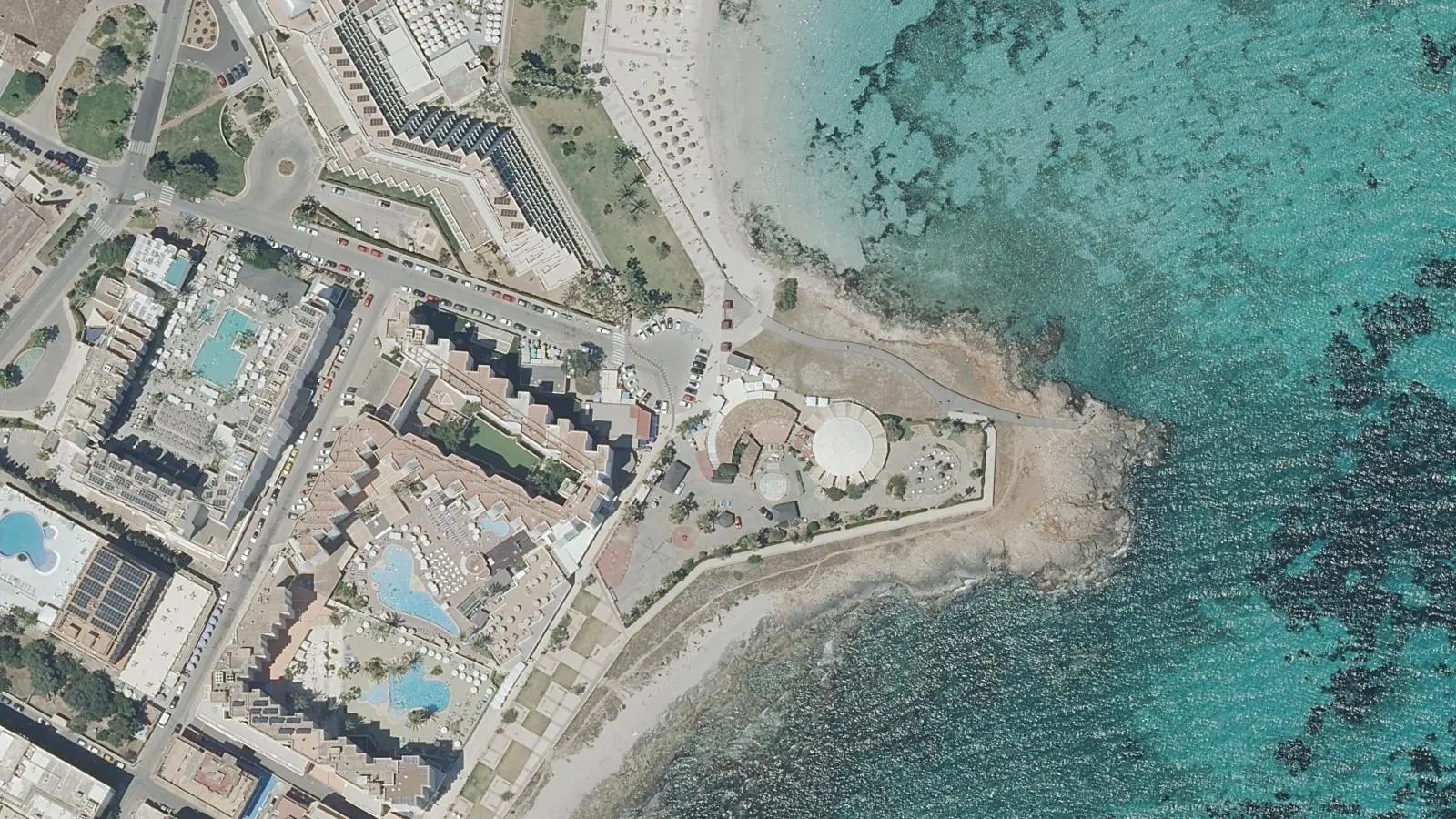
Urban Beach. Rental car, accommodation. Near natural sites: yes. Punta Amer covers 200 hectares between Cala Millor and Sa Coma on Mallorca's northeast coast. To reach it from Palma, take the motorway toward Manacor, then head to Porto Cristo and follow signs for Son Servera.…
Quick Overview
Plan Your Visit to Sa Coma
The key facts before you go
About the Beach
What is Sa Coma?
Sa Coma is an urban beach on Mallorca's north-east coast, located near Sant Llorenç des Cardassar. The beach sits between the larger resort of Cala Millor and the natural protected area of Punta Amer, offering a balance of accessibility and proximity to quieter spaces. With excellent bathing water quality and lifeguards on duty, it's a straightforward choice for swimmers. The beach features soft golden sand, palm trees, and a promenade with bars and rental facilities. Water temperatures peak in August at 23.3°C, making July and August the primary swimming season. The west-facing orientation means you'll get afternoon and evening light. Local knowledge: expect a mix of tourists and day-trippers, particularly during peak summer months.
It sits alongside Blue Flag beaches in Balearic Islands, part of a broader network of Blue Flag certified beaches across Spain certified annually by the Foundation for Environmental Education.
Visitor Feedback
What Visitors Say About Sa Coma
What visitors appreciate
- umbrellas|algae|beach bars|sunbeds|promenade|small waves|hammocks|palm trees|gradual entry into the sea|soft golden sand
- Well-staffed with lifeguards during season
- Excellent EU-rated bathing water quality
Points to consider
- Can be busy during July and August peak season
- Facilities may be reduced outside peak months
Based on aggregated public visitor feedback. Themes are synthesised from multiple sources, not individual quotes. Zeach does not reproduce individual reviews.
Sunrise, Sunset & Beach Direction
Sa Coma faces west toward Mediterranean Sea. The best light for photography and swimming is typically in May, June. Direct sun hours follow that facing.
Planning
When to Go: Month by Month
| Month | Air Temp | Water Temp | Crowds |
|---|---|---|---|
| Jan | 12°C | 9°C | Low |
| Feb | 13°C | 10°C | Low |
| Mar | 13°C | 10°C | Low |
| Apr | 15°C | 12°C | Low |
| May | 19°C | 16°C | Med |
| Jun | 23°C | 20°C | High |
| Jul | 26°C | 23°C | High |
| Aug | 26°C | 23°C | High |
| Sep | 24°C | 21°C | High |
| Oct | 20°C | 17°C | Med |
| Nov | 16°C | 13°C | Low |
| Dec | 14°C | 11°C | Low |
The best time to visit Sa Coma is May, June. Air temperatures peak around 25.9°C in summer. Peak water temperature reaches 22.9°C in July.
How crowded does Sa Coma get?Sa Coma operates as a busy urban beach during July and August when water temperatures peak at 22.9–23.3°C and school holidays drive visitor numbers. You'll encounter a mixed crowd: package tourists from nearby accommodation, day-trippers from Palma, and families utilizing the gradual entry and lifeguard presence. The promenade hosts multiple beach bars and rental stalls, creating a social atmosphere that's lively but not overwhelming compared to major Mallorca resort beaches. Sunbed and umbrella rentals indicate high occupancy during peak season, expect the beach to be busy by mid-morning. Shoulder seasons (May–June, September–October) see fewer crowds while water remains swimmable: May reaches 15.7°C, June 20°C, September 20.8°C. Outside July–August, you'll have more space and quieter beach bar service. Winter months (November–February) see minimal tourist activity due to air temperatures ranging 11.8–12.9°C and water temperatures below 10.5°C. Local knowledge: arrive early in summer if you want beach space; consider visiting in June or September for comfortable conditions with fewer people.
Is Sa Coma open year-round?The beach itself is accessible year-round, though staffed facilities including lifeguards typically operate only during the official season (01-05 – 31-10). The Blue Flag is displayed during the certification period only.
The Water
Swimming and Beach Life at Sa Coma
Is Sa Coma safe to swim?Sa Coma is Blue Flag certified, which requires meeting strict bathing water standards set by the EU Bathing Water Directive. Water quality is rated Excellent. Lifeguards are on duty during the official season.
What is the water temperature at Sa Coma?Peak water temperature at Sa Coma reaches around 22.9°C in July, making it comfortable for swimming during the summer months. In winter (January), air temperatures average 11.8°C.
What is the beach like at Sa Coma?Sa Coma presents as a traditional Mediterranean beach with gradual entry into the sea, important if you're testing water conditions or bringing young swimmers. The sand is soft and golden, backed by palm trees that provide some natural shade. The promenade runs along the beach with several beach bars and service points. You'll find umbrellas and sunbeds available for rent, along with hammocks in some sections. The beach faces west, so afternoon and evening sun dominates, plan your morning swims or shade-seeking accordingly. Google reviews consistently mention small waves, which align with the beach's surf tag, though don't expect significant swell here regularly. The gradual gradient makes it accessible for wading, though swimmers should note the water temperature varies dramatically by season. January averages just 8.8°C; by August it reaches 23.3°C. The beach's bathing water quality is rated excellent, which reflects consistent monitoring and management. Algae presence has been noted in reviews, though this isn't unusual for Mediterranean beaches and typically seasonal. The promenade infrastructure means facilities are centralized, you won't be walking far for essentials. The beach itself is compact compared to larger Mallorca resorts, which means it fills quickly during peak summer but remains manageable in shoulder seasons.
Does Sa Coma have good facilities?As a Blue Flag certified beach, Sa Coma meets the Foundation for Environmental Education's standards for facilities and services. Trained lifeguards are on duty during the season. Toilet facilities are on site. Parking is available nearby. The beach has disabled access facilities.
Sa Coma sits on the Mediterranean Sea: explore all Blue Flag beaches on the Mediterranean.
Planning a trip to Spain? Blue Flag Beaches Spain 2026 , our editorial guide to certified beaches across the country.
While You're Here
Beyond Sa Coma
Punta Amer is the major natural site adjacent to Sa Coma, a 200-hectare protected area situated directly between Cala Millor and Sa Coma itself. This makes it an immediate extension to your beach visit; you can explore the natural landscape without significant travel. The pine forests and rocky sections of Punta Amer offer walking trails and views of the coastline that contrast with the developed beach environment. Cala Millor, just west of Sa Coma, is a larger resort if you want additional facilities, bars, and shops without driving far. Porto Cristo, inland towards Manacor, is accessible by the same route you used to reach Sa Coma and offers access to the Coves del Drach, substantial limestone caves open to tourists. Son Servera, the reference point in driving directions, is a small town with local restaurants and markets. The region itself is part of the eastern Mallorca interior, characterized by modest towns and agricultural land rather than major attractions. Day-trip potential exists but requires car use for any meaningful exploration beyond Punta Amer and immediate surroundings.
Transport
Getting to Sa Coma
How do I get to Sa Coma by car?Sa Coma is approximately 8.92 km from Sant Llorenç des Cardassar. Follow local road signs to the beach. Check Google Maps or a local map for the most current directions.
What is the nearest airport to Sa Coma?The nearest airport is Palma De Mallorca Airport (PMI) (OPO), approximately 54.6 km away. Palma de Mallorca Airport (PMI) is 54.6 km from Sa Coma. The airport code listed is OPO, though this appears to be a data entry inconsistency. PMI is the correct code for Palma. From the airport, rent a car and take the motorway towards Manacor. Follow signs to Porto Cristo, then head towards Son Servera. About 5 km beyond Son Servera, a marked turn-off leads to Sa Coma. The drive takes approximately 50–60 minutes depending on traffic and your starting point within the airport complex. Car rental is essential for this route; there's no direct public transport from the airport to Sa Coma.
Can I get to Sa Coma by public transport?Public transport options vary by season. Check local transport authority websites for current bus and train schedules connecting to Sant Llorenç des Cardassar. The nearest recorded bus stop is 14 m from the beach.
Is there a train to Sa Coma?Sa Coma lists Manacor as the nearest railway station, 14.79 km away. Check current timetables before travelling.
Map
Find Sa Coma
Open the map or get directions to the Sa Coma pin. Amenity names are listed here only when OpenStreetMap has a mapped feature nearby.
Map loads when you ask. Tiles stay off the first paint.
Map: OpenStreetMap (ODbL)
Practical Details
Practical Information
| At the Beach | |
| Entry | Free: no charge to access the beach |
|---|---|
| Lifeguards | ✓ On duty during official season |
| Disabled Access | ✓ Accessible site facilities and water entry |
| Showers | ✗ |
| Toilets | ✓ Available during season |
| Official Season | 01 May – 31 Oct |
| Beach Type | Sandy beach |
| Sand | Golden / yellow sand |
| Parking | ✓ Available nearby (surface parking) |
| Nearest supermarket | 10 m from the beach |
| Nearest bus stop | 14 m from the beach |
| Visiting Information | |
| GPS Coordinates | 39.5704°N, 3.3754°E |
| Water Quality | Excellent (EU Bathing Water Directive) |
| Blue Flag Operator | Foundation for Environmental Education (FEE), Spain |
Frequently Asked Questions
Sa Coma FAQ
Is Sa Coma worth visiting?
Sa Coma suits visitors seeking a managed urban beach with clear infrastructure. Excellent bathing water quality and lifeguard presence make it reliable for swimming, especially July–August when water reaches 22.9–23.3°C. The gradual entry and soft sand work well for families. If you prefer less crowded beaches or are visiting November–February, consider other Mallorca options; water temperatures drop to 8.8–10.6°C and tourist facilities reduce. Proximity to Punta Amer nature reserve adds value if you want coastal scenery beyond the beach itself.
How do I get to Sa Coma?
From Palma de Mallorca Airport (PMI), 54.6 km away, rent a car, it's the only practical option. Take the motorway towards Manacor, then follow signs to Porto Cristo and Son Servera. About 5 km past Son Servera, turn off toward Sa Coma. Total drive time is roughly 50–60 minutes. If staying in Palma, the same route applies. Public transport to Sa Coma is minimal; a car gives you flexibility to explore beyond the beach.
What is the best time of year to visit Sa Coma?
July and August offer peak swimming conditions with water temperatures at 22.9–23.3°C and air temperatures around 25.9–26.3°C. However, crowds are heaviest during this period. June and September provide good swimming (water at 20°C and 20.8°C respectively) with fewer visitors. May (15.7°C water) and October (17.1°C) suit hardy swimmers and those avoiding crowds. Winter (November–February) sees water temperatures below 10.6°C and minimal tourism; only visit if cold-water swimming appeals to you.
What facilities are there at Sa Coma?
The beach offers lifeguards, a promenade with multiple beach bars, and rental services for umbrellas and sunbeds. Hammocks are available in some sections. Accommodation and car rental options exist in the area, the beach description lists these as available services. The gentle gradient and soft sand indicate family-oriented infrastructure. No information is available regarding restrooms, showers, or changing facilities specifically; assume standard urban beach amenities exist but verify before your visit.
Is Sa Coma suitable for families?
Yes, particularly during July–August when water temperatures are warmest and lifeguards are present. The gradual entry into the sea and soft golden sand accommodate young swimmers and wading. Sunbeds, umbrellas, and beach bars mean you can settle comfortably for the day. The promenade provides easy access to services. Dog-friendliness status is unknown, so check locally if that's relevant. Crowds during peak season mean less personal space, so consider visiting in June or September for a more relaxed family experience with still-warm water.
Explore More
Nearby Blue Flag Beaches
Editorial
From the Zeach Blog
Everything you need to know about what makes a beach qualify for Blue Flag status, from water quality to environmental education.
Read moreOur editorial team's pick of the standout Blue Flag beaches in Spain, rated for family friendliness, scenery, and facilities.
Explore SpainWhat the flag actually means, how certification works, and why a Blue Flag is a genuinely reliable signal, not just a marketing tool.
Read moreSources
- Foundation for Environmental Education: Blue Flag programme
- FEE site listing for Sa Coma
- ADEAC (Asociación de Educación Ambiental y del Consumidor)
- European Environment Agency: bathing water quality
Last verified September 2026. National operator pages and FEE listings are the primary certification sources.