Rodiles
Asturias, Spain: Excellent water quality
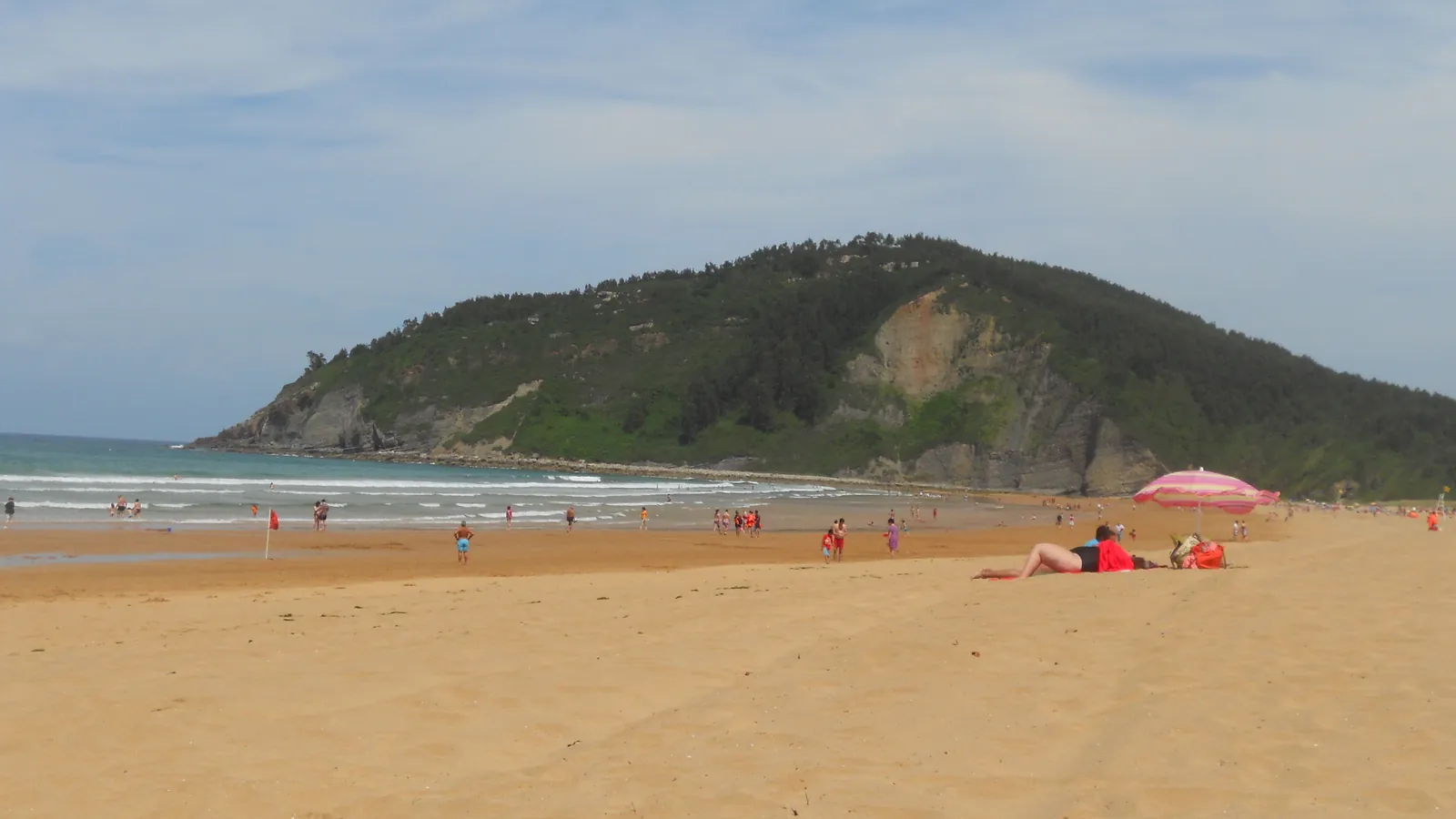
Fine sand beach in a rural setting at the right edge of the Villaviciosa estuary mouth. The beach has sports facilities, accommodation, and handicap access.
Quick Overview
Plan Your Visit to Rodiles
The key facts before you go
About the Beach
What is Rodiles?
Rodiles is a rural beach in Asturias, northern Spain, positioned at the mouth of the Villaviciosa estuary. Known for its fine, golden sand and reliable surf conditions, it holds Blue Flag status and maintains excellent bathing water quality year-round. The beach stretches generously along the estuary's right edge, backed by eucalyptus groves and accessible from the N-632 road heading towards Santander. With lifeguard coverage, sports facilities, and a beach bar on-site, Rodiles attracts both experienced surfers and families seeking a quieter coastal break away from overcrowded tourist beaches.
It sits alongside Blue Flag beaches in Asturias, part of a broader network of Blue Flag certified beaches across Spain certified annually by the Foundation for Environmental Education.
Visitor Feedback
What Visitors Say About Rodiles
What visitors appreciate
- eucalyptus forest|large beach|surfing|picnic area|beach bar|fine sand|estuary|grove|blue flag|golden sand
- Well-staffed with lifeguards during season
- Excellent EU-rated bathing water quality
Points to consider
- Can be busy during July and August peak season
- Facilities may be reduced outside peak months
Based on aggregated public visitor feedback. Themes are synthesised from multiple sources, not individual quotes. Zeach does not reproduce individual reviews.
Sunrise, Sunset & Beach Direction
Rodiles faces south toward Atlantic Ocean. The best light for photography and swimming is typically in June. Direct sun hours follow that facing.
Planning
When to Go: Month by Month
| Month | Air Temp | Water Temp | Crowds |
|---|---|---|---|
| Jan | 9°C | 6°C | Low |
| Feb | 11°C | 8°C | Low |
| Mar | 11°C | 8°C | Low |
| Apr | 12°C | 9°C | Low |
| May | 15°C | 12°C | Low |
| Jun | 18°C | 15°C | Med |
| Jul | 20°C | 17°C | High |
| Aug | 20°C | 17°C | High |
| Sep | 19°C | 16°C | Med |
| Oct | 16°C | 13°C | Low |
| Nov | 12°C | 9°C | Low |
| Dec | 11°C | 8°C | Low |
The best time to visit Rodiles is June. Air temperatures peak around 19.7°C in summer. Peak water temperature reaches 16.7°C in July.
How crowded does Rodiles get?Rodiles attracts a mixed crowd reflecting its dual appeal as both a serious surf destination and a family beach. During summer weekends, you'll find families occupying the central beach areas, drawn by the sheltered estuary location and fine sand. Weekday mornings tend to be quieter, particularly outside school holiday periods. Surfers concentrate on specific zones where wave conditions are optimal, typically the areas closer to the estuary mouth. The beach's rural setting and lack of major commercial attractions help distribute crowds more evenly than urban beaches. Winter months bring dedicated surfers in wetsuits but see minimal family visitors due to cold air and water temperatures. Spring and early autumn represent sweet spots, warmer water than winter, fewer crowds than peak summer, and consistent Atlantic swells. The eucalyptus grove provides natural gathering points for picnickers and groups seeking shade. Parking capacity appears adequate for most conditions, though summer Saturdays can fill sections during afternoon hours. The beach maintains a notably local atmosphere, with many regular visitors rather than passing tourists.
Is Rodiles open year-round?The beach itself is accessible year-round, though staffed facilities including lifeguards typically operate only during the official season (20-06 – 20-09). The Blue Flag is displayed during the certification period only.
The Water
Swimming and Beach Life at Rodiles
Is Rodiles safe to swim?Rodiles is Blue Flag certified, which requires meeting strict bathing water standards set by the EU Bathing Water Directive. Water quality is rated Excellent. Lifeguards are on duty during the official season.
What is the water temperature at Rodiles?Peak water temperature at Rodiles reaches around 16.7°C in July, making it comfortable for swimming during the summer months. In winter (January), air temperatures average 9.4°C.
What is the beach like at Rodiles?Rodiles spans a substantial length of fine, golden sand that shifts subtly with seasonal tidal patterns. The beach sits at the confluence where the Villaviciosa estuary meets the Atlantic, creating distinct water dynamics that attract surfers throughout the year. The sand is compact and suitable for walking, with the estuary mouth providing interesting geological features visible at lower tides. The eucalyptus grove fringing the beach offers natural shelter from Atlantic winds, and the vegetation creates a distinctive aromatic character you'll notice immediately upon arrival. Water clarity varies with tidal cycles and seasonal runoff, but bathing water quality consistently rates as excellent. The beach faces south, providing some afternoon sun protection during winter months. Sports facilities include basic amenities for water activities, with designated areas for different user types. The beach bar operates during peak seasons and weekends, offering straightforward refreshments rather than elaborate dining. Facilities extend to handicap access, making the beach accessible to visitors with mobility requirements. The rural setting means fewer commercial developments compared to nearby beaches, there's no promenade lined with shops or restaurants, which maintains the beach's quieter character. Parking is available near the beach access points. Wave conditions vary considerably; autumn and winter typically bring larger swells suitable for intermediate to advanced surfers, while summer months offer gentler conditions. The estuary setting means swimmers should be aware of tidal currents, particularly near the mouth itself.
Does Rodiles have good facilities?As a Blue Flag certified beach, Rodiles meets the Foundation for Environmental Education's standards for facilities and services. Trained lifeguards are on duty during the season. Showers are available. Toilet facilities are on site. Parking is available nearby. The beach has disabled access facilities.
Rodiles sits on the Atlantic Ocean: explore all Blue Flag beaches on the Atlantic.
Planning a trip to Spain? Blue Flag Beaches Spain 2026 , our editorial guide to certified beaches across the country.
While You're Here
Beyond Rodiles
Villaviciosa itself warrants exploration, the historic town center contains traditional Asturian architecture and local cider houses (sidrerías) where you can sample the region's famous natural cider. The estuary environment supports walking routes along both shores, offering opportunities to observe wading birds and estuary ecology. The broader Asturian coast within 30 km includes other notable beaches and fishing villages. Nearby eucalyptus plantations reflect the region's forestry heritage. Local accommodation ranges from rural guesthouses to apartment rentals. The area's gastronomic reputation extends beyond cider to include Asturian cheeses, seafood, and traditional bean stews (fabada asturiana). The Picos de Europa mountains lie inland, accessible for day trips combining coastal and mountain scenery within a broader Asturias itinerary.
Transport
Getting to Rodiles
How do I get to Rodiles by car?Rodiles is approximately 7.25 km from Villaviciosa. Follow local road signs to the beach. Check Google Maps or a local map for the most current directions.
What is the nearest airport to Rodiles?The nearest airport is Asturias Airport (OVD) (OVD), approximately 52.8 km away. Asturias Airport (OVD) lies 52.8 km from Rodiles, approximately 55 minutes by car via the N-632 road. The airport receives flights from major European cities and Madrid. Car rental is the most practical option for reaching the beach, giving you flexibility for exploring the broader Asturian coastline. The drive follows straightforward routes without complex navigation. Alternatively, airport shuttle services operate to Villaviciosa (the nearest town), from where local transport or taxis can complete the journey. During summer, direct bus services between the airport and coastal towns may operate, confirm current schedules before travel.
Can I get to Rodiles by public transport?Villaviciosa town, 5 km from Rodiles, has local bus connections to surrounding areas. Bus schedules are limited outside peak tourist season, so check current timetables with local transport authorities before planning your visit. Summer services are more frequent than winter. The bus journey from Villaviciosa to the beach typically takes 15-20 minutes. The nearest recorded bus stop is 1.2 km from the beach.
Map
Find Rodiles
Open the map or get directions to the Rodiles pin. Amenity names are listed here only when OpenStreetMap has a mapped feature nearby.
Map loads when you ask. Tiles stay off the first paint.
Map: OpenStreetMap (ODbL)
Practical Details
Practical Information
| At the Beach | |
| Entry | Free: no charge to access the beach |
|---|---|
| Lifeguards | ✓ On duty during official season |
| Disabled Access | ✓ Accessible site facilities and water entry |
| Showers | ✓ Available during season |
| Toilets | ✓ Available during season |
| Official Season | 20 Jun – 20 Sep |
| Beach Type | Sandy beach |
| Sand | Golden / yellow sand |
| Parking | ✓ Available nearby (surface parking) |
| Nearest bus stop | 1.2 km from the beach |
| Visiting Information | |
| GPS Coordinates | 43.5338°N, 5.3811°W |
| Water Quality | Excellent (EU Bathing Water Directive) |
| Blue Flag Operator | Foundation for Environmental Education (FEE), Spain |
Frequently Asked Questions
Rodiles FAQ
Is Rodiles worth visiting?
Yes, particularly if you surf or seek a quieter beach experience. The combination of excellent bathing water quality, reliable wave conditions, fine sand, and rural setting makes it worthwhile. It's less crowded than many Spanish coastal destinations while maintaining full facilities. The estuary location and eucalyptus backdrop offer distinctive character. It works well as both a dedicated surf trip destination and a family beach break, though expectations should reflect its rural nature rather than resort amenities.
How do I get to Rodiles?
The most practical approach is flying into Asturias Airport (52.8 km away) and renting a car, then driving via the N-632 road towards Santander, journey time approximately 55 minutes. Villaviciosa town is 5 km away and has limited local bus connections to the beach. The beach is accessed from the N-632 heading towards Santander, with parking available near beach access points. Summer shuttle services may connect the airport to Villaviciosa, but confirm schedules in advance.
Best time of year to visit Rodiles?
Spring (April-May) and early autumn (September-October) offer the best balance, water temperatures reach 12-16°C, air temperatures around 18-19°C, and crowds are lighter than peak summer. Summer (June-August) suits families with warmest conditions but peaks in visitors. Autumn and winter (September-February) bring the largest Atlantic swells for experienced surfers, though water drops to 6-9°C and air temperatures fall to single figures. Winter visitors should expect cold conditions and reduced services.
What facilities are there at Rodiles?
The beach provides lifeguard coverage, sports facilities, handicap access, and a beach bar. There's parking near access points. Accommodation options exist in Villaviciosa town, 5 km away, rather than directly on the beach. The rural setting means limited on-site commercial facilities, no beachfront hotels or restaurant complexes. Services concentrate on core beach necessities rather than extensive amenities. Winter months may see reduced bar opening hours.
Is Rodiles suitable for families?
Yes, with qualifications. The fine sand, sheltered estuary location, and lifeguard presence make it family-friendly during summer months (June-August) when water and air temperatures are warmest. Handicap facilities aid visitors with mobility needs. However, the rural setting offers fewer entertainment distractions than resort beaches. Winter visits require cold-weather tolerance. The estuary mouth presents tidal currents worth monitoring. Families benefit from the quieter atmosphere and picnic areas, particularly on weekdays outside peak summer.
Explore More
Nearby Blue Flag Beaches
Editorial
From the Zeach Blog
Everything you need to know about what makes a beach qualify for Blue Flag status, from water quality to environmental education.
Read moreOur editorial team's pick of the standout Blue Flag beaches in Spain, rated for family friendliness, scenery, and facilities.
Explore SpainWhat the flag actually means, how certification works, and why a Blue Flag is a genuinely reliable signal, not just a marketing tool.
Read moreSources
- Foundation for Environmental Education: Blue Flag programme
- FEE site listing for Rodiles
- ADEAC (Asociación de Educación Ambiental y del Consumidor)
- European Environment Agency: bathing water quality
Last verified September 2026. National operator pages and FEE listings are the primary certification sources.