Roca
Apulia, Italy: Excellent water quality
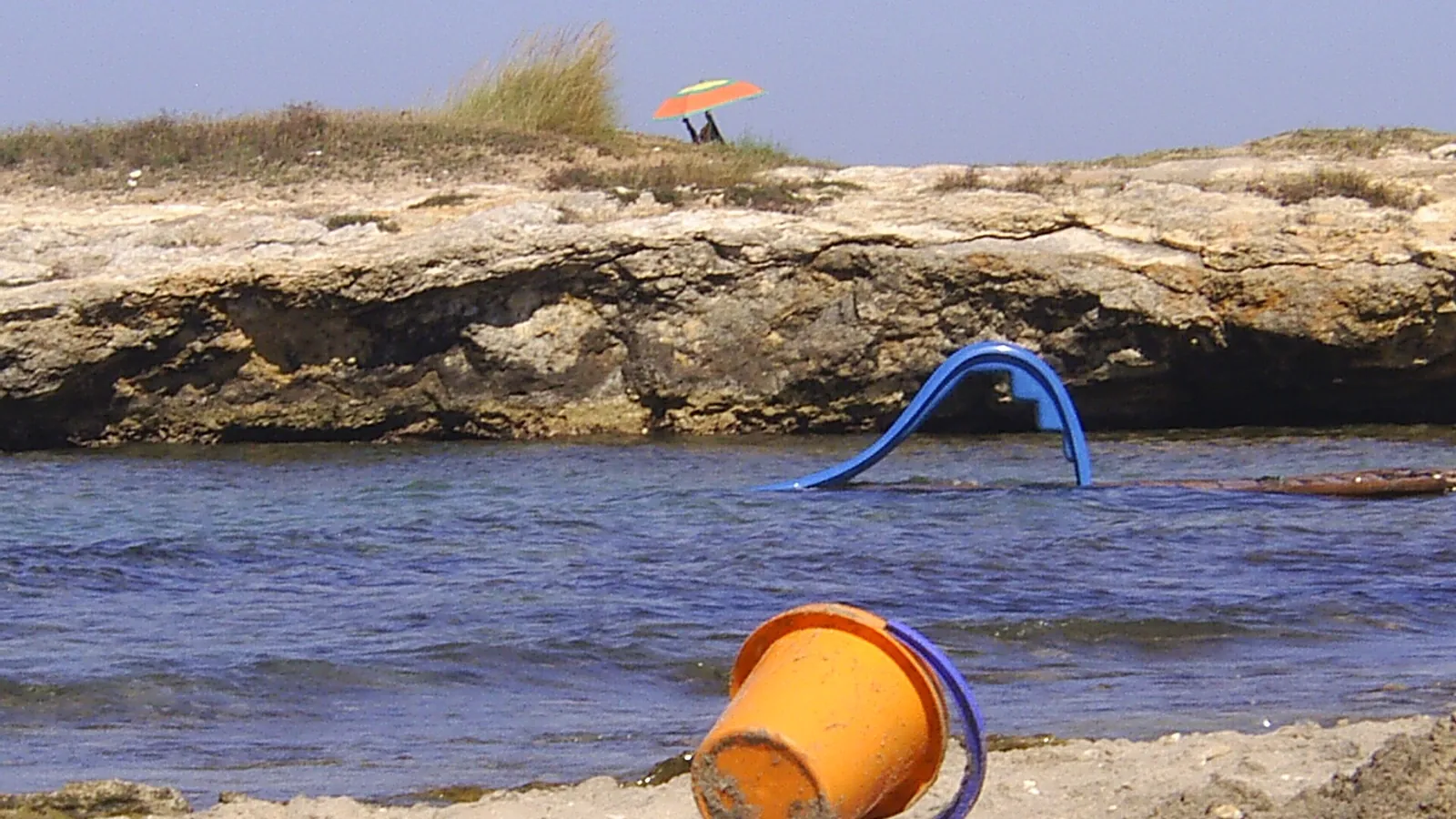
Urban sandy beach.
Quick Overview
Plan Your Visit to Roca
The key facts before you go
About the Beach
What is Roca?
Roca is an urban sandy beach located in Melendugno, in the Salento peninsula of Apulia. Situated on the eastern coast, this Blue Flag-certified beach has maintained its status since 2010, indicating consistent water quality and facility standards. The beach offers direct access from the town, making it a straightforward destination for those exploring the Adriatic side of southern Italy. Water temperatures range from 7°C in January to nearly 24°C in August, with the practical swimming season concentrated in the summer months.
It sits alongside certified beaches along Apulia, part of a broader network of certified beaches throughout Italy certified annually by the Foundation for Environmental Education.
Sunrise, Sunset & Beach Direction
Roca faces east toward Adriatic Sea. The best light for photography and swimming is typically in June. Direct sun hours follow that facing.
Planning
When to Go: Month by Month
| Month | Air Temp | Water Temp | Crowds |
|---|---|---|---|
| Jan | 10°C | 7°C | Low |
| Feb | 11°C | 8°C | Low |
| Mar | 12°C | 9°C | Low |
| Apr | 15°C | 12°C | Low |
| May | 19°C | 16°C | Low |
| Jun | 24°C | 21°C | Med |
| Jul | 27°C | 24°C | High |
| Aug | 27°C | 24°C | High |
| Sep | 23°C | 20°C | Med |
| Oct | 19°C | 16°C | Low |
| Nov | 16°C | 13°C | Low |
| Dec | 12°C | 9°C | Low |
The best time to visit Roca is June. Air temperatures peak around 26.5°C in summer. Peak water temperature reaches 23.5°C in July.
How crowded does Roca get?As an urban beach connected directly to Melendugno, Roca experiences predictable seasonal patterns. Peak activity concentrates in July and August when water temperatures reach their warmest (23.5°C and 23.9°C respectively) and air temperatures hover around 26°C. During these months, expect typical summer beach conditions, busier periods during weekends and Italian holiday weeks, quieter on weekdays. The lifeguard presence supports this seasonal concentration, as the service aligns with high-use periods. Spring and autumn bring noticeably lighter crowds. May reaches 15.8°C water temperature, swimmable for those with tolerance for cool water but insufficient to attract casual swimmers. September shows 20.3°C water, making it more feasible for swimming, yet still outside the peak season rush. Winter months from November through April show minimal beach activity. Water temperatures fall to single digits (7.0°C in January), effectively closing the swimming season for most visitors. The urban location shapes the crowd dynamic differently than remote beaches. Rather than day-trippers planning specifically for beach time, Roca serves residents and visitors already in Melendugno. This tends to stabilize crowds around core summer weeks rather than extending visitation throughout the year. The reliable Blue Flag status and lifeguard presence attract families during peak season, contributing to organized beach culture rather than sporadic use.
Is Roca open year-round?The beach itself is accessible year-round, though staffed facilities including lifeguards typically operate only during the official season (15-06 – 15-09). The Blue Flag is displayed during the certification period only.
The Water
Swimming and Beach Life at Roca
Is Roca safe to swim?Roca is Blue Flag certified, which requires meeting strict bathing water standards set by the EU Bathing Water Directive. Water quality is rated Excellent. Lifeguards are on duty during the official season.
What is the water temperature at Roca?Peak water temperature at Roca reaches around 23.5°C in July, making it comfortable for swimming during the summer months. In winter (January), air temperatures average 10°C.
What is the beach like at Roca?Roca faces east, catching morning light across the Adriatic. The sandy beach is backed by the urban infrastructure of Melendugno, distinguishing it from the more remote coastal stretches found elsewhere in Apulia. What defines Roca's character is its accessibility combined with reliable water quality, the Excellent bathing water rating is verified regularly, a key factor behind the continuous Blue Flag designation since 2010. The beach's orientation means conditions vary notably by season and time of day. Summer months bring water temperatures peaking at 23.9°C in August, making July and August the primary swimming window. Outside this period, water temperatures drop significantly. February sees just 8.4°C, May only 15.8°C. For swimmers uncomfortable in cold water, the brief peak season is essential planning. Air temperatures follow a similar pattern, with summer highs around 26.9°C in August and winter lows near 10°C in January. The sandy composition provides the standard appeal of this beach type, easy entry, comfortable walking, and suitable conditions for various water activities. Being urban, the beach integrates with town facilities rather than existing as an isolated natural feature. Lifeguards are present, adding a safety layer particularly valuable during the busier summer months. The Blue Flag status indicates managed facilities, regular water testing, and maintained safety standards. These certifications matter practically, they mean the beach has undergone documented inspection for infrastructure, water quality, and environmental management rather than relying on reputation alone.
Does Roca have good facilities?As a Blue Flag certified beach, Roca meets the Foundation for Environmental Education's standards for facilities and services. Trained lifeguards are on duty during the season. Parking is available nearby. The beach has disabled access facilities.
Roca sits on the Adriatic Sea: explore all Blue Flag beaches on the Adriatic.
Planning a trip to Italy? Blue Flag Beaches Italy 2026 , our editorial guide to certified beaches across the country.
While You're Here
Beyond Roca
Local Attraction
Transport
Getting to Roca
How do I get to Roca by car?Roca is approximately 7.45 km from Melendugno. Follow local road signs to the beach. Check Google Maps or a local map for the most current directions.
What is the nearest airport to Roca?The nearest airport is Lecce Airport (LCC) (OPO), approximately 25.0 km away. Lecce Airport (code OPO, officially Lecce Salentino) is located approximately 25 kilometers from Roca. From the airport, ground transport options include rental cars, which provide flexibility for exploring the broader Salento region, or prearranged shuttle services. The drive to Roca typically requires 30-45 minutes depending on traffic and specific routing through Melendugno. Lecce Airport handles flights from major Italian cities and select European hubs, though connections often involve routing through larger airports in Rome, Milan, or other northern centers.
Can I get to Roca by public transport?Public transport options vary by season. Check local transport authority websites for current bus and train schedules connecting to Melendugno. The nearest recorded bus stop is 100 m from the beach.
Is there a train to Roca?Roca lists Cannole as the nearest railway station, 15.95 km away. Check current timetables before travelling.
Nearby
Near Roca
Mapped toilets, bus stops, cafés, parking, and shops within about 500 m of Roca. Distances are walking-line estimates from the beach pin.
Map loads when you ask. Tiles stay off the first paint.
Map: OpenStreetMap (ODbL)
Bus near Roca
- La Zolfara Bus stop 100 m
- Centro (Bar Nacchera) Bus stop 325 m
- Centro (Bar Nacchera) Bus stop 326 m
Cafés near Roca
- Rokamel Restaurant 74 m
- L'antica fontana Restaurant 313 m
- Café Café 447 m
Parking near Roca
- Rokamel Parking 85 m
- Parking Parking 405 m
- Parking Parking 409 m
Source: © OpenStreetMap contributors (ODbL). Names and positions come from mapped OSM features. Confirm on site.
Practical Details
Practical Information
| At the Beach | |
| Entry | Free: no charge to access the beach |
|---|---|
| Lifeguards | ✓ On duty during official season |
| Disabled Access | ✓ Accessible site facilities and water entry |
| Showers | ✗ |
| Toilets | ✗ |
| Official Season | 15 Jun – 15 Sep |
| Beach Type | Sandy beach |
| Parking | ✓ Available nearby (surface parking) |
| Nearest supermarket | 400 m from the beach |
| Nearest bus stop | 100 m from the beach |
| Visiting Information | |
| GPS Coordinates | 40.2950°N, 18.4193°E |
| Water Quality | Excellent (EU Bathing Water Directive) |
| Blue Flag Operator | Foundation for Environmental Education (FEE), Italy |
Frequently Asked Questions
Roca FAQ
Is Roca worth visiting?
Roca merits consideration if you prioritize accessible beach access with verified water quality. The Blue Flag status since 2010 confirms consistent management and testing rather than relying on informal assessment. However, realistic expectations matter: this is an urban beach integrated with Melendugno rather than a secluded natural setting. The practical swimming season is brief. July and August offer water temperatures of 23.5-23.9°C. Outside these months, temperatures drop sharply, falling to 7°C by January. Lifeguards and facilities support structured beach use during peak season.
How do I get to Roca?
Lecce Airport (OPO), 25 kilometers away, is the primary air gateway. Ground transport includes rental cars for flexible exploration or shuttle services. The drive to Roca takes 30-45 minutes. From Lecce city, local buses or private transport can reach Melendugno. Direct rail or bus routes to Roca itself are limited; planning typically involves reaching Melendugno first, then accessing the beach locally. Most visitors use cars for practical flexibility across the Salento region.
What is the best time of year to visit Roca?
July and August are the practical peak season, with water temperatures reaching 23.5-23.9°C and air temperatures around 26°C. This narrow window defines the active swimming period. September provides an alternative with 20.3°C water, still adequate for swimming but outside peak crowds. May reaches only 15.8°C water, cold for casual swimmers but possible for accustomed swimmers. October (16°C) and April (12°C) mark transitional periods. Winter months (November-April) bring water temperatures of 7-9°C, effectively closing the season for standard beach use.
What facilities are there at Roca?
Roca holds continuous Blue Flag status since 2010, indicating verified facilities and management standards. Lifeguards operate on the beach, supporting safety during the active season. The urban location means Melendugno's services (restaurants, shops, accommodation) are immediately accessible rather than isolated. Specific on-beach amenities such as showers, changing facilities, or rentals align with Blue Flag requirements but are best confirmed locally. The managed status ensures environmental standards and water testing protocols.
Is Roca suitable for families?
The lifeguard presence and verified water quality through Blue Flag certification support family use, particularly in July and August. The sandy composition and urban accessibility eliminate isolation concerns. However, two practical considerations: the swimming season is concentrated in July-August when water reaches adequate warmth; outside this window, 7-16°C temperatures exclude most casual swimmers. Additionally, as an urban beach, Roca lacks the natural seclusion some families prefer. Families with specific timing flexibility and comfort with peak-season crowds will find it workable.
Is there a bus near Roca?
Yes. OpenStreetMap maps a public-transport stop 100 m from Roca (La Zolfara), plus 2 more within about 500 m. Check current timetables before you travel. © OpenStreetMap contributors (ODbL).
Are there cafés near Roca?
Yes. OpenStreetMap lists 3 cafés or restaurants near Roca, including Rokamel (74 m), L'antica fontana (313 m), and 447 m away. Hours and seasonal opening are not verified here. Check on the day. © OpenStreetMap contributors (ODbL).
Is there parking near Roca?
Yes. OpenStreetMap maps parking 85 m from Roca (Rokamel), with 3 lots or spaces inside about 500 m. Charges and time limits are not recorded here. © OpenStreetMap contributors (ODbL).
Explore More
Nearby Blue Flag Beaches
Editorial
From the Zeach Blog
Everything you need to know about what makes a beach qualify for Blue Flag status, from water quality to environmental education.
Read moreOur editorial team's pick of the standout Blue Flag beaches in Italy, rated for family friendliness, scenery, and facilities.
Explore ItalyWhat the flag actually means, how certification works, and why a Blue Flag is a genuinely reliable signal, not just a marketing tool.
Read moreSources
- Foundation for Environmental Education: Blue Flag programme
- FEE site listing for Roca
- FEE Italia
- European Environment Agency: bathing water quality
Last verified September 2026. National operator pages and FEE listings are the primary certification sources.