Porto Selvaggio
Apulia, Italy: Excellent water quality
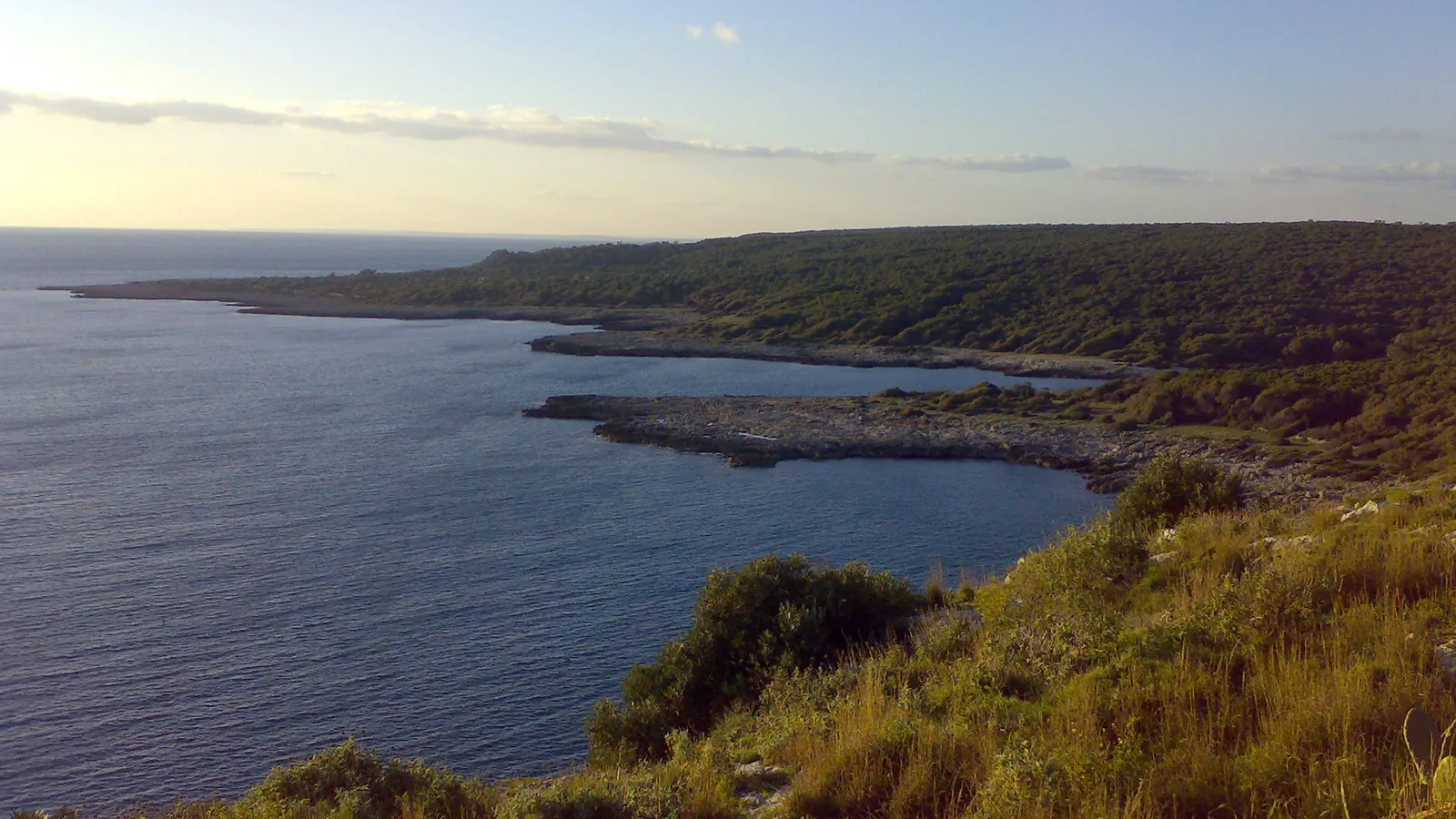
Sand and pebble beach
Quick Overview
Plan Your Visit to Porto Selvaggio
The key facts before you go
About the Beach
What is Porto Selvaggio?
Porto Selvaggio lies along the Apulia coast near Nardò, facing east into a sheltered bay. The beach combines sand and pebble sections, backed by a pine forest that provides natural shade and character. A nature reserve status protects the area, keeping development minimal. The bathing water quality rates as Excellent, and lifeguards patrol during the main season. You'll find freshwater springs emerging near the shoreline, a distinctive feature that sets this location apart from typical Mediterranean beaches. Rocks dot the underwater landscape and bay perimeter, creating visual interest and natural breakwaters. Crystal clear water is typical here, though conditions vary with season and weather. The combination of forest, cave formations, and pebble beach appeals to those seeking a less crowded alternative to busier Apulian destinations.
It sits alongside certified beaches along Apulia, part of a broader network of certified beaches throughout Italy certified annually by the Foundation for Environmental Education.
Visitor Feedback
What Visitors Say About Porto Selvaggio
What visitors appreciate
- pine forest|rocks|crystal clear water|nature reserve|cave|bay|freshwater spring|pebble beach|chemical toilets|mediterranean scrub
- Well-staffed with lifeguards during season
- Excellent EU-rated bathing water quality
Points to consider
- Can be busy during July and August peak season
- Limited parking near the beach
- Facilities may be reduced outside peak months
Based on aggregated public visitor feedback. Themes are synthesised from multiple sources, not individual quotes. Zeach does not reproduce individual reviews.
Sunrise, Sunset & Beach Direction
Porto Selvaggio faces east toward Adriatic Sea. The best light for photography and swimming is typically in June. Direct sun hours follow that facing.
Planning
When to Go: Month by Month
| Month | Air Temp | Water Temp | Crowds |
|---|---|---|---|
| Jan | 10°C | 7°C | Low |
| Feb | 11°C | 8°C | Low |
| Mar | 12°C | 9°C | Low |
| Apr | 15°C | 12°C | Low |
| May | 19°C | 16°C | Low |
| Jun | 24°C | 21°C | Med |
| Jul | 27°C | 24°C | High |
| Aug | 27°C | 24°C | Med |
| Sep | 23°C | 20°C | Low |
| Oct | 19°C | 16°C | Low |
| Nov | 16°C | 13°C | Low |
| Dec | 12°C | 9°C | Low |
The best time to visit Porto Selvaggio is June. Air temperatures peak around 26.9°C in summer. Peak water temperature reaches 23.9°C in July.
How crowded does Porto Selvaggio get?Porto Selvaggio attracts fewer visitors than developed beaches closer to Lecce, partly due to nature reserve status and limited parking. Summer months (June-August) see the highest visitor numbers, but the beach rarely becomes packed by Mediterranean standards. Weekdays are noticeably quieter than weekends, particularly in July and August. Early morning visits (before 9am) offer near-solitude even in peak season. The lifeguard presence during main season adds reassurance for families and less confident swimmers. The pebble sections and rocks mean the crowd tends to cluster in sandier areas and near the forest shade. You'll encounter Italian families, couples, and some tourists, but not in overwhelming densities. August can be busier due to Italian holiday patterns, while June and early September are more peaceful. The combination of pebble beach, rocky areas, and forest setting naturally discourages very large groups. Water sports are limited by the rocky and pebble nature, reducing jet ski and banana boat activity typical of resort beaches. The atmosphere remains relatively calm and geared toward swimming, sunbathing, and exploring the reserve rather than party or event-focused activities.
Is Porto Selvaggio open year-round?The beach itself is accessible year-round, though staffed facilities including lifeguards typically operate only during the official season (01-06 – 31-08). The Blue Flag is displayed during the certification period only.
The Water
Swimming and Beach Life at Porto Selvaggio
Is Porto Selvaggio safe to swim?Porto Selvaggio is Blue Flag certified, which requires meeting strict bathing water standards set by the EU Bathing Water Directive. Water quality is rated Excellent. Lifeguards are on duty during the official season.
What is the water temperature at Porto Selvaggio?Peak water temperature at Porto Selvaggio reaches around 23.9°C in July, making it comfortable for swimming during the summer months. In winter (January), air temperatures average 10.1°C.
What is the beach like at Porto Selvaggio?Porto Selvaggio stretches as a mixed sand and pebble beach where the pine forest meets the waterline. Walking the shoreline, you notice the pebble composition increases in some sections, while sand dominates others, typical of this part of the Adriatic coast. The water clarity is notably good, with visibility down to several metres on calm days. The bay's eastern exposure provides protection from westerly winds, though summer sea breezes can be brisk. The freshwater spring is a practical feature; locals and regular visitors know where it emerges and use it for rinsing off salt water. The feature also supports the ecosystem, creating distinct water conditions in that zone. Rocks are present both on the beach and submerged, requiring care when entering the water, particularly if you're unfamiliar with the layout. Children should be supervised around the rocky sections. The pine forest backing the beach offers genuine shade during July and August when air temperatures reach 26-27°C. Unlike many Mediterranean beaches, this forest remains healthy and accessible. Mediterranean scrub vegetation grows throughout the reserve, and you'll notice plants adapted to coastal salt spray and sandy soil. The cave formations mentioned in the area add geological interest, though access depends on tides and safety conditions. Water temperature follows the Adriatic pattern: cold from January through April (7-12°C), warming through May, reaching 24°C in August, then cooling from September onward. June through August water temperatures range from 21-24°C, suitable for extended swimming without wetsuits. The beach faces east, meaning sunrise views are excellent but afternoon sun exposure differs from west-facing beaches. Chemical toilets are available, typical of protected natural areas where full infrastructure would contradict conservation aims.
Does Porto Selvaggio have good facilities?As a Blue Flag certified beach, Porto Selvaggio meets the Foundation for Environmental Education's standards for facilities and services. Trained lifeguards are on duty during the season. The beach has disabled access facilities.
Porto Selvaggio sits on the Adriatic Sea: explore all Blue Flag beaches on the Adriatic.
Planning a trip to Italy? Blue Flag Beaches Italy 2026 , our editorial guide to certified beaches across the country.
While You're Here
Beyond Porto Selvaggio
Nardò, the nearest city 8-10 km away, offers practical services including restaurants, supermarkets, and accommodation options ranging from basic to mid-range. The town has historical character, walking the centro storico and visiting local bars for coffee or evening aperitivi is typical for visitors staying in the area. Lecce, roughly 30 km north, justifies a day visit. It's known for its Baroque architecture, museums, and evening passeggiata culture. The centro storico is pedestrian-friendly and substantial, you can spend 4-6 hours exploring. The wider Apulia region offers coastal alternatives: Gallipoli (further south, developed resort), Otranto (further south and east, tourist-focused), and coastal drives along both the Ionian and Adriatic sides. Inland, Salento wine region vineyards and trulli-style architecture provide rural contrast. The nature reserve itself may have designated walking paths, check locally before arriving. Swimming facilities at other beaches along this stretch exist but are more developed and crowded than Porto Selvaggio. Food-wise, Apulian cuisine emphasizes seafood, pasta dishes, and local wine, restaurants in Nardò reflect this. Summer temperatures mean exploring towns in early morning or evening is more comfortable than midday walking.
Transport
Getting to Porto Selvaggio
How do I get to Porto Selvaggio by car?Porto Selvaggio is approximately 5.71 km from Nardò. Follow local road signs to the beach. Check Google Maps or a local map for the most current directions.
What is the nearest airport to Porto Selvaggio?The nearest airport is Lecce Airport (LCC) (OPO), approximately 16.9 km away. Lecce Airport (LCC/OPO) is 16.9 km away, making it the most practical air entry point. Rental car is essential from the airport to reach Porto Selvaggio, the drive takes approximately 25-30 minutes via SP366 towards Nardò and then local roads to the beach access. Lecce itself is a substantial town with a historic centre, so you could base yourself there and day-trip to Porto Selvaggio. Public transport options exist from Lecce but are limited for reaching the specific beach location. Luggage becomes problematic without a vehicle, as taxis from the airport are expensive for the distance.
Can I get to Porto Selvaggio by public transport?Public transport options vary by season. Check local transport authority websites for current bus and train schedules connecting to Nardò. The nearest recorded bus stop is 857 m from the beach.
Is there a train to Porto Selvaggio?Porto Selvaggio lists Nardò Centrale as the nearest railway station, 6.55 km away. Check current timetables before travelling.
Map
Find Porto Selvaggio
Open the map or get directions to the Porto Selvaggio pin. Amenity names are listed here only when OpenStreetMap has a mapped feature nearby.
Map loads when you ask. Tiles stay off the first paint.
Map: OpenStreetMap (ODbL)
Practical Details
Practical Information
| At the Beach | |
| Entry | Free: no charge to access the beach |
|---|---|
| Lifeguards | ✓ On duty during official season |
| Disabled Access | ✓ Accessible site facilities and water entry |
| Showers | ✗ |
| Toilets | ✗ |
| Official Season | 01 Jun – 31 Aug |
| Beach Type | Sandy beach |
| Sand | Pebble / shingle beach |
| Parking | ✗ No parking listed nearby |
| Nearest supermarket | 2.2 km from the beach |
| Nearest bus stop | 857 m from the beach |
| Visiting Information | |
| GPS Coordinates | 40.1481°N, 17.9745°E |
| Water Quality | Excellent (EU Bathing Water Directive) |
| Official Website | viaggiareinpuglia.it/at/134/parco/4954/it/Porto%20Selvaggio%20e%20Torre%20Uluzzo |
| Blue Flag Operator | Foundation for Environmental Education (FEE), Italy |
Frequently Asked Questions
Porto Selvaggio FAQ
Is Porto Selvaggio worth visiting?
Yes, particularly if you prefer quieter beaches with character over resort facilities. The excellent water quality, nature reserve setting, freshwater springs, and pine forest shade justify the journey. It suits swimmers seeking clear water and families wanting lifeguard presence without extreme crowds. The pebble and rocky nature means it's less suitable for those wanting entirely smooth sand or extensive beach lounging space. Best for exploring rather than passive sunbathing.
How do I get to Porto Selvaggio?
A rental car from Lecce Airport (16.9 km away) is essential. The drive takes 25-30 minutes. No direct train or reliable bus service reaches the beach. From Nardò town, it's 8-10 km further, still requiring a vehicle. Public transport from Lecce exists to Nardò, but getting to the specific beach location needs local taxi knowledge or pre-arranged shuttle. Parking at the beach is limited, typical of protected reserves.
What's the best time of year to visit?
June through August offers swimmable water (21-24°C) and lifeguards. June is warmest for visiting without peak summer crowds. July and August are busiest but still quieter than developed beaches. Early September water remains warm (20°C) with fewer visitors. April through May water is cool (12-16°C) but manageable for hardy swimmers. Winter (November-March) sees water temperatures below 10°C and fewer amenities. Air temperatures peak at 27°C in August.
What facilities are there at Porto Selvaggio?
Lifeguards patrol during the main season. Chemical toilets are available, standard for nature reserves. No commercial restaurants or bars directly on the beach. Nardò (8-10 km) offers supermarkets, restaurants, and shops for supplies. Bring water and food from town. The pine forest provides natural shade. Rocky and pebble sections mean water shoes are practical. No equipment rental or water sports facilities. This is a minimal-infrastructure beach by design.
Is Porto Selvaggio suitable for families?
Yes, with supervision. Lifeguards are present in peak season. The pebble beach and rocks require children to wear water shoes and constant adult attention during water entry. Clear water and good visibility are reassuring. The pine forest shade suits families managing summer heat. Limited facilities mean you must plan food and supplies beforehand. The calm bay and nature reserve setting appeal to families seeking quieter, nature-focused experiences rather than entertainment-heavy beaches.
Explore More
Nearby Blue Flag Beaches
Editorial
From the Zeach Blog
Everything you need to know about what makes a beach qualify for Blue Flag status, from water quality to environmental education.
Read moreOur editorial team's pick of the standout Blue Flag beaches in Italy, rated for family friendliness, scenery, and facilities.
Explore ItalyWhat the flag actually means, how certification works, and why a Blue Flag is a genuinely reliable signal, not just a marketing tool.
Read moreSources
- Foundation for Environmental Education: Blue Flag programme
- FEE site listing for Porto Selvaggio
- FEE Italia
- European Environment Agency: bathing water quality
Last verified September 2026. National operator pages and FEE listings are the primary certification sources.