Porthminster
England, United Kingdom
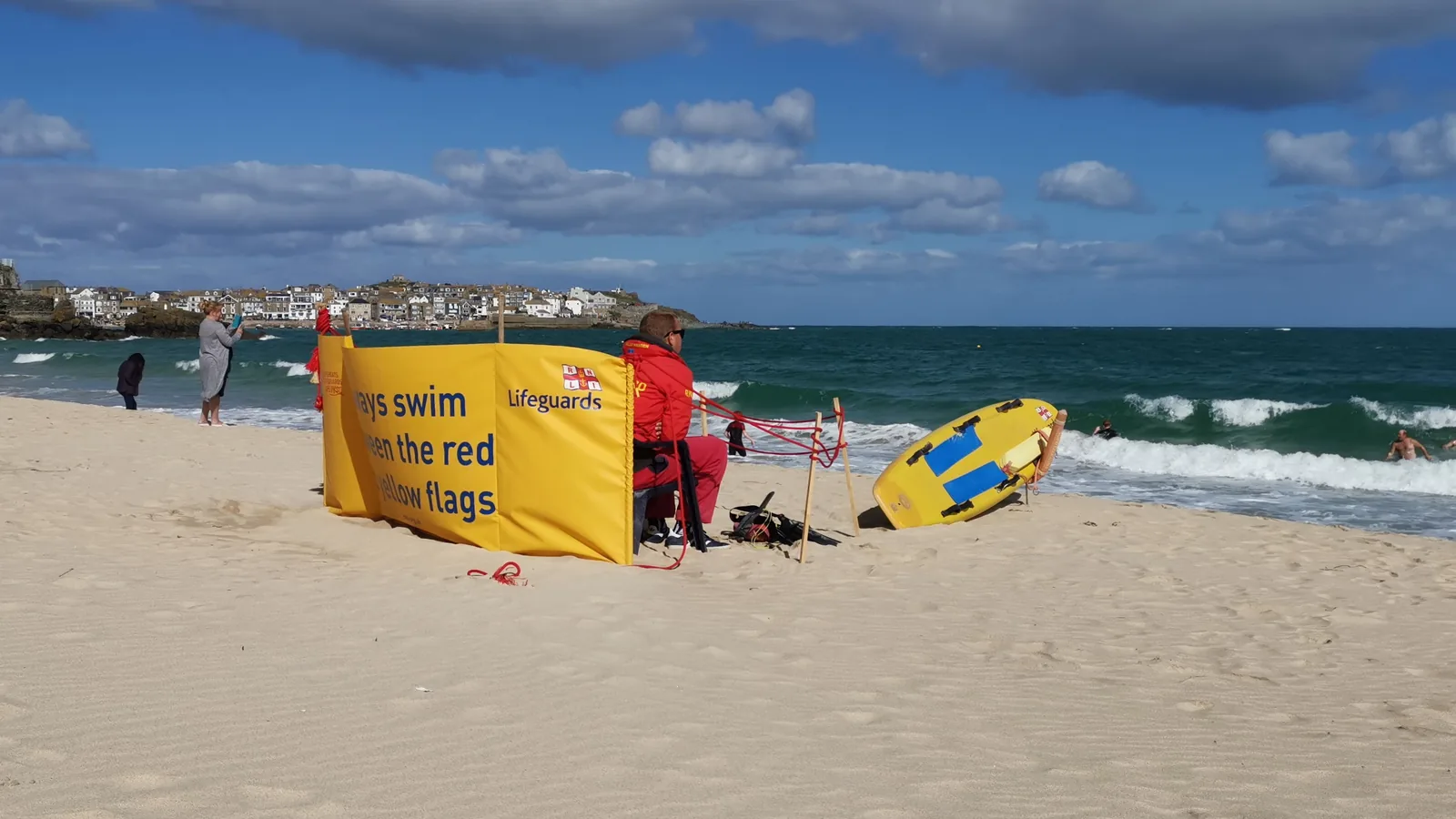
Porthminster is a crescent-shaped sandy beach with views across St Ives Bay. The beach faces south, so it's well sheltered and warm, locals say it has a tropical feel on sunny days. The calm waters and golden sand make it safe for families. Food and…
Quick Overview
Plan Your Visit to Porthminster
The key facts before you go
About the Beach
What is Porthminster?
Porthminster is a crescent-shaped sandy beach in St Ives, Cornwall, facing south across the bay. The beach's orientation provides natural shelter, making it one of the calmer spots along this stretch of coast. Golden sands slope gently into clear water, and the south-facing aspect means it catches good sun through the day. The beach sits within walking distance of St Ives town centre, where cafes, restaurants and shops line the seafront and backstreets. Lifeguards patrol during peak season, and the beach welcomes dogs outside restricted periods. Paddleboarders, kayakers and swimmers all use the water regularly, while the nearby surf school indicates conditions can work for different skill levels depending on swell direction.
It sits alongside Blue Flag beaches in England, part of a broader network of Blue Flag certified beaches across United Kingdom certified annually by the Foundation for Environmental Education.
Visitor Feedback
What Visitors Say About Porthminster
What visitors appreciate
- golden sand|seagulls|blue sea|paddleboarding|surf school|soft sand|kayak hire|mini golf|no dogs allowed|gin bar
Points to consider
- Can be busy during July and August peak season
- Facilities may be reduced outside peak months
Based on aggregated public visitor feedback. Themes are synthesised from multiple sources, not individual quotes. Zeach does not reproduce individual reviews.
Sunrise, Sunset & Beach Direction
Porthminster faces south toward Atlantic Ocean. The best light for photography and swimming is typically in May, June, September. Direct sun hours follow that facing.
Planning
When to Go: Month by Month
| Month | Air Temp | Water Temp | Crowds |
|---|---|---|---|
| Jan | 8°C | 10°C | Low |
| Feb | 8°C | 10°C | Low |
| Mar | 9°C | 9°C | Low |
| Apr | 10°C | 10°C | Low |
| May | 12°C | 12°C | Med |
| Jun | 15°C | 14°C | High |
| Jul | 17°C | 16°C | High |
| Aug | 17°C | 17°C | High |
| Sep | 16°C | 16°C | Med |
| Oct | 13°C | 15°C | Low |
| Nov | 11°C | 13°C | Low |
| Dec | 10°C | 11°C | Low |
The best time to visit Porthminster is May, June, September. Air temperatures peak around 17°C in summer. Peak water temperature reaches 15.9°C in July.
How crowded does Porthminster get?Porthminster attracts a mixed crowd reflecting its location and characteristics. How busy is it? The answer depends heavily on season and weather. During school holidays and good-weather weekends, the beach fills noticeably, particularly the sheltered sandy section nearest the town. Summer weekends draw families, paddleboarders and tourists. The gentleness of the beach and its safe water mean families with young children cluster here rather than more exposed beaches nearby. The presence of the surf school brings a younger demographic, particularly on weekday mornings when lessons run. Winter sees far fewer people, cold water and air temperatures keep casual swimmers away, though dedicated swimmers and surfers still show up. The kayak and paddleboard hirers add to numbers on calm days. Mini golf nearby suggests the beach attracts some day-trippers and leisure visitors rather than only serious water users. The beach's connection to St Ives town means foot traffic flows between beach and cafes regularly. Peak times are mid-morning through early afternoon on settled days. Early mornings offer the calmest experience, particularly outside school holidays. The promenade setup means it's easy to drift between beach and town, so 'quiet beach time' is harder to define here than at more isolated locations.
Is Porthminster open year-round?The beach itself is accessible year-round, though staffed facilities including lifeguards typically operate only during the official season (15-05 – 30-09). The Blue Flag is displayed during the certification period only.
The Water
Swimming and Beach Life at Porthminster
Is Porthminster safe to swim?Porthminster is Blue Flag certified, which requires meeting strict bathing water standards set by the EU Bathing Water Directive.
What is the water temperature at Porthminster?Peak water temperature at Porthminster reaches around 15.9°C in July, making it comfortable for swimming during the summer months. In winter (January), air temperatures average 8.4°C.
What is the beach like at Porthminster?Porthminster's crescent shape creates a defined beach environment with good natural boundaries. The sand is genuinely golden underfoot (not grey or dark) and soft where it's been undisturbed. At high tide the beach narrows considerably, but at low tide a significant expanse opens up. The slope is gentle enough that children can wade safely, though water temperature even in summer sits around 15.9°C, so wetsuits are standard for most users year-round. The south-facing aspect means this beach gets sun from morning through afternoon, which matters during winter months when daylight is limited elsewhere. Being sheltered, it's noticeably calmer than beaches facing north or west, though this also means it can feel crowded on good weather days. The water itself appears blue-green rather than murky, with reasonable visibility on settled days. Seagulls are present, standard for any Cornish beach with nearby food outlets. Several operators run from the beach: a surf school operates here, paddleboard and kayak hire is available, and there's a mini golf setup. The beach connects directly to St Ives promenade, so facilities aren't isolated; you're not choosing between beach comfort and town amenities, they're essentially the same location. Winter water temperatures drop to 9.5°C (February), so cold-water swimmers need proper protection. Summer peaks at 15.9°C in July and August. The beach faces south directly, which determines swell patterns, winter Atlantic storms wrap around differently than summer groundswell. Dogs are allowed but check current seasonal restrictions with the beach office, as some periods have full bans.
Porthminster sits on the Atlantic Ocean: explore all Blue Flag beaches on the Atlantic.
While You're Here
Beyond Porthminster
St Ives town wraps around Porthminster, so there's no clear separation between beach and wider area. The town offers food and drink within steps, cafes, restaurants and gin bars operate along the seafront and in surrounding streets. The beach itself has food outlets, so you needn't leave the sand if you prefer. St Ives has a working fishing harbour with galleries, independent shops and a maritime character that appeals to visitors beyond beach time. The town's layout is compact and pedestrianised in places, so parking once and exploring on foot works well. The wider Cornish coast nearby includes other beaches. Porthgwidden is adjacent, while Carbis Bay and other spots lie within short driving distance. The sheltered nature of Porthminster makes it distinctly different from more exposed beaches, so if conditions become too calm or crowded, alternatives are accessible. St Ives itself has become a popular art and food destination, so the beach sits within a broader visitor context rather than as an isolated spot.
Transport
Getting to Porthminster
How do I get to Porthminster by car?Porthminster is approximately 56.41 km from Cornwall. Follow local road signs to the beach. Check Google Maps or a local map for the most current directions.
What is the nearest airport to Porthminster?The nearest airport is Cornwall Airport Newquay (NQY), approximately 42.7 km away.
Can I get to Porthminster by public transport?Public transport options vary by season. Check local transport authority websites for current bus and train schedules connecting to Cornwall. The nearest recorded bus stop is 280 m from the beach.
Is there a train to Porthminster?Porthminster lists St Ives as the nearest railway station, 0.23 km away. Check current timetables before travelling.
Nearby
Near Porthminster
Mapped toilets, bus stops, cafés, parking, and shops within about 500 m of Porthminster. Distances are walking-line estimates from the beach pin.
Map loads when you ask. Tiles stay off the first paint.
Map: OpenStreetMap (ODbL)
Toilets near Porthminster
- Porthminster Toilets Public toilets 172 m
Bus near Porthminster
- Harbour Hotel Bus stop 280 m
- Harbour Hotel Bus stop 293 m
- The Terrace Bus stop 353 m
- St Ives Bus station 396 m
- St Ives Malakoff Bus stop 409 m
Cafés near Porthminster
- Porthminster Cafe Restaurant 100 m
- St Ives Bay Ice Cream and Coffee House Café 271 m
- Pedn Olva Restaurant 316 m
- Blas Burgerworks Restaurant 441 m
- Moomaid St Ives Café 492 m
Parking near Porthminster
- Parking Parking 171 m
- Station Long Stay Parking, St Ives Parking 249 m
- Parking Parking 410 m
- Parking Parking 434 m
- HF Holidays Chy Morvah Parking 459 m
Source: © OpenStreetMap contributors (ODbL). Names and positions come from mapped OSM features. Confirm on site.
On the beach
Facilities at Porthminster
- Lifeguards
- Yes, during the certified season
- Wheelchair access
- Accessible site facilities and water entry
- Visual assistance
- No
- Toilets
- Yes
- Showers
- No
- Parking
- Available nearby (surface parking). 153 m away
- Dogs
- Allowed
- Surface
- Golden sand
- Entry
- Free to enter
These details can change. Check on arrival.
Map data © OpenStreetMap contributors
Practical Details
Practical Information
| At the Beach | |
| Official Season | 15 May – 30 Sep |
|---|---|
| Beach Type | Sandy beach |
| Nearest supermarket | 560 m from the beach |
| Nearest bus stop | 280 m from the beach |
| Visiting Information | |
| GPS Coordinates | 50.2086°N, 5.4745°W |
| Blue Flag Operator | Foundation for Environmental Education (FEE), United Kingdom |
Frequently Asked Questions
Porthminster FAQ
Is Porthminster worth visiting?
Yes, if you want a sheltered, safe beach close to facilities. The south-facing orientation and calm waters make it reliable in poor weather when other beaches become rough. It's genuinely family-friendly with lifeguards and gentle slopes. Dogs are welcome outside restricted periods. The downside: crowds on good-weather days and cold water year-round (5–15.9°C). If you value exposed, dramatic coastline, other Cornish beaches suit better. For reliable comfort and accessibility, Porthminster delivers.
How do I get to Porthminster?
By car from further afield, St Ives sits on the A3074. Parking at Porthminster itself is limited and fills quickly in summer; consider using town car parks and walking the short distance. Once in St Ives, the beach is immediately accessible from the seafront promenade. No direct train service reaches the beach; nearest rail is St Erth station requiring onward transport.
What's the best time of year to visit?
May to September offers warmest air (up to 17°C in July) and water peaks at 15.9°C in July–August. Winter (December–February) water drops to 5–6°C, requiring proper wetsuits. Summer brings crowds and school holidays. Shoulder months (May, September) offer reasonable weather with fewer people. If you dislike crowds, April and October provide milder conditions than winter without peak season chaos. Winter suits cold-water swimmers and surfers seeking consistent swell.
What facilities are there?
Lifeguards patrol during peak season. The beach has food outlets on-site. Paddleboard and kayak hire operate from the beach. A surf school offers lessons. Mini golf is available nearby. St Ives town (steps away) provides cafes, restaurants, gin bars and shops. Parking is limited at the beach itself; town car parks are alternative options. The gentle slope and safe water mean no formal designated swimming area is needed. Dog facilities: dogs are allowed but check seasonal restrictions with the beach office.
Is it suitable for families?
Yes. The calm, sheltered waters and gentle sand slope make it one of Cornwall's safest beaches for children. Lifeguards patrol, reducing risk. The proximity to cafes and facilities means you needn't carry everything for a full day. Dogs are allowed (outside restricted periods), so family pets can join. Mini golf and nearby activities suit younger age groups. The downside: summer crowds can be intense, and water temperature even in peak months is cool (15.9°C), so wetsuits for children are practical.
Are there toilets near Porthminster?
Yes. OpenStreetMap maps toilets near Porthminster, including Porthminster Toilets (172 m). Distances are walking-line estimates within about 500 m of the beach pin. Confirm opening hours on site; some facilities are seasonal. © OpenStreetMap contributors (ODbL).
Is there a bus near Porthminster?
Yes. OpenStreetMap maps a public-transport stop 280 m from Porthminster (Harbour Hotel), plus 4 more within about 500 m. Check current timetables before you travel. © OpenStreetMap contributors (ODbL).
Are there cafés near Porthminster?
Yes. OpenStreetMap lists 5 cafés or restaurants near Porthminster, including Porthminster Cafe (100 m), St Ives Bay Ice Cream and Coffee House (271 m), Pedn Olva (316 m), and Blas Burgerworks (441 m). Hours and seasonal opening are not verified here. Check on the day. © OpenStreetMap contributors (ODbL).
Is there parking near Porthminster?
Yes. OpenStreetMap maps parking 171 m from Porthminster, with 5 lots or spaces inside about 500 m. Charges and time limits are not recorded here. © OpenStreetMap contributors (ODbL).
Editorial
From the Zeach Blog
Everything you need to know about what makes a beach qualify for Blue Flag status, from water quality to environmental education.
Read moreOur editorial team's pick of the standout Blue Flag beaches in United Kingdom, rated for family friendliness, scenery, and facilities.
What the flag actually means, how certification works, and why a Blue Flag is a genuinely reliable signal, not just a marketing tool.
Read moreSources
- Foundation for Environmental Education: Blue Flag programme
- FEE site listing for Porthminster
- Keep Britain Tidy / Foundation for Environmental Education
Last verified September 2026. National operator pages and FEE listings are the primary certification sources.