Porthmeor
England, United Kingdom
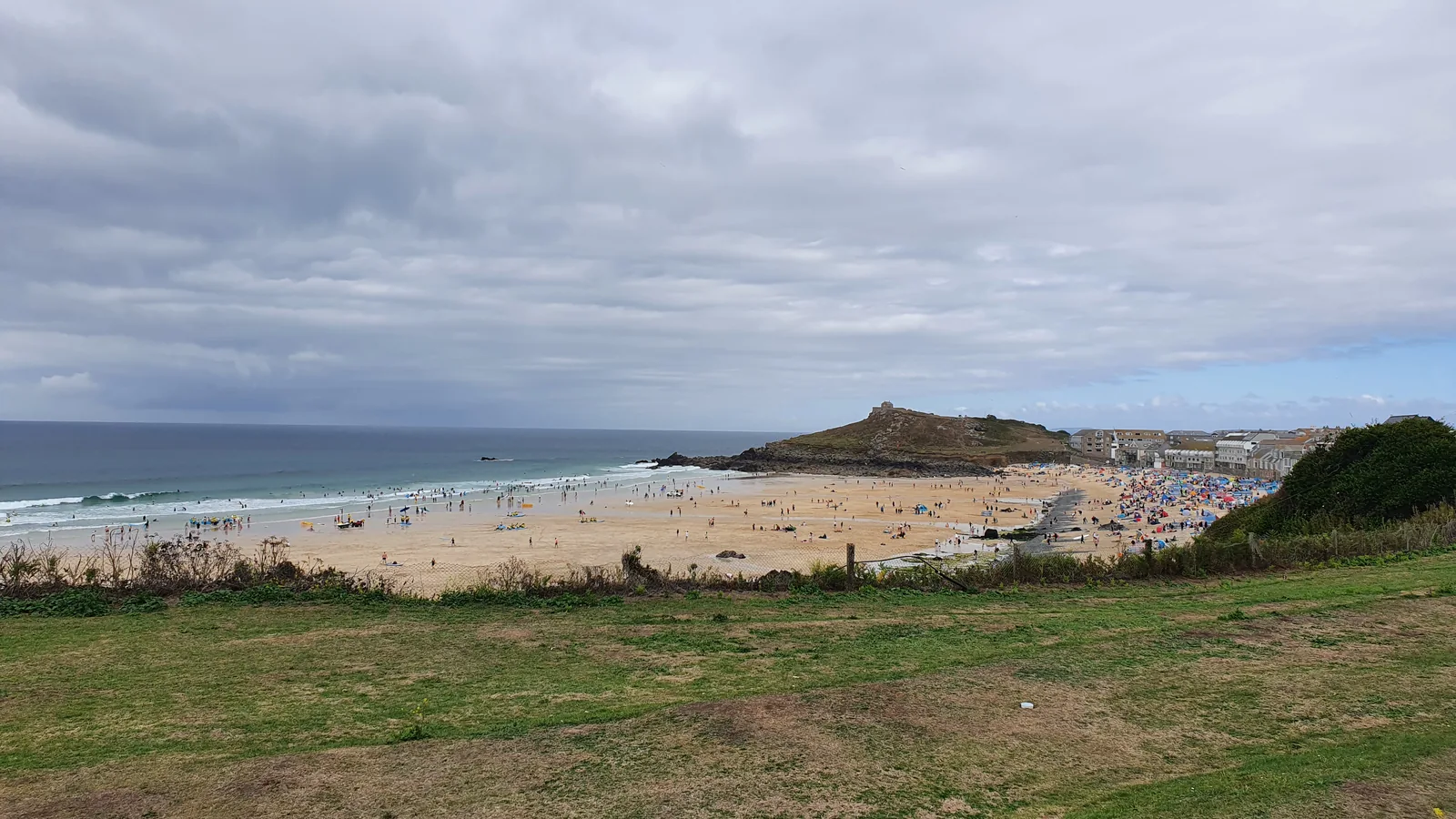
Porthmeor is a wide sandy beach just steps from the Tate St Ives and a short walk from St Ives town center. It's a solid family beach with amenities nearby and clean water for swimming and surfing. The beach works for different interests, you get…
Quick Overview
Plan Your Visit to Porthmeor
The key facts before you go
About the Beach
What is Porthmeor?
Porthmeor is a wide sandy beach located in St Ives, Cornwall, positioned directly below the iconic Tate St Ives building. This south-facing beach sits at the heart of the town, making it accessible for both serious surfers and casual swimmers. The golden sand and consistent wave breaks have earned it a solid reputation on the Cornish coast. With lifeguards on duty during peak seasons and facilities within walking distance, Porthmeor balances genuine surf credentials with practical amenities. The beach draws a mixed crowd of locals and visitors, from families seeking seaside time to surfers targeting Atlantic swells.
It sits alongside other certified beaches in England, part of a broader network of other Blue Flag beaches in United Kingdom certified annually by the Foundation for Environmental Education.
Visitor Feedback
What Visitors Say About Porthmeor
What visitors appreciate
- surfing|sunset views|body boarding|waves|surf school|golden sand|soft sand|seagulls|surf beach|watching surfers
Points to consider
- Can be busy during July and August peak season
- Facilities may be reduced outside peak months
Based on aggregated public visitor feedback. Themes are synthesised from multiple sources, not individual quotes. Zeach does not reproduce individual reviews.
Sunrise, Sunset & Beach Direction
Porthmeor faces south toward Atlantic Ocean. The best light for photography and swimming is typically in May, June, September. Direct sun hours follow that facing.
Planning
When to Go: Month by Month
| Month | Air Temp | Water Temp | Crowds |
|---|---|---|---|
| Jan | 8°C | 10°C | Low |
| Feb | 8°C | 10°C | Low |
| Mar | 9°C | 9°C | Low |
| Apr | 10°C | 10°C | Low |
| May | 12°C | 12°C | Med |
| Jun | 15°C | 14°C | High |
| Jul | 17°C | 16°C | High |
| Aug | 17°C | 17°C | High |
| Sep | 16°C | 16°C | Med |
| Oct | 13°C | 15°C | Low |
| Nov | 11°C | 13°C | Low |
| Dec | 10°C | 11°C | Low |
The best time to visit Porthmeor is May, June, September. Air temperatures peak around 17°C in summer. Peak water temperature reaches 15.9°C in July.
How crowded does Porthmeor get?Porthmeor draws a varied crowd, particularly during summer months and weekends. How busy does it get? Peak season (July and August) sees significant footfall, especially on days with good sun. Families with young children occupy the shallower areas and sandbars, creating a social atmosphere typical of working family beaches. Surfers and body boarders focus on the wave zone, which extends beyond the main bathing area. Winter months bring fewer general visitors, but this is when serious surfers prioritise Porthmeor. Autumn and spring shoulder seasons strike a balance, fewer crowds than summer, but still active use from multiple beach types. Weekday mornings, particularly outside school holidays, tend quieter than weekends. The beach's position within St Ives means it absorbs foot traffic from the broader town. People walk through on coastal paths, pop down for a brief look, or settle for longer stays. The proximity to the Tate and local food venues means some visitors treat it as part of a broader St Ives experience rather than a dedicated beach day. This creates a social, lived-in feel rather than isolation.
Is Porthmeor open year-round?The beach itself is accessible year-round, though staffed facilities including lifeguards typically operate only during the official season (15-05 – 30-09). The Blue Flag is displayed during the certification period only.
The Water
Swimming and Beach Life at Porthmeor
Is Porthmeor safe to swim?Porthmeor is Blue Flag certified, which requires meeting strict bathing water standards set by the EU Bathing Water Directive.
What is the water temperature at Porthmeor?Peak water temperature at Porthmeor reaches around 15.9°C in July, making it comfortable for swimming during the summer months. In winter (January), air temperatures average 8.4°C.
What is the beach like at Porthmeor?Porthmeor occupies a south-facing aspect on the Cornish coastline, which influences both its wave patterns and seasonal conditions. The beach itself comprises golden sand with softer areas underfoot, typical of working Cornish beaches. Being south-facing means it captures afternoon light well and picks up Atlantic swells effectively, making it a legitimate surf destination rather than a token beach break. Water temperatures vary significantly across the year. Winter months (January to March) hover between 5.3 and 9.3°C, genuinely cold by any standard, requiring proper wetsuits for extended sessions. Spring sees gradual warming, reaching 9.9°C by April. Summer peaks at 15.9°C in July and August before cooling again. Even at warmest, the water demands respect and thermal protection for most visitors. Air temperatures follow predictable patterns: winter sits around 8.4°C, while summer reaches 16.9 to 17.0°C between July and August. The beach exposure to Atlantic weather means conditions can change rapidly throughout the day. What makes Porthmeor distinctive is its integration with St Ives proper. You're not walking across car parks or industrial areas, the Tate St Ives building is a visual anchor, and the town's streets connect directly to the sand. This proximity to restaurants, cafes, and shops creates a different beach experience than more isolated Cornish breaks. Lifeguards provide coverage during key periods, adding a safety layer for swimming and bathing. The sand quality supports multiple uses: families dig and build while surfers paddle out, body boarders work the shallower breaks, and observers settle in for sunset views across the water.
Porthmeor sits on the Atlantic Ocean: explore all Blue Flag beaches on the Atlantic.
While You're Here
Beyond Porthmeor
St Ives extends well beyond Porthmeor itself. The Tate St Ives building, positioned directly above the beach, offers contemporary art exhibitions and cafes with water views. The town's harbour area, distinct from Porthmeor though within walking distance, maintains working fishing operations and contains additional cafes and fish restaurants. Local food options range from casual takeaways to sit-down establishments; several operate with sea views. The coastal path extends in both directions, offering walks beyond the immediate beach area towards neighbouring coves and headlands. The town has a long established arts community presence. Independent shops, galleries, and studios cluster in the older streets. Accommodation ranges from hotels to guest houses and holiday lets. St Ives itself generates its own destination appeal beyond the beach, some visitors come primarily for the galleries and food, with beach time secondary.
Transport
Getting to Porthmeor
How do I get to Porthmeor by car?Porthmeor is approximately 56.68 km from Cornwall. Follow local road signs to the beach. Check Google Maps or a local map for the most current directions.
What is the nearest airport to Porthmeor?The nearest airport is Cornwall Airport Newquay (NQY), approximately 42.8 km away.
Can I get to Porthmeor by public transport?Local buses serve St Ives with connections to wider Cornish networks. The town's compact layout means bus stops are within easy reach of Porthmeor. Journey times from surrounding areas vary depending on starting point and route. During summer months, services increase to accommodate tourism demand. Timetables and route planning should be confirmed locally, as Cornish bus networks operate seasonally adjusted schedules. The nearest recorded bus stop is 385 m from the beach.
Is there a train to Porthmeor?St Ives is served by the St Ives Branch Line, which connects to the main rail network at Carbis Bay. Journey times from major cities vary significantly: from London Paddington, expect 5-6 hours total with a connection; from other regional hubs, times depend on your starting point. The station is compact but functional. From St Ives station, Porthmeor is a short walk downhill into town, less than 10 minutes on foot. This makes rail travel genuinely practical for beach access without requiring a car.
Map
Find Porthmeor
Open the map or get directions to the Porthmeor pin. Amenity names are listed here only when OpenStreetMap has a mapped feature nearby.
Map loads when you ask. Tiles stay off the first paint.
Map: OpenStreetMap (ODbL)
On the beach
Facilities at Porthmeor
- Lifeguards
- Yes, during the certified season
- Wheelchair access
- Accessible site facilities
- Visual assistance
- No
- Toilets
- Yes
- Showers
- No
- Parking
- Available nearby (surface parking). 48 m away, a fee is charged
- Surface
- Golden sand
- Entry
- Free to enter
These details can change. Check on arrival.
Map data © OpenStreetMap contributors
Practical Details
Practical Information
| At the Beach | |
| Official Season | 15 May – 30 Sep |
|---|---|
| Beach Type | Sandy beach |
| Nearest supermarket | 300 m from the beach |
| Nearest bus stop | 385 m from the beach |
| Visiting Information | |
| GPS Coordinates | 50.2149°N, 5.4830°W |
| Blue Flag Operator | Foundation for Environmental Education (FEE), United Kingdom |
Frequently Asked Questions
Porthmeor FAQ
Is Porthmeor worth visiting?
Porthmeor suits multiple visitor types effectively. Surfers and body boarders find legitimate waves and a proper beach break. Families access safe bathing, golden sand, and immediate proximity to facilities without long walks from car parks. The Tate St Ives connection adds cultural dimension. Water temperatures demand wetsuits year-round, but the beach itself functions reliably. The main limitation is popularity during peak summer months, expect crowds. For serious surfers, winter conditions may offer better wave quality and quieter conditions despite colder water.
How do I get to Porthmeor?
By train: use the St Ives Branch Line to St Ives station, then walk downhill to Porthmeor (under 10 minutes). By car: use the A30 into St Ives; parking exists in town though fills during peak season. By bus: local services connect to St Ives with final walk to beach. Public transport works well once in Cornwall; a car offers convenience but isn't essential.
What's the best time of year to visit?
Summer (July-August) offers warmest air at 17.0°C and water at 15.9°C, plus longest daylight and maximum amenities. However, crowds peak during this period. Autumn (September-October) provides milder conditions with fewer visitors; water remains relatively warm at 16.1°C. Spring (April-May) shows similar crowd patterns to autumn with warming trends. Winter (January-March) brings coldest water (9.3°C) but fewer tourists and best swell for serious surfers. Choose based on your priority: comfort or crowds.
What facilities are there at Porthmeor?
Lifeguards provide coverage during peak periods. The beach itself has sand suitable for swimming, surfing, and family play. Immediate proximity to St Ives means cafes, restaurants, shops, and facilities are within walking distance, not on-beach, but genuinely accessible. No detailed information confirms specific on-beach facilities like toilets or changing rooms, so check locally. The Tate St Ives building offers cafes with views. St Ives town centre provides full range of services typical of a working coastal town.
Is Porthmeor suitable for families?
Yes, with appropriate precautions. The sandy beach, shallow areas, and family-focused atmosphere make it accessible for children. Lifeguards during peak season add safety. Proximity to town means facilities, food, and amenities are genuinely close. Water temperatures require wetsuits even for children during most of the year, plan accordingly. The beach supports multiple activities beyond swimming: sand play, watching surfers, and exploring the town. Peak summer crowds mean quieter family time comes outside July-August. Overall, Porthmeor functions as a proper family beach with good access.
Editorial
From the Zeach Blog
Everything you need to know about what makes a beach qualify for Blue Flag status, from water quality to environmental education.
Read moreOur editorial team's pick of the standout Blue Flag beaches in United Kingdom, rated for family friendliness, scenery, and facilities.
What the flag actually means, how certification works, and why a Blue Flag is a genuinely reliable signal, not just a marketing tool.
Read moreSources
- Foundation for Environmental Education: Blue Flag programme
- FEE site listing for Porthmeor
- Keep Britain Tidy / Foundation for Environmental Education
Last verified September 2026. National operator pages and FEE listings are the primary certification sources.