Poole, Sandbanks Peninsular
England, United Kingdom
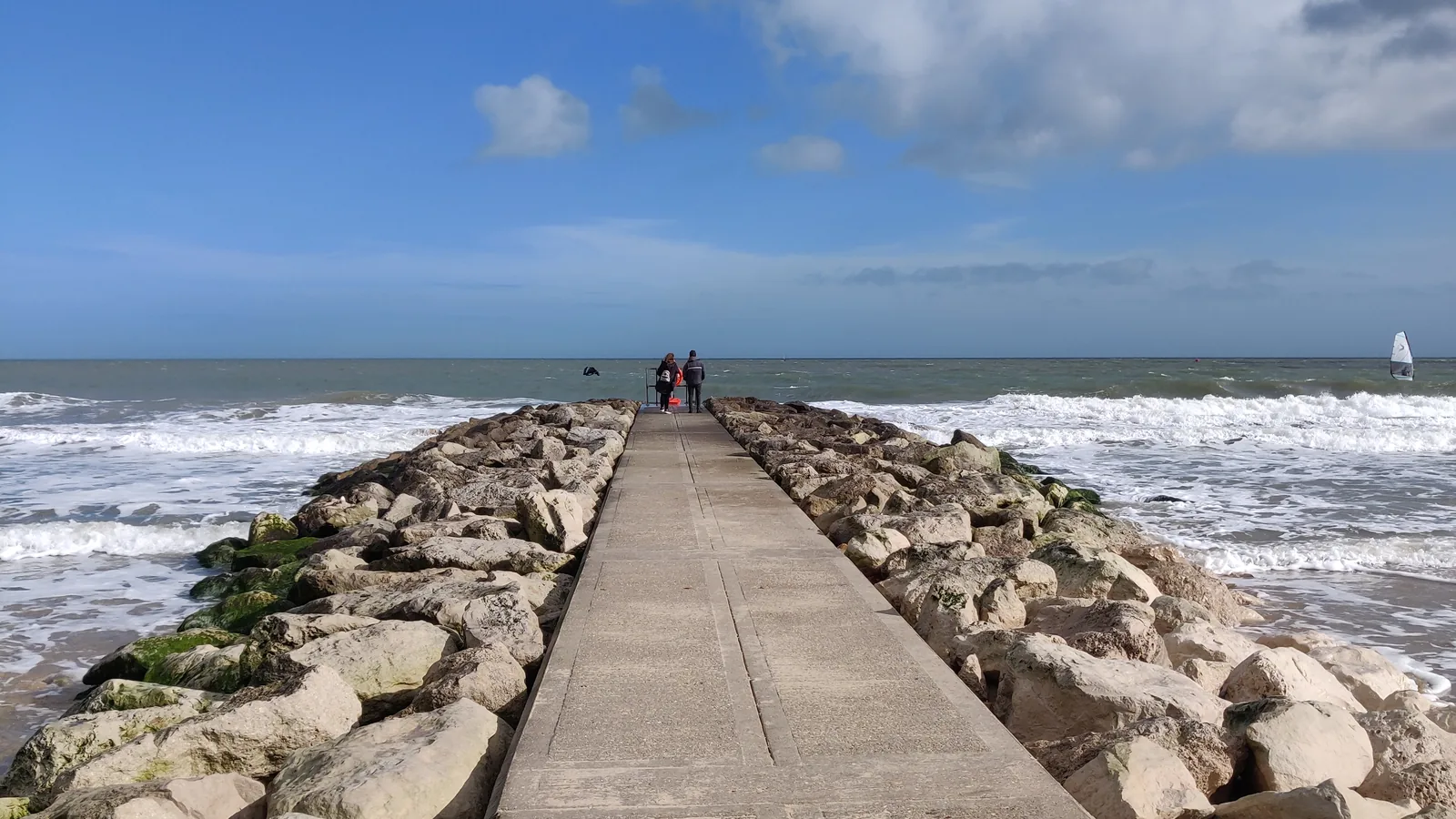
A family-friendly beach with a gentle slope that's safe for young children. The fine golden sand and good facilities draw crowds during summer. Disabled access is excellent, with sand wheelchairs available.
Quick Overview
Plan Your Visit to Poole, Sandbanks Peninsular
The key facts before you go
About the Beach
What is Poole, Sandbanks Peninsular?
Poole's Sandbanks Peninsula is a south-facing beach that has held Blue Flag status since 1987, reflecting its consistent standards for water quality and facilities. Located on the Dorset coast near Bournemouth, Christchurch and Poole, the beach stretches across golden sand with a gradual slope that characterises the entire shoreline. The fine sand and extensive visitor infrastructure draw crowds during summer months, particularly families attracted by the safe bathing conditions and range of organised activities. Lifeguards patrol between May and September, and a marked swim zone provides additional safety reassurance. The beach combines practical accessibility features (including disabled access and specialised sand wheelchairs) with a selection of watersports options and beachfront amenities. Dog-friendly policies extend the beach's appeal beyond the peak season.
It sits alongside Blue Flag beaches in England, part of a broader network of Blue Flag certified beaches across United Kingdom certified annually by the Foundation for Environmental Education.
Visitor Feedback
What Visitors Say About Poole, Sandbanks Peninsular
What visitors appreciate
- sandy beach|clean beach|dog friendly|soft sand|golden sand|paddle boarding|crazy golf|wind surfing|beach walk|beach huts
Points to consider
- Can be busy during July and August peak season
- Facilities may be reduced outside peak months
Based on aggregated public visitor feedback. Themes are synthesised from multiple sources, not individual quotes. Zeach does not reproduce individual reviews.
Sunrise, Sunset & Beach Direction
Poole, Sandbanks Peninsular faces south toward North Sea. The best light for photography and swimming is typically in May, June, September. Direct sun hours follow that facing.
Planning
When to Go: Month by Month
| Month | Air Temp | Water Temp | Crowds |
|---|---|---|---|
| Jan | 6°C | 10°C | Low |
| Feb | 7°C | 9°C | Low |
| Mar | 8°C | 9°C | Low |
| Apr | 10°C | 10°C | Low |
| May | 13°C | 11°C | Med |
| Jun | 16°C | 14°C | High |
| Jul | 18°C | 16°C | High |
| Aug | 18°C | 17°C | High |
| Sep | 16°C | 17°C | Med |
| Oct | 13°C | 16°C | Low |
| Nov | 9°C | 14°C | Low |
| Dec | 8°C | 12°C | Low |
The best time to visit Poole, Sandbanks Peninsular is May, June, September. Air temperatures peak around 18.2°C in summer. Peak water temperature reaches 15.7°C in July.
How crowded does Poole, Sandbanks Peninsular get?Summer brings substantial visitor numbers to Poole's Sandbanks Peninsula, with the beach's family-friendly reputation and safe bathing conditions creating busy periods from June through August. The gradual slope and extensive sand area can accommodate significant crowds, though popular times (weekends and school holidays) see congestion in car parks and along the promenade. Early mornings and shoulder months (May and September) offer noticeably quieter experiences while retaining reasonable weather and water temperatures. Winter months (November to March) see dramatically reduced visitor numbers, with water temperatures between 3.2–13.9°C limiting casual swimmers to those with cold-water experience or thermal protection. The beach remains accessible and uncrowded during this period, appealing to dog walkers (the beach's dog-friendly status attracting regular users year-round) and to visitors seeking quieter coastal walks. Spring (April to May) and early autumn (September to October) represent transitional periods when visitor density sits between extremes, offering reasonable facilities access without peak-season congestion.
Is Poole, Sandbanks Peninsular open year-round?The beach itself is accessible year-round, though staffed facilities including lifeguards typically operate only during the official season (15-05 – 30-09). The Blue Flag is displayed during the certification period only.
The Water
Swimming and Beach Life at Poole, Sandbanks Peninsular
Is Poole, Sandbanks Peninsular safe to swim?Poole, Sandbanks Peninsular is Blue Flag certified, which requires meeting strict bathing water standards set by the EU Bathing Water Directive.
What is the water temperature at Poole, Sandbanks Peninsular?Peak water temperature at Poole, Sandbanks Peninsular reaches around 15.7°C in July, making it comfortable for swimming during the summer months. In winter (January), air temperatures average 6.2°C.
What is the beach like at Poole, Sandbanks Peninsular?Poole's Sandbanks Peninsula presents a distinctive coastal geography shaped by its gradual slope and fine golden sand composition. This shallow gradient extends well out from the shoreline, creating conditions where even small children can wade safely to considerable distances. The golden sand has a noticeably soft texture underfoot, contributing to the beach's popularity for families and casual beach users. The south-facing aspect provides good sun exposure across daylight hours, though the English Channel location means consistent wind patterns that appeal to watersports enthusiasts. The beach itself remains largely free from significant stones or rocky outcrops, maintaining sandy conditions across the main bathing areas. The gradual underwater slope continues the gentle gradient visible above the waterline, meaning depth changes occur progressively rather than suddenly, a factor that reinforces the safety reputation for younger visitors. Water temperatures follow the English Channel pattern: coldest between January and March (3.2–8.7°C), warming through spring and early summer to a peak around July at 15.7°C, before gradually cooling again through autumn and winter. Summer months (June to September) offer water temperatures between 12.8–15.7°C, requiring consideration for swimmers unused to cooler water but remaining accessible for regular beach users with appropriate precautions. The marked swim zone provides a designated area for supervised bathing, and lifeguard presence during the May to September season offers additional oversight. A lost children patrol operates alongside these safety measures. The beach's orientation and sand characteristics make it suitable for paddle boarding, windsurfing and sailing activities, with equipment hire and instruction available through beachfront operators. Beach huts line portions of the seafront, providing shelter and contributing to the established character of the promenade. The gradual slope means that even during high tide, the available beach width remains considerable, and the soft sand accommodates various mobility aids effectively.
Poole, Sandbanks Peninsular sits on the North Sea: explore all Blue Flag beaches on the North Sea.
While You're Here
Beyond Poole, Sandbanks Peninsular
The immediate Sandbanks area extends beyond the beach itself with established seafront infrastructure including cafes and food outlets along the promenade, plus specialist beach facilities such as a beach shop. Crazy golf and putting options provide visitor activities separate from water-based pursuits. Bournemouth town centre, approximately 3–4 km east, offers broader shopping, dining and entertainment options typical of a seaside resort. Poole Harbour itself, sheltered by the Sandbanks Peninsula, provides additional coastal exploration opportunities and scenic walking routes. The town of Poole centre lies beyond the harbour with historic architecture and museum facilities. The wider South Coast offers coastal villages and attractions within reasonable driving distance, including Swanage (east) and Weymouth (west), extending coastal exploration options beyond the immediate beach area.
Transport
Getting to Poole, Sandbanks Peninsular
How do I get to Poole, Sandbanks Peninsular by car?Poole, Sandbanks Peninsular is approximately 13.16 km from Bournemouth, Christchurch and Poole. Follow local road signs to the beach. Check Google Maps or a local map for the most current directions.
What is the nearest airport to Poole, Sandbanks Peninsular?The nearest airport is Bournemouth Airport (BOH), approximately 12.4 km away.
Can I get to Poole, Sandbanks Peninsular by public transport?National Express and local Dorset transport operators provide bus connections to Sandbanks from Bournemouth town centre and surrounding areas. Routes 12 and 12A are primary services linking Bournemouth station and town centre directly to Sandbanks Peninsula, with typical journey times around 20–30 minutes. Services operate year-round with increased frequency during summer months. Journey planning tools and operator websites confirm current schedules and fares. The nearest recorded bus stop is 148 m from the beach.
Is there a train to Poole, Sandbanks Peninsular?Train services connect the Bournemouth, Christchurch and Poole area to the national rail network via Bournemouth station, which receives direct services from London Waterloo and other UK regional centres. From Bournemouth station, local bus services (routes 12 and 12A being primary options) connect to Sandbanks and the surrounding beach areas, with journey times of approximately 20–30 minutes depending on traffic. The train journey from London Waterloo takes approximately two hours. Taxis from Bournemouth station provide an alternative for groups or those with luggage.
Nearby
Near Poole, Sandbanks Peninsular
Mapped toilets, bus stops, cafés, parking, and shops within about 500 m of Poole, Sandbanks Peninsular. Distances are walking-line estimates from the beach pin.
Map loads when you ask. Tiles stay off the first paint.
Map: OpenStreetMap (ODbL)
Toilets near Poole, Sandbanks Peninsular
- Public toilets Public toilets 60 m
Bus near Poole, Sandbanks Peninsular
- Sandbanks Pavilion Bus stop 148 m
- Sandbanks Pavilion Bus stop 166 m
- St Nicolas Chapel Bus stop 247 m
- St Nicolas Chapel Bus stop 289 m
- Banks Road Bus stop 392 m
Cafés near Poole, Sandbanks Peninsular
- Sandbanks Beach Kiosk Café 42 m
- Sandbanks Beach Cafe Café 73 m
- CAFF Café 194 m
- The Tandy Restaurant 195 m
- Rick Stein Restaurant 197 m
Parking near Poole, Sandbanks Peninsular
- Sandbanks Parking 110 m
Source: © OpenStreetMap contributors (ODbL). Names and positions come from mapped OSM features. Confirm on site.
On the beach
Facilities at Poole, Sandbanks Peninsular
- Lifeguards
- Yes, during the certified season
- Wheelchair access
- Accessible site facilities and water entry
- Visual assistance
- No
- Toilets
- No
- Showers
- Yes
- Parking
- Available nearby (surface parking). 72 m away, a fee is charged
- Dogs
- Allowed
- Surface
- Golden sand
- Entry
- Free to enter
These details can change. Check on arrival.
Map data © OpenStreetMap contributors
Practical Details
Practical Information
| At the Beach | |
| Official Season | 15 May – 30 Sep |
|---|---|
| Beach Type | Sandy beach |
| Nearest supermarket | 880 m from the beach |
| Nearest bus stop | 148 m from the beach |
| Visiting Information | |
| GPS Coordinates | 50.6882°N, 1.9380°W |
| Blue Flag Operator | Foundation for Environmental Education (FEE), United Kingdom |
Frequently Asked Questions
Poole, Sandbanks Peninsular FAQ
Is Poole, Sandbanks Peninsula worth visiting?
Yes, particularly for families seeking a safe, accessible beach with comprehensive facilities. The gradual slope and fine sand suit younger children, whilst Blue Flag status since 1987 reflects consistent water quality standards. Lifeguard coverage (May–September), disabled access, and equipment hire for watersports justify visits across multiple seasons. Winter visits appeal to quieter-seeking visitors and dog walkers. The location near Bournemouth provides broader resort amenities if required.
How do I get to Poole, Sandbanks Peninsula?
By train: Bournemouth station receives direct services from London Waterloo; local buses 12/12A connect to Sandbanks (20–30 minutes). By bus: National Express and local operators serve Sandbanks from Bournemouth town centre. By road: The A338 provides direct access from the A31. Car parking exists at the beach, though summer capacity limits may require early arrival.
What's the best time of year to visit Poole, Sandbanks Peninsula?
May to September offers water temperatures (12.8–15.7°C) suitable for swimming without thermal protection, combined with reliable facilities and lifeguard presence. Summer (June–August) brings crowds and warmest air temperatures (17.7–18.2°C). Shoulder months (April–May, September–October) provide quieter conditions with acceptable temperatures. Winter (November–March) suits experienced swimmers only due to 3.2–13.9°C water temperatures, but attracts dog walkers and those seeking solitude.
What facilities are available at Poole, Sandbanks Peninsula?
Lifeguards operate May–September within a marked swim zone. Equipment hire covers windsurfing, sailing, and paddle boarding. Beachfront amenities include cafes, food outlets, beach shop, and crazy golf/putting. Disabled access is excellent with specialised sand wheelchairs available. Beach huts provide shelter. A lost children patrol operates during busy periods. Facilities support both water-based activities and casual beach visits year-round.
Is Poole, Sandbanks Peninsula suitable for families?
Yes, the gradual slope extending well offshore makes shallow water accessible to small children, minimising deep-water risk. Lifeguards (May–September), marked swim zones, and lost children patrols provide safety oversight. Fine sand suits sandcastle activities. Accessible facilities accommodate disabled family members. Activity options (crazy golf, paddle boarding, watersports hire) sustain varied interests. Dog-friendly status extends appeal. The beach description specifically emphasises family-friendly conditions and child safety.
Are there toilets near Poole, Sandbanks Peninsular?
Yes. OpenStreetMap maps toilets near Poole, Sandbanks Peninsular, including 60 m away. Distances are walking-line estimates within about 500 m of the beach pin. Confirm opening hours on site; some facilities are seasonal. © OpenStreetMap contributors (ODbL).
Is there a bus near Poole, Sandbanks Peninsular?
Yes. OpenStreetMap maps a public-transport stop 148 m from Poole, Sandbanks Peninsular (Sandbanks Pavilion), plus 4 more within about 500 m. Check current timetables before you travel. © OpenStreetMap contributors (ODbL).
Are there cafés near Poole, Sandbanks Peninsular?
Yes. OpenStreetMap lists 5 cafés or restaurants near Poole, Sandbanks Peninsular, including Sandbanks Beach Kiosk (42 m), Sandbanks Beach Cafe (73 m), CAFF (194 m), and The Tandy (195 m). Hours and seasonal opening are not verified here. Check on the day. © OpenStreetMap contributors (ODbL).
Is there parking near Poole, Sandbanks Peninsular?
Yes. OpenStreetMap maps parking 110 m from Poole, Sandbanks Peninsular (Sandbanks). Charges and time limits are not recorded here. © OpenStreetMap contributors (ODbL).
Explore More
Nearby Blue Flag Beaches
Editorial
From the Zeach Blog
Everything you need to know about what makes a beach qualify for Blue Flag status, from water quality to environmental education.
Read moreOur editorial team's pick of the standout Blue Flag beaches in United Kingdom, rated for family friendliness, scenery, and facilities.
What the flag actually means, how certification works, and why a Blue Flag is a genuinely reliable signal, not just a marketing tool.
Read moreSources
- Foundation for Environmental Education: Blue Flag programme
- FEE site listing for Poole, Sandbanks Peninsular
- Keep Britain Tidy / Foundation for Environmental Education
Last verified September 2026. National operator pages and FEE listings are the primary certification sources.