Pobla de Farnals Norte
Valencian Community, Spain: Excellent water quality
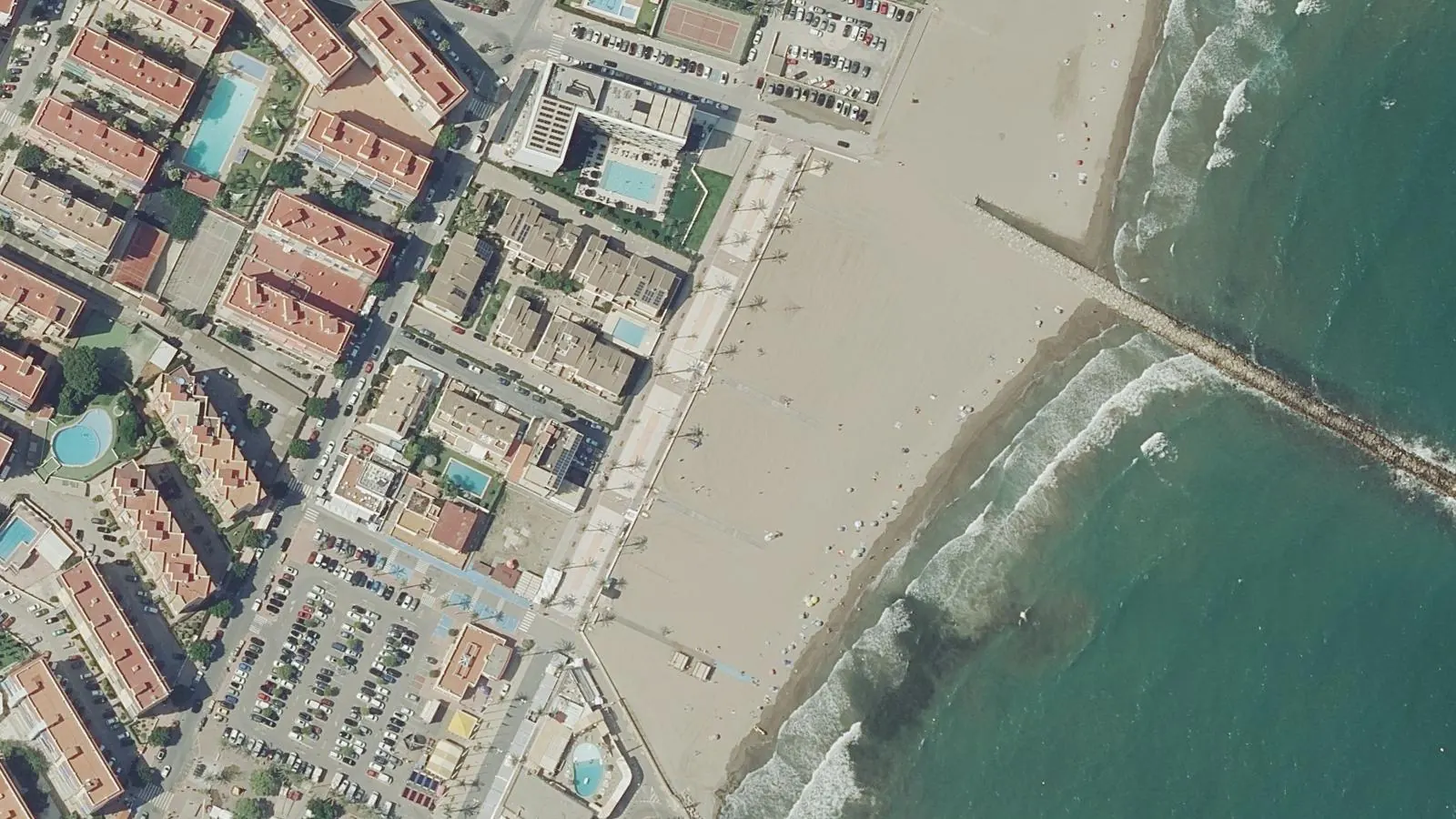
Sandy beach north of town, easily reached via Avenida del Mar, Avenida Neptuno, or Plaza de les Corts Valencianes. The beach sits near the promenade and town centre. For more information, visit www.lapobladefarnals.es
Quick Overview
Plan Your Visit to Pobla de Farnals Norte
The key facts before you go
About the Beach
What is Pobla de Farnals Norte?
Pobla De Farnals Norte is a sandy family beach located on the northern edge of la Pobla de Farnals in the Valencian Community. Positioned along the coast south of Valencia, this urban beach sits near the town's promenade and offers straightforward access via Avenida del Mar and surrounding streets. The beach consistently maintains excellent bathing water quality and operates with lifeguards during peak periods. Its fine sand and accessible location have made it a regular choice for families exploring the local coast. The beach faces south, capturing good light throughout the day.
It sits alongside certified beaches along Valencian Community, part of a broader network of certified beaches throughout Spain certified annually by the Foundation for Environmental Education.
Visitor Feedback
What Visitors Say About Pobla de Farnals Norte
What visitors appreciate
- family atmosphere|seaweed|fine sand|family-friendly beach|promenade|footbath|urban beach|volleyball court|blue flag|games for kids
- Well-staffed with lifeguards during season
- Excellent EU-rated bathing water quality
Points to consider
- Can be busy during July and August peak season
- Facilities may be reduced outside peak months
Based on aggregated public visitor feedback. Themes are synthesised from multiple sources, not individual quotes. Zeach does not reproduce individual reviews.
Sunrise, Sunset & Beach Direction
Pobla de Farnals Norte faces south toward Mediterranean Sea. The best light for photography and swimming is typically in June. Direct sun hours follow that facing.
Planning
When to Go: Month by Month
| Month | Air Temp | Water Temp | Crowds |
|---|---|---|---|
| Jan | 11°C | 8°C | Low |
| Feb | 12°C | 9°C | Low |
| Mar | 14°C | 11°C | Low |
| Apr | 15°C | 12°C | Low |
| May | 19°C | 16°C | Low |
| Jun | 23°C | 20°C | Med |
| Jul | 26°C | 23°C | High |
| Aug | 26°C | 23°C | High |
| Sep | 24°C | 21°C | Med |
| Oct | 20°C | 17°C | Low |
| Nov | 15°C | 12°C | Low |
| Dec | 12°C | 9°C | Low |
The best time to visit Pobla de Farnals Norte is June. Air temperatures peak around 26.3°C in summer. Peak water temperature reaches 23.3°C in July.
How crowded does Pobla de Farnals Norte get?Pobla De Farnals Norte operates as an urban family beach, meaning the crowd character shifts noticeably between seasons and weekdays. How does the beach feel when you arrive? In July and August, expect concentrated numbers, families with children dominate the visitor profile, particularly on weekends and Spanish holiday periods. The promenade area becomes a social hub with families using the footbath, children playing in the designated games areas, and volleyball courts hosting informal matches. The fine sand and family-friendly reputation draw multi-generational groups. Weekday mornings in summer tend to be less crowded than afternoons and evenings. Weekends and especially public holidays see peak density, particularly along the stretch nearest the town access points. Outside the July-August window, visitor numbers drop considerably. June and September still attract families but with noticeably more space. Spring months (April-May) see lighter use, as water temperatures remain cool. Winter months are quiet, with hardy swimmers and locals predominating. The lifeguard presence means the beach maintains active oversight during the official bathing season, which influences when groups gather. The volleyball court activity tends to concentrate crowds in specific zones, leaving other sections less dense.
Is Pobla de Farnals Norte open year-round?The beach itself is accessible year-round, though staffed facilities including lifeguards typically operate only during the official season (14-06 – 14-09). The Blue Flag is displayed during the certification period only.
The Water
Swimming and Beach Life at Pobla de Farnals Norte
Is Pobla de Farnals Norte safe to swim?Pobla de Farnals Norte is Blue Flag certified, which requires meeting strict bathing water standards set by the EU Bathing Water Directive. Water quality is rated Excellent. Lifeguards are on duty during the official season.
What is the water temperature at Pobla de Farnals Norte?Peak water temperature at Pobla de Farnals Norte reaches around 23.3°C in July, making it comfortable for swimming during the summer months. In winter (January), air temperatures average 11°C.
What is the beach like at Pobla de Farnals Norte?Pobla De Farnals Norte stretches as a sandy beach integrated into the urban fabric of la Pobla de Farnals. What makes this beach functional for swimmers and families is its combination of fine sand and direct connection to the town's infrastructure. The beach sits near the promenade, creating a natural meeting point between the waterfront and urban spaces. Access routes through Avenida del Mar, Avda Neptuno, and Plaza de les Corts Valencianes mean you can reach the sand without lengthy walks from parking or transport links. Water quality here is rated excellent, which reflects consistent monitoring and management. Lifeguards are present, providing supervision during bathing periods. The south-facing orientation means the beach catches afternoon sun reliably, though this also means exposure to afternoon warmth in summer months. Water temperatures follow the typical Mediterranean seasonal pattern. Winter months from January through March see temperatures between 8–10.5°C, making swimming uncomfortable for most people without a wetsuit. Spring warming begins in April (12.2°C) and accelerates through May (16.3°C). June brings a significant jump to 20.4°C. The warmest period runs July through August, with temperatures holding around 23.3–23.4°C. This is the practical swimming season. September remains warm at 20.6°C, but October drops back to 16.5°C, signalling the end of comfortable bathing. The beach includes practical facilities. A footbath is available for rinsing sand and salt. A volleyball court gives visitors activity options beyond swimming. Space exists for games and informal recreation. Visitor reviews consistently mention the fine sand quality, family atmosphere, and urban accessibility as defining features. Seaweed can appear depending on sea conditions and seasonal patterns, which is typical for Mediterranean beaches in this region.
Does Pobla de Farnals Norte have good facilities?As a Blue Flag certified beach, Pobla de Farnals Norte meets the Foundation for Environmental Education's standards for facilities and services. Trained lifeguards are on duty during the season. Parking is available nearby. The beach has disabled access facilities.
Pobla de Farnals Norte sits on the Mediterranean Sea: explore all Blue Flag beaches on the Mediterranean.
Planning a trip to Spain? Blue Flag Beaches Spain 2026 , our editorial guide to certified beaches across the country.
While You're Here
Beyond Pobla de Farnals Norte
La Pobla de Farnals itself is a small coastal town with a modest urban core. The town centre lies south of the beach, accessible via the same streets that lead beachgoers to the sand. The promenade connecting the beach to town facilities creates a natural walking route. Local amenities in the town include basic services and restaurants, though the settlement is quieter and smaller than nearby Valencia. The wider Valencian coast offers other beaches within short driving distances, with Valencia city itself (about 19 kilometres south) providing museums, the City of Arts and Sciences complex, and broader cultural attractions. The region's orange groves and agricultural landscape are visible from the coast, reflecting the area's agricultural heritage alongside its modern coastal development.
Transport
Getting to Pobla de Farnals Norte
How do I get to Pobla de Farnals Norte by car?Pobla de Farnals Norte is approximately 4.04 km from la Pobla de Farnals. Follow local road signs to the beach. Check Google Maps or a local map for the most current directions.
What is the nearest airport to Pobla de Farnals Norte?The nearest airport is Valencia Airport (VLC) (VLC), approximately 19.1 km away. Valencia Airport (VLC) is the nearest airport at 19.1 kilometres from Pobla De Farnals Norte. The airport handles both domestic and international flights, connecting the region to major European hubs. From the airport, several transport options reach the beach. Taxi services operate from the departure level and provide direct routes to la Pobla de Farnals, typically taking 25–35 minutes depending on traffic. Car rental agencies at the airport allow independent travel along local roads to the beach. Public transport links exist via metro or bus services from the airport into Valencia city, from where you can connect onward to la Pobla de Farnals using regional services. Journey times from airport to beach range from 45 minutes to over an hour depending on your chosen method and traffic conditions.
Can I get to Pobla de Farnals Norte by public transport?Public transport options vary by season. Check local transport authority websites for current bus and train schedules connecting to la Pobla de Farnals. The nearest recorded bus stop is 208 m from the beach.
Is there a train to Pobla de Farnals Norte?Pobla de Farnals Norte lists Massalfassar as the nearest railway station, 3.28 km away. Check current timetables before travelling.
Map
Find Pobla de Farnals Norte
Open the map or get directions to the Pobla de Farnals Norte pin. Amenity names are listed here only when OpenStreetMap has a mapped feature nearby.
Map loads when you ask. Tiles stay off the first paint.
Map: OpenStreetMap (ODbL)
Practical Details
Practical Information
| At the Beach | |
| Entry | Free: no charge to access the beach |
|---|---|
| Lifeguards | ✓ On duty during official season |
| Disabled Access | ✓ Accessible site facilities and water entry |
| Showers | ✗ |
| Toilets | ✗ |
| Official Season | 14 Jun – 14 Sep |
| Beach Type | Sandy beach |
| Parking | ✓ Available nearby (surface parking) |
| Nearest supermarket | 3.1 km from the beach |
| Nearest bus stop | 208 m from the beach |
| Visiting Information | |
| GPS Coordinates | 39.5656°N, 0.2820°W |
| Water Quality | Excellent (EU Bathing Water Directive) |
| Blue Flag Operator | Foundation for Environmental Education (FEE), Spain |
Frequently Asked Questions
Pobla de Farnals Norte FAQ
Is Pobla De Farnals Norte worth visiting?
Yes, if you want a family-oriented urban beach with excellent water quality and straightforward access from town. The fine sand, lifeguard presence, and facilities like the volleyball court and footbath make it practical for families. It's not a remote or secluded beach (it's integrated into the town) so value depends on whether you want that urban convenience. The location near Valencia Airport (19 km away) makes it useful for quick coastal visits. Water is warm enough for comfortable swimming July through September, though it's cold for most swimmers the rest of the year.
How do I get to Pobla De Farnals Norte?
From Valencia Airport (VLC), you have three main options: taxi services (25–35 minutes direct), car rental for independent driving, or public transport via metro/bus into Valencia then onward services to la Pobla de Farnals (45+ minutes total). Once in the town, the beach is accessed via Avenida del Mar, Avda Neptuno, or Plaza de les Corts Valencianes. These streets connect directly to the sand. Parking exists near the beach and promenade area. The town is small enough that walking from central locations is feasible for most visitors.
What is the best time of year to visit Pobla De Farnals Norte?
July and August offer the warmest water (23.3–23.4°C) and peak facilities, though crowds are heaviest then. June and September provide warm water (20.4°C and 20.6°C respectively) with fewer visitors. May sees water reach 16.3°C, acceptable for most swimmers with brief exposure. April (12.2°C) and October (16.5°C) are marginal, swimmable but cool. November through March have cold water (8–11°C), unsuitable for recreational swimming without wetsuits. The official swim season runs July through August, reflecting water temperature and lifeguard schedules.
What facilities are there at Pobla De Farnals Norte?
The beach has lifeguards during the bathing season, a footbath for rinsing sand and salt, and a volleyball court. Spaces exist for games and informal recreation. These facilities align with its family-friendly profile. The promenade runs alongside the beach, providing access to town amenities. The beach itself is sandy with fine grain quality. Services like restaurants, shops, and accommodation exist in the adjacent town. The beach does not have elaborate facilities, it remains urban and practical rather than resort-style.
Is Pobla De Farnals Norte suitable for families?
Yes. It's specifically characterized as a family beach with a family atmosphere. Fine sand, lifeguard supervision, designated areas for games and kids' activities, and the volleyball court make it family-oriented. The promenade and urban setting provide safe walking and supervision environments. Water quality is excellent. The town is small and manageable for families navigating facilities. Seaweed can appear seasonally, which is typical and not a serious concern. Summer months (July-August) when water is warmest are peak family periods, though crowds are accordingly higher then.
Explore More
Nearby Blue Flag Beaches
Editorial
From the Zeach Blog
Everything you need to know about what makes a beach qualify for Blue Flag status, from water quality to environmental education.
Read moreOur editorial team's pick of the standout Blue Flag beaches in Spain, rated for family friendliness, scenery, and facilities.
Explore SpainWhat the flag actually means, how certification works, and why a Blue Flag is a genuinely reliable signal, not just a marketing tool.
Read moreSources
- Foundation for Environmental Education: Blue Flag programme
- FEE site listing for Pobla de Farnals Norte
- ADEAC (Asociación de Educación Ambiental y del Consumidor)
- European Environment Agency: bathing water quality
Last verified September 2026. National operator pages and FEE listings are the primary certification sources.