Plakias
Region of Crete, Greece: Excellent water quality
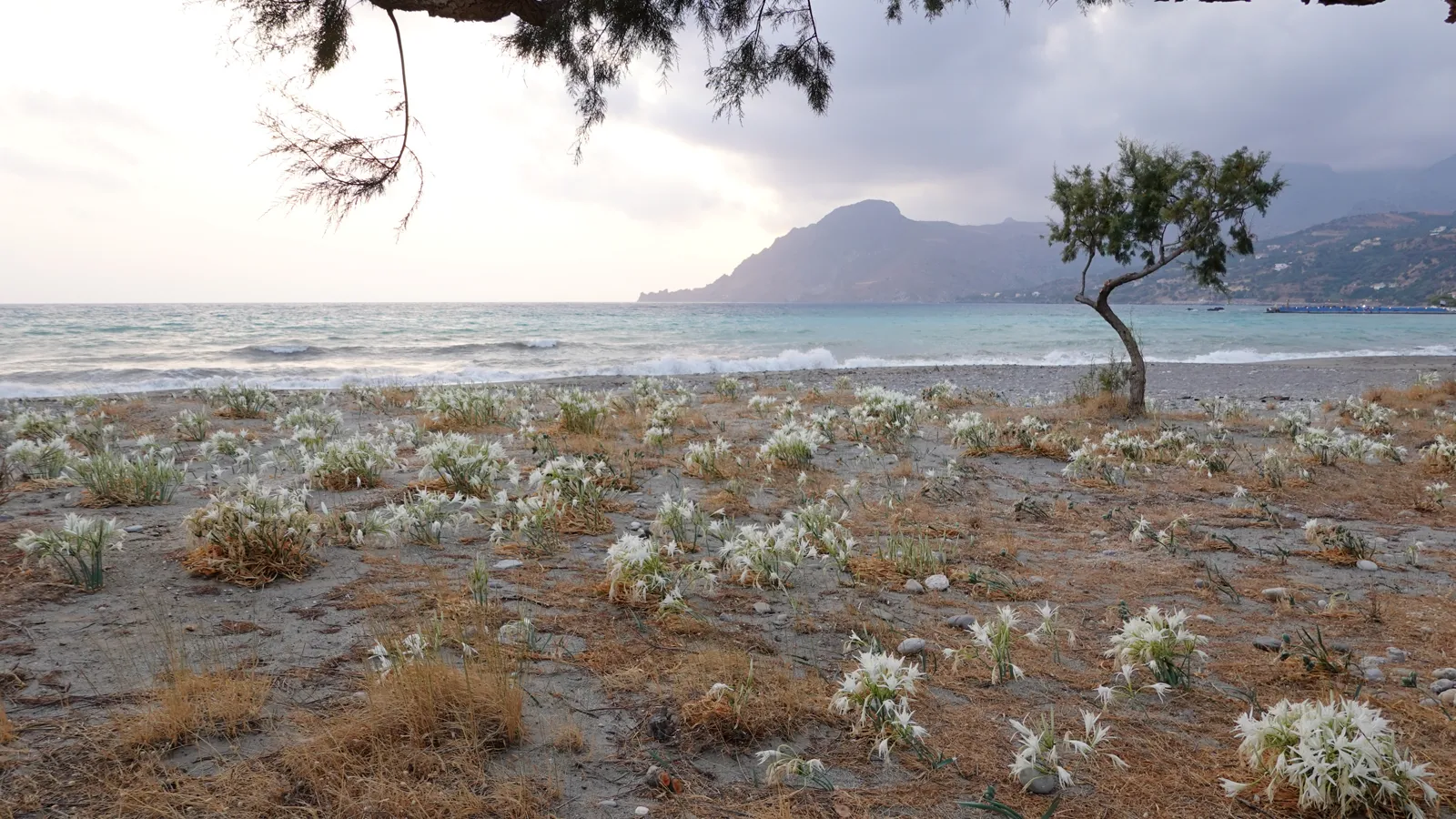
The ALIANTHOS hotel sits on the Plakias coast in Finika municipality on Crete, Greece. The beach itself is sandy, 280 meters long and 40 meters wide, with direct access from the public street via wooden walkways and ramps that accommodate visitors with mobility needs.
Quick Overview
Plan Your Visit to Plakias
The key facts before you go
About the Beach
What is Plakias?
Plakias is a 280-metre sandy beach located on Crete's south coast in the Municipality of Agios Vasileios. The beach stretches 40 metres wide and maintains excellent bathing water quality year-round. The shoreline is framed by Tamarisk trees and Cistus bushes, creating a natural backdrop typical of southern Crete's coastal landscape. Lifeguards are on duty during the swimming season. The beach sits within a small resort area where several hotels and rental accommodations operate alongside tourist facilities. Access is straightforward via public roads, with dedicated wooden walkways and ramps installed for visitors with mobility needs.
It sits alongside other certified beaches in Region of Crete, part of a broader network of other Blue Flag beaches in Greece certified annually by the Foundation for Environmental Education.
Sunrise, Sunset & Beach Direction
Plakias faces south toward Mediterranean Sea. The best light for photography and swimming is typically in April, May, June. Direct sun hours follow that facing.
Planning
When to Go: Month by Month
| Month | Air Temp | Water Temp | Crowds |
|---|---|---|---|
| Jan | 12°C | 9°C | Low |
| Feb | 13°C | 10°C | Low |
| Mar | 13°C | 10°C | Low |
| Apr | 17°C | 14°C | Low |
| May | 21°C | 18°C | Low |
| Jun | 25°C | 22°C | Low |
| Jul | 27°C | 24°C | Med |
| Aug | 27°C | 24°C | High |
| Sep | 24°C | 21°C | High |
| Oct | 21°C | 18°C | Med |
| Nov | 17°C | 14°C | Low |
| Dec | 14°C | 11°C | Low |
The best time to visit Plakias is April, May, June. Air temperatures peak around 27°C in summer. Peak water temperature reaches 24°C in July.
How crowded does Plakias get?Plakias attracts a steady but not overwhelming visitor population, typical of a small Cretan resort beach rather than a major tourist destination. The beach's 280-metre length means it rarely feels severely crowded, even during peak season July and August when Greek schools close and European holidays peak. The presence of the ALIANTHOS hotel and neighbouring accommodation creates a core of regular guests, but the beach's modest size and limited profile keep numbers manageable compared to northern Crete beaches. June and September offer noticeably quieter conditions, water temperatures are still suitable (17.8°C in May warming to 21.4°C in September), but many holiday-makers have shifted to busier destinations. Late May could be considered genuinely quiet, though water temperature sits at 17.8°C, which suits confident swimmers but deters casual bathers. The resort facilities like sea sports and bike rental suggest the beach does host organized activities during peak season, which may concentrate visitors during specific times. Families are well-represented given the accessibility infrastructure and gradual seafloor gradient. The lifeguard presence during the season is a practical consideration for family safety. The natural surroundings and established amenities mean the beach maintains a functional, working atmosphere rather than a secluded character, this appeals to visitors seeking basic comfort and organized facilities rather than isolation.
Is Plakias open year-round?The beach itself is accessible year-round, though staffed facilities including lifeguards typically operate only during the official season (01-07 – 31-10). The Blue Flag is displayed during the certification period only.
The Water
Swimming and Beach Life at Plakias
Is Plakias safe to swim?Plakias is Blue Flag certified, which requires meeting strict bathing water standards set by the EU Bathing Water Directive. Water quality is rated Excellent. Lifeguards are on duty during the official season.
What is the water temperature at Plakias?Peak water temperature at Plakias reaches around 24°C in July, making it comfortable for swimming during the summer months. In winter (January), air temperatures average 11.6°C.
What is the beach like at Plakias?Plakias beach itself is a working sandy shore that reflects the practical reality of a small Cretan resort destination. The 280-metre length and 40-metre width create a defined bathing area suitable for families and regular swimmers. Sand quality is consistent, and the seafloor shelves gradually, which many swimmers find accessible. What makes Plakias distinctive is its accessibility infrastructure, wooden walkways and ramps have been constructed specifically to accommodate people with reduced mobility, making it one of the more inclusive beaches in the region. The water quality classification of 'Excellent' means the beach meets the highest EU bathing water standards. Winter temperatures drop to 8.6°C in January, making winter swimming challenging for most visitors. The swimming season genuinely runs from June through September, when water temperatures climb from 17.8°C in May to peak at 24°C in July and August, then gradually cool to 21.4°C by September. Air temperatures during peak season reach 27°C, dropping to around 24°C by early September. Natural features include native Mediterranean vegetation: Giant fennel grows in surrounding areas, while Tamarisk and Cistus dominate the immediate shoreline. Birdlife includes the Yellow-legged Gull (Larus argentatus) and European Goldfinch (Carduelis carduelis), both common along Cretan coasts. The beach is south-facing, which means consistent sun exposure throughout the day and natural shelter from northern winds. The ALIANTHOS hotel directly operates on this stretch, and other accommodation options cluster nearby, creating a modest but established resort environment. This isn't a remote or undeveloped beach, it's a managed facility within a small tourism infrastructure. Sea sports equipment rental and bicycle hire are available, indicating recreational options beyond basic swimming. The beach remains accessible to day visitors via the public street system.
Does Plakias have good facilities?As a Blue Flag certified beach, Plakias meets the Foundation for Environmental Education's standards for facilities and services. Trained lifeguards are on duty during the season. Showers are available. Parking is available nearby. The beach has disabled access facilities.
Plakias sits on the Mediterranean Sea: explore all Blue Flag beaches on the Mediterranean.
Planning a trip to Greece? How Greece earns the most Blue Flags , our editorial guide to certified beaches across the country.
While You're Here
Beyond Plakias
The immediate surroundings are dominated by the resort infrastructure of small hotels and rental properties clustered along the Plakias coast. The landscape itself is Mediterranean scrub. Tamarisk groves provide shade near the shoreline, while Cistus bushes and Giant fennel populate the hinterland. This vegetation is typical of southern Crete's semi-arid zone. Beyond the immediate beach area, the Municipality of Agios Vasileios and the broader Finika district offer typical Cretan village life. Inland settlements retain traditional architecture and local tavernas serving regional food. The southern coast of Crete is less developed than the northern shore, meaning fewer large tourism complexes and a quieter character overall. Sea sports facilities at Plakias include rental equipment for water activities. Bicycle and car hire are available, enabling exploration of surrounding coastal areas and inland villages. The modest scale of the resort means amenities are functional rather than extensive, visitors seeking nightlife or large shopping facilities should travel to larger towns like Rethymno.
Transport
Getting to Plakias
How do I get to Plakias by car?Plakias is approximately 9.65 km from Municipality of Agios Vasileios. Follow local road signs to the beach. Check Google Maps or a local map for the most current directions.
What is the nearest airport to Plakias?The nearest airport is Heraklion International "Nikos Kazantzakis" Airport (HER), approximately 73.1 km away. Heraklion International 'Nikos Kazantzakis' Airport (HER) is the nearest airport, situated 73.1 kilometres from Plakias. The drive takes approximately 75–90 minutes depending on traffic and road conditions. Car rental is the most practical option from the airport, with rental desks operating in the terminal. The route heads south from Heraklion toward the town of Rethymno, then continues inland toward the municipality of Agios Vasileios and Plakias. The final approach follows public roads directly to the beach. Pre-booking a rental vehicle is recommended during July and August.
Can I get to Plakias by public transport?Public bus services connect Heraklion to the broader Crete region, but direct coastal routes to Plakias are limited. Check current schedules with the local bus operator (KTEL) as timetables change seasonally. The journey typically requires transfers and may take several hours. During peak season, services may be more frequent. Buses serve the Municipality of Agios Vasileios, from which local transport to Plakias is necessary. The nearest recorded bus stop is 254 m from the beach.
Map
Find Plakias
Open the map or get directions to the Plakias pin. Amenity names are listed here only when OpenStreetMap has a mapped feature nearby.
Map loads when you ask. Tiles stay off the first paint.
Map: OpenStreetMap (ODbL)
Practical Details
Practical Information
| At the Beach | |
| Entry | Free: no charge to access the beach |
|---|---|
| Lifeguards | ✓ On duty during official season |
| Disabled Access | ✓ Accessible site facilities and water entry |
| Showers | ✓ Available during season |
| Toilets | ✗ |
| Official Season | 01 Jul – 31 Oct |
| Beach Type | Sandy beach |
| Parking | ✓ Available nearby (surface parking) |
| Nearest supermarket | 70 m from the beach |
| Nearest bus stop | 254 m from the beach |
| Visiting Information | |
| GPS Coordinates | 35.1888°N, 24.3971°E |
| Water Quality | Excellent (EU Bathing Water Directive) |
| Blue Flag Operator | Foundation for Environmental Education (FEE), Greece |
Frequently Asked Questions
Plakias FAQ
Is Plakias worth visiting?
Plakias suits visitors seeking a straightforward Cretan beach experience with good water quality and practical facilities. The Excellent bathing water classification confirms safety standards. It's not a dramatic or remote destination, it's a functional resort beach with established accommodation and sea sports. The accessibility infrastructure for people with mobility needs is a genuine strength. Visit if you prefer consistency, lifeguard cover, and organized amenities over isolation or dramatic scenery. The gradual seafloor and lifeguard presence make it reasonable for families. Peak season (July–August) brings steady crowds but rarely overwhelming numbers.
How do I get to Plakias?
Heraklion Airport (HER), 73 kilometres away, is your primary entry point. Car rental is the most practical option, the drive takes 75–90 minutes heading south toward Rethymno, then inland to Agios Vasileios municipality and Plakias. Public buses from Heraklion exist but involve transfers and longer journey times; check KTEL schedules as they vary seasonally. Once at the beach, public road access is straightforward, with dedicated wooden walkways and ramps constructed for accessibility.
What's the best time of year to visit?
June through September is the official swimming season, with water temperatures reaching 24°C in July and August. Air temperatures peak at 27°C in these months. June and September offer quieter conditions than July–August while maintaining warm water (17.8°C in May, 21.4°C in September). May is possible for confident swimmers but water sits at 17.8°C. Winter months (January–March) see water temperatures drop to 8.6–10.3°C and are unsuitable for recreational swimming. Visit June or early September for balance between weather, water warmth, and crowd levels.
What facilities are there at Plakias?
Lifeguards are stationed during the swimming season. Sea sports equipment rental, car hire, and bicycle rental are available on-site. The ALIANTHOS hotel operates directly on the beach alongside other accommodation options. Wooden walkways and ramps provide accessible routes for people with mobility needs. The beach is accessed via public roads. Environmental activities including beach cleaning and educational seminars are organized. Beyond the beach, surrounding villages have tavernas and basic services typical of Cretan communities.
Is Plakias suitable for families?
Yes, Plakias has specific advantages for families. The seafloor slopes gradually, making entry safe for children. Lifeguards provide supervision during the season (June–September). The accessibility infrastructure (wooden walkways and ramps) demonstrates family-focused design. Water quality is Excellent, meeting the highest safety standards. The modest beach size means it rarely becomes dangerously crowded. Bicycle rental and sea sports create activity options. The established resort environment with hotels and rental accommodations means families find conventional amenities. Peak season (July–August) brings other families and children, creating a social environment.
Explore More
Nearby Blue Flag Beaches
Editorial
From the Zeach Blog
Everything you need to know about what makes a beach qualify for Blue Flag status, from water quality to environmental education.
Read moreOur editorial team's pick of the standout Blue Flag beaches in Greece, rated for family friendliness, scenery, and facilities.
Explore GreeceWhat the flag actually means, how certification works, and why a Blue Flag is a genuinely reliable signal, not just a marketing tool.
Read moreSources
- Foundation for Environmental Education: Blue Flag programme
- FEE site listing for Plakias
- Hellenic Society for the Protection of Nature (EEPF)
- European Environment Agency: bathing water quality
Last verified September 2026. National operator pages and FEE listings are the primary certification sources.