Murtinheira
Coimbra, Portugal: Excellent water quality
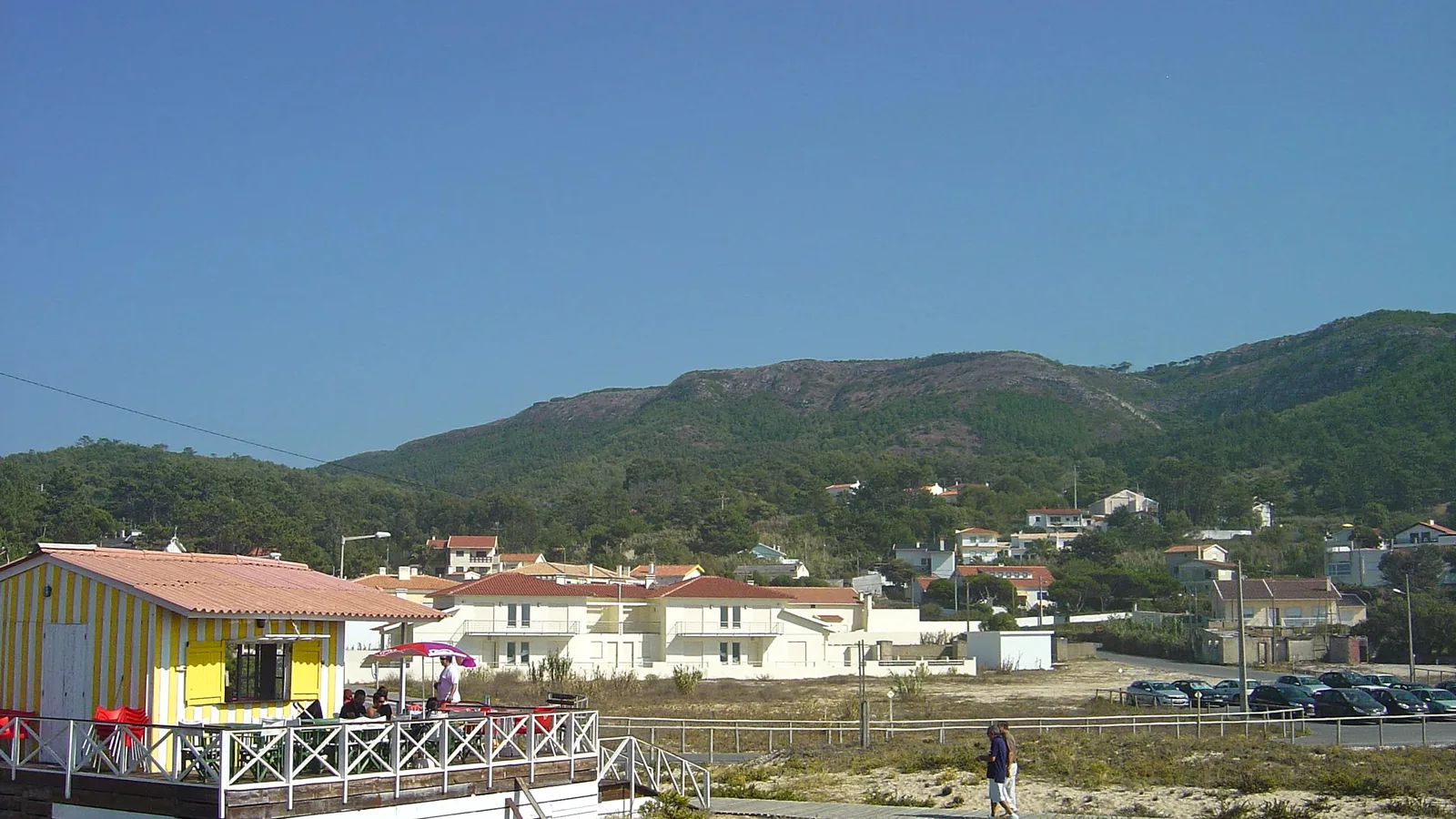
Murtinheira Beach is one of several beaches along the Quiaios coast. The wide sandy expanse and extensive dune system make it ideal for visitors seeking space and solitude. Wooden boardwalks protect the vegetation as you cross the dunes to reach the shore. The beach has…
Quick Overview
Plan Your Visit to Murtinheira
The key facts before you go
About the Beach
What is Murtinheira?
Murtinheira Beach sits on the Coimbra coast near Figueira da Foz, part of the Quiaios settlement's extended shoreline. This is a south-facing sandy beach known primarily for surf and bodyboard conditions. What makes Murtinheira distinct is its combination of space and relative solitude, an extensive sandy area backed by wild dune systems gives visitors room to spread out. The beach features wooden pathways that protect the dune vegetation, preserving the landscape's character. Bathing water quality rates as Excellent, and lifeguards are on duty during peak seasons. The setting mixes ocean views with countryside backdrop, offering appeal both to water sports enthusiasts and those seeking a less crowded coastal experience.
It sits alongside Blue Flag beaches in Coimbra, part of a broader network of Blue Flag certified beaches across Portugal certified annually by the Foundation for Environmental Education.
Sunrise, Sunset & Beach Direction
Murtinheira faces south toward Atlantic Ocean. The best light for photography and swimming is typically in June, September. Direct sun hours follow that facing.
Planning
When to Go: Month by Month
| Month | Air Temp | Water Temp | Crowds |
|---|---|---|---|
| Jan | 11°C | 8°C | Low |
| Feb | 12°C | 9°C | Low |
| Mar | 13°C | 10°C | Low |
| Apr | 14°C | 11°C | Low |
| May | 16°C | 13°C | Low |
| Jun | 18°C | 15°C | Med |
| Jul | 20°C | 17°C | High |
| Aug | 20°C | 17°C | High |
| Sep | 19°C | 16°C | Med |
| Oct | 17°C | 14°C | Low |
| Nov | 14°C | 11°C | Low |
| Dec | 12°C | 9°C | Low |
The best time to visit Murtinheira is June, September. Air temperatures peak around 19.6°C in summer. Peak water temperature reaches 16.6°C in July.
How crowded does Murtinheira get?Murtinheira Beach draws fewer crowds than Figueira da Foz's central beaches, partly due to its distance from the town center and partly because its reputation rests primarily on water sports rather than family bathing. The extensive sandy area means that even when visitors do arrive, they distribute across a wide space. Summer weekends will see activity, particularly from surfers and bodyboarders, but rarely reaches saturation point. Winter months, the prime swell season, attract dedicated water sports enthusiasts rather than casual swimmers, so the beach maintains a quieter character. The wooden pathways and dune protection suggest low-key management, you won't find beach bars, sun loungers for rent, or the typical commercial beach infrastructure. This appeals to visitors seeking space and self-sufficiency but means facilities are minimal and crowds stay modest year-round.
Is Murtinheira open year-round?The beach itself is accessible year-round, though staffed facilities including lifeguards typically operate only during the official season (04-06 – 20-09). The Blue Flag is displayed during the certification period only.
The Water
Swimming and Beach Life at Murtinheira
Is Murtinheira safe to swim?Murtinheira is Blue Flag certified, which requires meeting strict bathing water standards set by the EU Bathing Water Directive. Water quality is rated Excellent. Lifeguards are on duty during the official season.
What is the water temperature at Murtinheira?Peak water temperature at Murtinheira reaches around 16.6°C in July, making it comfortable for swimming during the summer months. In winter (January), air temperatures average 10.7°C.
What is the beach like at Murtinheira?Murtinheira Beach stretches across a substantial sandy expanse, typical of the Quiaios coastal zone. The dune system behind the beach is notably wild and rich in vegetation, these are working dunes rather than manicured landscape. Access to the beach itself is managed through wooden boardwalks and passageways that deliberately protect the dune plant life from foot traffic, a sensible approach that keeps the system stable and the aesthetics intact. Surfing and bodyboarding are the primary water sports here. The Atlantic swell patterns that affect this stretch of Portugal's central coast generate consistent conditions, particularly during autumn and winter months when Atlantic storms push energy toward the shore. Water temperatures climb from 7.7°C in January to a peak of 16.6°C in July, so a wetsuit is practical year-round unless you visit mid-summer. The beach faces south, which provides some shelter from northern Atlantic swells while still receiving quality southern groundswell. Bathing water quality is rated Excellent, which matters if you're spending extended time in the water. Lifeguards are present, though their full season of operation should be confirmed before visiting off-peak months. Sand composition here is typical Atlantic beach sand, medium grain with reasonable firmness when wet, suitable for walking and setting up. The extensive width means crowds rarely feel overwhelming, even during summer weekends. The countryside-ocean blend creates a distinct atmosphere from more built-up beach towns; there's genuinely more space and fewer commercial pressures here. If you're traveling with surf equipment or planning extended water sessions, the practical setup (width, swell access, and lifeguard presence) works well.
Does Murtinheira have good facilities?As a Blue Flag certified beach, Murtinheira meets the Foundation for Environmental Education's standards for facilities and services. Trained lifeguards are on duty during the season. Showers are available. Parking is available nearby.
Murtinheira sits on the Atlantic Ocean: explore all Blue Flag beaches on the Atlantic.
Planning a trip to Portugal? Blue Flag Beaches Portugal , our editorial guide to certified beaches across the country.
While You're Here
Beyond Murtinheira
Figueira da Foz, the nearest city approximately 15 km away, functions as the practical base for supplies and services. The town has restaurants, shops, and accommodation of various grades. The Quiaios settlement itself, where Murtinheira sits, is smaller and quieter, expect limited services directly at the beach. The surrounding Coimbra region offers broader attractions: Coimbra city itself, around 40 km inland, contains the University of Coimbra and associated historic architecture. If you're staying several days, day trips to inland towns or coastal variants like Buarcos (north of Figueira) are feasible. The central Portuguese coastline between Figueira and Aveiro has a string of beaches with distinct characters. Murtinheira's appeal lies in its space and relative wildness rather than proximity to attractions.
Transport
Getting to Murtinheira
How do I get to Murtinheira by car?Murtinheira is approximately 7.42 km from Figueira da Foz. Follow local road signs to the beach. Check Google Maps or a local map for the most current directions.
What is the nearest airport to Murtinheira?The nearest airport is Viseu Airport (VSE) (VSE), approximately 102.6 km away. Viseu Airport (VSE) is the nearest airport at 102.6 km away. From there, ground transport to Murtinheira involves roughly 90 minutes driving time to Figueira da Foz, then a further 15 minutes to the Quiaios area where Murtinheira sits. Car rental is practical if you plan beach access beyond a single day. Alternatively, arrange a transfer or taxi from Viseu, though costs will reflect the distance. The journey itself passes through central Portugal's landscape, which has its own interest if you're traveling slowly.
Can I get to Murtinheira by public transport?Public transport options vary by season. Check local transport authority websites for current bus and train schedules connecting to Figueira da Foz. The nearest recorded bus stop is 94 m from the beach.
Is there a train to Murtinheira?Murtinheira lists Figueira da Foz as the nearest railway station, 7.79 km away. Check current timetables before travelling.
Nearby
Near Murtinheira
Mapped toilets, bus stops, cafés, parking, and shops within about 500 m of Murtinheira. Distances are walking-line estimates from the beach pin.
Map loads when you ask. Tiles stay off the first paint.
Map: OpenStreetMap (ODbL)
Bus near Murtinheira
- Bus stop Bus stop 94 m
- Bus stop Bus stop 299 m
Cafés near Murtinheira
- SAND murtinheira Restaurant 328 m
Parking near Murtinheira
- Parking Parking 197 m
- Parking Parking 249 m
Supermarket near Murtinheira
- MAM Supermarket 98 m
Source: © OpenStreetMap contributors (ODbL). Names and positions come from mapped OSM features. Confirm on site.
Practical Details
Practical Information
| At the Beach | |
| Entry | Free: no charge to access the beach |
|---|---|
| Lifeguards | ✓ On duty during official season |
| Disabled Access | ✗ No dedicated disabled access listed |
| Showers | ✓ Available during season |
| Toilets | ✗ |
| Official Season | 04 Jun – 20 Sep |
| Beach Type | Sandy beach |
| Parking | ✓ Available nearby (surface parking) |
| Nearest supermarket | 100 m from the beach |
| Nearest bus stop | 94 m from the beach |
| Visiting Information | |
| GPS Coordinates | 40.2085°N, 8.8941°W |
| Water Quality | Excellent (EU Bathing Water Directive) |
| Blue Flag Operator | Foundation for Environmental Education (FEE), Portugal |
Frequently Asked Questions
Murtinheira FAQ
Is Murtinheira Beach worth visiting?
Yes, particularly if you surf or bodyboard or value space and quieter conditions over facilities and crowds. The Excellent bathing water quality, lifeguard presence, and extensive sandy area make it practical. The dune landscape and wooden pathways preserve character rather than commodifying it. If you need beach bars, accommodation, or entertainment on-site, you'll need Figueira da Foz instead. The beach rewards visitors who come with clear purpose (water sports, walking, or simple quietness) rather than those expecting resort-style amenities.
How do I get to Murtinheira Beach?
By car is most practical. From Figueira da Foz (15 km south), follow directions to Quiaios settlement; Murtinheira is along this coastal zone. Viseu Airport is 102.6 km away; rent a car or arrange a transfer. Public transport options are limited, bus services exist but frequencies are lower than to larger towns. If traveling by rail, Figueira da Foz station exists; from there, you'll need local transport to reach the beach. Plan on Figueira as your logistical hub for supplies and services.
What is the best time of year to visit?
For surfing and bodyboarding, autumn and winter (September–February) offer best swell conditions, though water temperatures drop to 7.7–10.7°C, requiring wetsuits. Summer (June–August) brings warmest water (14.8–16.6°C) and air temperatures around 19–20°C, suitable for swimming without full wetsuits, but swell is typically smaller. Spring and early autumn (April–May, September) balance moderate water temperatures, reasonable swell, and fewer crowds than peak summer. Your choice depends on whether you prioritize swell quality or water warmth.
What facilities are there at Murtinheira Beach?
Lifeguards are present (confirm seasonal operation). Wooden pathways and boardwalks provide dune access. Beyond that, on-site infrastructure is minimal, no beach bars, restaurants, or rental services directly at Murtinheira. This reflects the beach's character: it prioritizes landscape preservation over commercial development. Bring supplies with you or visit Figueira da Foz, 15 km north, for shops, restaurants, and accommodation. The beach suits self-sufficient visitors; expect to organize your own food and drink.
Is Murtinheira Beach suitable for families?
It can be, with planning. Excellent bathing water quality and lifeguard presence support safe swimming. The extensive space reduces crowding stress. However, lack of on-site facilities (no cafes, changing facilities clarity unclear, minimal shade) means families need to be self-sufficient and bring supplies. If your children require entertainment infrastructure, beach bars, or easy access to food, Figueira da Foz's central beaches may suit better. Murtinheira works for families comfortable with quieter, less-equipped beaches and longer car journeys for supplies.
Is there a bus near Murtinheira?
Yes. OpenStreetMap maps a public-transport stop 94 m from Murtinheira (Bus stop), plus 1 more within about 500 m. Check current timetables before you travel. © OpenStreetMap contributors (ODbL).
Are there cafés near Murtinheira?
Yes. OpenStreetMap lists a café or restaurant near Murtinheira, including SAND murtinheira (328 m). Hours and seasonal opening are not verified here. Check on the day. © OpenStreetMap contributors (ODbL).
Is there parking near Murtinheira?
Yes. OpenStreetMap maps parking 197 m from Murtinheira, with 2 lots or spaces inside about 500 m. Charges and time limits are not recorded here. © OpenStreetMap contributors (ODbL).
Is there a supermarket near Murtinheira?
Yes. OpenStreetMap maps a supermarket 98 m from Murtinheira (MAM). Walking-line distance; confirm opening hours locally. © OpenStreetMap contributors (ODbL).
Explore More
Nearby Blue Flag Beaches
Editorial
From the Zeach Blog
Everything you need to know about what makes a beach qualify for Blue Flag status, from water quality to environmental education.
Read moreOur editorial team's pick of the standout Blue Flag beaches in Portugal, rated for family friendliness, scenery, and facilities.
Explore PortugalWhat the flag actually means, how certification works, and why a Blue Flag is a genuinely reliable signal, not just a marketing tool.
Read moreSources
- Foundation for Environmental Education: Blue Flag programme
- FEE site listing for Murtinheira
- ABAE (Associação Bandeira Azul da Europa)
- European Environment Agency: bathing water quality
Last verified September 2026. National operator pages and FEE listings are the primary certification sources.