Mil Palmeras
Spain: Excellent water quality
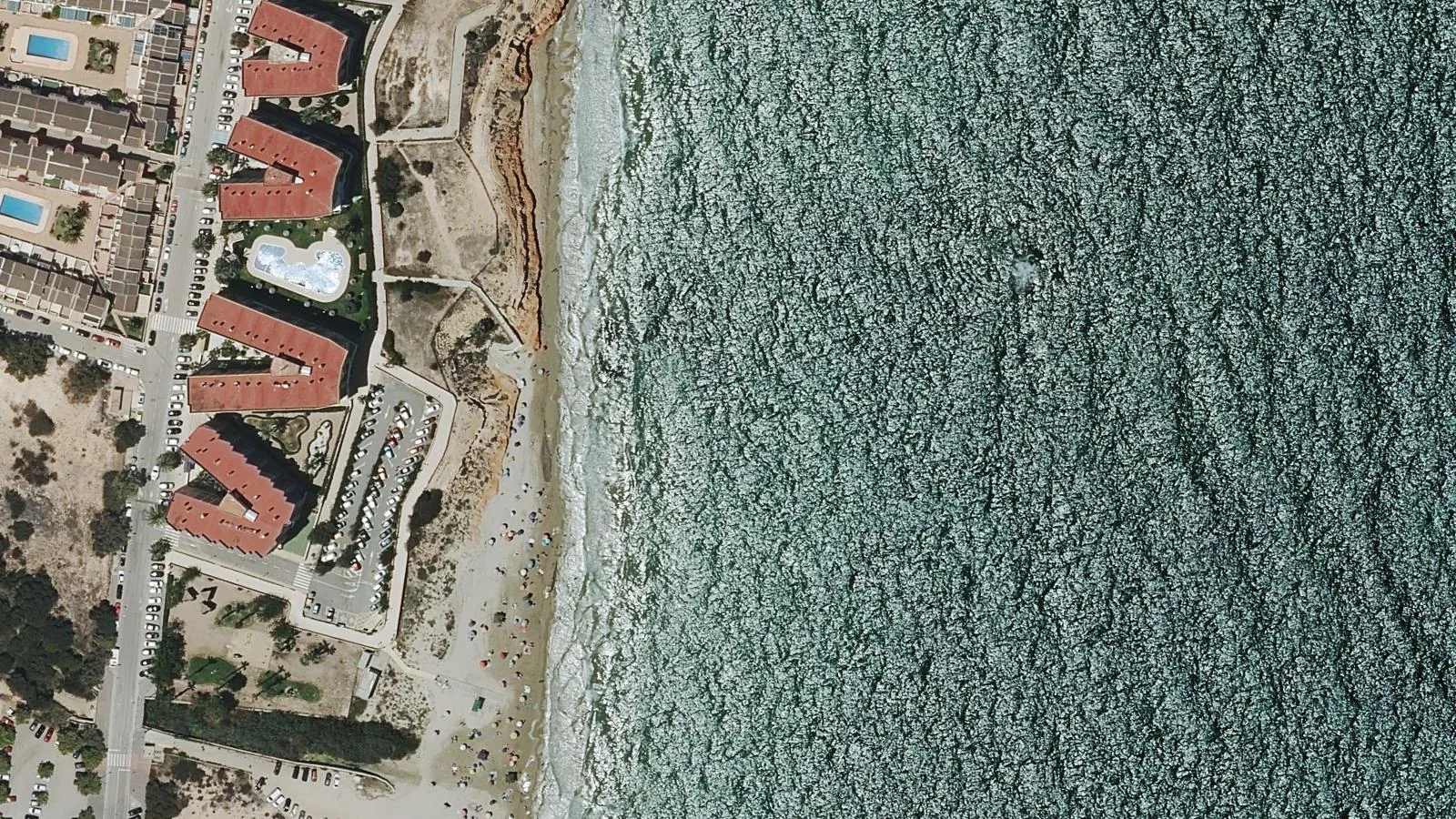
Fine sand beach in an urban setting. Lifeguards are on duty from June 15 to September 15. The beach sits near Escalona Mountain and extensive pine forests. You'll find it along the CN-332 road at kilometer 35, accessible via the Orihuela-Torrevieja route. For more information,…
Quick Overview
Plan Your Visit to Mil Palmeras
The key facts before you go
About the Beach
What is Mil Palmeras?
Mil Palmeras is an urban beach on Spain's Costa Blanca, located between Orihuela and Torrevieja in the Alicante region. This fine-sand beach faces west and sits at kilometre 35 of the CN-332 road, making it accessible to both locals and visitors. The beach benefits from excellent bathing water quality and lifeguard cover during peak summer months, from mid-June to mid-September. The surrounding area combines coastal development with proximity to natural features including the Escalona Mountain and significant forested areas, offering a balance between amenities and natural landscape.
It is part of a wider group of other Blue Flag beaches in Spain that meet FEE's annual standards for water quality, safety, and environmental management.
Sunrise, Sunset & Beach Direction
Mil Palmeras faces west toward Mediterranean Sea. The best light for photography and swimming is typically in June. Direct sun hours follow that facing.
Planning
When to Go: Month by Month
| Month | Air Temp | Water Temp | Crowds |
|---|---|---|---|
| Jan | 12°C | 9°C | Low |
| Feb | 13°C | 10°C | Low |
| Mar | 14°C | 11°C | Low |
| Apr | 16°C | 13°C | Low |
| May | 20°C | 17°C | Low |
| Jun | 23°C | 20°C | Med |
| Jul | 26°C | 23°C | High |
| Aug | 27°C | 24°C | High |
| Sep | 24°C | 21°C | Med |
| Oct | 20°C | 17°C | Low |
| Nov | 16°C | 13°C | Low |
| Dec | 14°C | 11°C | Low |
The best time to visit Mil Palmeras is June. Air temperatures peak around 26°C in summer. Peak water temperature reaches 23°C in July.
How crowded does Mil Palmeras get?Mil Palmeras experiences seasonal variation in visitor numbers. During the main swimming season from July through November, the beach attracts regular users, though visitor density depends heavily on specific dates and local events. Peak usage occurs in July and August when air temperatures reach 26.0°C to 26.5°C, drawing families and holidaymakers to the coast. The beach's urban location and accessibility via the CN-332 make it popular with day-trippers from inland areas and nearby towns. During the lifeguard season (15 June to 15 September), you'll encounter more families with children and organized beach activities. September sees reduced crowds as summer holidays end and students return to school, though water temperatures remain warm at 21.2°C. By October, visitor numbers drop noticeably as air temperatures cool to seasonal levels, but the beach remains accessible for those comfortable with cooler conditions. Winter months from November through May see minimal beach usage for swimming and sunbathing. The beach remains accessible for walking and exploring the shoreline, but conditions are not suitable for most recreational swimmers. Information about dog access is not currently available, so contact local authorities before bringing pets.
Is Mil Palmeras open year-round?The beach itself is accessible year-round, though staffed facilities including lifeguards typically operate only during the official season (15-06 – 15-09). The Blue Flag is displayed during the certification period only.
The Water
Swimming and Beach Life at Mil Palmeras
Is Mil Palmeras safe to swim?Mil Palmeras is Blue Flag certified, which requires meeting strict bathing water standards set by the EU Bathing Water Directive. Water quality is rated Excellent. Lifeguards are on duty during the official season.
What is the water temperature at Mil Palmeras?Peak water temperature at Mil Palmeras reaches around 23°C in July, making it comfortable for swimming during the summer months. In winter (January), air temperatures average 12.2°C.
What is the beach like at Mil Palmeras?Mil Palmeras stretches along the Costa Blanca with fine sand throughout, typical of this section of Spain's eastern coast. The beach's westward orientation means morning light comes from behind, with afternoon sun warming the sand and water as the day progresses. Water temperatures vary considerably by season. Winter months from January to March see temperatures between 9.2°C and 11.3°C, making swimming uncomfortable for most people without a wetsuit. Spring warming begins in April (12.9°C) and accelerates through May (16.5°C). By June, temperatures reach 20.3°C, and July and August peak at 23.0°C and 23.5°C respectively. This peak summer period offers the most comfortable swimming conditions. Autumn remains swimmable through October (17.3°C) before cooling returns in November. Lifeguards are present on the beach, though their active watch schedule runs from 15 June to 15 September. Outside these dates, swimmers are responsible for assessing conditions themselves. The bathing water quality is rated as excellent, indicating regular monitoring and maintenance standards are met. The beach's urban setting means you'll find developed infrastructure nearby along the CN-332. The Escalona Mountain and forested areas visible from the beach provide visual relief from the built environment, with these natural zones accessible for exploration beyond the immediate shoreline. The fine sand surface is suitable for walking and lounging, and the gradual water entry typical of this coast makes it accessible for a range of abilities.
Does Mil Palmeras have good facilities?As a Blue Flag certified beach, Mil Palmeras meets the Foundation for Environmental Education's standards for facilities and services. Trained lifeguards are on duty during the season. Parking is available nearby. The beach has disabled access facilities.
Mil Palmeras sits on the Mediterranean Sea: explore all Blue Flag beaches on the Mediterranean.
Planning a trip to Spain? Blue Flag Beaches Spain 2026 , our editorial guide to certified beaches across the country.
While You're Here
Beyond Mil Palmeras
The immediate hinterland offers several natural and historical points of interest. Escalona Mountain, visible from the beach, provides walking opportunities and elevated views across the coastal plain. The forested areas marked on local maps offer shade and trails for exploration beyond the developed beach zone. The nearby towns of Orihuela and Torrevieja provide urban facilities and cultural attractions. Orihuela is a historic inland town with architectural heritage and commercial amenities. Torrevieja, located southward, is a larger coastal resort with expanded shopping, dining, and leisure facilities. Both towns have supermarkets, restaurants, and services within short driving distances via the CN-332. The Orihuela municipality maintains tourism information and site details through its official website at www.aytoorihuela.es, where you'll find updated information about beach facilities, seasonal arrangements, and local events. The Costa Blanca region between these two towns offers a mix of natural landscape and developed tourist infrastructure.
Transport
Getting to Mil Palmeras
How do I get to Mil Palmeras by car?Mil Palmeras is located in Spain. Follow local road signs to the beach. Check Google Maps or a local map for the most current directions.
What is the nearest airport to Mil Palmeras?The nearest airport is Alicante-Elche Airport (ALC), approximately 47.0 km away. Alicante-Elche Airport (ALC) is the nearest major airport, located 47 kilometres north of Mil Palmeras. The airport handles both international and domestic flights, with connections to major European cities and Spanish destinations. From the airport, follow signs toward Alicante city, then head south on the N-332 or A-7 motorway toward Torrevieja and Orihuela. The drive takes approximately 50 minutes under normal traffic conditions. Car rental is available at the airport if you prefer independent transport. For those without a vehicle, bus services operate between the airport and Torrevieja, with onward connections to Orihuela and the beach via local transport.
Can I get to Mil Palmeras by public transport?Bus services connect Torrevieja and Orihuela along the coastal routes, with stops near the CN-332 at kilometre 35. Local buses operated by regional services provide access to Mil Palmeras from both towns. Journey times from Torrevieja are typically 20-30 minutes depending on the service. Confirm current timetables and routes directly with local transport providers, as schedules vary seasonally. The nearest recorded bus stop is 454 m from the beach.
Is there a train to Mil Palmeras?Mil Palmeras lists Balsicas Mar Menor as the nearest railway station, 19.2 km away. Check current timetables before travelling.
Map
Find Mil Palmeras
Open the map or get directions to the Mil Palmeras pin. Amenity names are listed here only when OpenStreetMap has a mapped feature nearby.
Map loads when you ask. Tiles stay off the first paint.
Map: OpenStreetMap (ODbL)
Practical Details
Practical Information
| At the Beach | |
| Entry | Free: no charge to access the beach |
|---|---|
| Lifeguards | ✓ On duty during official season |
| Disabled Access | ✓ Accessible site facilities |
| Showers | ✗ |
| Toilets | ✗ |
| Official Season | 15 Jun – 15 Sep |
| Beach Type | Sandy beach |
| Parking | ✓ Available nearby (surface parking) |
| Nearest supermarket | 470 m from the beach |
| Nearest bus stop | 454 m from the beach |
| Visiting Information | |
| GPS Coordinates | 37.8894°N, 0.7514°W |
| Water Quality | Excellent (EU Bathing Water Directive) |
| Blue Flag Operator | Foundation for Environmental Education (FEE), Spain |
Frequently Asked Questions
Mil Palmeras FAQ
Is Mil Palmeras worth visiting?
Mil Palmeras is worth visiting if you're seeking a beach with excellent water quality and reliable facilities. The fine sand and westward-facing orientation provide good afternoon conditions during the swimming season from July through November. Lifeguard coverage from mid-June to mid-September adds a safety element for families. The proximity to natural areas including Escalona Mountain and forested zones offers a balance between beach access and broader coastal exploration. During winter months, the beach is accessible for walking but unsuitable for swimming due to cold water temperatures.
How do I get to Mil Palmeras?
Mil Palmeras is located at kilometre 35 of the CN-332 road between Orihuela and Torrevieja. By car from Alicante-Elche Airport (47 km away), head south on the N-332 or A-7 motorway toward Torrevieja, then follow signs to the specific beach location. Journey time is approximately 50 minutes. Local bus services operate from Torrevieja and Orihuela to the beach area, though you should verify current schedules. The beach address on the CN-332 at Km 35 can be entered into navigation systems for direct access.
What's the best time of year to visit Mil Palmeras?
July and August offer the warmest conditions, with water temperatures of 23.0–23.5°C and air temperatures around 26°C, plus full lifeguard coverage. June (water 20.3°C) and September (water 21.2°C, air 24.2°C) provide warm but less crowded alternatives. October remains swimmable with water at 17.3°C, though air temperatures begin cooling. November marks the end of comfortable swimming season. Winter months (December–May) are unsuitable for most swimmers due to water temperatures between 9–12°C, though the beach remains accessible for walking and coastal exploration.
What facilities are available at Mil Palmeras?
Lifeguards are present from 15 June to 15 September, providing supervised swimming during peak season. The urban beach setting means developed infrastructure exists nearby along the CN-332, including access to commercial areas in Orihuela and Torrevieja. The beach itself offers fine sand suitable for lounging and walking. For detailed information about specific facilities such as changing rooms, showers, or car parking, contact the Orihuela municipal authority through www.aytoorihuela.es, as information on these amenities is not currently specified.
Is Mil Palmeras suitable for families?
Yes, Mil Palmeras can be suitable for families during the lifeguard season from 15 June to 15 September. The fine sand beach and gradual water entry provide accessible conditions for children. Lifeguard presence during these months adds a safety layer for supervised swimming. Water temperatures from June onwards (20.3°C and warmer) are more comfortable for family use. The proximity to Orihuela and Torrevieja ensures access to shops, restaurants, and services. Outside the lifeguard season, families should assess water conditions independently, as winter temperatures are unsuitable for swimming.
Explore More
Nearby Blue Flag Beaches
Editorial
From the Zeach Blog
Everything you need to know about what makes a beach qualify for Blue Flag status, from water quality to environmental education.
Read moreOur editorial team's pick of the standout Blue Flag beaches in Spain, rated for family friendliness, scenery, and facilities.
Explore SpainWhat the flag actually means, how certification works, and why a Blue Flag is a genuinely reliable signal, not just a marketing tool.
Read moreSources
- Foundation for Environmental Education: Blue Flag programme
- FEE site listing for Mil Palmeras
- ADEAC (Asociación de Educación Ambiental y del Consumidor)
- European Environment Agency: bathing water quality
Last verified September 2026. National operator pages and FEE listings are the primary certification sources.