Rocamar
Valencian Community, Spain: Excellent water quality
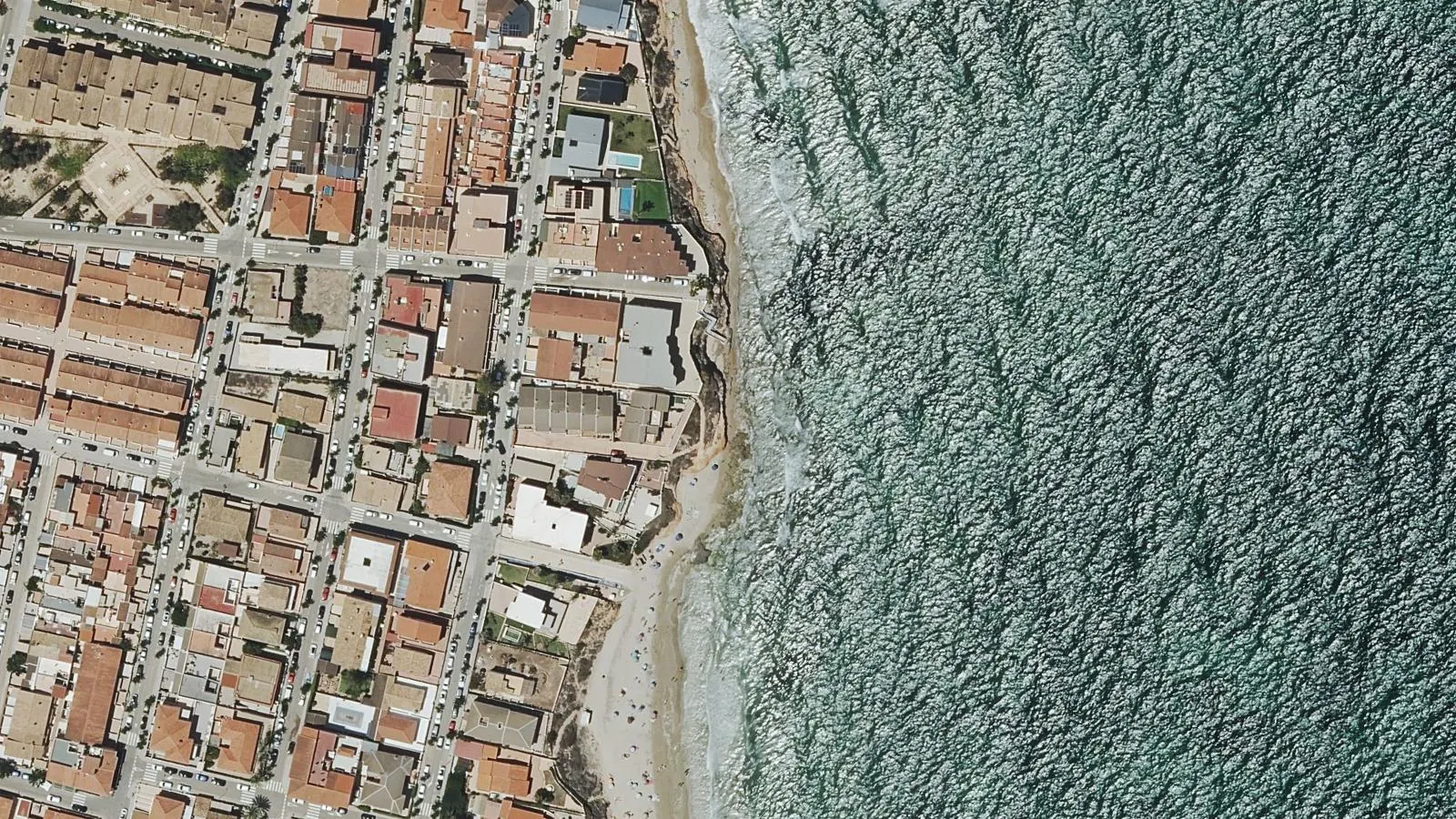
Rocamar is a sand beach in Spain's Valencian Community, located 3.47 km from Pilar de la Horadada. The beach holds Blue Flag certification, awarded annually by the Foundation for Environmental Education for meeting international environmental and safety standards.
Quick Overview
Plan Your Visit to Rocamar
The key facts before you go
About the Beach
What is Rocamar?
Rocamar is a sand beach located 3.5 km from Pilar de la Horadada in the Valencian Community, along Spain's southern Costa Blanca. The beach holds Blue Flag certification, awarded annually by the Foundation for Environmental Education, confirming it meets strict environmental and safety standards. With lifeguards on duty and excellent bathing water quality, Rocamar operates seasonally from mid-June through mid-September. The beach is free to access and offers basic amenities including a kiosk, drinking water, and accessibility facilities. Its south-facing position and sandy composition make it a practical choice for summer swimming when Mediterranean water temperatures reach 23°C.
It sits alongside certified beaches along Valencian Community, part of a broader network of certified beaches throughout Spain certified annually by the Foundation for Environmental Education.
Visitor Feedback
What Visitors Say About Rocamar
What visitors appreciate
- beach|clean sand|coves|crowd|beach bar|lifeguards|cleanliness
- Well-staffed with lifeguards during season
- Excellent EU-rated bathing water quality
Points to consider
- Can be busy during July and August peak season
- Facilities may be reduced outside peak months
Based on aggregated public visitor feedback. Themes are synthesised from multiple sources, not individual quotes. Zeach does not reproduce individual reviews.
Sunrise, Sunset & Beach Direction
Rocamar faces south toward Mediterranean Sea. The best light for photography and swimming is typically in June. Direct sun hours follow that facing.
Planning
When to Go: Month by Month
| Month | Air Temp | Water Temp | Crowds |
|---|---|---|---|
| Jan | 12°C | 9°C | Low |
| Feb | 14°C | 11°C | Low |
| Mar | 15°C | 12°C | Low |
| Apr | 16°C | 13°C | Low |
| May | 20°C | 17°C | Low |
| Jun | 24°C | 21°C | Med |
| Jul | 26°C | 23°C | High |
| Aug | 27°C | 24°C | High |
| Sep | 24°C | 21°C | Med |
| Oct | 21°C | 18°C | Low |
| Nov | 16°C | 13°C | Low |
| Dec | 14°C | 11°C | Low |
The best time to visit Rocamar is June. Air temperatures peak around 26.2°C in summer. Peak water temperature reaches 23.2°C in July.
How crowded does Rocamar get?What is the visitor pattern at Rocamar? The beach divides into two distinct periods. June and September see lighter traffic, fewer umbrellas, more space to claim a spot, and shorter waits at the kiosk. July and August bring the stated high season. Expect busy conditions, particularly on weekends. Review tags mention 'crowd' as a notable factor, suggesting summer congestion is real. The sandy surface and cove elements can absorb people reasonably well, but proximity to Pilar de la Horadada means day-tripper access is straightforward. Morning arrivals secure better positioning. The lifeguard presence during peak season reflects higher visitor volumes requiring supervision. Beach bars add to the social atmosphere during busy periods. Cleanliness appears maintained despite crowds, a positive outcome of Blue Flag management standards. The kiosk handles retail demand, though lines form during midday hours. Shoulder months (early June, late September) offer a middle ground: warmer water than spring, fewer bodies than peak summer, and a more relaxed environment overall.
Is Rocamar open year-round?The beach itself is accessible year-round, though staffed facilities including lifeguards typically operate only during the official season (15-06 – 15-09). The Blue Flag is displayed during the certification period only.
The Water
Swimming and Beach Life at Rocamar
Is Rocamar safe to swim?Rocamar is Blue Flag certified, which requires meeting strict bathing water standards set by the EU Bathing Water Directive. Water quality is rated Excellent. Lifeguards are on duty during the official season.
What is the water temperature at Rocamar?Peak water temperature at Rocamar reaches around 23.2°C in July, making it comfortable for swimming during the summer months. In winter (January), air temperatures average 12.4°C.
What is the beach like at Rocamar?Rocamar presents a straightforward beach experience typical of this stretch of Costa Blanca. The sand is the main feature, consistent, light-colored, and maintained regularly during the operating season. The beach has a south-facing aspect, meaning afternoon sun exposure is reliable through the summer months. Water quality is rated as excellent, which aligns with the Blue Flag status. The seafloor shelves gradually, making entry accessible without sudden depth changes. What should you expect regarding crowds and activity? The beach experiences moderate to heavy use during July and August, the official peak season. June and September are quieter periods within the official season. The cove-like characteristics noted in visitor feedback suggest some natural coastal features provide partial shelter. Lifeguards are stationed here, visible during operating hours. The kiosk service handles basic refreshments and supplies. Potable water is available, which matters for extended stays in summer heat. Accessibility facilities mean wheelchairs and mobility aids can reach usable areas. The beach operates on a defined seasonal schedule, closing outside mid-June to mid-September. Swimmers should note water temperatures: June averages 20.5°C, July 23.2°C, August 23.7°C, and September 21.4°C. These are manageable for most adults, though children may prefer July-August peaks. The designated swimming season aligns with when Mediterranean conditions warm sufficiently.
Does Rocamar have good facilities?As a Blue Flag certified beach, Rocamar meets the Foundation for Environmental Education's standards for facilities and services. Trained lifeguards are on duty during the season. Parking is available nearby. The beach has disabled access facilities.
Rocamar sits on the Mediterranean Sea: explore all Blue Flag beaches on the Mediterranean.
Planning a trip to Spain? Blue Flag Beaches Spain 2026 , our editorial guide to certified beaches across the country.
While You're Here
Beyond Rocamar
Pilar de la Horadada, 3.5 km inland, serves as the local hub. The town has shops, cafes, and accommodation options ranging from apartments to small hotels. The wider Valencian coast nearby includes other established beaches and seaside towns within 20 minutes' drive. The southern Costa Blanca region toward Torrevieja offers additional infrastructure and attractions. Inland, the flat terrain transitions to low hills typical of this province. The area lacks dramatic scenery but provides straightforward coastal access and Mediterranean settlement patterns. Swimming enthusiasts can also explore neighboring coves and beaches along the coastline, each with varying facilities and crowd levels.
Transport
Getting to Rocamar
How do I get to Rocamar by car?Rocamar is approximately 3.47 km from Pilar de la Horadada. Follow local road signs to the beach. Check Google Maps or a local map for the most current directions.
What is the nearest airport to Rocamar?The nearest airport is Alicante-Elche Airport (ALC), approximately 48.7 km away. Alicante-Elche Airport (ALC) is the nearest commercial airport, located 48.7 km north of Rocamar. Flight options into Alicante are numerous from major European hubs, making it the primary air gateway to this region. From the airport, car rental is the practical onward step, a 50-minute drive south via national roads takes you directly to Pilar de la Horadada and Rocamar beach. Alternatively, airport buses and trains connect to larger towns, though onward connections to the coastal area require additional steps. The direct drive route is clearer for beach visitors with luggage.
Can I get to Rocamar by public transport?Public transport options vary by season. Check local transport authority websites for current bus and train schedules connecting to Pilar de la Horadada. The nearest recorded bus stop is 481 m from the beach.
Is there a train to Rocamar?Rocamar lists Balsicas Mar Menor as the nearest railway station, 18.37 km away. Check current timetables before travelling.
Nearby
Near Rocamar
Mapped toilets, bus stops, cafés, parking, and shops within about 500 m of Rocamar. Distances are walking-line estimates from the beach pin.
Map loads when you ask. Tiles stay off the first paint.
Map: OpenStreetMap (ODbL)
Toilets near Rocamar
- Public toilets Public toilets 443 m
Bus near Rocamar
- Torre de la Horadada - Pueblo Latino Bus stop 454 m
- Torre de la Horadada - Pueblo Latino Bus stop 481 m
Cafés near Rocamar
- Cervecería Torremar Restaurant 235 m
- Jijonenca Ice cream 306 m
- Restaurantr Fontana Restaurant 313 m
- Plaza Restaurant 340 m
Parking near Rocamar
- Parking Parking 287 m
- Parking Parking 348 m
- Parking Parking 362 m
- Parking Parking 363 m
- Parking Parking 411 m
Source: © OpenStreetMap contributors (ODbL). Names and positions come from mapped OSM features. Confirm on site.
Practical Details
Practical Information
| At the Beach | |
| Entry | Free: no charge to access the beach |
|---|---|
| Lifeguards | ✓ On duty during official season |
| Disabled Access | ✓ Accessible site facilities and water entry |
| Showers | ✗ |
| Toilets | ✗ |
| Official Season | 15 Jun – 15 Sep |
| Beach Type | Sandy beach |
| Parking | ✓ Available nearby (surface parking) |
| Nearest supermarket | 680 m from the beach |
| Nearest bus stop | 481 m from the beach |
| Visiting Information | |
| GPS Coordinates | 37.8745°N, 0.7540°W |
| Water Quality | Excellent (EU Bathing Water Directive) |
| Blue Flag Operator | Foundation for Environmental Education (FEE), Spain |
Frequently Asked Questions
Rocamar FAQ
Is Rocamar worth visiting?
Rocamar suits visitors seeking a managed, safe beach with confirmed water quality. Blue Flag status means annual verification of standards. The lifeguard presence and facilities provide practical reassurance. If you want established infrastructure and reliable conditions, yes. If you seek isolation or dramatic landscape, the busy summer season and developed setting may not align. Water temperatures peak at 23.7°C in August, making it genuinely swimmable for most visitors during peak months. The seasonal operation (mid-June to mid-September) suits holiday planners with fixed dates.
How do I get to Rocamar?
By air: Alicante-Elche Airport is 48.7 km away; car rental and a 50-minute drive south is the clearest route. By road: Pilar de la Horadada is 3.5 km inland; Rocamar is accessed via the coast road. By public transport: buses and trains serve larger towns, but final access to the beach requires local connections or taxis. Car hire from Alicante remains the most direct option for beach visitors with luggage or families.
What is the best time of year to visit Rocamar?
June offers warm air (around 21°C) and water (20.5°C) with lighter crowds than peak summer. July and August are peak season (warmest air (26-27°C) and water (23°C+)) but expect busy conditions. September remains warm (24°C air, 21°C water) and quieter than summer. The official season runs mid-June to mid-September. Outside these dates, the beach is closed and lifeguards are off duty. If you avoid crowds, June or September suit better than July-August.
What facilities are there at Rocamar?
Lifeguards operate during the season (mid-June to mid-September). Amenities include a kiosk for refreshments and supplies, potable drinking water stations, and accessibility facilities. Beach bars are noted in visitor feedback, suggesting food and drink options. These facilities are seasonal and operate only during official opening dates. No detailed information on parking, showers, or changing facilities is provided, so confirm specifics before visiting.
Is Rocamar suitable for families?
Yes, with practical caveats. The gradual seafloor slope supports entry for children. Lifeguards and excellent water quality reduce safety concerns. Facilities like drinking water and accessibility support family needs. August water (23.7°C) and air (26.7°C) temperatures suit children well. Peak-season crowds mean finding space requires early arrival. The seasonal closure outside mid-June to mid-September limits off-season visits. For summer holidays with children, Rocamar is practical; for winter family breaks, it is closed.
Are there toilets near Rocamar?
Yes. OpenStreetMap maps toilets near Rocamar, including 443 m away. Distances are walking-line estimates within about 500 m of the beach pin. Confirm opening hours on site; some facilities are seasonal. © OpenStreetMap contributors (ODbL).
Is there a bus near Rocamar?
Yes. OpenStreetMap maps a public-transport stop 454 m from Rocamar (Torre de la Horadada - Pueblo Latino), plus 1 more within about 500 m. Check current timetables before you travel. © OpenStreetMap contributors (ODbL).
Are there cafés near Rocamar?
Yes. OpenStreetMap lists 4 cafés or restaurants near Rocamar, including Cervecería Torremar (235 m), Jijonenca (306 m), Restaurantr Fontana (313 m), and Plaza (340 m). Hours and seasonal opening are not verified here. Check on the day. © OpenStreetMap contributors (ODbL).
Is there parking near Rocamar?
Yes. OpenStreetMap maps parking 287 m from Rocamar, with 5 lots or spaces inside about 500 m. Charges and time limits are not recorded here. © OpenStreetMap contributors (ODbL).
Explore More
Nearby Blue Flag Beaches
Editorial
From the Zeach Blog
Everything you need to know about what makes a beach qualify for Blue Flag status, from water quality to environmental education.
Read moreOur editorial team's pick of the standout Blue Flag beaches in Spain, rated for family friendliness, scenery, and facilities.
Explore SpainWhat the flag actually means, how certification works, and why a Blue Flag is a genuinely reliable signal, not just a marketing tool.
Read moreSources
- Foundation for Environmental Education: Blue Flag programme
- FEE site listing for Rocamar
- ADEAC (Asociación de Educación Ambiental y del Consumidor)
- European Environment Agency: bathing water quality
Last verified September 2026. National operator pages and FEE listings are the primary certification sources.