Marina di Ascea
Italy: Excellent water quality
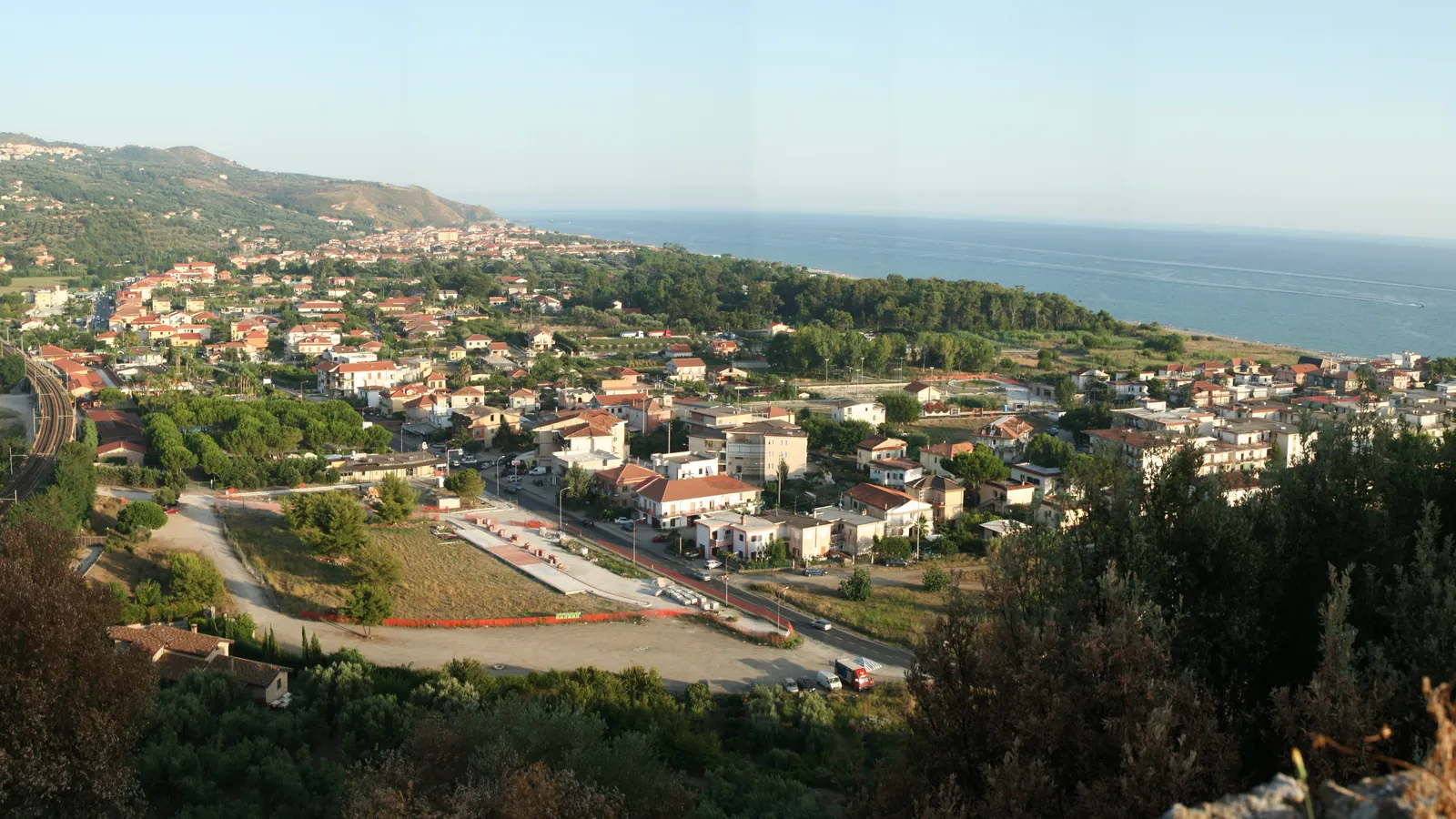
Urban beach with sand, pebbles and rocks.
Quick Overview
Plan Your Visit to Marina di Ascea
The key facts before you go
About the Beach
What is Marina di Ascea?
Marina Di Ascea sits along the Cilento coast in southern Campania, about 57 kilometres south of Salerno. This urban beach has held its Blue Flag status since 2002, reflecting consistent water quality standards. The shoreline combines sand, pebbles, and rocks, a characteristic mix of the Tyrrhenian coast in this region. Lifeguards patrol during peak season, and the bathing water quality is rated Excellent. The beach faces east, catching morning light and offering views across the Gulf of Salerno. Summer temperatures reach the mid-20s Celsius, though winter swims are possible if you're accustomed to cooler water. The nearby village provides practical amenities for a full beach day.
It is part of a wider group of Blue Flag certified beaches across Italy that meet FEE's annual standards for water quality, safety, and environmental management.
Sunrise, Sunset & Beach Direction
Marina di Ascea faces east toward Adriatic Sea. The best light for photography and swimming is typically in April, May, June. Direct sun hours follow that facing.
Planning
When to Go: Month by Month
| Month | Air Temp | Water Temp | Crowds |
|---|---|---|---|
| Jan | 9°C | 6°C | Low |
| Feb | 11°C | 8°C | Low |
| Mar | 11°C | 8°C | Low |
| Apr | 15°C | 12°C | Low |
| May | 18°C | 15°C | Low |
| Jun | 23°C | 20°C | Low |
| Jul | 25°C | 22°C | Med |
| Aug | 26°C | 23°C | High |
| Sep | 22°C | 19°C | Med |
| Oct | 18°C | 15°C | Low |
| Nov | 15°C | 12°C | Low |
| Dec | 11°C | 8°C | Low |
The best time to visit Marina di Ascea is April, May, June. Air temperatures peak around 25.4°C in summer. Peak water temperature reaches 22.4°C in July.
How crowded does Marina di Ascea get?Marina Di Ascea draws swimmers and sunbathers mainly during July and August, when air temperatures peak at 25.4–25.9°C and water temperatures are at their warmest (22.4–22.9°C). This is peak Italian holiday season, so expect noticeable crowds during these months. June and September are quieter alternatives, offering still-warm water (19–20°C) with reduced visitor pressure. The beach's urban setting means it serves local residents alongside tourists, adding year-round baseline activity even outside tourist season. The pebble and rock composition affects crowd distribution. Swimmers and waders dominate near the water's edge and entry points, while sunbathing is less concentrated than on pure sand beaches simply because comfort is lower. Early morning visits (particularly in July and August) provide calmer conditions before midday buildup. Lifeguards work during the swim season, typically July through September with extended coverage in August. Parking in an urban area can be competitive during peak hours, so arriving early or visiting in shoulder months (June, September) offers more practical advantages. The beach remains accessible in October and November when temperatures are moderate (15–22°C air) but crowds are notably lighter.
Is Marina di Ascea open year-round?The beach itself is accessible year-round, though staffed facilities including lifeguards typically operate only during the official season (01-07 – 10-09). The Blue Flag is displayed during the certification period only.
The Water
Swimming and Beach Life at Marina di Ascea
Is Marina di Ascea safe to swim?Marina di Ascea is Blue Flag certified, which requires meeting strict bathing water standards set by the EU Bathing Water Directive. Water quality is rated Excellent. Lifeguards are on duty during the official season.
What is the water temperature at Marina di Ascea?Peak water temperature at Marina di Ascea reaches around 22.4°C in July, making it comfortable for swimming during the summer months. In winter (January), air temperatures average 9.3°C.
What is the beach like at Marina di Ascea?Marina Di Ascea's physical composition reflects the geological nature of the Cilento coastline. You'll find a working mix of sand, pebbles, and rock formations rather than uniform sandy stretches. The sand portions are fine and pale, typical of this southern Campania region. Pebble sections provide good footing for entering the water, while rock outcrops create natural points of interest and shelter from wind. The seabed shelves gradually in most areas, though the varied bottom means some care is needed when entering, wear shoes suitable for pebbles and rocks. Water temperature follows the Mediterranean pattern. July and August are warmest at 22.4–22.9°C, suitable for extended swimming. June and September remain warm at 19.9°C and 19.4°C respectively. By October, temperatures drop to 15.4°C, manageable for hardy swimmers. Winter months (January–March) see temperatures between 6.3–8.4°C, restricting swimming to the acclimatised. The official swim season runs July through December, though this reflects safe water comfort rather than absolute limits. The beach is urban in character, meaning it sits within or immediately adjacent to settlement. This brings practical convenience, shops, bars, and restaurants are typically within walking distance. However, it also means the beach lacks the remoteness or seclusion of more isolated stretches. The lifeguard presence during peak season (which includes the declared swim season) adds a safety layer, particularly important on a rocky-bottomed beach where sudden depth changes can occur. Aspects worth noting: the east-facing orientation means morning sun dominates, afternoon shade becomes limited. The rock and pebble composition means sunbathing comfort is lower than pure sand beaches; bringing a beach mat or towel with padding is practical. The water quality rating of Excellent reflects regular testing and indicates low pollution levels, reliable for most swimmers without specific health vulnerabilities.
Does Marina di Ascea have good facilities?As a Blue Flag certified beach, Marina di Ascea meets the Foundation for Environmental Education's standards for facilities and services. Trained lifeguards are on duty during the season. Parking is available nearby. The beach has disabled access facilities.
Marina di Ascea sits on the Adriatic Sea: explore all Blue Flag beaches on the Adriatic.
Planning a trip to Italy? Blue Flag Beaches Italy 2026 , our editorial guide to certified beaches across the country.
While You're Here
Beyond Marina di Ascea
Marina Di Ascea sits within the Cilento region, which extends south toward Paestum and the Amalfi coast proper. Paestum's Greek temples lie approximately 30 kilometres north, three major temples from the 6th and 5th centuries BCE set within their original archaeological landscape. The site is accessible by regional train or car and provides substantial historical context for the region's ancient role. North toward Salerno, the Amalfi coast proper begins with more dramatic mountain-to-sea scenery, though traffic and crowding increase accordingly. Within Ascea itself, the urban settlement includes basic shops, bars, and restaurants serving daily needs and simple meals. The Cilento's inland areas offer small villages, hiking in low mountain terrain, and agricultural landscapes producing local olive oil and wine, accessible by car for day excursions.
Transport
Getting to Marina di Ascea
How do I get to Marina di Ascea by car?Marina di Ascea is located in Italy. Follow local road signs to the beach. Check Google Maps or a local map for the most current directions.
What is the nearest airport to Marina di Ascea?The nearest airport is Salerno / Pontecagnano Airport (QSR) (QSR), approximately 57.5 km away. Salerno / Pontecagnano Airport (QSR) is the closest air gateway, located 57.5 kilometres north of Marina Di Ascea. Flight options from major European hubs are typically limited compared to larger Campania airports like Naples. From QSR, hire a car or arrange a transfer for the roughly 90-minute drive south along the coast. The route follows the SS163 and SS18, which wind through Campania's coastal region. Alternatively, regional buses connect the airport to Salerno town, from which you can catch onward bus or train services south to Marina Di Ascea. Check current schedules before booking, as airport transport options are less frequent than from Naples.
Can I get to Marina di Ascea by public transport?SITA and local Campania bus services operate routes along the SS18 coastal highway connecting towns and beaches in the Cilento region. Direct buses run between Salerno and Marina Di Ascea, typically taking 60–90 minutes depending on stops. Services are more frequent in summer months and reduced in winter. Bus travel is the most economical option but involves less predictable timing than trains. Schedules should be checked locally or online before travel, as rural coastal routes can vary seasonally. The nearest recorded bus stop is 303 m from the beach.
Is there a train to Marina di Ascea?Salerno railway station is the practical entry point, 57.5 kilometres north via the Campania regional rail network. From Salerno, the Trenitalia Circumvesuviana line runs south along the coast toward Paestum and beyond. Marina Di Ascea station exists on this route, providing direct access to the beach. Journey time from Salerno is approximately 50–60 minutes depending on service type (Regionali services stop more frequently than faster trains). Train schedules run year-round with reduced frequency in winter months. The station is within reasonable walking distance of the beach itself, though taxis are available for those with luggage.
Map
Find Marina di Ascea
Open the map or get directions to the Marina di Ascea pin. Amenity names are listed here only when OpenStreetMap has a mapped feature nearby.
Map loads when you ask. Tiles stay off the first paint.
Map: OpenStreetMap (ODbL)
Practical Details
Practical Information
| At the Beach | |
| Entry | Free: no charge to access the beach |
|---|---|
| Lifeguards | ✓ On duty during official season |
| Disabled Access | ✓ Accessible site facilities and water entry |
| Showers | ✗ |
| Toilets | ✗ |
| Official Season | 01 Jul – 10 Sep |
| Beach Type | Sandy beach |
| Parking | ✓ Available nearby (surface parking) |
| Nearest supermarket | 420 m from the beach |
| Nearest bus stop | 303 m from the beach |
| Visiting Information | |
| GPS Coordinates | 40.1410°N, 15.1659°E |
| Water Quality | Excellent (EU Bathing Water Directive) |
| Blue Flag Operator | Foundation for Environmental Education (FEE), Italy |
Frequently Asked Questions
Marina di Ascea FAQ
Is Marina Di Ascea worth visiting?
If you value water quality and reliable facilities, yes. The Excellent bathing water rating and Blue Flag status since 2002 reflect consistent standards. The pebble-and-rock composition is less comfortable for sunbathing than pure sand but offers variety and natural anchorage points. The urban setting means shops and food are close by, trading remoteness for convenience. Summer months are warmest; June, September, and October offer quieter conditions with still-usable water temperatures. It's a practical choice for a beach day in Campania, though not exceptional for those seeking isolation or perfect sand.
How do I get to Marina Di Ascea?
Train is the most straightforward option. Salerno railway station (57.5 km north) connects via Trenitalia Circumvesuviana service running south along the coast; the journey takes roughly 50–60 minutes to Marina Di Ascea station. Bus services operate the same route via the SS18 highway, slower but cheaper, with 60–90 minutes typical. By car, hire from Salerno or Pontecagnano Airport (57.5 km north) and drive the SS163/SS18. The train avoids coastal road traffic and parking logistics, making it the practical choice for most visitors without a car.
What's the best time of year to visit Marina Di Ascea?
July and August offer the warmest conditions (water at 22–23°C and air at 25–26°C) but expect peak summer crowds. June and September are quieter alternatives with water still at 19–20°C and manageable numbers. October is possible (15°C water, 17°C air) for those comfortable in cooler conditions and seeking solitude. The official swim season (July–December) reflects comfort thresholds, though swimming is technically possible year-round. Winter (January–March) brings water temperatures of 6–8°C, limiting swimming to acclimatised swimmers.
What facilities are there at Marina Di Ascea?
As an urban beach, Marina Di Ascea has shops, bars, and restaurants within walking distance in the adjacent village. Lifeguards patrol during the swim season (July–December). Standard beach facilities (parking, restrooms) exist, though capacity can be stressed in peak August. The pebble-and-rock composition means you'll want water shoes and a padded mat for comfort. The Excellent water quality rating indicates reliable testing and low pollution. Specific facility details (showers, changing rooms, rentals) should be confirmed locally before visiting, as infrastructure in smaller Italian beach towns varies.
Is Marina Di Ascea suitable for families?
Yes, with considerations. The lifeguard presence (July–December) and Excellent water quality support swimming safety. The gradual seabed in most areas suits children's entry, though the pebble-and-rock composition requires water shoes and supervision. The urban setting means food and supplies are close by, reducing logistical stress. July and August are warmest but crowded; June and September suit families wanting calmer conditions. Pack a padded beach mat for comfort on pebbles. Avoid winter visits unless your children are experienced cold-water swimmers. Overall, it's a practical family-friendly option for a Campania beach day.
Explore More
Nearby Blue Flag Beaches
Editorial
From the Zeach Blog
Everything you need to know about what makes a beach qualify for Blue Flag status, from water quality to environmental education.
Read moreOur editorial team's pick of the standout Blue Flag beaches in Italy, rated for family friendliness, scenery, and facilities.
Explore ItalyWhat the flag actually means, how certification works, and why a Blue Flag is a genuinely reliable signal, not just a marketing tool.
Read moreSources
- Foundation for Environmental Education: Blue Flag programme
- FEE site listing for Marina di Ascea
- FEE Italia
- European Environment Agency: bathing water quality
Last verified September 2026. National operator pages and FEE listings are the primary certification sources.