La Chapineta
Region of Murcia, Spain: Excellent water quality
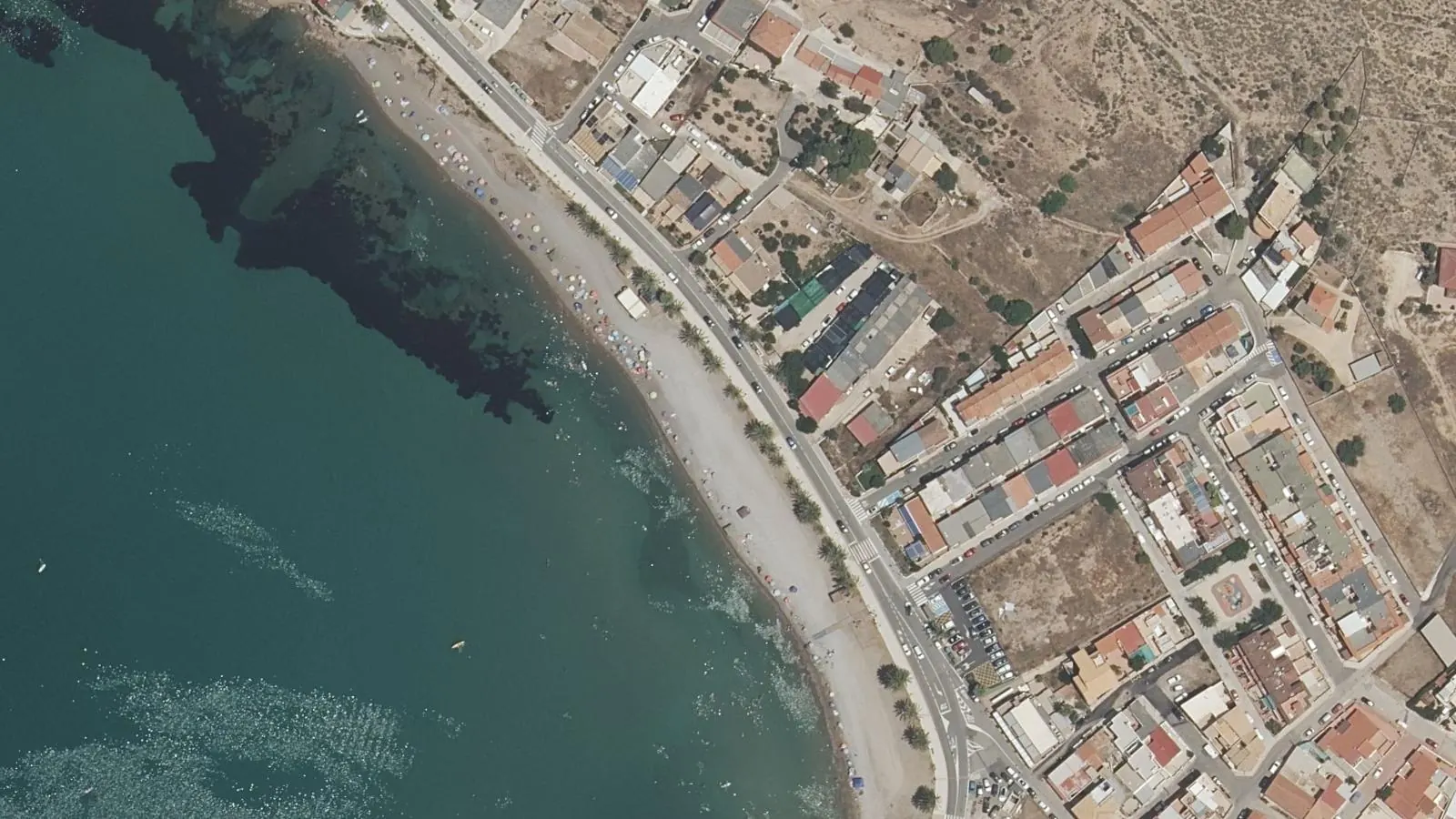
La Chapineta is a Blue Flag-certified beach located 17.21 km from Cartagena. The beach is open from June 1 to September 30, with free access and lifeguards on duty during operating hours.
Quick Overview
Plan Your Visit to La Chapineta
The key facts before you go
About the Beach
What is La Chapineta?
La Chapineta is a Blue Flag-certified beach located 17 km south of Cartagena in the Region of Murcia, Spain. The beach sits on Spain's southeastern coast, facing south with direct sun exposure throughout the day. Its official operating season runs from June through September, when lifeguards are on duty and facilities are fully staffed. The beach holds the prestigious Blue Flag award, an annual certification granted by the Foundation for Environmental Education that recognises excellence in water quality, environmental management, and visitor safety. This designation makes La Chapineta a dependable choice for families and swimmers seeking a safe, well-maintained coastal experience. Access is free, and the beach welcomes visitors without entrance fees or restrictions during the season.
It sits alongside certified beaches along Region of Murcia, part of a broader network of certified beaches throughout Spain certified annually by the Foundation for Environmental Education.
Visitor Feedback
What Visitors Say About La Chapineta
What visitors appreciate
- crystal clear waters|sunsets|stone beach|diving|shallow areas|calm waters|place to swim|for kids|transparent water|mountains
- Well-staffed with lifeguards during season
- Excellent EU-rated bathing water quality
Points to consider
- Can be busy during July and August peak season
- Limited parking near the beach
- Facilities may be reduced outside peak months
Based on aggregated public visitor feedback. Themes are synthesised from multiple sources, not individual quotes. Zeach does not reproduce individual reviews.
Sunrise, Sunset & Beach Direction
La Chapineta faces south toward Mediterranean Sea. The best light for photography and swimming is typically in June, September. Direct sun hours follow that facing.
Planning
When to Go: Month by Month
| Month | Air Temp | Water Temp | Crowds |
|---|---|---|---|
| Jan | 12°C | 12°C | Low |
| Feb | 12°C | 13°C | Low |
| Mar | 14°C | 15°C | Low |
| Apr | 16°C | 17°C | Low |
| May | 19°C | 18°C | Low |
| Jun | 23°C | 22°C | Med |
| Jul | 26°C | 24°C | High |
| Aug | 26°C | 25°C | High |
| Sep | 24°C | 22°C | Med |
| Oct | 20°C | 21°C | Low |
| Nov | 16°C | 16°C | Low |
| Dec | 13°C | 13°C | Low |
The best time to visit La Chapineta is June, September. Air temperatures peak around 25.8°C in summer. Peak water temperature reaches 24.3°C in July.
How crowded does La Chapineta get?How busy does La Chapineta get? The beach operates seasonally from June through September, which concentrates all visitor activity into a four-month window. July and August are undoubtedly peak season, when crowds reach their maximum. Spanish school holidays and the broader European summer vacation period drive significant attendance during these months. The combination of excellent water quality, Blue Flag status, and proximity to Cartagena creates strong appeal during these weeks. June and September present a noticeably different experience. Both months have warm water temperatures suitable for swimming (June at 21.5°C and September at 22.3°C) but attract considerably fewer visitors than the peak summer months. June marks the season's opening and benefits from manageable crowds, while September sits in the quieter post-August period before the beach officially closes for the season. Visitors prioritising a less crowded experience should target these shoulder months. Once the operating season ends in late September, the beach closes entirely. There is no winter access or off-season visitation, which concentrates all annual usage into the four-month summer period. Lifeguards are present during opening hours, providing supervision during peak periods. The beach's stone composition and shallow calm areas mean it can accommodate families without issue even when moderately busy, as children have safe entry zones and natural boundaries created by the underwater terrain.
Is La Chapineta open year-round?The beach itself is accessible year-round, though staffed facilities including lifeguards typically operate only during the official season (01-06 – 30-09). The Blue Flag is displayed during the certification period only.
The Water
Swimming and Beach Life at La Chapineta
Is La Chapineta safe to swim?La Chapineta is Blue Flag certified, which requires meeting strict bathing water standards set by the EU Bathing Water Directive. Water quality is rated Excellent. Lifeguards are on duty during the official season.
What is the water temperature at La Chapineta?Peak water temperature at La Chapineta reaches around 24.3°C in July, making it comfortable for swimming during the summer months. In winter (January), air temperatures average 11.9°C.
What is the beach like at La Chapineta?What makes La Chapineta distinctive is the combination of water clarity and geological character. The beach features a stone bed rather than sand, which contributes to the transparent water quality visitors consistently report. The water here is exceptionally clear (a defining feature mentioned repeatedly by visitors) allowing swimmers to see the seabed and marine life. The shallows near the shore create calm conditions suitable for gradual water entry, while deeper areas further out accommodate divers and more experienced swimmers. Water temperatures vary significantly by season. Winter months from January to March see temperatures between 12.4°C and 14.5°C, making swimming uncomfortable without wetsuits. Spring sees gradual warming through April (16.8°C) and May (17.9°C). The true swimming season begins in June when water reaches 21.5°C. Peak summer warmth occurs in July and August, with temperatures around 24–25°C. September remains warm at 22.3°C, making it an excellent month to visit. By October, water temperature drops to 20.8°C, and by November it falls to 16.3°C, effectively closing the comfortable swimming window. The beach's stone composition means it's not suited for sandcastle building or lounging directly on the surface without a mat or towel. The surrounding landscape includes mountains visible from the shore, adding to the visual context of the location. The bathing water quality is rated Excellent, confirming that water conditions meet the highest European standards. During the peak season from July to August, the beach becomes crowded as Spanish and international tourists converge on the coast. June and September offer better balance between good weather and fewer visitors, making these optimal months for a less congested experience while water temperatures remain warm enough for comfortable swimming.
Does La Chapineta have good facilities?As a Blue Flag certified beach, La Chapineta meets the Foundation for Environmental Education's standards for facilities and services. Trained lifeguards are on duty during the season. The beach has disabled access facilities.
La Chapineta sits on the Mediterranean Sea: explore all Blue Flag beaches on the Mediterranean.
Planning a trip to Spain? Blue Flag Beaches Spain 2026 , our editorial guide to certified beaches across the country.
While You're Here
Beyond La Chapineta
Cartagena, located 17 km northwest of La Chapineta, is the nearest significant city and offers substantial cultural and historical attractions. The city centre contains Roman ruins, Renaissance fortifications, and museums documenting centuries of Mediterranean maritime history. Cartagena's port and waterfront provide additional leisure options beyond beach activities. The broader Murcia region features diverse coastal and inland attractions suitable for multi-day trips. The location within the Region of Murcia positions visitors near several other Mediterranean beaches and coastal towns. The southeastern Spanish coast has distinct character compared to the more famous Costa del Sol further west. The inland areas of Murcia offer agricultural landscapes and smaller towns reflecting traditional regional culture. Visitors with vehicles can explore these options as day trips from the beach or as part of a longer coastal tour. The mountainous backdrop visible from La Chapineta indicates proximity to natural terrain beyond the immediate shoreline. The region's climate supports Mediterranean vegetation and outdoor activities beyond swimming. For visitors extending stays beyond the beach, Cartagena provides the most obvious base for food, accommodation, and urban exploration, connected to La Chapineta by straightforward road access.
Transport
Getting to La Chapineta
How do I get to La Chapineta by car?La Chapineta is approximately 17.21 km from Cartagena. Follow local road signs to the beach. Check Google Maps or a local map for the most current directions.
What is the nearest airport to La Chapineta?The nearest airport is Alicante-Elche Airport (ALC), approximately 97.0 km away. Alicante-Elche Airport (ALC) is the nearest commercial airport, located 97 km north of La Chapineta. This is Spain's third-largest airport, serving millions of passengers annually with direct flights from across Europe. Journey time from Alicante to the beach is approximately 90–110 minutes by car, depending on traffic through the coastal region. Rental car services are widely available at the airport, offering flexibility for beach access and exploring the surrounding Murcia region. Alternatively, airport shuttle services and taxi options exist but will be more expensive than car rental for this distance. Public transport connections from Alicante to Cartagena are available but require multiple transfers, making driving the most practical option for beach access.
Can I get to La Chapineta by public transport?Public transport options vary by season. Check local transport authority websites for current bus and train schedules connecting to Cartagena. The nearest recorded bus stop is 93 m from the beach.
Is there a train to La Chapineta?La Chapineta lists Cartagena Plaza Bastarreche as the nearest railway station, 17.63 km away. Check current timetables before travelling.
Map
Find La Chapineta
Open the map or get directions to the La Chapineta pin. Amenity names are listed here only when OpenStreetMap has a mapped feature nearby.
Map loads when you ask. Tiles stay off the first paint.
Map: OpenStreetMap (ODbL)
Practical Details
Practical Information
| At the Beach | |
| Entry | Free: no charge to access the beach |
|---|---|
| Lifeguards | ✓ On duty during official season |
| Disabled Access | ✓ Accessible site facilities and water entry |
| Showers | ✗ |
| Toilets | ✗ |
| Official Season | 01 Jun – 30 Sep |
| Beach Type | Sandy beach |
| Parking | ✗ No parking listed nearby |
| Nearest supermarket | 590 m from the beach |
| Nearest bus stop | 93 m from the beach |
| Visiting Information | |
| GPS Coordinates | 37.5585°N, 1.1690°W |
| Water Quality | Excellent (EU Bathing Water Directive) |
| Blue Flag Operator | Foundation for Environmental Education (FEE), Spain |
Frequently Asked Questions
La Chapineta FAQ
Is La Chapineta worth visiting?
Yes, particularly if you value water quality and safety certifications. The Blue Flag award confirms excellent bathing water conditions, and the stone beach's transparency is genuinely distinctive. The calm shallow areas make it practical for families, and lifeguards are on duty during the season. However, the operational window is limited to June–September only, and peak season crowds in July–August can be substantial. If you prefer warmer water and fewer people, June and September offer better balance. The free access and no-fee entry make it economically accessible.
How do I get to La Chapineta?
Alicante-Elche Airport (97 km away) is the primary entry point, requiring 90–110 minutes by car to reach the beach. Rental cars are the most practical option from the airport. The beach is 17 km from Cartagena, which can serve as a base for accommodation and supplies. Once at the beach location, parking and access are straightforward during operating hours (June–September). Public transport options from major airports exist but involve multiple transfers, making a rental car substantially more convenient for beach access.
What's the best time of year to visit La Chapineta?
June and September are optimal. Both months have warm water temperatures (21.5°C and 22.3°C respectively), lifeguards on patrol, and facilities fully operational, but with significantly fewer crowds than July and August. Air temperatures are comfortable (23.8–25.8°C in September, similar warmth in June). Water drops below 17°C by November and remains cold through May, making these months unsuitable for most swimmers. The beach closes entirely outside June–September, so planning must work within this seasonal window.
What facilities are available at La Chapineta?
The beach provides disabled access provisions and water-entry assistance for visitors with mobility limitations, reflecting its family-focused design. Lifeguards are present during operational hours. The beach operates seasonally from June through September only, so all facilities are available only during these months. Specific details about changing facilities, toilets, food vendors, or rental equipment are not documented in available information. Visitors should confirm detailed facility information with local tourism services or the beach operator before visiting.
Is La Chapineta suitable for families?
Yes. The beach is explicitly designated as family-friendly, with shallow calm water areas providing safe entry for children. The stone composition creates natural boundaries and prevents strong currents in shallows. Lifeguards patrol during opening hours, providing supervision. Disabled access and water-entry assistance for mobility-impaired visitors indicate infrastructure designed for diverse family needs. The Excellent bathing water quality reduces health concerns. Crowds peak in July–August, so visiting in June or September offers a better family experience with manageable visitor numbers and warm, swimmable water.
Explore More
Nearby Blue Flag Beaches
Editorial
From the Zeach Blog
Everything you need to know about what makes a beach qualify for Blue Flag status, from water quality to environmental education.
Read moreOur editorial team's pick of the standout Blue Flag beaches in Spain, rated for family friendliness, scenery, and facilities.
Explore SpainWhat the flag actually means, how certification works, and why a Blue Flag is a genuinely reliable signal, not just a marketing tool.
Read moreSources
- Foundation for Environmental Education: Blue Flag programme
- FEE site listing for La Chapineta
- ADEAC (Asociación de Educación Ambiental y del Consumidor)
- European Environment Agency: bathing water quality
Last verified September 2026. National operator pages and FEE listings are the primary certification sources.