El Mojón (San Pedro del Pinatar)
Region of Murcia, Spain: Excellent water quality
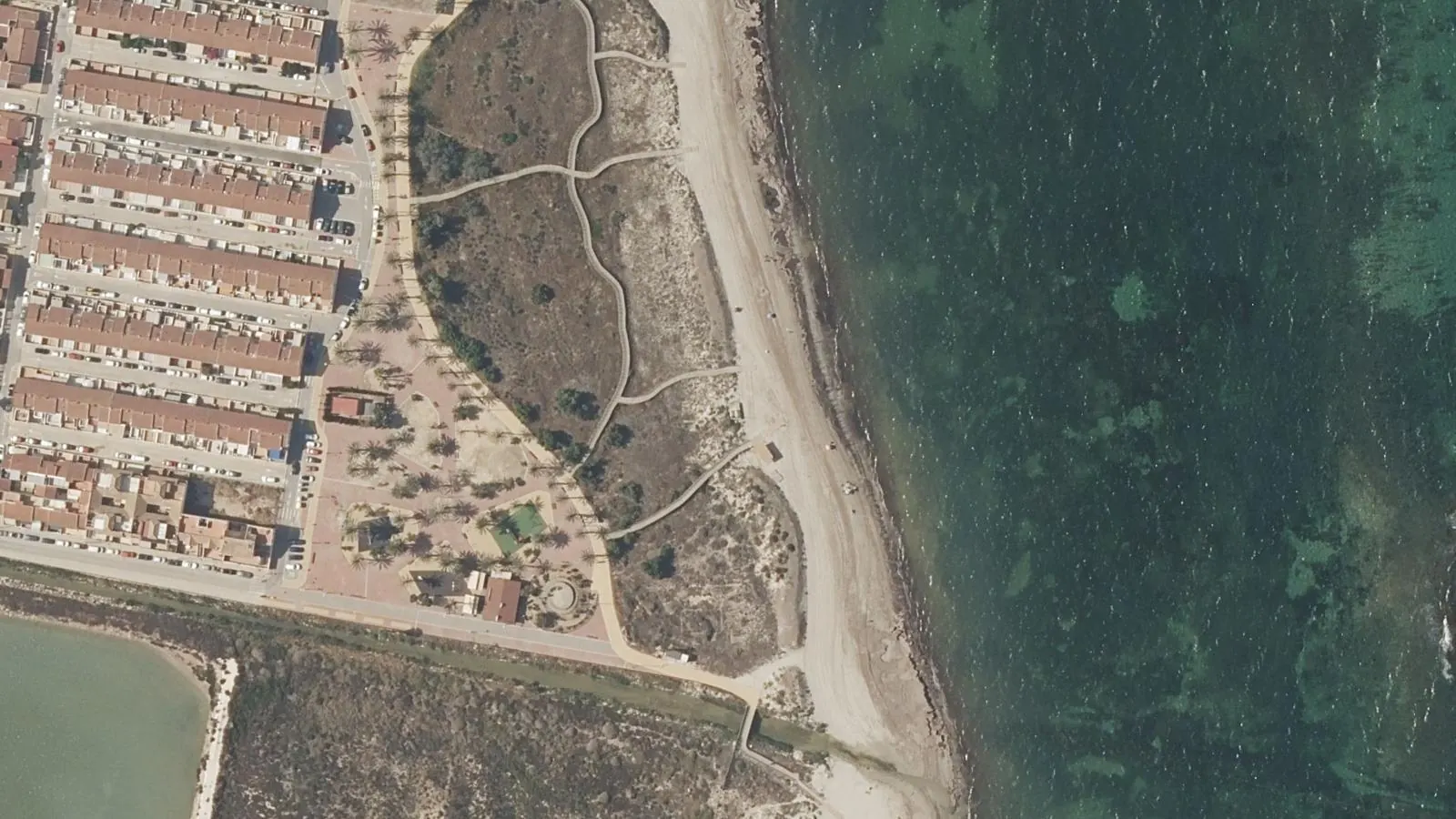
How to get to the beach: Take the AP-7 road (exit 774) or N-332 from Cartagena toward San Pedro del Pinatar, then follow signs to El Mojón.
Quick Overview
Plan Your Visit to El Mojón (San Pedro del Pinatar)
The key facts before you go
About the Beach
What is El Mojón (San Pedro del Pinatar)?
El Mojón is a west-facing beach in San Pedro del Pinatar, located in the Region of Murcia on Spain's southeastern coast. This stretch of shoreline sits roughly 52 kilometers from Alicante-Elche Airport, making it accessible for visitors arriving by air. The beach maintains excellent bathing water quality and operates with lifeguard supervision, providing a reliable option for swimmers. The local area has developed around traditional coastal industries, and El Mojón serves both residents and visitors seeking a straightforward beach experience without excessive commercialization. Access is relatively straightforward via the AP-7 motorway or N-332 road from Cartagena, with clear signage directing toward the beach.
It sits alongside certified beaches along Region of Murcia, part of a broader network of certified beaches throughout Spain certified annually by the Foundation for Environmental Education.
Sunrise, Sunset & Beach Direction
El Mojón (San Pedro del Pinatar) faces west toward Mediterranean Sea. The best light for photography and swimming is typically in April, May, June. Direct sun hours follow that facing.
Planning
When to Go: Month by Month
When is the best time to visit El Mojón (San Pedro del Pinatar)?The best time to visit El Mojón (San Pedro del Pinatar) is April, May, June.
How crowded does El Mojón (San Pedro del Pinatar) get?El Mojón experiences seasonal variation in visitor numbers typical of the Murcia coast. Summer months attract more swimmers, particularly families from the local region and Spanish holidaymakers. Weekends see higher attendance than weekdays year-round. The beach draws working families and day visitors rather than exclusively resort tourists. Morning periods tend to be quieter than afternoons. The presence of lifeguards suggests the beach is recognized as a legitimate swimming destination with adequate safety coverage during peak times. Winter months are noticeably quieter, though hardy swimmers and locals continue to use the beach. The beach does not have the intensive tourist infrastructure of major resort beaches, so crowds remain manageable even during school holidays. Foreign visitors are present but represent a minority compared to Spanish nationals. The beach appeals to people seeking straightforward swimming access without paying premium prices or dealing with crowded waterfront promenades.
Is El Mojón (San Pedro del Pinatar) open year-round?The beach itself is accessible year-round, though staffed facilities including lifeguards typically operate only during the official season (01-07 – 31-08). The Blue Flag is displayed during the certification period only.
The Water
Swimming and Beach Life at El Mojón (San Pedro del Pinatar)
Is El Mojón (San Pedro del Pinatar) safe to swim?El Mojón (San Pedro del Pinatar) is Blue Flag certified, which requires meeting strict bathing water standards set by the EU Bathing Water Directive. Water quality is rated Excellent. Lifeguards are on duty during the official season.
What is the water temperature at El Mojón (San Pedro del Pinatar)?Water temperature varies seasonally. Visit during the summer months (June–September) for the most comfortable swimming conditions.
What is the beach like at El Mojón (San Pedro del Pinatar)?El Mojón faces west, which means the beach catches afternoon and evening light before sunset. The western orientation influences the typical wind patterns and how the beach responds to Atlantic swells compared to Mediterranean conditions further east. The bathing water quality here is rated excellent, which reflects the beach's position within a relatively clean stretch of the Murcia coastline. Lifeguards are stationed at the beach, providing supervision during operational hours and offering assistance to swimmers in difficulty. The beach serves the local community and visiting swimmers throughout the year. Sand quality and width vary seasonally due to natural sediment movement along this section of coast. Winter conditions can bring stronger winds and rougher water, while summer months generally offer calmer conditions. The beach's proximity to San Pedro del Pinatar means it never feels completely isolated, even during quieter periods. Swimming is the primary activity here, this is not a beach known for water sports infrastructure or specialized facilities. The seafloor composition and drop-off characteristics are typical for this stretch of Murcia's coast, with gradual depth increases in most areas. Visitors should expect a functional beach environment focused on bathing rather than entertainment amenities. The surrounding coastline shows the industrial heritage of San Pedro del Pinatar, with salt pans and fishing operations visible from various vantage points. Beach maintenance appears adequate, though conditions depend on seasonal weather patterns and maintenance schedules. Shade is limited to whatever umbrella or tent facilities visitors bring themselves, as natural vegetation is sparse.
Does El Mojón (San Pedro del Pinatar) have good facilities?As a Blue Flag certified beach, El Mojón (San Pedro del Pinatar) meets the Foundation for Environmental Education's standards for facilities and services. Trained lifeguards are on duty during the season. The beach has disabled access facilities.
El Mojón (San Pedro del Pinatar) sits on the Mediterranean Sea: explore all Blue Flag beaches on the Mediterranean.
Planning a trip to Spain? Blue Flag Beaches Spain 2026 , our editorial guide to certified beaches across the country.
While You're Here
Beyond El Mojón (San Pedro del Pinatar)
San Pedro del Pinatar itself centers around historic salt production and fishing industries that remain visible throughout the town. The salt pans (salinas) are distinctive landscape features that can be observed from various points, and some are accessible for viewing or educational visits. The town maintains a working waterfront character rather than a resort atmosphere. Local restaurants typically focus on seafood and traditional Spanish Mediterranean cuisine, often at more moderate prices than tourist-oriented beach resorts. The broader Murcia region offers various inland attractions, though these require separate travel. Cartagena, accessible via the N-332 road used to reach El Mojón, is a historic port city worth visiting if you have transport available. The coastline immediately around San Pedro del Pinatar contains other small beaches and coves, some more developed than others. Birdwatching opportunities exist in the nearby salt pan areas, particularly during migration seasons. The town has basic shopping facilities and services for visitors needing provisions or supplies.
Transport
Getting to El Mojón (San Pedro del Pinatar)
How do I get to El Mojón (San Pedro del Pinatar) by car?El Mojón (San Pedro del Pinatar) is approximately 2.65 km from San Pedro del Pinatar. Follow local road signs to the beach. Check Google Maps or a local map for the most current directions.
What is the nearest airport to El Mojón (San Pedro del Pinatar)?The nearest airport is Alicante-Elche Airport (ALC), approximately 52.2 km away. Alicante-Elche Airport (ALC) is the nearest major air hub, situated approximately 52 kilometers from El Mojón. Flight time from major European cities ranges from 2 to 3 hours. Ground transport options from the airport include car rental, which provides the most flexible access to the beach. The journey takes roughly 50 minutes to 1 hour by car depending on traffic around Alicante. Highway AP-7 connects the airport region to San Pedro del Pinatar. Tourist shuttles and organized transfers are available but require advance booking. Driving yourself offers the advantage of accessing both the beach and surrounding areas at your own pace.
Can I get to El Mojón (San Pedro del Pinatar) by public transport?Public transport options vary by season. Check local transport authority websites for current bus and train schedules connecting to San Pedro del Pinatar.
Nearby
Near El Mojón (San Pedro del Pinatar)
Mapped toilets, bus stops, cafés, parking, and shops within about 500 m of El Mojón (San Pedro del Pinatar). Distances are walking-line estimates from the beach pin.
Map loads when you ask. Tiles stay off the first paint.
Map: OpenStreetMap (ODbL)
Toilets near El Mojón (San Pedro del Pinatar)
- Public toilets Public toilets 82 m
Bus near El Mojón (San Pedro del Pinatar)
- El Mojon Bus stop 374 m
- El Mojon Bus stop 392 m
Cafés near El Mojón (San Pedro del Pinatar)
- Chiringuito Calisto Restaurant 98 m
- Restaurante Mediterráneo Restaurant 337 m
- Tika Taco Restaurant 397 m
Source: © OpenStreetMap contributors (ODbL). Names and positions come from mapped OSM features. Confirm on site.
Practical Details
Practical Information
| At the Beach | |
| Entry | Free: no charge to access the beach |
|---|---|
| Lifeguards | ✓ On duty during official season |
| Disabled Access | ✓ Accessible site facilities and water entry |
| Showers | ✗ |
| Toilets | ✗ |
| Official Season | 01 Jul – 31 Aug |
| Beach Type | Sandy beach |
| Visiting Information | |
| GPS Coordinates | 37.8435°N, 0.7626°W |
| Water Quality | Excellent (EU Bathing Water Directive) |
| Blue Flag Operator | Foundation for Environmental Education (FEE), Spain |
Frequently Asked Questions
El Mojón (San Pedro del Pinatar) FAQ
Is El Mojón worth visiting?
El Mojón suits visitors seeking a functional beach with good water quality and lifeguard supervision without crowds or premium pricing. If you want straightforward swimming and want to avoid packed resort beaches, yes. It's a working-class Spanish beach that prioritizes bathing over entertainment. It won't satisfy people seeking water sports infrastructure, nightlife, or beach bars. Families with young swimmers appreciate the lifeguard presence and calm summer conditions. The beach works well as part of a broader Murcia coast visit rather than as a standalone destination.
How do I get to El Mojón?
By car from Cartagena, take the N-332 road toward San Pedro del Pinatar. Alternatively, use the AP-7 motorway (exit 774) if arriving from the north or Alicante. Look for signage directing to El Mojón within San Pedro del Pinatar, the detour is clearly marked. From Alicante-Elche Airport, rent a car and allow approximately 50-60 minutes. The journey is straightforward with clear road signs. Public transport options exist but require local connections and are less convenient than driving.
What is the best time of year to visit?
May through September offers the warmest water temperatures and most reliable sunshine. July and August peak heat may be intense. June and September provide good conditions with slightly fewer visitors. Winter months are quieter but bring cooler water and stronger winds. April and October represent shoulder seasons with reasonable weather and moderate crowds. Spring wildflowers appear in the surrounding landscape. Summer school holidays (mid-June to early September) see the highest visitor numbers. If you prefer swimming comfort, target June through August. For quieter visits, choose April, May, September, or October.
What facilities are available at El Mojón?
Lifeguards provide supervision during operational hours. The beach itself offers basic access and swimming. Shade structures, beach bars, changing facilities, and restaurants depend on what's currently developed in the immediate area, the beach itself is functional rather than heavily developed. Nearby San Pedro del Pinatar town provides shopping, cafés, and restaurants within a short distance. Bring your own umbrella or beach tent for shade, as natural vegetation is absent. Toilet facilities exist but standards vary. The beach prioritizes bathing function over commercial amenities.
Is El Mojón suitable for families?
Yes, families with swimming children appreciate the excellent water quality and lifeguard presence. Summer water conditions are calm, which helps younger swimmers feel secure. The beach's working-class character means fewer aggressive vendors and loud clubs. Parking is typically available without the competition of major resort beaches. The N-332 and AP-7 access roads are straightforward, making arrival easier with children. Nearby San Pedro del Pinatar offers basic amenities families need. The beach works well for families who want functional swimming access rather than entertainment infrastructure.
Are there toilets near El Mojón (San Pedro del Pinatar)?
Yes. OpenStreetMap maps toilets near El Mojón (San Pedro del Pinatar), including 82 m away. Distances are walking-line estimates within about 500 m of the beach pin. Confirm opening hours on site; some facilities are seasonal. © OpenStreetMap contributors (ODbL).
Is there a bus near El Mojón (San Pedro del Pinatar)?
Yes. OpenStreetMap maps a public-transport stop 374 m from El Mojón (San Pedro del Pinatar) (El Mojon), plus 1 more within about 500 m. Check current timetables before you travel. © OpenStreetMap contributors (ODbL).
Are there cafés near El Mojón (San Pedro del Pinatar)?
Yes. OpenStreetMap lists 3 cafés or restaurants near El Mojón (San Pedro del Pinatar), including Chiringuito Calisto (98 m), Restaurante Mediterráneo (337 m), and Tika Taco (397 m). Hours and seasonal opening are not verified here. Check on the day. © OpenStreetMap contributors (ODbL).
Explore More
Nearby Blue Flag Beaches
Editorial
From the Zeach Blog
Everything you need to know about what makes a beach qualify for Blue Flag status, from water quality to environmental education.
Read moreOur editorial team's pick of the standout Blue Flag beaches in Spain, rated for family friendliness, scenery, and facilities.
Explore SpainWhat the flag actually means, how certification works, and why a Blue Flag is a genuinely reliable signal, not just a marketing tool.
Read moreSources
- Foundation for Environmental Education: Blue Flag programme
- FEE site listing for El Mojón (San Pedro del Pinatar)
- ADEAC (Asociación de Educación Ambiental y del Consumidor)
- European Environment Agency: bathing water quality
Last verified September 2026. National operator pages and FEE listings are the primary certification sources.