Playa Conde
Valencian Community, Spain: Excellent water quality
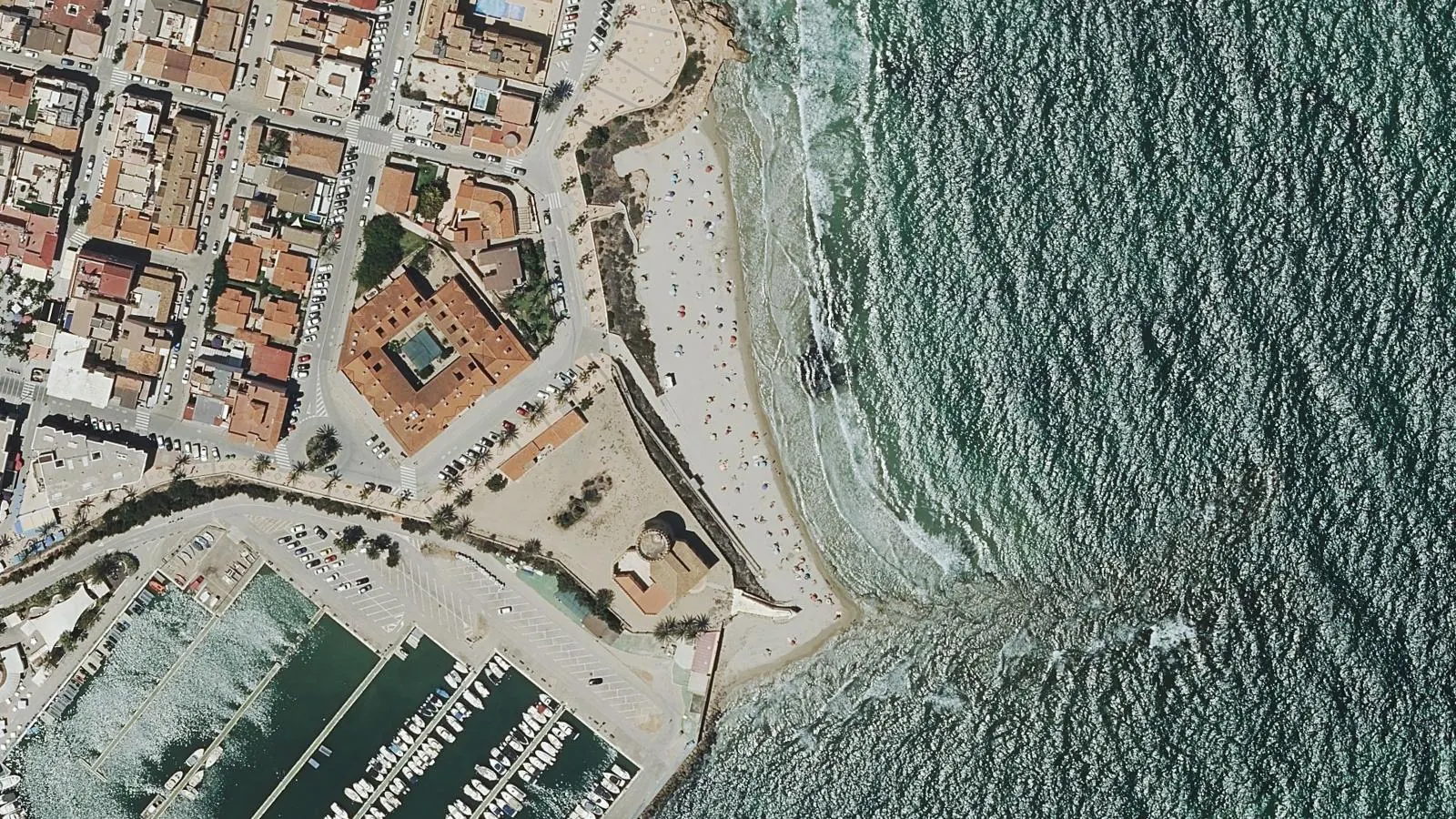
Fine sand beach in Torre de la Horadada, easily reached via the Cartagena exit or AP-7 near Pilar de la Horadada. Lifeguards are on duty daily from June 15 to September 15, 11am to 7pm. The beach has sports facilities, restaurants, public transport access, and…
Quick Overview
Plan Your Visit to Playa Conde
The key facts before you go
About the Beach
What is Playa Conde?
Playa Conde sits on the southern coast of the Valencian Community near Pilar de la Horadada, backed by the Torre de la Horadada urbanization. The beach features fine sand and clear water that draws snorkelers year-round. Bathing water quality is rated Excellent, and lifeguards patrol daily from mid-June to mid-September between 11:00 and 19:00. Located just under 50 km from Alicante-Elche Airport, it's accessible via the AP-7 motorway and offers services including restaurants, public transport connections, and disabled access. The nearby Sierra de Escalona and Dehesa de Campoamor natural areas, plus the Salinas de San Pedro del Pinatar nature reserve less than a kilometre away, add appeal for those interested in exploring the wider coastal landscape.
It sits alongside certified beaches along Valencian Community, part of a broader network of certified beaches throughout Spain certified annually by the Foundation for Environmental Education.
Visitor Feedback
What Visitors Say About Playa Conde
What visitors appreciate
- clear water|lifeguards|clean sand|stair access|access ramp|clean beach|water cleanliness|snorkeling|location|area
- Excellent EU-rated bathing water quality
Points to consider
- Can be busy during July and August peak season
- Facilities may be reduced outside peak months
Based on aggregated public visitor feedback. Themes are synthesised from multiple sources, not individual quotes. Zeach does not reproduce individual reviews.
Sunrise, Sunset & Beach Direction
Playa Conde faces south toward Mediterranean Sea. The best light for photography and swimming is typically in June. Direct sun hours follow that facing.
Planning
When to Go: Month by Month
| Month | Air Temp | Water Temp | Crowds |
|---|---|---|---|
| Jan | 12°C | 15°C | Low |
| Feb | 14°C | 15°C | Low |
| Mar | 15°C | 15°C | Low |
| Apr | 16°C | 16°C | Low |
| May | 20°C | 18°C | Low |
| Jun | 24°C | 22°C | Med |
| Jul | 26°C | 24°C | High |
| Aug | 27°C | 26°C | High |
| Sep | 24°C | 24°C | Med |
| Oct | 21°C | 22°C | Low |
| Nov | 16°C | 19°C | Low |
| Dec | 14°C | 17°C | Low |
The best time to visit Playa Conde is June. Air temperatures peak around 26.2°C in summer. Peak water temperature reaches 24.3°C in July.
How crowded does Playa Conde get?Playa Conde draws a steady mix of swimmers, snorkelers, and families during its formal lifeguard season from mid-June to mid-September. Weekends during July and August will be busier, while weekday visits in June and September tend to be quieter. Outside the lifeguard season, visitor numbers drop noticeably, the beach doesn't disappear, but you lose the organized safety presence. The beach's south-facing aspect and proximity to the Torre de la Horadada urbanization mean it attracts both residents from the local area and tourists staying in nearby accommodation. Clean sand and accessible entry points make it popular with families. Visitors specifically mention the stair and ramp access as practical features that make the beach welcoming to older visitors and those with mobility needs. The clear water is a genuine draw for snorkelers, bringing a specific user group alongside traditional swimmers. During peak summer months, expect a functional beach atmosphere rather than an isolated one, there are enough people present that lifeguards are justified, but it doesn't develop the packed-beach crowding of major resort beaches.
Is Playa Conde open year-round?The beach itself is accessible year-round, though staffed facilities including lifeguards typically operate only during the official season (15-06 – 15-09). The Blue Flag is displayed during the certification period only.
The Water
Swimming and Beach Life at Playa Conde
Is Playa Conde safe to swim?Playa Conde is Blue Flag certified, which requires meeting strict bathing water standards set by the EU Bathing Water Directive. The latest official class is Excellent (2025).
Water quality
Excellent (2025)
Earlier seasons: 2024 Excellent, 2023 Excellent, 2022 Excellent.
Excellent is the top class under the EU Bathing Water Directive. Recent samples stayed inside the strictest limits for bacteria.
Source: European Environment Agency
Peak water temperature at Playa Conde reaches around 24.3°C in July, making it comfortable for swimming during the summer months. In winter (January), air temperatures average 12.4°C.
What is the beach like at Playa Conde?Playa Conde's fine sand and exceptional water clarity make it a straightforward choice for swimmers and snorkelers. The water quality here is consistently Excellent, backed by regular testing. Summer water temperatures peak at 25.7°C in August, creating comfortable swimming conditions from July through September when lifeguards are on duty. Outside these months, water temperatures drop significantly (reaching 15.2°C by January) though swimmers do visit year-round, accepting colder conditions. The south-facing orientation means the beach receives full sun exposure throughout the day. Access is practical: there's stair access to the beach and ramps available for disabled users, making entry straightforward for most visitors. The beach sits within an urbanized area with established facilities and services immediately nearby. Snorkeling is a genuine draw here, with multiple visitor reviews specifically mentioning good underwater visibility and the appeal of the clear water for exploring beneath the surface. The nearby Rio Seco path route and proximity to the Salinas de San Pedro del Pinatar (a designated nature reserve) mean the beach sits within a broader natural context worth exploring. Sports facilities are available on or near the beach, supporting various water activities beyond swimming. Public transport connections mean you don't need a car if you're staying in the wider area, and restaurants operate nearby for sustenance after swimming.
Playa Conde sits on the Mediterranean Sea: explore all Blue Flag beaches on the Mediterranean.
Planning a trip to Spain? Blue Flag Beaches Spain 2026 , our editorial guide to certified beaches across the country.
While You're Here
Beyond Playa Conde
The immediate area offers genuine natural attractions beyond the beach itself. The Salinas de San Pedro del Pinatar natural park lies less than one kilometre away, a designated site worth exploring if you're interested in coastal salt marshes and the wildlife they support. The Sierra de Escalona and Dehesa de Campoamor LIC (Landscape of Community Interest) is in the same municipal area, offering walking and nature routes for those wanting to venture inland. The Rio Seco path route provides a marked hiking option within the broader locality. Pilar de la Horadada itself is a working coastal town rather than a pure resort destination, so you'll find local restaurants, shops, and services reflecting genuine community life rather than tourist-focused establishments. The location on the southern Valencian coast means other beaches and coastal features are within reasonable driving distance, the region has considerable coastline to explore. If you're basing yourself here rather than passing through, these natural areas and the town itself provide reasons to stay for several days.
Transport
Getting to Playa Conde
How do I get to Playa Conde by car?Playa Conde is approximately 3.19 km from Pilar de la Horadada. Follow local road signs to the beach. Check Google Maps or a local map for the most current directions.
What is the nearest airport to Playa Conde?The nearest airport is Region of Murcia International Airport (RMU), approximately 33.2 km away.
Can I get to Playa Conde by public transport?Public transport connections exist to the Pilar de la Horadada area, making bus access possible for those without a car. Once you arrive in town, local services should connect you toward Torre de la Horadada and the beach. However, specific bus routes and timetables aren't detailed in the beach information, so checking current local transport providers for routes serving the coast near Pilar de la Horadada is essential before you travel. The nearest recorded bus stop is 521 m from the beach.
Is there a train to Playa Conde?Playa Conde lists Balsicas Mar Menor as the nearest railway station, 17.96 km away. Check current timetables before travelling.
Map
Find Playa Conde
Open the map or get directions to the Playa Conde pin. Amenity names are listed here only when OpenStreetMap has a mapped feature nearby.
Map loads when you ask. Tiles stay off the first paint.
Map: OpenStreetMap (ODbL)
On the beach
Facilities at Playa Conde
- Lifeguards
- Yes, during the certified season
- Wheelchair access
- Accessible site facilities and water entry
- Visual assistance
- No
- Toilets
- Yes
- Showers
- Yes
- Parking
- Available nearby (surface parking). 91 m away
- Entry
- Free to enter
These details can change. Check on arrival.
Map data © OpenStreetMap contributors
Practical Details
Practical Information
| At the Beach | |
| Official Season | 15 Jun – 15 Sep |
|---|---|
| Beach Type | Sandy beach |
| Nearest supermarket | 240 m from the beach |
| Nearest bus stop | 521 m from the beach |
| Visiting Information | |
| GPS Coordinates | 37.8682°N, 0.7562°W |
| Water Quality | Excellent (2025) (EU Bathing Water Directive) |
| Blue Flag Operator | Foundation for Environmental Education (FEE), Spain |
Frequently Asked Questions
Playa Conde FAQ
Is Playa Conde worth visiting?
Yes, particularly if you're interested in snorkeling or want a functional beach with reliable facilities and good water quality. The Excellent bathing water rating is genuine, and multiple visitors specifically mention clear water and cleanliness. The south-facing aspect means good sun exposure, and disabled access is properly organized. It's not a remote or undiscovered beach (it's a working local facility with amenities) but that straightforwardness is its strength. The proximity to the Salinas de San Pedro del Pinatar and other natural areas adds appeal beyond just swimming.
How do I get to Playa Conde?
Car rental at the airport is the most practical option. Public transport to the area exists but involves connections. Once in Pilar de la Horadada, local signage directs you toward Torre de la Horadada and the beach. The location is accessible by car and by public transport if you're staying in the wider region.
What's the best time of year to visit?
July through September offers the warmest water (23.2–25.7°C in July and August) and daily lifeguard coverage from 11:00 to 19:00. June and September are quieter than July–August while still offering decent water temperatures and lifeguards. Outside June to September, water temperatures drop significantly (15.2°C by January), though visitors do swim year-round if you tolerate cold. For comfortable swimming with organized safety, aim for July–August or the quieter shoulder months of June and September.
What facilities are there at Playa Conde?
The beach has lifeguards during summer (15 June–15 September, 11:00–19:00), sports facilities, public transport access, restaurants nearby, and proper infrastructure for disabled visitors including stair and ramp access. Services are available both on and near the beach. The urbanized setting means facilities are genuine and functional rather than minimal. Public toilets and changing facilities are present as part of the organized beach setup.
Is Playa Conde suitable for families?
Yes. Lifeguards patrol during peak season, disabled access is well organized, and the beach has restaurants and services nearby. The fine sand is practical for children, and the clear water appeals to families interested in snorkeling. The stair and ramp access means families with elderly relatives or mobility needs can access the beach without difficulty. The south-facing aspect provides reliable sun throughout the day, and the broader area offers nature routes if you want to explore beyond just swimming.
Explore More
Nearby Blue Flag Beaches
Editorial
From the Zeach Blog
Everything you need to know about what makes a beach qualify for Blue Flag status, from water quality to environmental education.
Read moreOur editorial team's pick of the standout Blue Flag beaches in Spain, rated for family friendliness, scenery, and facilities.
What the flag actually means, how certification works, and why a Blue Flag is a genuinely reliable signal, not just a marketing tool.
Read moreSources
- Foundation for Environmental Education: Blue Flag programme
- FEE site listing for Playa Conde
- ADEAC (Asociación de Educación Ambiental y del Consumidor)
Last verified September 2026. National operator pages and FEE listings are the primary certification sources.