El Cable
Andalusia, Spain: Excellent water quality
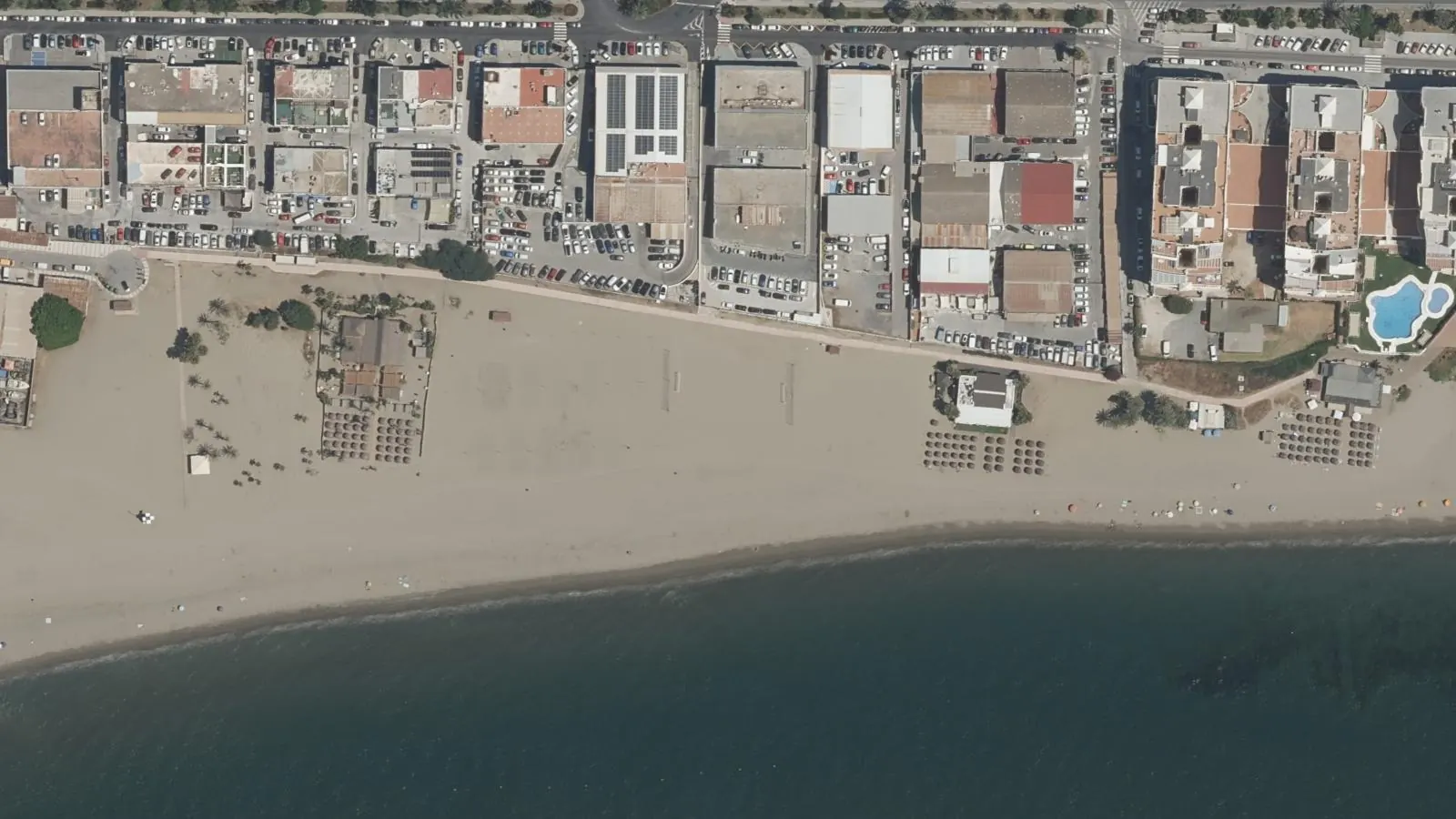
Fine Sand. Urban Beach.From East fishing Port to Real river. How to get to the beach: N-340 road.
Quick Overview
Plan Your Visit to El Cable
The key facts before you go
About the Beach
What is El Cable?
El Cable is an urban beach in Marbella, Andalusia, stretching from the eastern fishing port to the Río Real. This family-oriented stretch offers fine sand, shallow water, and easy access from the N-340 road. The beach earned its Blue Flag status thanks to excellent bathing water quality and solid amenities including free toilets and beach bars. With lifeguards on duty and a central location, El Cable suits swimmers seeking a straightforward beach experience without pretension.
It sits alongside Blue Flag beaches in Andalusia, part of a broader network of Blue Flag certified beaches across Spain certified annually by the Foundation for Environmental Education.
Visitor Feedback
What Visitors Say About El Cable
What visitors appreciate
- beach bars|fine sand|shallow water|no stones|beach for going with kids|urban beach|hammocks|free toilets|central beach|very clean
- Well-staffed with lifeguards during season
- Excellent EU-rated bathing water quality
Points to consider
- Can be busy during July and August peak season
- Facilities may be reduced outside peak months
Based on aggregated public visitor feedback. Themes are synthesised from multiple sources, not individual quotes. Zeach does not reproduce individual reviews.
Sunrise, Sunset & Beach Direction
El Cable faces south toward Mediterranean Sea. The best light for photography and swimming is typically in June. Direct sun hours follow that facing.
Planning
When to Go: Month by Month
| Month | Air Temp | Water Temp | Crowds |
|---|---|---|---|
| Jan | 13°C | 10°C | Low |
| Feb | 14°C | 11°C | Low |
| Mar | 15°C | 12°C | Low |
| Apr | 16°C | 13°C | Low |
| May | 20°C | 17°C | Low |
| Jun | 23°C | 20°C | Med |
| Jul | 26°C | 23°C | High |
| Aug | 27°C | 24°C | High |
| Sep | 24°C | 21°C | Med |
| Oct | 21°C | 18°C | Low |
| Nov | 16°C | 13°C | Low |
| Dec | 14°C | 11°C | Low |
The best time to visit El Cable is June. Air temperatures peak around 26.1°C in summer. Peak water temperature reaches 23.1°C in July.
How crowded does El Cable get?El Cable is a central urban beach, so expect moderate to significant crowds during peak summer weeks, particularly in July and August. Spanish holiday patterns mean late July through mid-August sees the highest density. Weekdays in June or September draw fewer people, a practical advantage if you prefer a less crowded experience. The beach attracts families with children, drawn by the shallow water and fine sand. You'll see groups of locals who know the spot well, plus tourists staying in Marbella's extensive accommodation options. The atmosphere is functional rather than party-focused; this isn't a nightlife beach. Mornings tend to be quieter than afternoons. The beach bars create gathering points but maintain reasonable noise levels. The urban setting means the beach connects visibly to town streets and traffic, so ambient background noise is part of the experience. For swimmers seeking solitude, this isn't the answer. For families wanting reliable facilities, lifeguard cover, and straightforward beach access, El Cable works efficiently.
Is El Cable open year-round?The beach itself is accessible year-round, though staffed facilities including lifeguards typically operate only during the official season (01-06 – 30-09). The Blue Flag is displayed during the certification period only.
The Water
Swimming and Beach Life at El Cable
Is El Cable safe to swim?El Cable is Blue Flag certified, which requires meeting strict bathing water standards set by the EU Bathing Water Directive. Water quality is rated Excellent. Lifeguards are on duty during the official season.
What is the water temperature at El Cable?Peak water temperature at El Cable reaches around 23.1°C in July, making it comfortable for swimming during the summer months. In winter (January), air temperatures average 12.7°C.
What is the beach like at El Cable?El Cable runs as an urban beach through central Marbella, bordered by the fishing port to the east and the Río Real to the west. The defining feature is fine sand underfoot, consistent, comfortable, and free of stones. Water depth increases gradually, making the shallow sections ideal for children learning to swim. This gentle gradient is one of the beach's practical strengths. The shoreline itself is clean and well-maintained. You'll find beach bars dotted along the sand, offering refreshment and shade via hammocks and seating. These aren't fancy establishments, they're functional places to grab a drink or light meal between swimming sessions. Free toilet facilities are available, a genuine convenience that many beaches lack. Bathing water quality rates as excellent, monitored under Blue Flag standards. Winter water temperatures are cold (9.7°C in January), but the Mediterranean warms considerably by summer. July and August peak at 23°C, warm enough for comfortable swimming. September still holds 21°C, making it the tail end of the proper swim season. The beach faces south, catching sunlight throughout the day. No stones means bare feet won't suffer, which matters over long beach days. The urban setting means noise from traffic on the N-340 is occasional but present, this isn't a secluded cove. That trade-off is deliberate; proximity to facilities and accessibility matter more here than isolation. Lifeguards are present, providing genuine safety oversight during peak hours. Combined with shallow water and fine sand, this reduces risk for families with young swimmers.
Does El Cable have good facilities?As a Blue Flag certified beach, El Cable meets the Foundation for Environmental Education's standards for facilities and services. Trained lifeguards are on duty during the season. Showers are available. Toilet facilities are on site. Parking is available nearby. The beach has disabled access facilities.
El Cable sits on the Mediterranean Sea: explore all Blue Flag beaches on the Mediterranean.
Planning a trip to Spain? Blue Flag Beaches Spain 2026 , our editorial guide to certified beaches across the country.
While You're Here
Beyond El Cable
Marbella itself offers more than just El Cable. The town has developed substantially as a coastal resort, with restaurants, shops, and accommodation clustered near the beach and extending inland. The historic old town (casco antiguo) sits inland, featuring narrow streets and traditional architecture distinct from the modern seafront developments. Fishing remains active at the port near El Cable's eastern boundary, you may see boats and commercial activity. This isn't staged tourism; it's functioning maritime infrastructure. The Río Real marks the beach's western edge, offering a natural boundary that separates El Cable from adjacent coastal areas. The broader Costa del Sol extends east and west from Marbella. Málaga city lies further east, accessible by road and bus. The coastline here is heavily developed compared to quieter Mediterranean stretches, but that development means facilities, restaurants, and accommodations are abundant and reliable.
Transport
Getting to El Cable
How do I get to El Cable by car?El Cable is approximately 1.55 km from Marbella. Follow local road signs to the beach. Check Google Maps or a local map for the most current directions.
What is the nearest airport to El Cable?The nearest airport is Málaga-Costa del Sol Airport (AGP), approximately 102.7 km away. Málaga-Costa del Sol Airport (AGP) is 102.7 km east of El Cable. Direct flights connect to major European cities. From the airport, car hire is the most straightforward option, take the A-7 motorway west toward Marbella. Journey time is roughly 75-90 minutes depending on traffic and road conditions. Alternatively, airport shuttle services and taxis operate from the terminal, though costs are higher. Public transport from the airport involves bus connections, but these require transfers and extend journey time significantly.
Can I get to El Cable by public transport?Regional bus services operate between Marbella and surrounding towns. Local buses within Marbella connect to the central beach area. Journey times and schedules vary by route and service operator. Check local transport websites for current timetables before travel. The nearest recorded bus stop is 197 m from the beach.
Map
Find El Cable
Open the map or get directions to the El Cable pin. Amenity names are listed here only when OpenStreetMap has a mapped feature nearby.
Map loads when you ask. Tiles stay off the first paint.
Map: OpenStreetMap (ODbL)
Practical Details
Practical Information
| At the Beach | |
| Entry | Free: no charge to access the beach |
|---|---|
| Lifeguards | ✓ On duty during official season |
| Disabled Access | ✓ Accessible site facilities and water entry |
| Showers | ✓ Available during season |
| Toilets | ✓ Available during season |
| Official Season | 01 Jun – 30 Sep |
| Beach Type | Sandy beach |
| Parking | ✓ Available nearby (surface parking) |
| Nearest supermarket | 1.3 km from the beach |
| Nearest bus stop | 197 m from the beach |
| Visiting Information | |
| GPS Coordinates | 36.5078°N, 4.8683°W |
| Water Quality | Excellent (EU Bathing Water Directive) |
| Blue Flag Operator | Foundation for Environmental Education (FEE), Spain |
Frequently Asked Questions
El Cable FAQ
Is El Cable worth visiting?
El Cable offers practical value if you're seeking a reliable family beach with good facilities. Excellent water quality, lifeguards, shallow water, fine sand, and free toilets make it functional rather than exceptional. The urban setting means crowds and traffic noise, but accessibility from central Marbella is genuine. Worth visiting if you're staying nearby and want straightforward beach time. Less worth a dedicated trip if you're seeking quieter or more scenic stretches.
How do I get to El Cable?
From Málaga Airport, car hire and the A-7 motorway reach Marbella in 75-90 minutes. Once in Marbella, the N-340 road provides direct access. Local buses serve the central beach area. The beach sits at the town's core, so finding parking and walking to the sand is straightforward. No train station serves this exact location; road transport is the practical option.
What's the best time of year?
July through September marks the official swim season, with water temperatures of 21-23.5°C. July and August are warmest but most crowded. June and September offer warmer water than spring months, with fewer tourists than peak summer. Water remains cold (9.7-11.7°C) from December through March. Air temperatures are mild year-round, but serious swimming requires June onwards.
What facilities are there?
El Cable provides free toilet facilities, lifeguards, and multiple beach bars offering food and drink. Sand is fine and stone-free, with shallow water ideal for children. No mention of showers, changing facilities, or equipment rental in available data. Beach bars offer hammocks and seating. The urban beach setting means nearby Marbella shops and restaurants are within walking distance.
Is it suitable for families?
Yes. El Cable is specifically tagged as a family beach. Shallow water with gradual depth increase suits children learning to swim. Fine sand without stones prevents foot injuries during extended play. Lifeguards provide safety oversight. Free toilets and beach bars offer practical convenience. The crowded urban setting means supervision is straightforward. However, crowds in July-August and traffic noise on the N-340 are genuine considerations for families seeking peaceful environments.
Explore More
Nearby Blue Flag Beaches
Editorial
From the Zeach Blog
Everything you need to know about what makes a beach qualify for Blue Flag status, from water quality to environmental education.
Read moreOur editorial team's pick of the standout Blue Flag beaches in Spain, rated for family friendliness, scenery, and facilities.
Explore SpainWhat the flag actually means, how certification works, and why a Blue Flag is a genuinely reliable signal, not just a marketing tool.
Read moreSources
- Foundation for Environmental Education: Blue Flag programme
- FEE site listing for El Cable
- ADEAC (Asociación de Educación Ambiental y del Consumidor)
- European Environment Agency: bathing water quality
Last verified September 2026. National operator pages and FEE listings are the primary certification sources.