El Burrero
Canary Islands, Spain: Excellent water quality
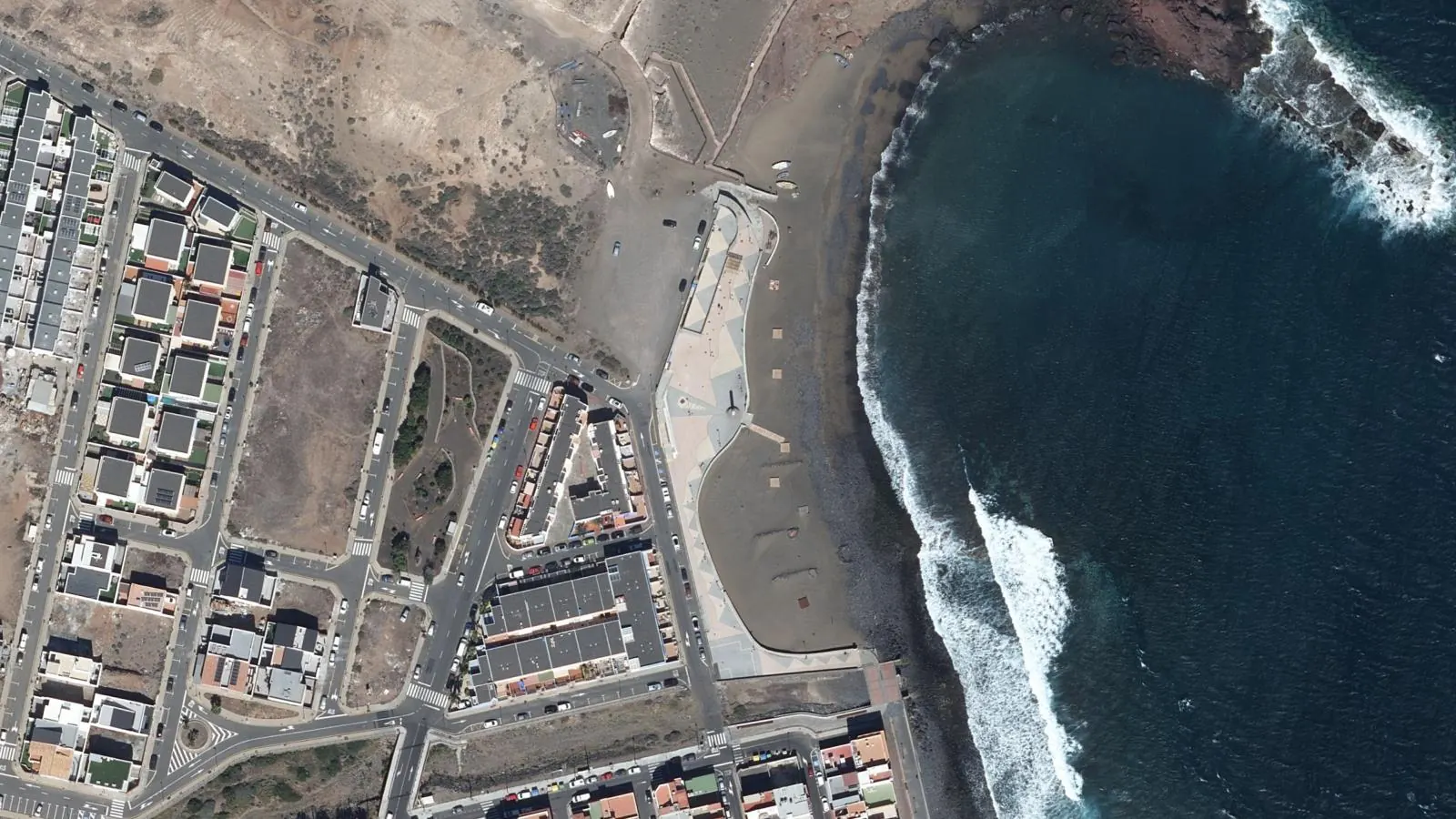
El Burrero Beach attracts surfers and water sports enthusiasts with reliable conditions. Summer trade winds make it excellent for windsurfing and sailing, while winter brings calmer waters. The area has rich marine life and a small fishing village with basic services. It's a good choice…
Quick Overview
Plan Your Visit to El Burrero
The key facts before you go
About the Beach
What is El Burrero?
El Burrero is a south-facing beach on Gran Canaria's southern coast, near the town of Ingenio. Known for strong summer trade winds and calmer winter conditions, it attracts surfers, windsurfers, and water sports enthusiasts year-round. The beach sits within a working fishing village that maintains essential services and accommodation options. Water quality here is excellent, and the marine environment supports diverse species. Whether you're chasing waves or exploring coastal waters, El Burrero offers consistent conditions and a functional, unpretentious coastal setting.
It sits alongside certified beaches along Canary Islands, part of a broader network of certified beaches throughout Spain certified annually by the Foundation for Environmental Education.
Sunrise, Sunset & Beach Direction
El Burrero faces south toward Atlantic Ocean. The best light for photography and swimming is typically in April, May, June. Direct sun hours follow that facing.
Planning
When to Go: Month by Month
| Month | Air Temp | Water Temp | Crowds |
|---|---|---|---|
| Jan | 17°C | 20°C | Low |
| Feb | 18°C | 19°C | Low |
| Mar | 18°C | 19°C | Low |
| Apr | 19°C | 19°C | Low |
| May | 20°C | 20°C | Low |
| Jun | 22°C | 21°C | Low |
| Jul | 24°C | 22°C | Med |
| Aug | 25°C | 23°C | High |
| Sep | 24°C | 23°C | Med |
| Oct | 23°C | 23°C | Low |
| Nov | 20°C | 22°C | Low |
| Dec | 19°C | 21°C | Low |
The best time to visit El Burrero is April, May, June. Air temperatures peak around 24°C in summer. Peak water temperature reaches 21.9°C in July.
How crowded does El Burrero get?El Burrero draws a specific crowd: water sports enthusiasts rather than sunbathers. The regular attendance includes local surfers, windsurfers exploiting summer trade winds, and kitesurfers seeking thermal lift. Because the beach lacks the resort infrastructure of northern Gran Canaria, casual beachgoers tend to filter toward busier alternatives. This self-selection means crowds remain manageable even during peak summer. Weekend traffic increases noticeably in July and August, with day-trippers from Ingenio and nearby settlements arriving in clusters. Mornings typically offer calmer conditions and fewer people. As water sports locations go, El Burrero occupies a middle ground, busy enough to find company and share conditions, quiet enough that you're not queuing for entry. The fishing village presence means you'll see working boats and nets alongside recreational equipment. September through November quiets considerably; this period suits visitors seeking space and consistency without summer warmth. Winter (December–February) attracts serious surfers during Atlantic swells but deters casual swimmers due to water temperatures of 14–15°C. The beach's character (functional rather than fashionable) means the crowd skews toward people with genuine interest in water conditions rather than those seeking a poolside experience.
Is El Burrero open year-round?The beach itself is accessible year-round, though staffed facilities including lifeguards typically operate only during the official season (01-07 – 30-09). The Blue Flag is displayed during the certification period only.
The Water
Swimming and Beach Life at El Burrero
Is El Burrero safe to swim?El Burrero is Blue Flag certified, which requires meeting strict bathing water standards set by the EU Bathing Water Directive. The latest official class is Excellent (2025).
Water quality
Excellent (2025)
Earlier seasons: 2024 Excellent, 2023 Excellent, 2022 Excellent.
Excellent is the top class under the EU Bathing Water Directive. Recent samples stayed inside the strictest limits for bacteria.
Source: European Environment Agency
Peak water temperature at El Burrero reaches around 21.9°C in July, making it comfortable for swimming during the summer months. In winter (January), air temperatures average 17.4°C.
What is the beach like at El Burrero?El Burrero faces south and benefits from the Atlantic swell patterns that define Gran Canaria's winter season. From July through September, summer trade winds create ideal conditions for windsurfing and kitesurfing, with consistent thermal effects that build throughout the day. Water temperatures peak in August at around 22°C, making extended time in the water comfortable. Winter months bring calmer air but more substantial swell, favoring surfers seeking hollow waves. The beach itself supports snorkeling opportunities, with decent visibility when conditions allow and reasonable marine biodiversity for a Canarian coast location. Water quality remains excellent year-round, monitored regularly under bathing water standards. This consistency matters for both safety and the health of the reef and rocky areas where snorkeling occurs. The beach typically operates with lifeguard presence, though you should confirm current coverage before entering. Local knowledge suggests checking conditions in person before committing to longer sessions, wind direction shifts and swell angles change week to week. Access is straightforward from the Ingenio side, with the fishing village providing natural reference points. The immediate shoreline includes both sand and rocky sections; timing your entry around tidal windows can improve comfort and safety. Peak summer months (July–August) see higher visitor numbers, particularly during weekends, though El Burrero never reaches the congestion found at northern resorts. Autumn through spring remains quieter, with September–December still offering swimmable water temperatures above 17°C. Bringing a rash guard or wetsuit is practical for winter months when water drops to 14–15°C. The beach's working-village character means fewer manicured facilities than purpose-built resorts, but this also means fewer crowds and more direct access to actual conditions. Wind swells often compete, so flexibility matters, some days favor kite riders, others reward surfers. Local fishing activity continues year-round; the beach is genuinely dual-use, shared between tourists and those making their living from the sea.
El Burrero sits on the Atlantic Ocean: explore all Blue Flag beaches on the Atlantic.
Planning a trip to Spain? Blue Flag Beaches Spain 2026 , our editorial guide to certified beaches across the country.
While You're Here
Beyond El Burrero
Ingenio town offers basic services essential for a beach visit: supermarkets, cafés, small restaurants, and petrol stations. The fishing village economy means fresh seafood is genuinely available if you know where to look. Accommodation ranges from small guest houses to modest apartment rentals tied to the local economy rather than resort chains. The southern coast near Ingenio remains less developed than northern areas, which appeals to visitors seeking calmer, less commercialized settings. Exploring inland toward the central valleys reveals agricultural areas and traditional Canarian settlement patterns distinct from coastal developments. Other southern beaches lie within easy driving distance. Meloneras to the west offers a different character, while San Agustín provides alternative water sports conditions. The region's volcanic geology shows clearly in coastal formations and interior landscapes. Winter months bring occasional rainfall to higher elevations, creating temporary streams and waterfalls not evident during drier seasons.
Transport
Getting to El Burrero
How do I get to El Burrero by car?El Burrero is approximately 4.85 km from Ingenio. Follow local road signs to the beach. Check Google Maps or a local map for the most current directions.
What is the nearest airport to El Burrero?The nearest airport is Gran Canaria Airport (LPA), approximately 2.4 km away. Gran Canaria Airport (LPA) sits just 2.4 km from El Burrero, making it exceptionally convenient. Most European carriers operate direct flights to LPA, with high frequency during summer months and reasonable options year-round. From the airport terminal, the beach is roughly a 5-minute drive south. Rental car companies operate from the airport, offering flexibility to explore the southern coast. Alternatively, local taxis and ride-share services provide direct transfers; confirm pricing beforehand. The proximity means you can collect luggage and be in the water within 30 minutes.
Can I get to El Burrero by public transport?Public buses connect Gran Canaria Airport to Ingenio and surrounding settlements. Journey times vary depending on route and traffic, typically 20–40 minutes from the terminal to central Ingenio. From Ingenio town center, El Burrero is accessible by local bus services or a short taxi ride (under 3 km). Service frequency is reasonable during daytime hours but reduces significantly in early morning and evening. Confirm current timetables with local transport authorities before traveling, as schedules change seasonally. The nearest recorded bus stop is 82 m from the beach.
Map
Find El Burrero
Open the map or get directions to the El Burrero pin. Amenity names are listed here only when OpenStreetMap has a mapped feature nearby.
Map loads when you ask. Tiles stay off the first paint.
Map: OpenStreetMap (ODbL)
On the beach
Facilities at El Burrero
- Lifeguards
- Yes, during the certified season
- Wheelchair access
- Accessible site facilities and water entry
- Visual assistance
- No
- Toilets
- Yes
- Showers
- Yes
- Parking
- Available nearby (surface parking)
- Surface
- Sand and rock
- Entry
- Free to enter
These details can change. Check on arrival.
Practical Details
Practical Information
| At the Beach | |
| Official Season | 01 Jul – 30 Sep |
|---|---|
| Beach Type | Sandy beach |
| Nearest supermarket | 1.5 km from the beach |
| Nearest bus stop | 82 m from the beach |
| Visiting Information | |
| GPS Coordinates | 27.9106°N, 15.3872°W |
| Water Quality | Excellent (2025) (EU Bathing Water Directive) |
| Blue Flag Operator | Foundation for Environmental Education (FEE), Spain |
Frequently Asked Questions
El Burrero FAQ
Is El Burrero worth visiting?
Yes, if water sports or uncrowded coastal conditions interest you. The beach's primary value lies in consistent wind and swell patterns rather than aesthetic appeal, it's functional and genuinely used by locals alongside visitors. Excellent water quality, lifeguard presence, and proximity to Gran Canaria Airport remove practical barriers. However, it's not a destination for those seeking resort-style comfort or protected swimming areas. Visit if you want to work with actual Atlantic conditions rather than sheltered facilities.
How do I get to El Burrero?
The simplest route is via Gran Canaria Airport (LPA), just 2.4 km away. Rent a car at the terminal and drive south to Ingenio and the beach, a 5-minute journey. Alternatively, take airport taxis or ride-share services directly to the beach. Public buses connect the airport to Ingenio (20–40 minutes), from which local transport or taxis reach El Burrero. Walking from Ingenio takes roughly 30–40 minutes depending on your entry point. Confirm bus schedules beforehand, as they change seasonally.
What is the best time of year to visit?
Summer (July–August) offers warmest water (21–22°C) and consistent trade winds for windsurfing and kitesurfing. Winter (November–February) brings Atlantic swell for surfers but requires cold-water experience, water temps drop to 14–15°C. Autumn (September–October) balances swimmable warmth (17–20°C) with fewer crowds. Air temperatures stay mild year-round (17–25°C). Choose July–September if comfort matters; choose winter if swell quality is your priority. Spring remains underutilized and offers good conditions with lighter crowds.
What facilities are available?
El Burrero operates with lifeguard presence and excellent monitored water quality. The fishing village nearby provides supermarkets, petrol stations, and basic restaurants. Accommodation includes small guest houses and apartment rentals rather than resort chains. Public restrooms and shower facilities are standard for a working beach. The setting lacks poolside bars or commercial sun loungers, bring your own equipment or rent locally. Phone signal is reliable, and internet access is available in town. Plan to supply your own food and water if spending extended hours on the beach.
Is El Burrero suitable for families?
Moderately. Lifeguard presence, excellent water quality, and safe road access support family visits. However, the beach's character is work-oriented rather than family-resort focused. Strong summer winds can challenge young swimmers; winter water temperatures (14–15°C) exclude casual paddling. Rocky sections require careful foot placement. The fishing village provides meals and supplies but not children's entertainment infrastructure. Families seeking space and genuine coastal conditions will find it welcoming; those expecting organized activities or calm protected swimming should consider northern beaches instead.
Editorial
From the Zeach Blog
Everything you need to know about what makes a beach qualify for Blue Flag status, from water quality to environmental education.
Read moreOur editorial team's pick of the standout Blue Flag beaches in Spain, rated for family friendliness, scenery, and facilities.
What the flag actually means, how certification works, and why a Blue Flag is a genuinely reliable signal, not just a marketing tool.
Read moreSources
- Foundation for Environmental Education: Blue Flag programme
- FEE site listing for El Burrero
- ADEAC (Asociación de Educación Ambiental y del Consumidor)
Last verified September 2026. National operator pages and FEE listings are the primary certification sources.